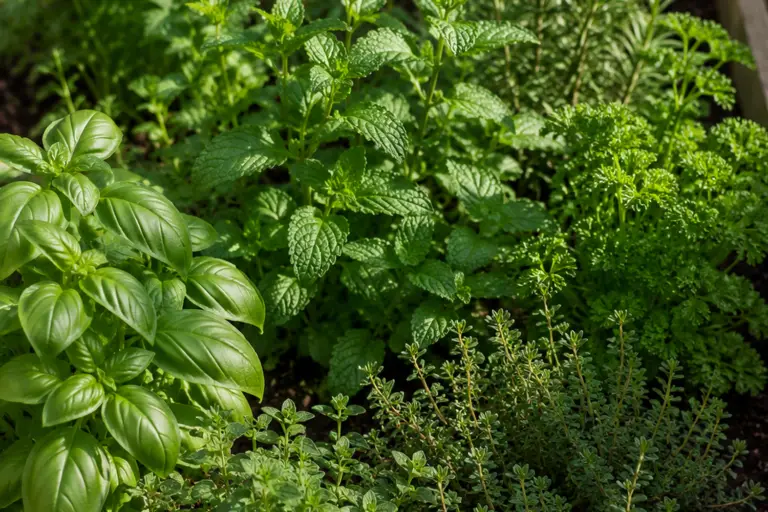
Aesthetic Plant Pot Ideas to Make Any Space Feel Beautiful
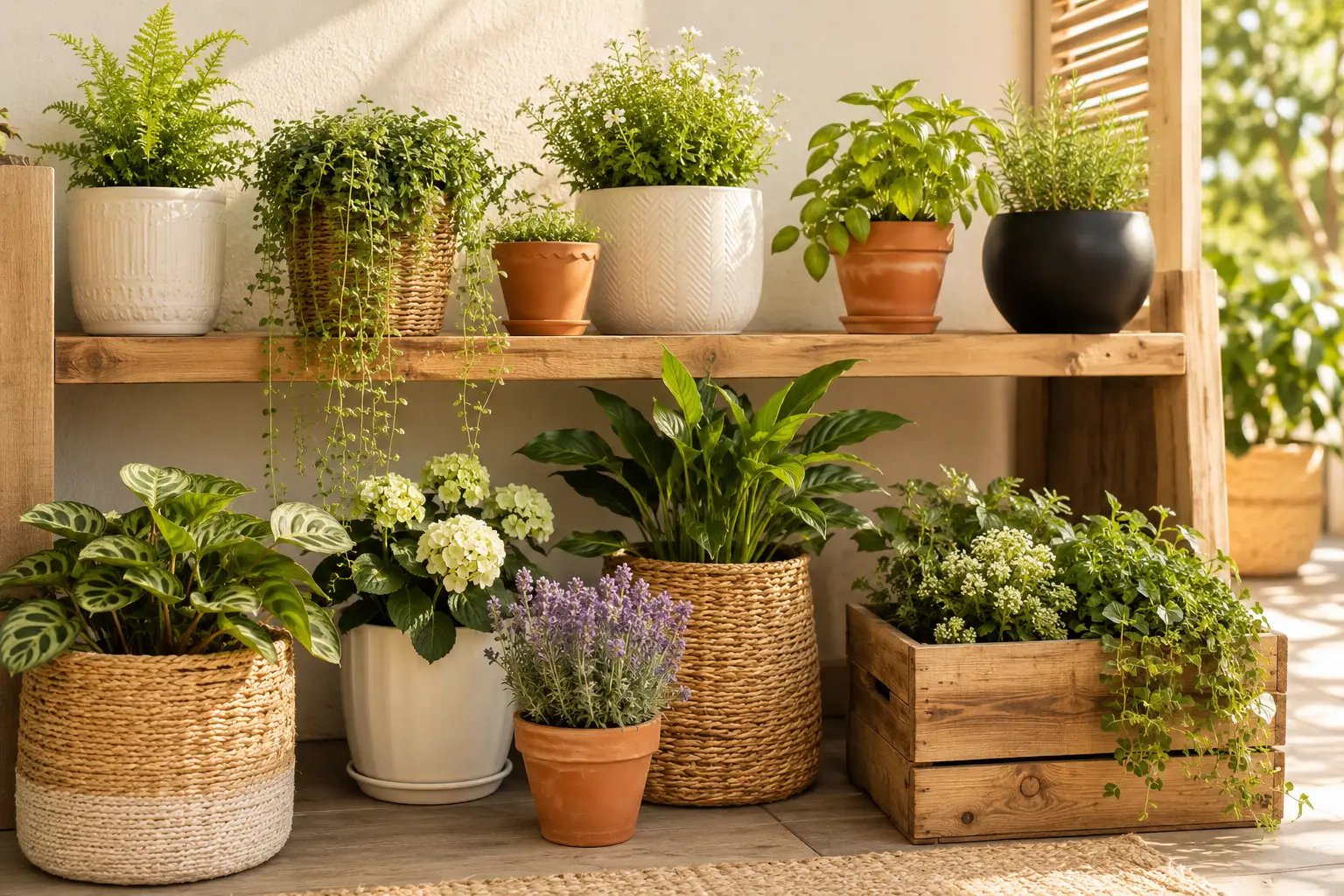
Aesthetic plant pot ideas can completely change the way your plants look, whether you are decorating a windowsill, balcony, patio, garden corner, or cozy indoor space. A simple plant can feel much more intentional when it is placed in the right pot, with the right color, texture, size, and style.
Plant pots are not only decorative. They also affect how well your plants grow. The best pot should look beautiful, fit your space, and still give the plant enough room, drainage, and stability. That is why choosing the right planter is both a design decision and a gardening decision.
The good news is that you do not need expensive planters to create a beautiful look. Terracotta pots, wooden boxes, woven baskets, ceramic planters, hanging pots, and even repurposed containers can all look stylish when they are arranged thoughtfully.
In this guide, you will find aesthetic plant pot ideas for indoor plants, balconies, patios, herbs, flowers, and small gardens. You will also learn how to choose the right pot style, avoid common mistakes, and make simple planters look beautiful on any budget.
Why Plant Pots Matter More Than You Think
Plant pots do more than hold soil. They help set the mood of your whole space. A terracotta pot can make a plant feel warm and rustic. A white ceramic pot can make a room feel clean and calm. A woven basket can add softness and texture. A black planter can make green leaves look bold and modern.
The right plant pot can also make your plants easier to care for. Size, material, drainage, and placement all matter. A pot that is too small can limit root growth. A pot without drainage can cause soggy soil. A heavy outdoor pot may work beautifully on a patio but feel too bulky indoors.
Before choosing a pot, think about three things:
- Where the plant will live
- How much water the plant needs
- What style you want the space to feel like
Aesthetic plant styling works best when beauty and plant health work together.
1. Classic Terracotta Pots
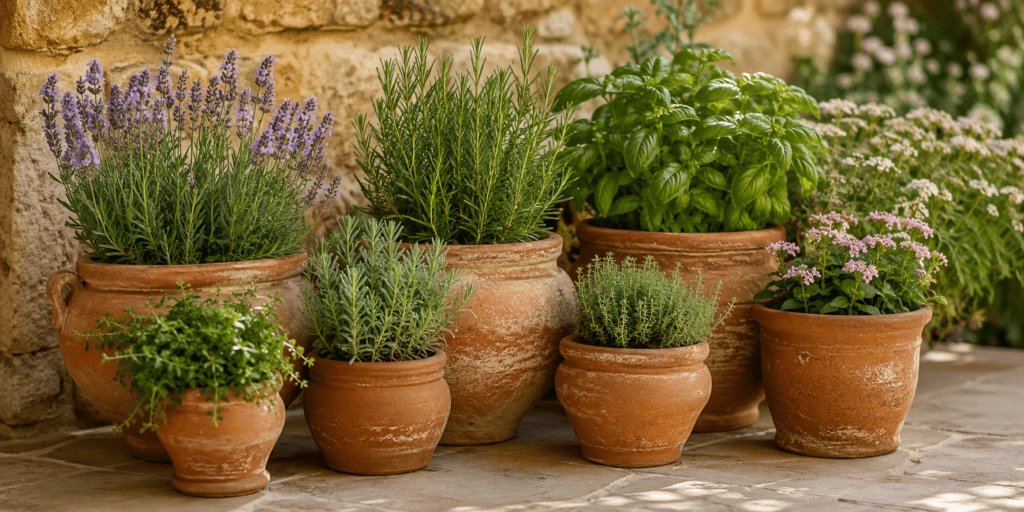
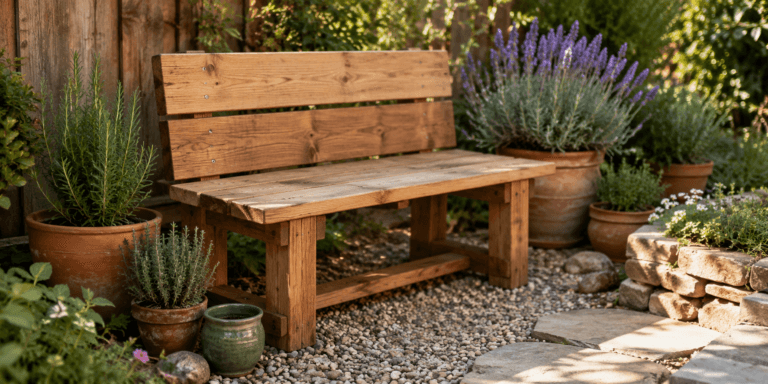
Terracotta pots are one of the most timeless plant pot ideas. Their warm clay color works beautifully with herbs, flowers, succulents, and Mediterranean plants like rosemary, thyme, lavender, and oregano.
They look especially good in rustic, cottage, farmhouse, balcony, and garden spaces. A group of terracotta pots instantly makes a space feel natural and lived-in.
Terracotta is also practical because it allows moisture to evaporate through the pot walls. This is helpful for plants that do not like soggy soil. The downside is that terracotta dries out faster, so plants may need more frequent watering in hot weather.
For an aesthetic look, group terracotta pots in different sizes. Keep the colors natural and let the plants create the variety.
2. White Ceramic Pots
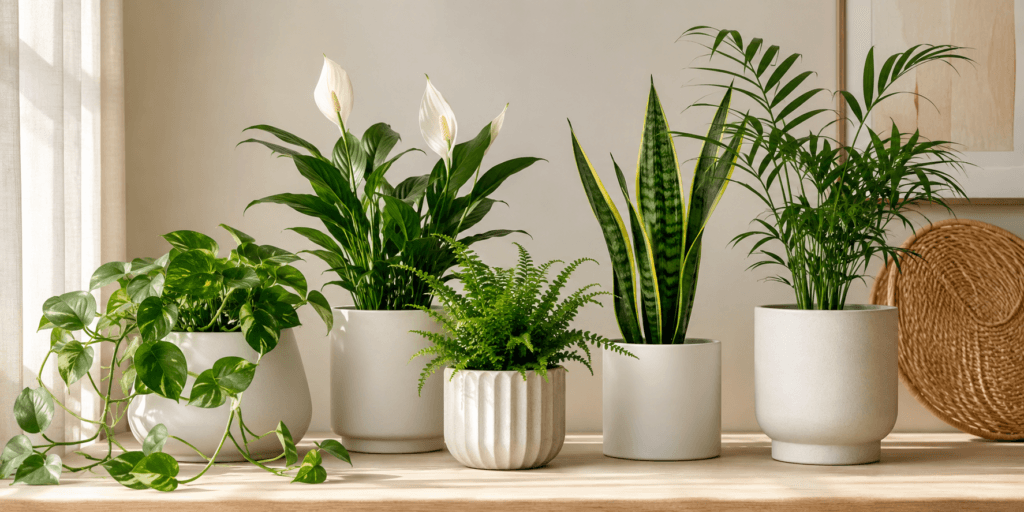
White ceramic pots are perfect if you want a clean, bright, and minimal look. They work well indoors, especially with houseplants like pothos, peace lilies, snake plants, ferns, and small palms.
White pots make greenery stand out without making the space feel busy. They are especially useful in small rooms because they reflect light and keep the area feeling open.
Use white ceramic pots on shelves, windowsills, desks, kitchen counters, or plant stands. They also pair well with light wood, cream walls, linen curtains, and simple natural decor.
Just make sure the pot has drainage, or use it as a decorative outer cover with a nursery pot inside.
3. Matte Black Plant Pots
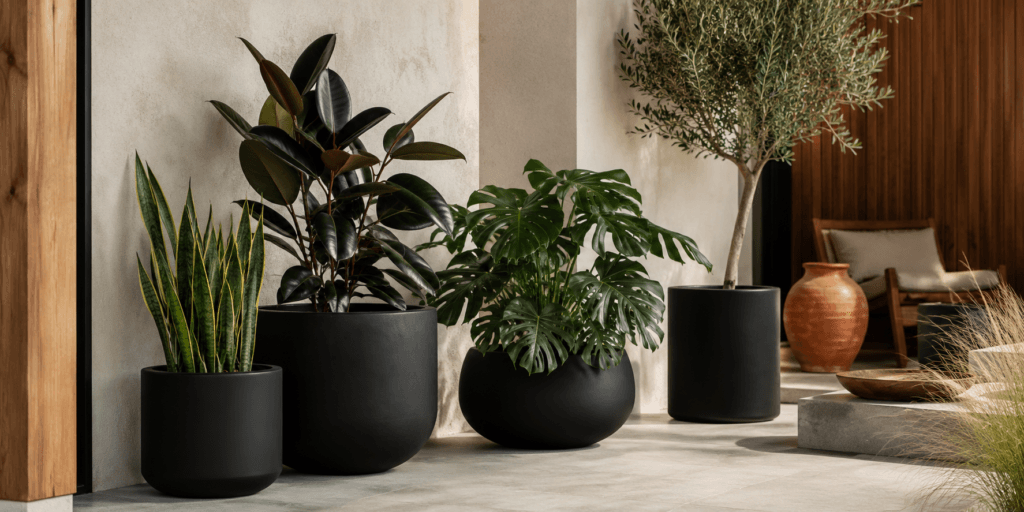
Matte black plant pots create a bold and modern contrast against green leaves. They work well in contemporary homes, patios, balconies, and entryways.
Black pots are especially beautiful with plants that have strong shapes, such as snake plants, rubber plants, olive trees, monstera, or ornamental grasses. They make the plant feel more sculptural and intentional.
To avoid making the space feel too dark, pair black pots with warm wood, light walls, neutral rugs, or terracotta accents. One or two black pots can add depth without overwhelming the room.
This style is best if you like clean lines, simple shapes, and a modern garden look.
4. Woven Basket Planters
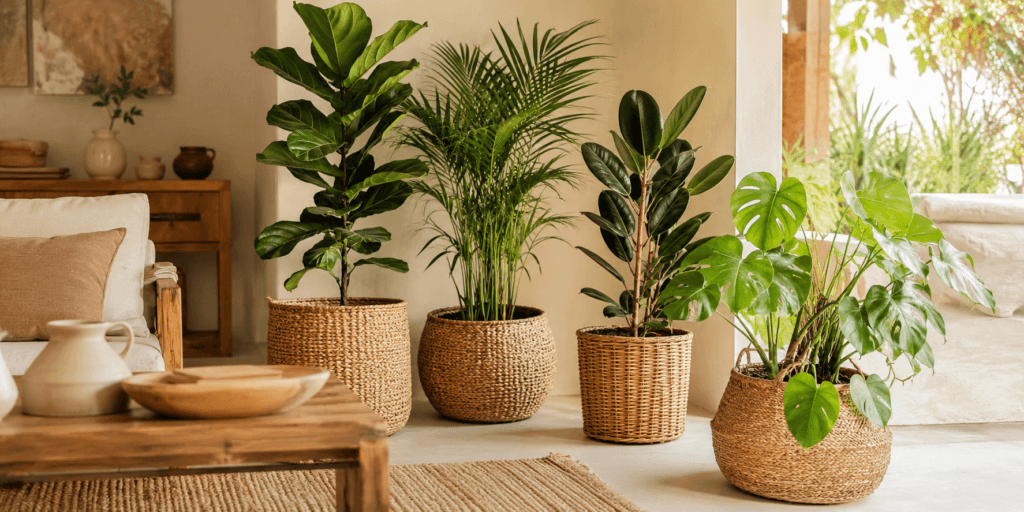
Woven baskets are one of the easiest ways to make indoor plants feel cozy. They add warmth, texture, and a soft natural look.
Basket planters are perfect for living rooms, bedrooms, home offices, and covered balconies. They work especially well with larger houseplants like fiddle leaf figs, palms, rubber plants, and monstera.
Because baskets are not usually waterproof, place your plant in a nursery pot first, then set it inside the basket. Use a saucer or liner to protect the basket from moisture.
For a beautiful look, choose baskets in natural tones like beige, tan, honey, or soft brown. They pair well with wood furniture, cream walls, linen fabrics, and neutral home decor.
5. Rustic Wooden Planter Boxes
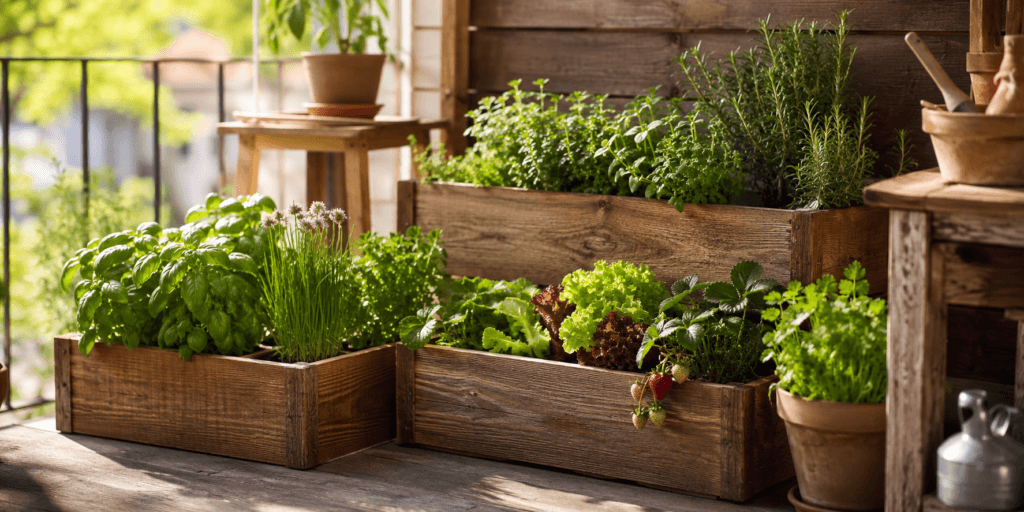
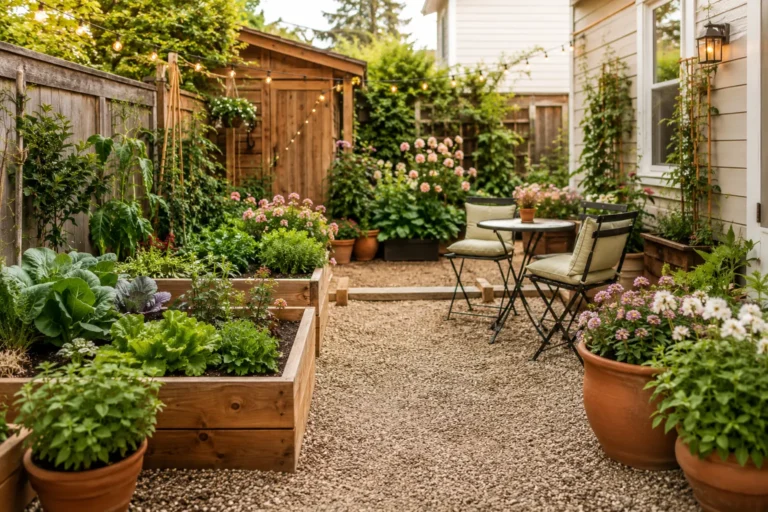
Wooden planter boxes are perfect for balconies, patios, herbs, and cottage-style gardens. They feel warm, natural, and practical.
You can use wooden boxes for herbs, flowers, leafy greens, strawberries, or small decorative plants. They look especially good along balcony railings, on outdoor shelves, or beside a garden bench.
Wooden planters are also great for creating a small-space garden because they can hold several plants in one container. For example, one wooden box can hold basil, parsley, thyme, and chives.
If you use wood outdoors, choose treated or naturally durable wood, and make sure the planter has drainage. A liner can help protect the wood from constant moisture.
6. Stone or Concrete Pots
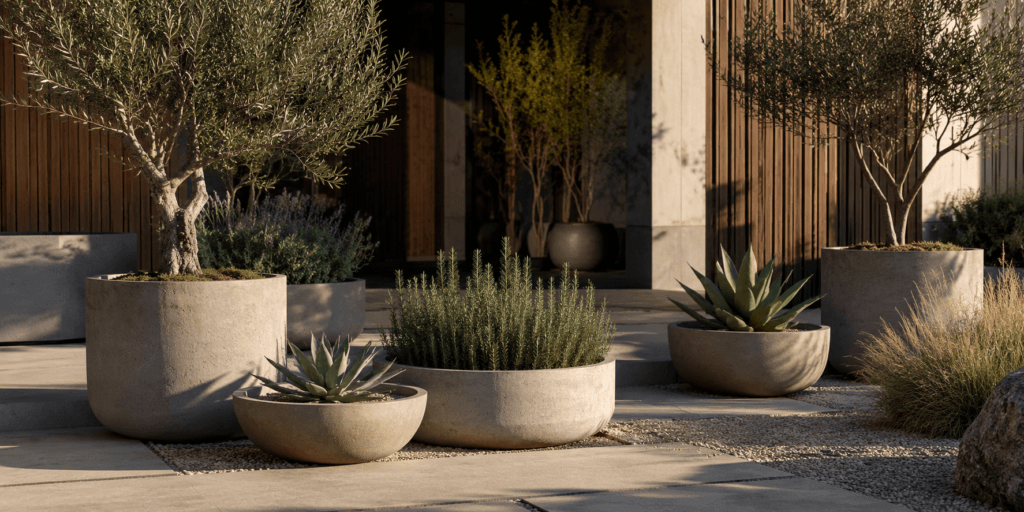
Stone and concrete pots give a space a calm, modern, and grounded look. They are heavier than many other pots, which makes them useful for patios, entryways, and outdoor areas where wind may be a problem.
These pots work well with olive trees, lavender, rosemary, ornamental grasses, succulents, and architectural plants.
Concrete pots are especially beautiful in modern garden designs. They pair well with gravel, wood, black metal, and simple green plants.
The main downside is weight. Once filled with soil and a plant, a concrete pot can be difficult to move. Use them in places where you want a strong, permanent look.
7. Vintage Clay Pots
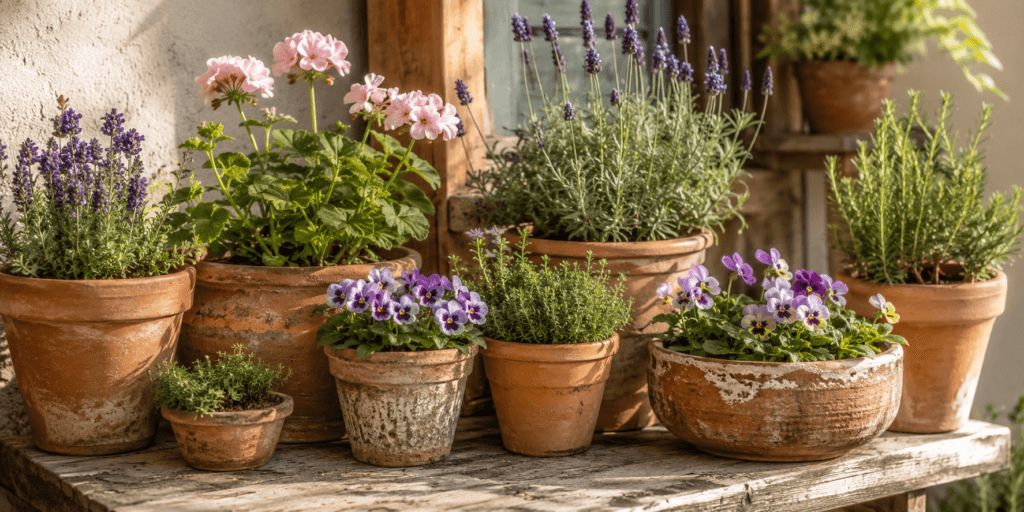
Vintage clay pots have a softer, aged look than new terracotta. They may have faded color, weathered edges, mossy texture, or small imperfections that make them feel charming.
This style is perfect for cottage gardens, herb gardens, rustic patios, and cozy balcony corners.
Vintage clay pots look beautiful with herbs, pansies, geraniums, lavender, thyme, and small flowering plants. They are especially nice when grouped together on wooden shelves or old garden tables.
You can mix different sizes and shapes, but keep the color palette similar. That creates a collected look without making the space feel messy.
8. Hanging Plant Pots
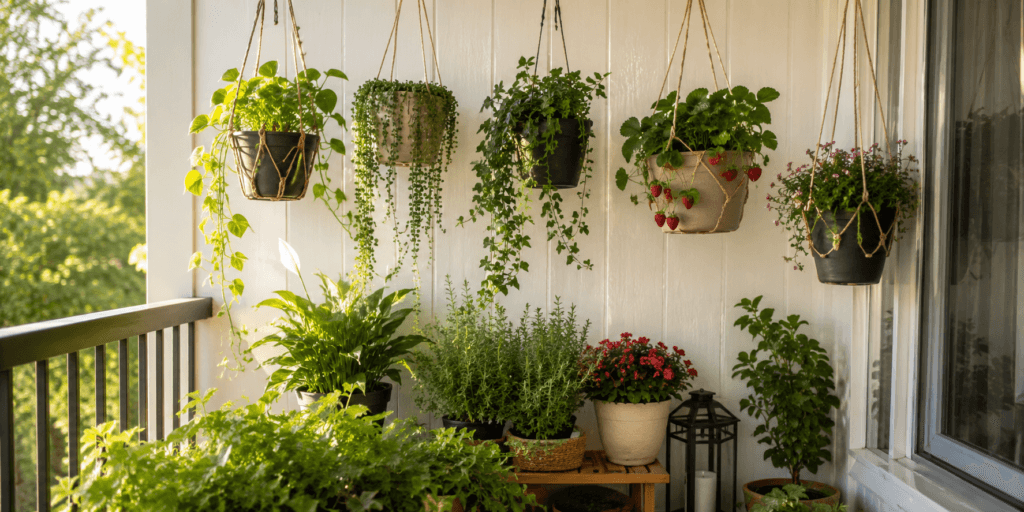
Hanging plant pots are perfect for small spaces because they use vertical space instead of floor space. They work well on balconies, porches, patios, kitchens, and sunny windows.
Use hanging pots for trailing plants like pothos, ivy, string of pearls, trailing herbs, strawberries, or small flowers.
Hanging pots also soften corners and make a space feel lush. A balcony with a few hanging planters can feel like a small garden even if the floor area is limited.
Make sure hanging pots are secure, especially outdoors. Also remember that hanging plants can dry out faster because they are more exposed to sun and wind.
9. Wall-Mounted Plant Pots
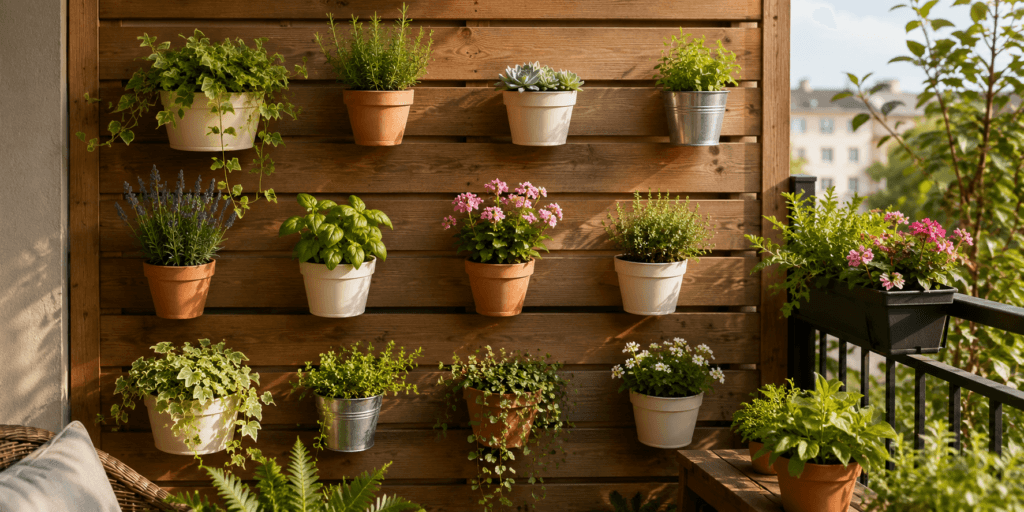
Wall-mounted plant pots are ideal for vertical gardens and small balconies. They help you grow plants without using valuable floor space.
You can use wall pots for herbs, succulents, flowers, trailing plants, or small leafy greens. They look especially beautiful on wooden slat walls, brick walls, balcony corners, or garden fences.
For a Pinterest-friendly look, arrange wall pots in a balanced pattern. You can use matching pots for a clean look or mix terracotta, metal, and wood for a more relaxed style.
This idea works very well for a balcony herb garden, especially if you want to grow useful plants in a small area.
10. Matching Pot Sets
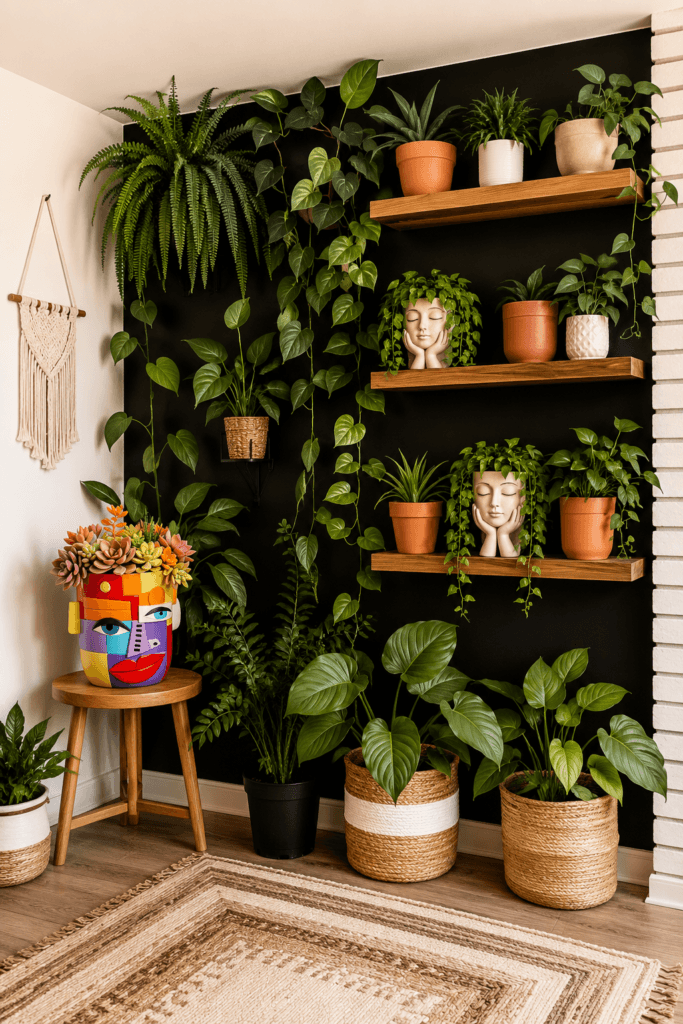
Matching pot sets are one of the easiest ways to make indoor plant styling look clean, intentional, and organized. This works especially well when you have several plants grouped on one shelf, windowsill, patio edge, balcony stand, or living room plant corner.
Using similar pots helps reduce visual clutter because the repeated style ties everything together, even when the plants have different leaf shapes, colors, and sizes. For a calm, simple look, you can choose matching terracotta pots, white ceramic plant pots, black indoor planters, or neutral stone-look pots. To make the display feel more personal, mix in one statement piece like a colored abstract planter pot or a face-shaped planter pot as the focal point.
The key is to keep the overall color palette consistent while using different pot sizes to add height and interest. This is a great beginner-friendly styling idea because it is simple, affordable, and hard to get wrong.
11. Mixed Pot Collections
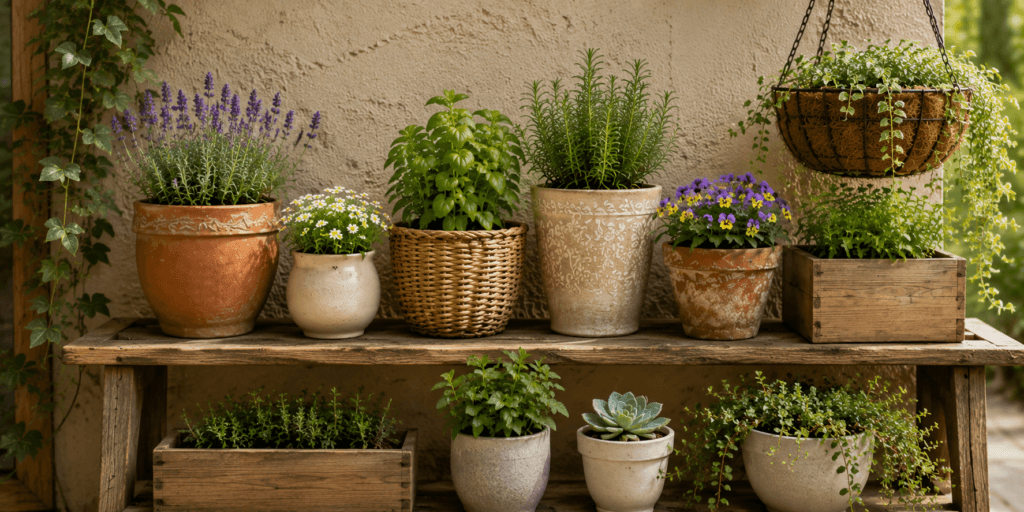
A mixed pot collection can look beautiful when it is done carefully. Instead of using identical pots, you mix different materials, sizes, and textures.
The trick is to keep one element consistent. For example, you can mix terracotta, cream ceramic, and woven baskets because they all feel warm and natural. Or you can mix black, gray, and concrete pots for a modern look.
Avoid mixing too many bright colors, patterns, and materials at once. That can make the space feel chaotic.
A good mixed collection might include:
- One large terracotta pot
- Two small ceramic pots
- One woven basket planter
- One wooden planter box
- One hanging planter
This creates variety while still feeling intentional.
12. Colorful Accent Pots
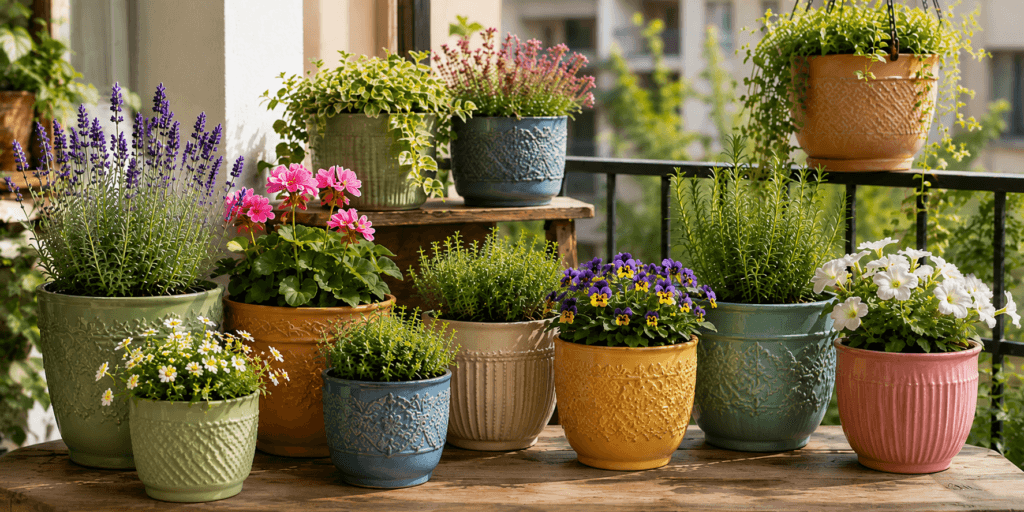
Colorful pots can be beautiful when used with care. They are a good way to add personality to a balcony, patio, windowsill, or garden corner.
Soft colors usually work best for a calm aesthetic. Try sage green, muted blue, dusty rose, cream, olive, terracotta, or warm yellow.
Instead of using many bright colors, choose one or two accent colors and repeat them. For example, sage green pots mixed with terracotta can look natural and fresh. Muted blue pots can look beautiful with white flowers and silver foliage.
Colorful pots are especially good for flowers, herbs, and small decorative plants.
13. Self-Watering Pots
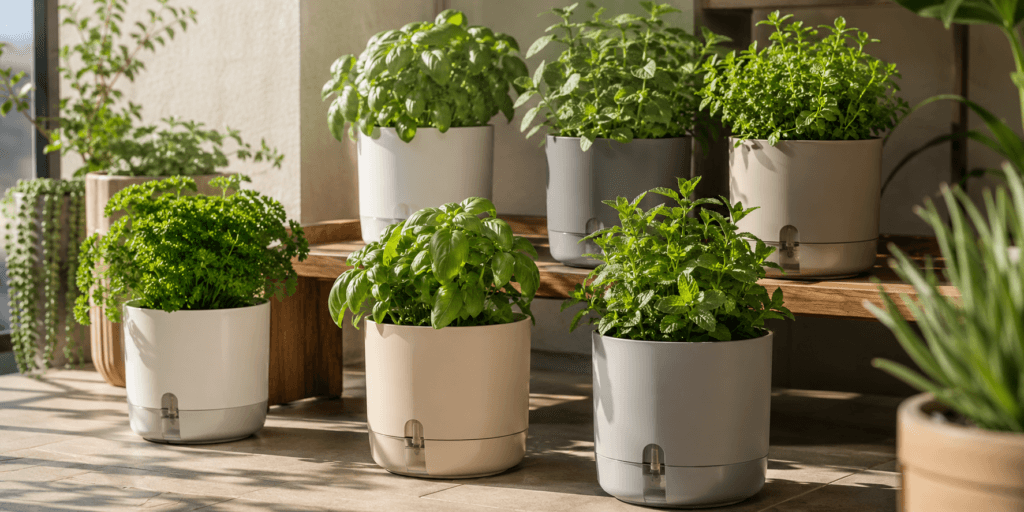
Self-watering pots can be both practical and aesthetic. They are helpful for busy plant owners, balconies that dry out quickly, or indoor plants that need consistent moisture.
Many self-watering pots now come in clean, modern designs. You can find them in white, black, beige, gray, or soft earthy colors.
They work well for herbs like parsley, basil, and mint, as well as many indoor plants. However, they may not be ideal for plants that prefer dry soil, such as rosemary, lavender, thyme, or succulents.
Choose self-watering pots when convenience matters, but still match the style to your space.
14. Raised Planter Pots
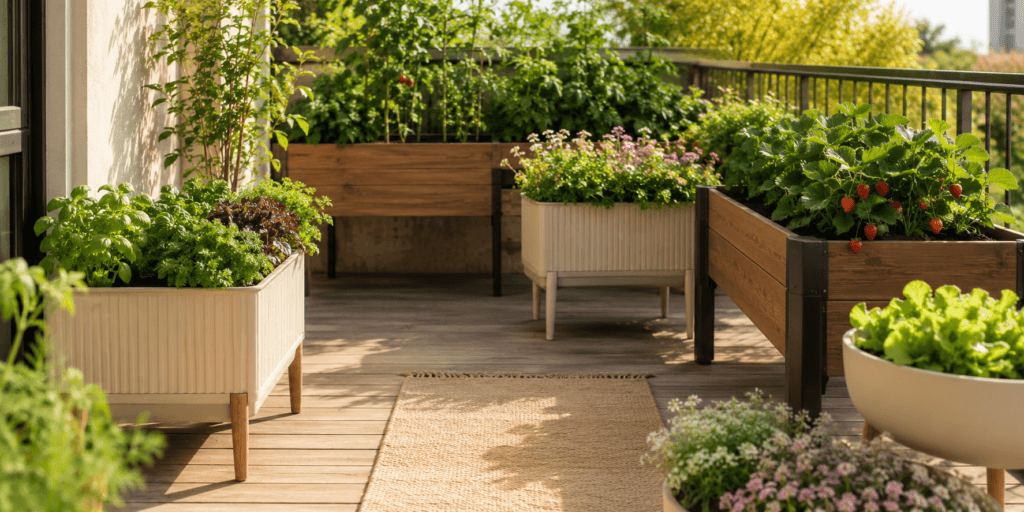
Raised planter pots are great for patios, balconies, herbs, and small vegetable gardens. They lift plants off the ground, which makes them easier to water, harvest, and maintain.
They can also make a small space look more organized. A raised planter filled with herbs or flowers can become a strong focal point on a balcony or patio.
Raised planters work well for:
- Herbs
- Lettuce
- Strawberries
- Flowers
- Small vegetables
- Compact ornamental plants
If you want to grow more than decorative plants, raised planters are a practical next step before learning how to build raised garden beds.
15. Repurposed Containers
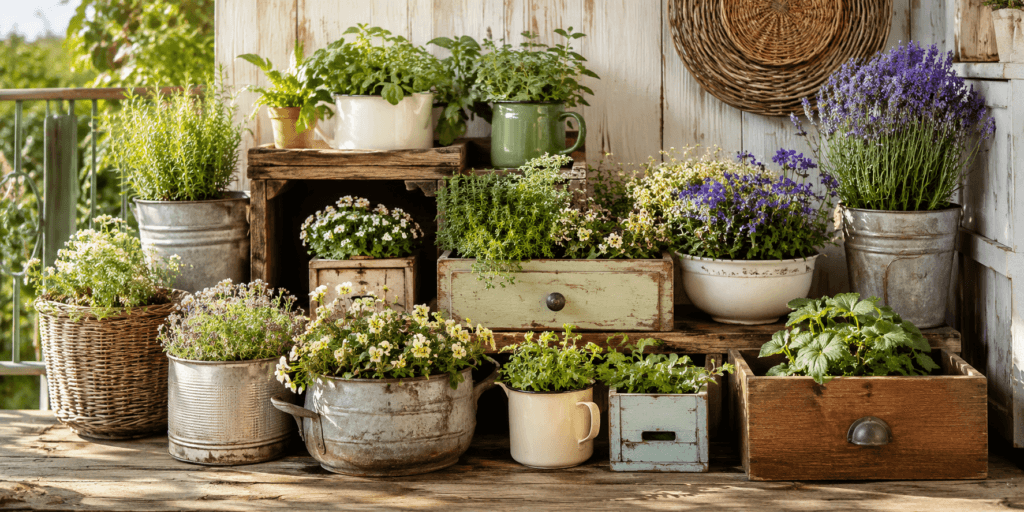
Repurposed containers are one of the most budget-friendly aesthetic plant pot ideas. Old baskets, tins, crates, bowls, buckets, and wooden boxes can become charming planters when used safely.
This style works best for rustic, cottage, farmhouse, and creative garden spaces. It gives your plants a personal look and can save money.
Good repurposed planter ideas include:
- Old wooden crates
- Metal buckets
- Vintage bowls
- Wicker baskets
- Tin cans
- Ceramic mugs
- Old drawers
- Small storage boxes
The most important rule is drainage. If the container does not have drainage holes, use it as an outer cover or add drainage carefully if the material allows it.
Repurposed containers are beautiful because they feel unique. They make your garden look collected, personal, and full of character.
Best Plant Pot Materials: Quick Comparison
| Material | Best For | Style | Notes |
|---|---|---|---|
| Terracotta | Herbs, flowers, outdoor plants | Natural and rustic | Dries quickly |
| Ceramic | Indoor plants | Clean and decorative | Often needs a drainage check |
| Wood | Balconies, patios, herbs | Warm and rustic | May need lining |
| Concrete | Outdoor plants | Modern and durable | Heavy |
| Basket | Indoor plants | Cozy and natural | Use an inner pot |
| Plastic | Budget setups | Simple and lightweight | Easy to move |
| Metal | Decorative accents | Vintage or modern | Can heat up outdoors |
How to Choose the Right Plant Pot
When choosing a plant pot, do not only think about style. The pot needs to support the plant too.
Start with the size. A pot should give the roots enough room without being much too large. A very large pot can hold too much moisture for a small plant, while a tiny pot can dry out too quickly.
Next, check drainage. Most plants need drainage holes. If you love a decorative pot without holes, use it as a cover pot and keep the plant in a plastic nursery pot inside.
Then think about material. Terracotta is great for herbs and plants that like drier soil. Ceramic works well indoors. Baskets are cozy but need protection from water. Concrete is beautiful outdoors but heavy.
Finally, think about your style. Choose a small color palette so your pots feel connected. Warm natural spaces look good with terracotta, wood, cream, and baskets. Modern spaces look good with white, black, gray, and concrete.
Aesthetic Plant Pot Ideas for Small Spaces
Small spaces need smart plant pot choices. You want pots that look beautiful without taking over the whole area.
Good small-space options include:
- Railing planters
- Hanging pots
- Wall-mounted pots
- Narrow plant stands
- Vertical shelves
- Tiered plant displays
- Small terracotta clusters
- Window ledge pots
Balconies, apartments, and small patios can still feel lush if you use height. Instead of spreading pots across the floor, build upward with shelves, wall planters, or hanging baskets.
Growing herbs and plants in containers is also one of the easiest ways to start homesteading in an apartment, especially if you want useful plants that fit into daily life.
Common Mistakes to Avoid
Aesthetic pots are beautiful, but a few common mistakes can make plants harder to care for.
The first mistake is choosing pots without drainage. This can lead to root rot and unhealthy plants. Always check for drainage holes or use a nursery pot inside.
The second mistake is using pots that are too small. Small pots may look cute, but plants can quickly become root-bound or dry out too fast.
Another common mistake is mixing too many colors and styles. A few different pot styles can look beautiful, but too much variety can feel messy.
Also avoid choosing style over plant health. A pot may look perfect, but if it does not suit the plant’s watering needs, it may cause problems later.
Budget-Friendly Plant Pot Styling Tips
You do not need expensive pots to make your plants look beautiful. Often, the simplest ideas are the most stylish.
Try these budget-friendly tips:
- Use simple terracotta pots
- Paint old pots in soft neutral colors
- Place nursery pots inside baskets
- Buy secondhand planters
- Group inexpensive pots together
- Use wooden crates as plant stands
- Add simple plant labels
- Repeat one color palette
- Clean old pots before reusing them
A group of simple pots can look expensive when they are arranged well. Use different heights, place larger pots in the back, and keep your colors calm and consistent.
Learning how to care for potted plants is one of the most easy homesteading skills for beginners because it teaches observation, watering, sunlight, soil, and patience.
FAQ About Aesthetic Plant Pot Ideas
What plant pots look the most aesthetic?
The most aesthetic plant pots are usually simple, natural, and easy to style. Terracotta pots, white ceramic pots, woven baskets, wooden planters, concrete pots, and matte black planters are all beautiful choices.
The best option depends on your style. Terracotta feels rustic, white ceramic feels clean, baskets feel cozy, and concrete feels modern.
What color plant pots look best?
Neutral colors are usually the easiest to style. White, cream, beige, terracotta, sage green, black, gray, and soft brown all work well with plants.
For a calm look, choose two or three colors and repeat them throughout the space.
Do plant pots need drainage holes?
Yes, most plant pots should have drainage holes. Drainage helps prevent soggy soil and root rot.
If you love a decorative pot without holes, use it as a cover pot. Keep the plant in a nursery pot with drainage inside the decorative container.
How do I make cheap plant pots look expensive?
Use a simple color palette, group pots in odd numbers, add height variation, clean old pots, and use natural materials like terracotta, wood, baskets, and stone.
Even inexpensive pots can look beautiful when they are arranged with care.
Should plant pots match?
Plant pots do not have to match exactly, but they should feel connected. You can match by color, material, shape, or style.
For example, a mix of terracotta, cream ceramic, and woven baskets can look beautiful because all the materials feel warm and natural.
Conclusion
Aesthetic plant pot ideas are not only about decorating. They help your plants feel intentional, organized, and connected to the rest of your home or garden. The right pot can make a simple herb, flower, or houseplant look beautiful.
Start with the style that fits your space. Terracotta pots are warm and timeless. Ceramic pots feel clean and bright. Basket planters add softness. Wooden boxes feel rustic. Concrete pots bring a modern touch. Repurposed containers add charm and personality.
The best plant pot is both beautiful and practical. Choose the right size, check for drainage, match the pot to the plant’s needs, and keep your color palette simple.
You do not need to buy expensive planters to create a lovely plant display. With a few thoughtful choices, even basic pots can make your windowsill, balcony, patio, or garden corner feel fresh, cozy, and full of life.
Want more beginner-friendly gardening, small-space homesteading, and simple home garden ideas? Subscribe to the Dreamsteading newsletter and get practical inspiration sent straight to your inbox.