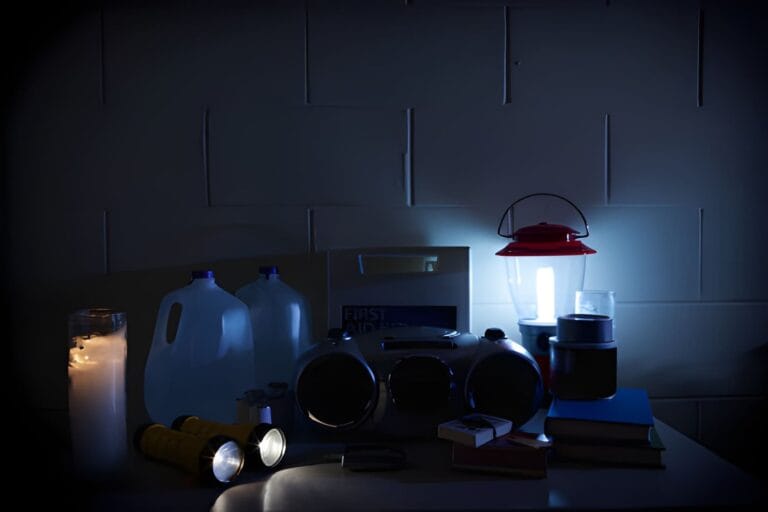
Homestead Emergency Kit for Storms: What to Pack When Power Goes Out
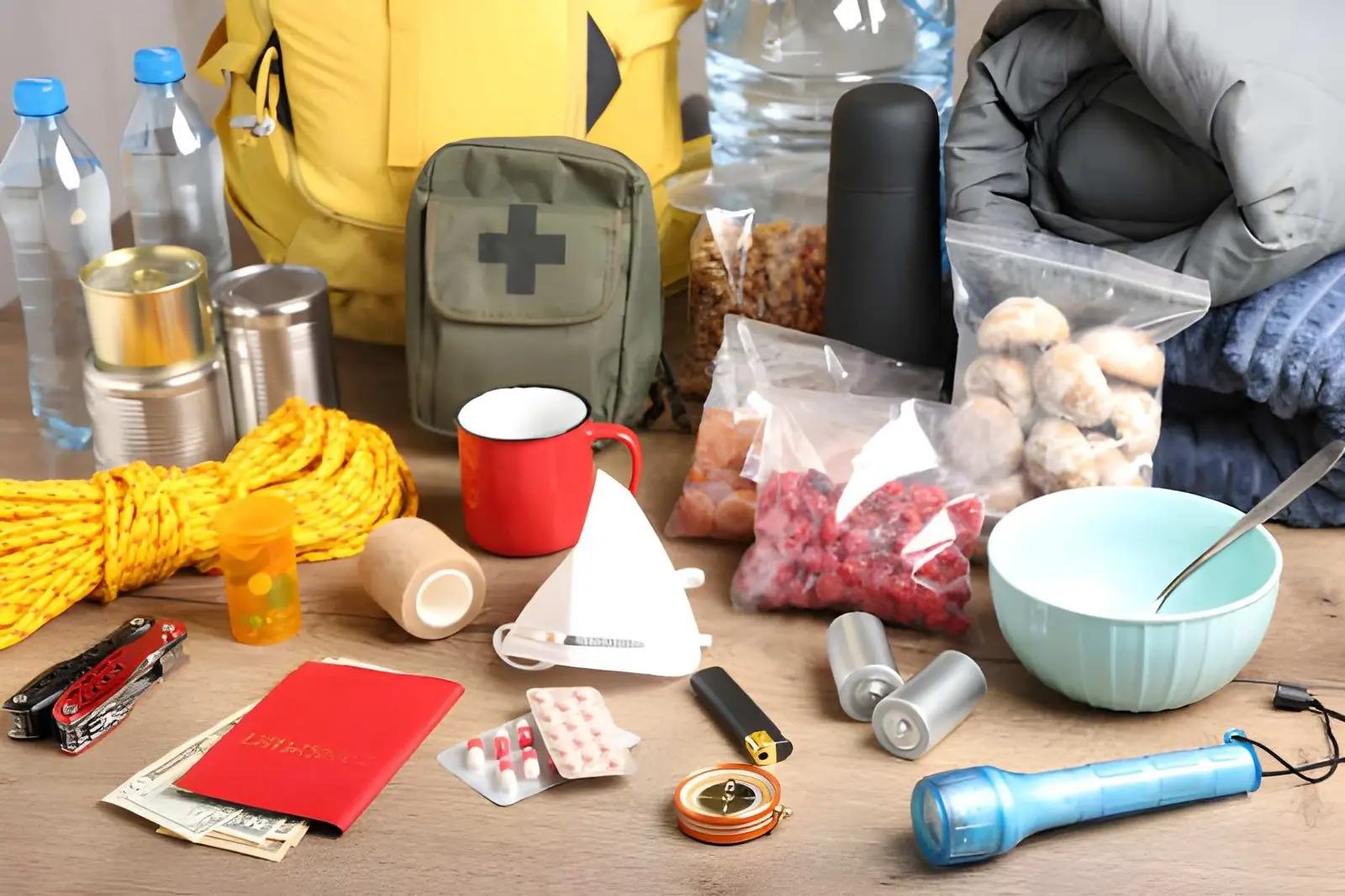
A homestead emergency kit should help your household remain safe when a severe storm cuts electricity, disrupts water, interrupts communication, and leaves roads temporarily blocked by snow, flooding, fallen trees, or debris. A standard grab-and-go bag is still important, but an isolated homestead also needs shelter-in-place supplies for food, water, sanitation, animals, warmth, and essential equipment. Build the kit before storm season, adapt it to your climate and household, and keep evacuation supplies ready in case officials tell you to leave or the home becomes unsafe.
In Short
Pack drinking water, shelf-stable food, a manual can opener, safe lighting, batteries, radios, charging equipment, medications, first aid, hygiene supplies, weather protection, animal feed, essential tools, important documents, and evacuation bags. Ready.gov recommends supplies for several days; households vulnerable to prolonged isolation should consider a larger rotating reserve when storage, medical needs, and local guidance allow. Never remain at home when authorities order evacuation or conditions become unsafe.
Key Takeaways
- Prepare for several simultaneous failures: electricity, water, heat, refrigeration, communication, road access, and deliveries.
- Store at least the government-recommended baseline of one gallon of water per person per day for several days, then add more for animals, cooking, hygiene, and longer local disruptions when feasible.
- Use flashlights and battery lanterns instead of candles whenever possible, and operate generators outdoors at least 20 feet from doors, windows, and vents.
- Keep refrigerator and freezer doors closed; refrigerated perishables generally become unsafe after four hours without power unless kept at 40°F or below.
- Maintain both shelter-in-place supplies and evacuation bags because a safe home can become unsafe during flooding, wildfire, structural damage, or extreme temperatures.
Plan for the Failures a Storm Can Cause
A storm emergency is rarely limited to the weather itself. High winds can damage power lines. Flooding or snow can close roads. A well pump may stop when electricity fails. Mobile service can become congested or unavailable. Deliveries may be delayed, and emergency crews may need time to reach rural properties.
Begin by identifying which household systems depend on electricity. The list may include a well pump, refrigerator, freezer, furnace controls, sump pump, septic alarm, medical equipment, internet router, security system, livestock waterers, electric fencing, barn ventilation, and garage-door opener.
Next, identify your local hazards. A hurricane-prone homestead needs a different plan from a mountain property exposed to snow, wildfire, or landslides. Use information from your local emergency-management office, utility company, fire department, road authority, and National Weather Service forecast office.
The goal is not to predict every possible disaster. It is to identify essential needs that become difficult to meet when you cannot drive to town or use normal household systems.
Benefits
- A prepared kit reduces last-minute travel when roads and stores may already be unsafe.
- Rotating ordinary food and household supplies keeps the system practical.
- Written plans help family members manage animals, equipment, and communication consistently.
- Layered lighting, power, water, and communication options reduce reliance on one device.
Considerations
- Water, animal feed, batteries, and fuel require substantial storage and regular inspection.
- Backup equipment can create fire, electrical, or carbon-monoxide hazards when used incorrectly.
- No supply kit makes an unsafe structure suitable for sheltering.
- Medical, mobility, climate, and livestock needs may require professional or local planning.
How Many Days Should Your Kit Cover?
Ready.gov advises keeping enough food, water, and other supplies for several days. That is an important minimum, but a rural household may want a larger rotating reserve if local storms have previously caused longer outages or delayed road access.
A practical approach is to build the kit in layers:
- Immediate layer: Flashlights, radio, medications, first aid, weather clothing, phone chargers, and evacuation documents.
- Several-day layer: Government-recommended food, water, sanitation supplies, batteries, and household essentials.
- Extended-isolation layer: Additional rotating food, water capacity, animal supplies, safe backup power, and climate-specific equipment based on local risk.
Do not set a larger target that you cannot store safely or maintain. Ten years of neglected supplies is less useful than a well-organized several-day kit that is checked twice a year. Increase capacity gradually after the basic kit is complete.
Emergency Water for People and Animals
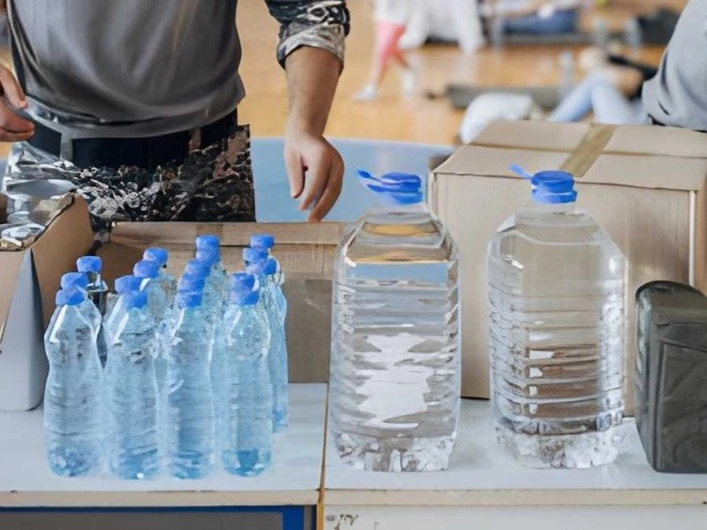
Ready.gov uses one gallon of water per person per day as its general emergency baseline for drinking and sanitation. Store enough for several days, then consider additional capacity for hot weather, pregnancy, illness, disability, cooking, hygiene, pets, and the longer isolation risks associated with your location.
A household using a private well should assume that normal water service may stop when power fails unless the well has a properly designed backup system. Fill approved emergency water storage containers before a forecast storm and keep factory-sealed bottled water or properly maintained stored water available year-round.
Store water in a cool area away from pesticides, gasoline, solvents, animal feed, and flood risk. Label containers clearly and follow the container manufacturer’s cleaning and replacement instructions. Do not use containers that previously held chemicals, milk, juice, or other substances that are difficult to remove completely.
Calculate animal requirements separately. A large dog, flock of chickens, goats, or other livestock can consume significant water, and needs rise in heat. Ask your veterinarian or Extension service for species-appropriate planning guidance rather than using the human baseline.
Follow local drinking-water advisories
Storms and power failures can affect wells and public treatment systems. If officials issue a boil-water or do-not-use notice, follow their exact instructions. Boiling does not remove every chemical contaminant, so do not assume it makes floodwater or chemically contaminated water safe.
Shelf-Stable Food That Works Without Normal Power
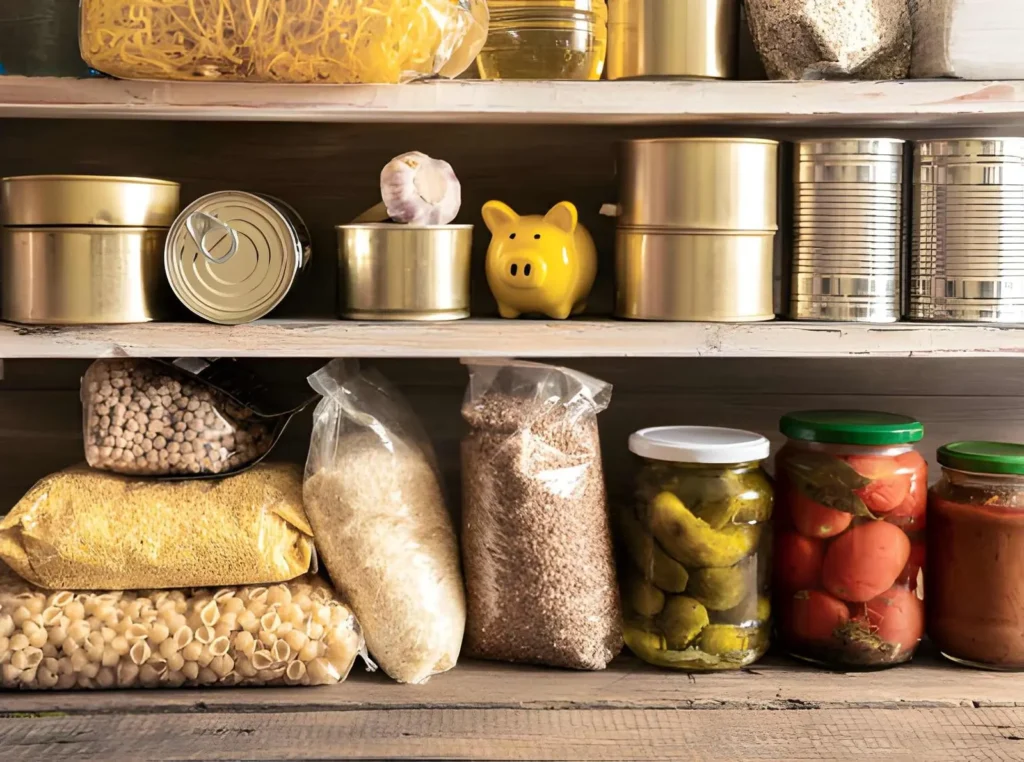
Emergency food should be familiar, easy to prepare, and usable without relying on an electric stove. Keep a rotating supply of foods your household already eats, including options that require no cooking.
- Canned beans, vegetables, fruit, fish, meat, and ready-to-eat meals
- Nut or seed butters appropriate for household allergies
- Crackers, tortillas, cereal, oats, and shelf-stable bread products
- Dried fruit, nuts, seeds, granola, and snack foods
- Shelf-stable milk or alternatives used by the household
- Infant, medical, allergy-safe, or texture-modified foods where needed
- Pet food and any species-specific animal supplements
Include a durable manual can opener, disposable or washable eating utensils, paper towels, trash bags, and a safe way to clean dishes. Avoid building the entire food plan around dehydrated products if clean water and cooking energy may be limited.
Label foods with purchase dates and rotate them into regular meals. Inspect cans for leaks, swelling, severe rust, or deep dents. Protect food from rodents, insects, moisture, chemicals, and floodwater.
The beginner food-preservation guide explains which methods create shelf-stable, refrigerated, frozen, or dried foods. If you use dried foods in your kit, the dehydrating food guide covers preparation, drying, conditioning, and storage principles.
Refrigerator and Freezer Safety During an Outage
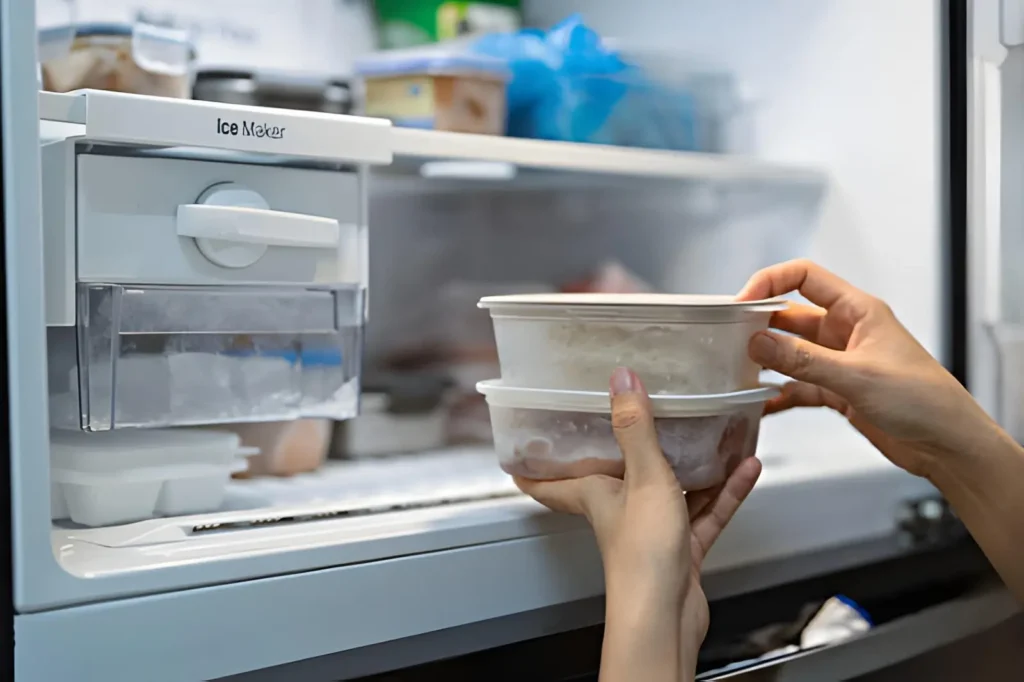
Keep refrigerator and freezer doors closed as much as possible. According to the CDC, an unopened refrigerator generally keeps food safe for up to four hours. A full unopened freezer can maintain a safe temperature for about 48 hours, while a half-full freezer may do so for about 24 hours.
Keep an appliance thermometer in both the refrigerator and freezer before an emergency. The refrigerator should remain at 40°F (4°C) or below, and the freezer should remain at 0°F (-18°C) or below during normal operation.
After four hours without power, discard refrigerated perishables such as meat, poultry, fish, eggs, milk, and leftovers unless they have been kept at 40°F or below using a reliable cold source. Never taste food to determine whether it is safe.
Frozen food may be safely refrozen or cooked if it still contains ice crystals or remains as cold as refrigerated food. Discard food exposed to floodwater or stormwater. When uncertain, throw it out.
For a complete outage plan, use the guide on how to prepare for a power outage before severe weather arrives.
Safe Lighting and Small-Device Power
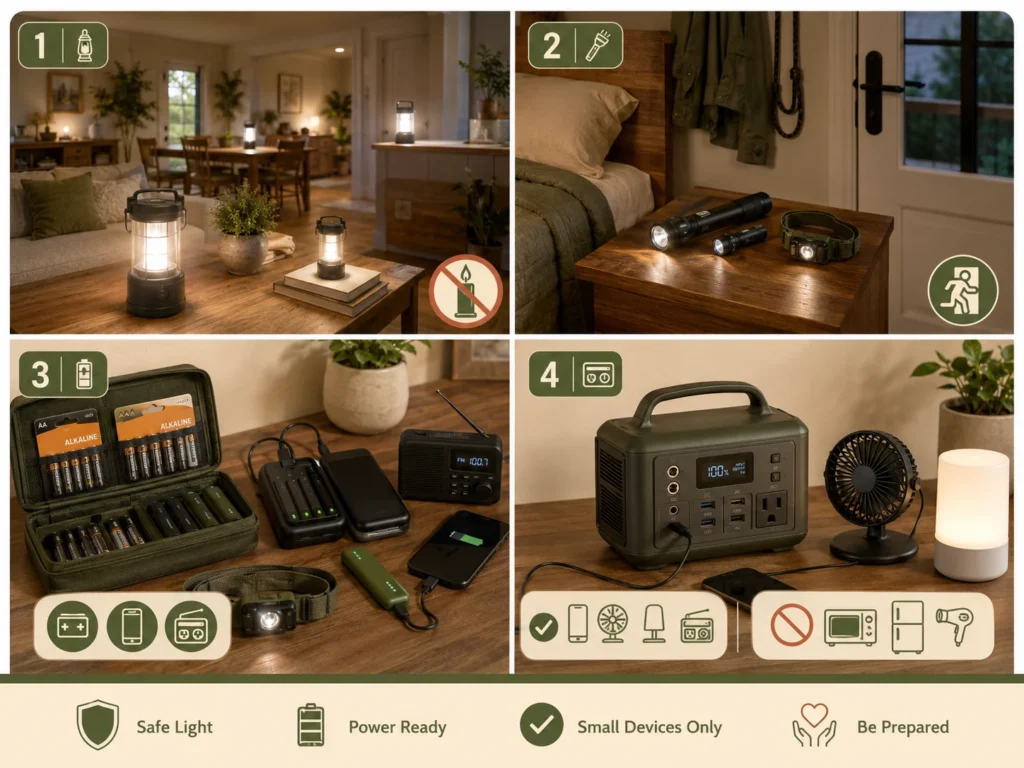
Store more than one source of safe light. Place LED battery lanterns in central living areas and flashlights near beds, exits, the electrical panel, animal-care supplies, and first-aid equipment. Headlamps are particularly useful when you need both hands for repairs or animal care.
Keep compatible batteries in their original packaging or a protective organizer. Do not store loose batteries where terminals can contact metal. Check rechargeable batteries and lights several times a year.
Charged power banks can support phones, small radios, and other low-power devices. A properly sized portable power station may support selected electronics, but its advertised capacity does not guarantee that it can operate a well pump, freezer, heater, or medical device. Verify starting loads, continuous wattage, battery capacity, runtime, charging method, temperature limits, and manufacturer instructions.
Use flashlights and battery lighting instead of candles whenever possible. Open flames increase fire risk during an emergency, particularly when people are tired, rooms are crowded, or normal water service is unavailable.
Generator and Carbon-Monoxide Safety
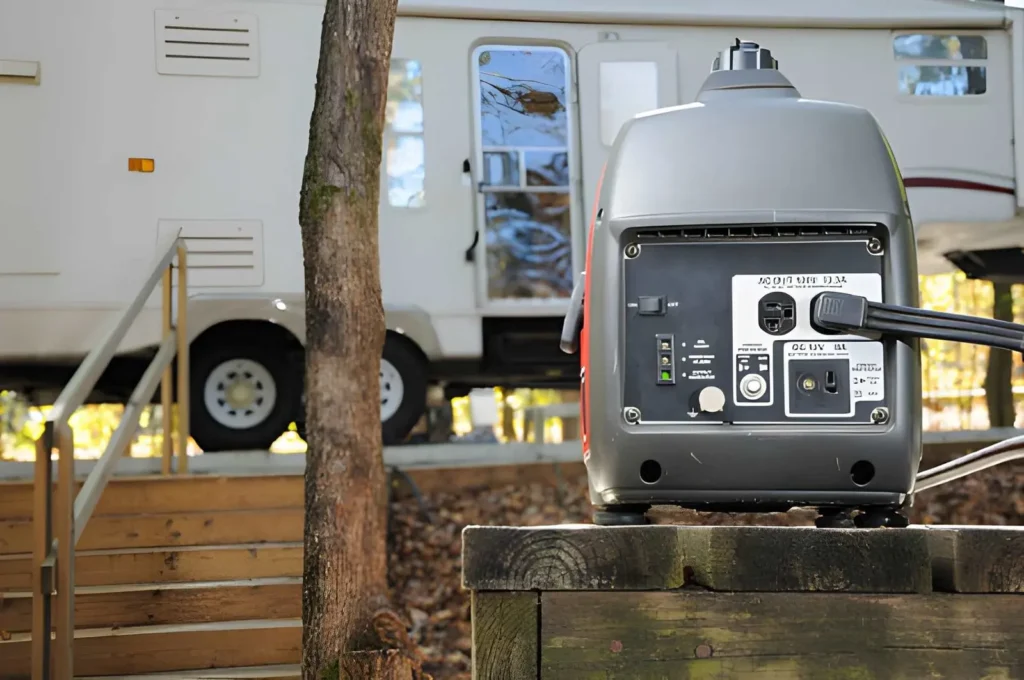
A portable generator can support selected equipment, but it also creates serious carbon-monoxide, electrical, fuel, and fire hazards. The CDC instructs households to operate generators outdoors at least 20 feet from doors, windows, and vents. Never run a generator in a home, basement, garage, carport, barn, enclosed porch, or partially enclosed space.
Install a battery-powered carbon-monoxide alarm in the home according to local requirements and manufacturer instructions. Never use a charcoal grill, camp stove, gas oven, or vehicle engine to heat an indoor space.
Use only generator-compatible, heavy-duty outdoor extension cords that are properly rated for the intended load and environment. Keep generators and connections dry without placing the generator inside an enclosed shelter. Never connect a portable generator directly to household wiring unless a qualified electrician has installed an approved transfer system.
Store fuel in approved containers, in a legally compliant location away from living areas and ignition sources. Fuel storage limits, stabilizer use, rotation, and disposal requirements vary, so follow local fire codes and the generator manufacturer’s instructions.
Carbon monoxide can kill without warning
Carbon monoxide is colorless and odorless. Symptoms can include headache, dizziness, weakness, nausea, chest pain, and confusion. If an alarm sounds or anyone may have been exposed, move to fresh air and contact emergency services immediately.
Communication and Weather Information
Do not rely on a single phone or internet connection. Keep phones charged, enable official emergency alerts, and write important contact numbers on paper. Include utility numbers, local emergency management, neighbors, veterinarian, medical providers, insurance, road authorities, and an out-of-area contact.
A battery-powered or hand-crank NOAA Weather Radio with SAME alerts can provide official watches, warnings, forecasts, and other emergency information when internet service is unavailable. Program the receiver for your area and test it according to its instructions before storm season.
Establish communication check-in times with nearby family or neighbors. If messages are delayed, text messages may sometimes succeed when calls do not, but no method is guaranteed. Agree in advance on what a missed check-in means and who should contact local authorities.
Keep a paper map of your area and mark more than one evacuation direction. A familiar road may be blocked by floodwater, snow, fallen trees, or emergency closures. Never drive through floodwater or move barriers placed by authorities.
Medical, First-Aid, and Accessibility Supplies

Emergency medical planning must reflect the people in the household. Include first-aid supplies, current medication lists, allergy information, health-insurance information, emergency contacts, spare glasses, hearing-device batteries, mobility supplies, and other essentials.
Discuss emergency medication supplies and powered medical equipment with the prescribing clinician, pharmacy, equipment provider, utility, and local emergency-management office. Do not change medication storage or dosage based on a general emergency checklist.
Keep a well-organized first-aid kit and learn how to use its contents through recognized training. A kit does not replace professional care. Roads being closed is a reason to plan early, not a reason to attempt medical treatment beyond your training.
If anyone relies on refrigeration for medication, develop a specific temperature-control and evacuation plan with the healthcare provider. Do not store medication directly against ice unless its instructions allow it.
Warmth, Cooling, Shelter, and Clothing
Pack layers appropriate to the season: base layers, warm socks, hats, gloves, rain protection, sturdy footwear, blankets, and sleeping bags rated for expected conditions. Include dry clothing in waterproof bags.
Close unused rooms and cover drafts only when doing so does not interfere with ventilation or fuel-burning appliance safety. Follow manufacturer instructions for fireplaces and permanently installed heaters. Never use an oven or outdoor cooking device to heat the home.
Extreme heat can also make a home unsafe. Battery fans, drinking water, shade, lightweight clothing, and awareness of cooling centers can help, but they may not be enough for older adults, infants, people with certain medical conditions, or anyone experiencing heat illness.
Plan where you will go if the home becomes dangerously cold, hot, flooded, structurally damaged, or inaccessible to emergency care. Supplies support safe sheltering; they do not make every condition safe.
Sanitation When Water or Septic Systems Fail
Include soap, hand sanitizer, toilet paper, feminine hygiene products, diapers, wipes, trash bags, disinfecting products, and any personal-care items your household needs. Store cleaning chemicals separately from food and follow their labels.
If your septic system, sewer, or well depends on electricity, learn what the installer or local authority recommends during an outage. Limit water use as instructed. Do not continue flushing or draining water if doing so could cause a sewage backup.
A temporary toilet system requires safe handling, secure waste containment, and a legal disposal plan. Local public-health instructions take priority, especially after flooding or sewer failure. Keep waste away from drinking water, food, children, animals, wells, and surface water.
Supplies for Pets, Poultry, and Livestock
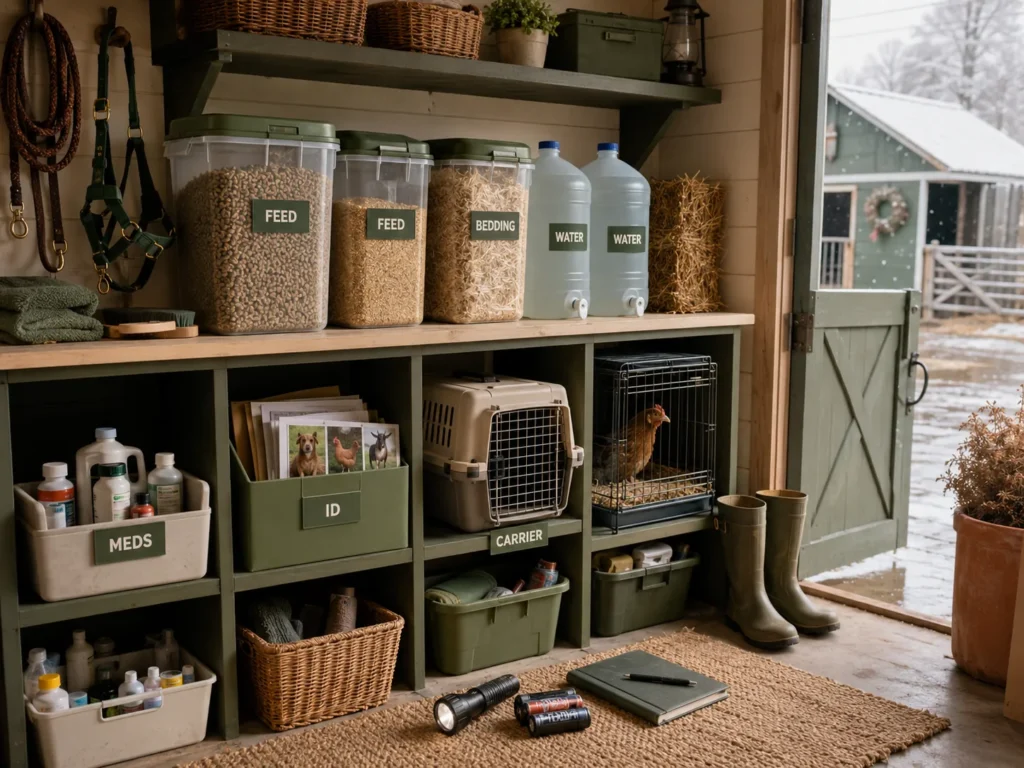
Animal planning is part of the emergency kit, not an afterthought. Store a rotating supply of appropriate feed, water, medications, bedding, sanitation materials, identification records, carriers, leads, and species-specific equipment.
Write down feeding amounts, medication instructions, veterinarian contacts, and the location of shutoffs and equipment so another responsible adult can provide care. Keep recent photographs and identification information available.
Plan for failed electric fencing, frozen water systems, blocked barn access, lost ventilation, and the possibility of evacuation. Do not operate unvented combustion heaters in animal buildings. Work with a veterinarian, Extension professional, fire department, or local emergency planner when livestock evacuation or barn backup power is complicated.
Animal feed must remain dry and protected from pests, floodwater, fuels, and chemicals. Rotate it before quality deteriorates rather than keeping an unmanaged long-term stockpile.
Tools for Debris, Shutoffs, and Blocked Access
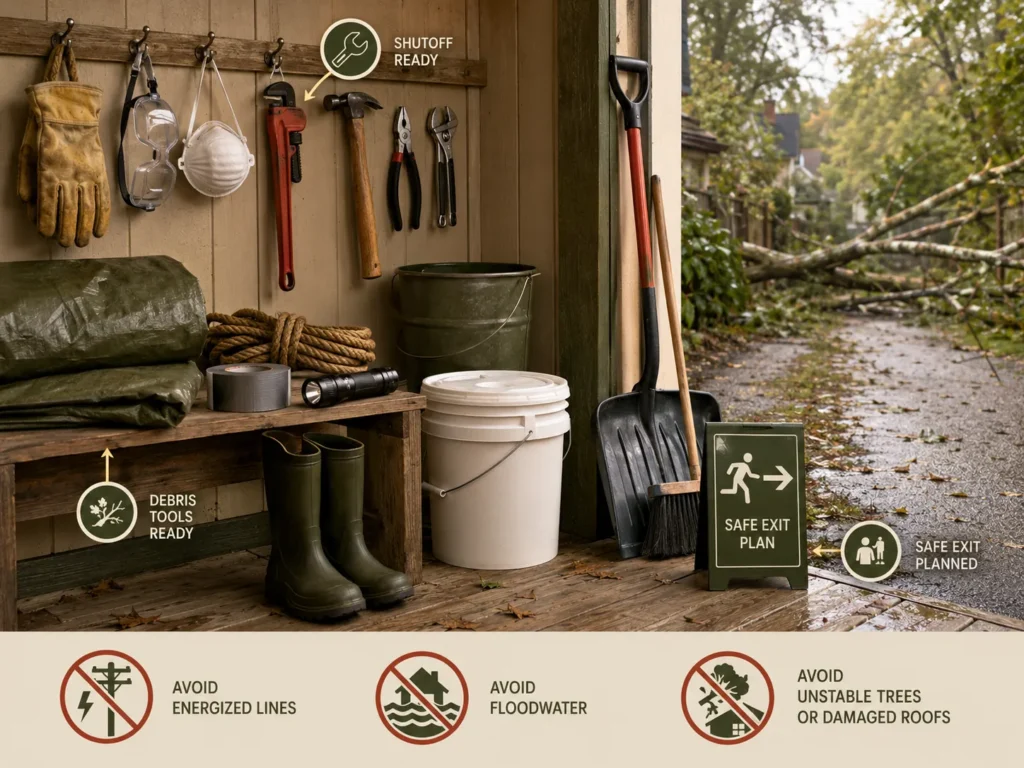
Keep work gloves, eye protection, sturdy boots, dust masks, a utility shutoff tool where appropriate, basic hand tools, tarps, rope, duct tape, buckets, and snow or rain equipment suited to your climate.
Do not attempt dangerous tree removal, work near downed power lines, enter floodwater, climb damaged roofs, or clear public roads without authorization. A fallen tree under tension can move unpredictably, and branches touching power lines may be energized.
Know how to open an electric garage door manually only if the door and structure are undamaged and the manufacturer’s instructions permit it. Park vehicles facing the safest exit when a storm is forecast, keep fuel above your household’s planned minimum, and never run a vehicle in a garage.
Documents, Cash, and Household Information
Keep waterproof copies of identification, insurance information, property records, medication lists, animal records, emergency contacts, account contact numbers, and evacuation plans. Protect sensitive information from theft and update it regularly.
Include a modest amount of cash in suitable denominations because card terminals and ATMs may not work during an outage. The amount depends on your household and security considerations; it should not be advertised or stored carelessly.
Photograph important property and equipment before storm season for insurance documentation. Store secure digital backups separately from the home where practical.
Keep Evacuation Bags Ready
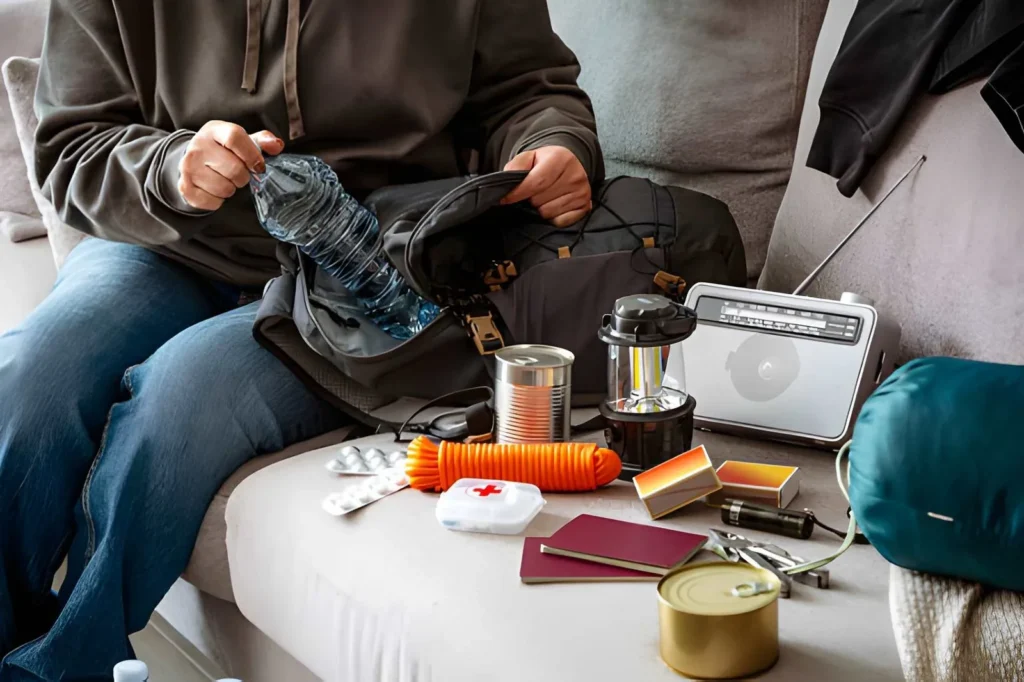
A shelter-in-place kit can become a trap if it encourages you to remain in an unsafe home. Maintain separate evacuation bags that can be loaded quickly.
- Water and portable food
- Medications and medical information
- Identification and essential documents
- Phone chargers and power banks
- Flashlights and radio
- Weather-appropriate clothing and footwear
- Personal hygiene and infant supplies
- Pet carriers, leads, food, water, and records
- Paper maps and destination information
Identify multiple destinations and routes. Tell an out-of-area contact where you intend to go. Evacuate promptly when authorities instruct you to leave, before road conditions worsen.
Complete Homestead Storm-Kit Checklist
| Category | Essential supplies | Important check |
|---|---|---|
| Water | Drinking water, approved containers, animal water | Stored safely and rotated |
| Food | Shelf-stable meals, special diets, manual can opener | Familiar foods requiring little water or cooking |
| Lighting | Lanterns, flashlights, headlamps, batteries | Tested and distributed near essential areas |
| Communication | Weather radio, charged phones, power banks, contact list | Radio programmed and paper contacts current |
| Medical | First aid, medication plan, glasses, accessibility supplies | Storage and backup plan verified |
| Sanitation | Soap, hygiene items, trash bags, toilet supplies | Legal waste-disposal plan available |
| Warmth and cooling | Layers, blankets, sleeping bags, battery fans | Evacuation threshold established |
| Animals | Feed, water, medications, bedding, carriers, records | Backup care and evacuation plans written |
| Tools | Gloves, eye protection, boots, tarps, basic hand tools | Unsafe debris and electrical work excluded |
| Documents | Identification, insurance, contacts, maps, cash | Protected and updated |
Store and Maintain the Kit
Divide supplies by purpose instead of keeping everything in one container. Store immediate-use items where they are accessible in darkness. Keep heavy water containers low on sturdy shelving, but above areas vulnerable to flooding.
Review the kit at least twice a year and before the storm season most relevant to your area. Check food, water, medication plans, batteries, radios, power banks, lanterns, fire extinguishers, carbon-monoxide alarms, animal supplies, clothing sizes, fuel arrangements, and documents.
Run permitted backup equipment according to its maintenance schedule. A generator that has never been safely tested or a radio that has not been programmed is not a dependable emergency system.
Preparedness works best as one of several essential homesteading skills: planning, maintaining supplies, protecting food, caring for animals, and recognizing when professional help or evacuation is necessary.
Common Emergency-Kit Mistakes
Packing Supplies Without a Plan
A box of equipment does not explain who checks animals, starts permitted backup systems, contacts neighbors, or decides to evacuate. Pair supplies with written responsibilities.
Depending on One Power Source
A generator can fail, fuel can run out, and solar charging can be limited by weather. Keep non-electric food, lighting, communication, and warmth options.
Storing Food but Too Little Water
Some foods require water for preparation, and animals can rapidly increase total demand. Calculate water before expanding the food reserve.
Using Outdoor Equipment Indoors
Generators, grills, camp stoves, and charcoal devices create deadly carbon monoxide. Operate them only in permitted outdoor conditions and follow official clearance guidance.
Refusing to Evacuate Because Supplies Are Available
No kit makes a flooded, burning, structurally damaged, or dangerously hot or cold building safe. Leave immediately when ordered or when conditions exceed your safe plan.
Frequently Asked Questions
How much water should a homestead emergency kit contain?
Ready.gov recommends at least one gallon per person per day for several days. Store additional water for animals, cooking, hygiene, hot weather, medical needs, and longer local isolation when feasible.
How much emergency food should be stored?
Begin with enough familiar, shelf-stable food for several days. Rural households vulnerable to longer isolation can gradually build a larger rotating reserve based on storage conditions, household needs, local risk, and the water or fuel required for preparation.
Can a generator be used in a barn or open garage?
No. The CDC says portable generators should operate outdoors at least 20 feet from doors, windows, and vents. Garages, barns, carports, porches, and partially enclosed spaces can allow deadly carbon monoxide to accumulate.
How long is refrigerated food safe during a power outage?
An unopened refrigerator generally keeps food safe for up to four hours. A full unopened freezer may maintain temperature for about 48 hours and a half-full freezer for about 24 hours. Temperature, door opening, and starting conditions matter.
Should candles be included in a power-outage kit?
Battery-powered flashlights, headlamps, and lanterns are safer choices. Candles create a fire risk, especially when people are tired or normal water service is unavailable.
What if roads are still blocked when supplies run low?
Contact local emergency management through available official channels before the situation becomes critical. Do not cross floodwater, downed power lines, barriers, or unsafe debris. This is why rural plans should include neighbors, multiple communication methods, rotating reserves, and evacuation thresholds.
Where should emergency supplies be stored?
Use a dry, accessible location protected from heat, chemicals, pests, and flooding. Keep immediate-use lights, radios, medications, and evacuation bags easy to reach, and distribute some supplies so one damaged area does not contain everything.
Final Thoughts
A strong homestead emergency kit prepares for more than darkness. It supports drinking water, safe food, communication, medical needs, sanitation, animals, temperature control, and evacuation when roads and utilities are disrupted.
Build the kit in manageable layers, rotate normal household supplies, and practice the plan before storm season. Your most useful next step is to complete the detailed guide on preparing for a power outage and identify every essential system on your property that stops when electricity fails.
Sources and Further Reading
- Ready.gov — Build a Kit — federal guidance for emergency water, food, communication, medical, sanitation, and household supplies.
- Ready.gov — Power Outages — preparation guidance for alternative power, communication, food, and household needs during outages.
- Centers for Disease Control and Prevention — Power-Outage Safety — generator placement, carbon-monoxide prevention, food safety, water, and temperature guidance.
- Centers for Disease Control and Prevention — Discarding Food After an Outage — refrigerator and freezer safety time limits.
- National Weather Service — NOAA Weather Radio All Hazards — official weather-warning and emergency-broadcast information.
- Centers for Disease Control and Prevention — Returning Home After a Disaster — carbon-monoxide, food, water, and post-storm safety guidance.