
How to Prepare for a Power Outage: 15 Essential Steps To Be Ready
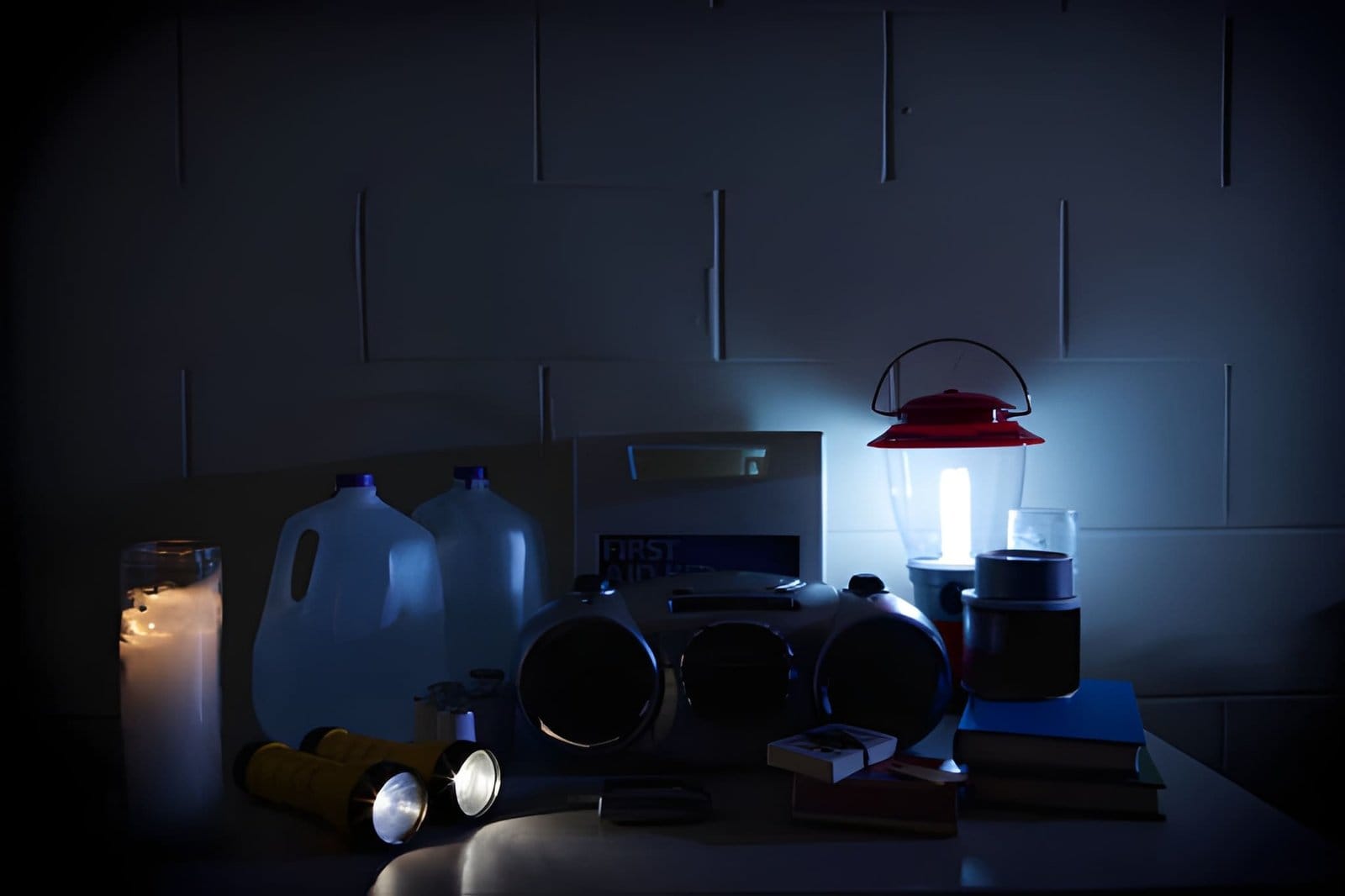
How to prepare for a power outage is one of the most practical home skills you can learn, especially if you want a calmer, more self-sufficient household. A power outage can happen during storms, heat waves, winter weather, grid problems, or simple local repairs, and even a short outage can feel stressful if you are not ready.
The good news is that power outage preparedness does not have to be extreme.
You do not need a bunker, panic buying, or a garage full of supplies. You need a simple plan, a few reliable tools, safe food and water habits, and a home routine that still works when the lights go out.
When I think about power outage preparation, I focus on five basic needs: light, water, food, communication, and safety.
If those are covered, the whole situation feels much more manageable.
This beginner-friendly power outage checklist will help you prepare your home step by step so you can handle an outage with more confidence and less scrambling.
Affiliate Disclosure
This article may contain affiliate product recommendations. If you choose to purchase through those recommendations, I may earn a small commission at no extra cost to you. I only recommend practical preparedness supplies that fit a beginner-friendly home and homesteading lifestyle.
Table of Contents
Why Power Outage Preparation Matters
A power outage affects more than the lights.
It can affect your refrigerator, freezer, stove, heating, cooling, internet, phone charging, medical devices, security system, well pump, and daily routine.
For a beginner homesteader, preparing for a power outage is one of the most useful steps toward a more resilient home. It connects directly with Off-Grid Living for Beginners because it teaches you to think beyond convenience and plan for basic needs.
You do not need to live fully off-grid to benefit from this mindset.
Even a small apartment, suburban home, or beginner homestead can be better prepared with simple supplies and a written plan.
The goal is not fear.
The goal is calm.
Power Outage Quick Checklist
Before we get into the details, here is a simple power outage checklist:
- Flashlights and lanterns
- Extra batteries
- Phone charging plan
- Drinking water
- Easy no-cook food
- Manual can opener
- Cooler and ice packs
- First aid supplies
- Battery-powered radio
- Medication plan
- Pet or livestock plan
- Carbon monoxide detector
- Safe generator plan
- Warm blankets or cooling options
- Printed emergency contacts
A printable power outage checklist can be helpful if you want to keep everything organized in one place and review your supplies once or twice a year.
15 Essential Steps to Prepare for a Power Outage
1. Build a Simple Power Outage Kit
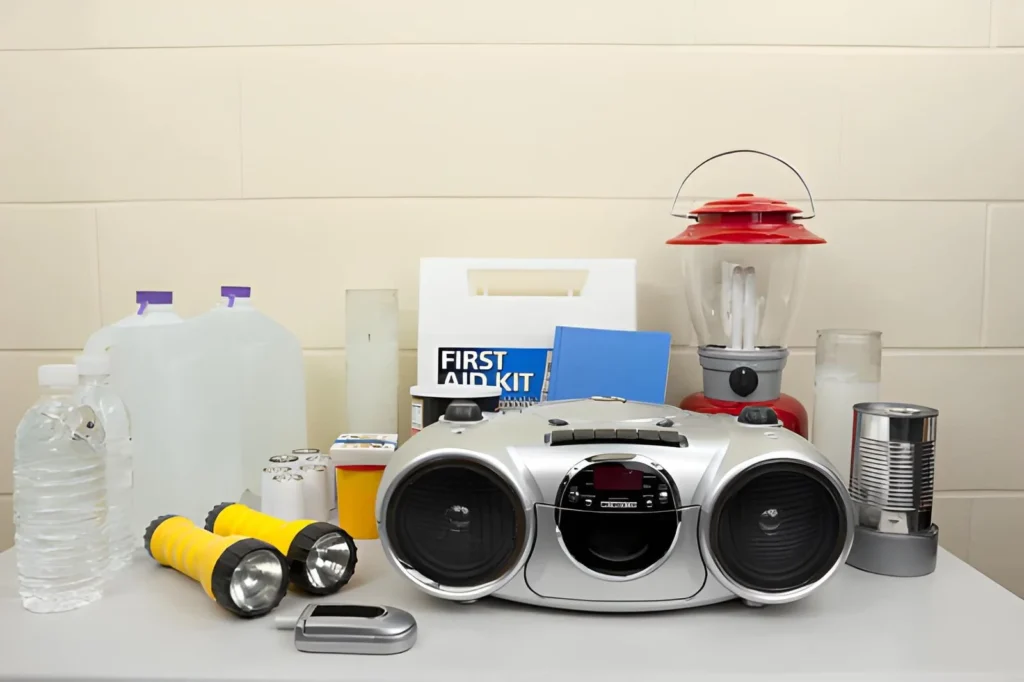
Start with a basic kit that is easy to find in the dark.
Keep it in one clear bin, basket, or cabinet where everyone in the home knows where to find it.
Your kit should include:
- Flashlights
- Lanterns
- Extra batteries
- Battery radio
- First aid supplies
- Manual can opener
- Phone power bank
- Matches or lighter
- Emergency contacts
- Basic hygiene items
- Simple snacks
I like using a small cleaning caddy or storage bin style container because it keeps everything together and easy to carry from room to room.
Do not hide your emergency kit in the back of a closet. If the lights go out at night, you want to find it quickly.
2. Prepare Safe Lighting
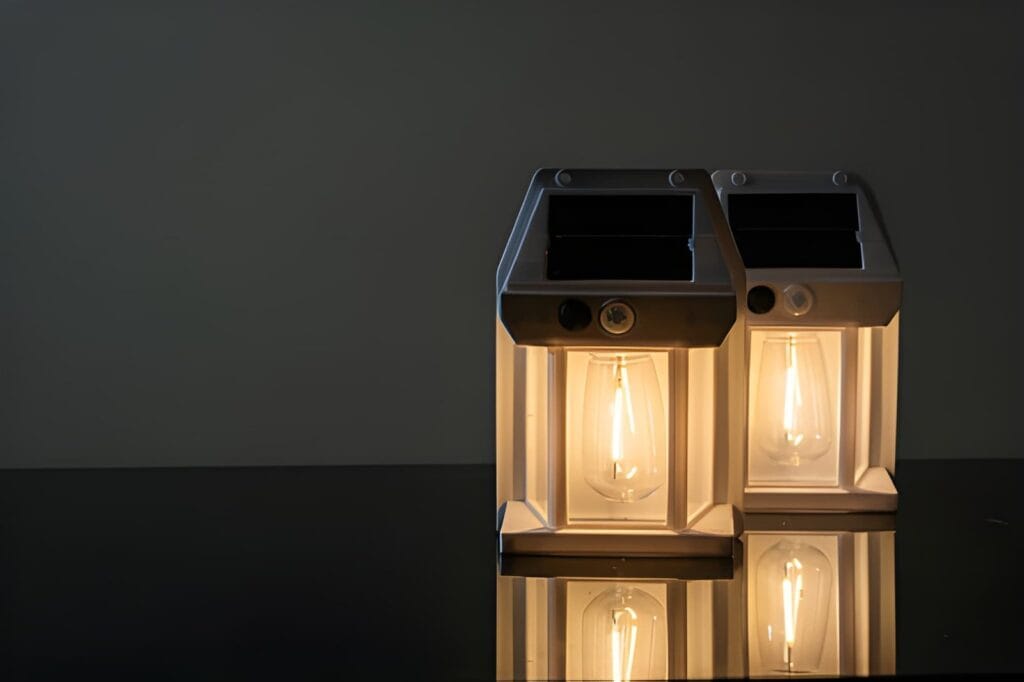
Candles may feel cozy, but they are not the safest first choice during an outage.
A better option is to use battery-powered lanterns and rechargeable flashlights. They are safer around children, pets, curtains, and busy kitchens.
Keep at least one light source in the kitchen, one near the main living area, and one near bedrooms.
Headlamps are also useful because they let you keep both hands free while cooking, checking the breaker panel, carrying supplies, or helping children.
Test your lights every few months so you are not surprised by dead batteries during an outage.
3. Store Enough Drinking Water
Water is one of the most important parts of power outage preparedness.
If you have city water, you may still have running water during many outages. But if you rely on an electric well pump, a power outage may stop your water immediately.
Store drinking water in water storage containers or clean food-safe jugs.
You can also keep extra water for washing hands, flushing toilets, cleaning dishes, and caring for pets.
4. Plan Easy No-Cook Meals
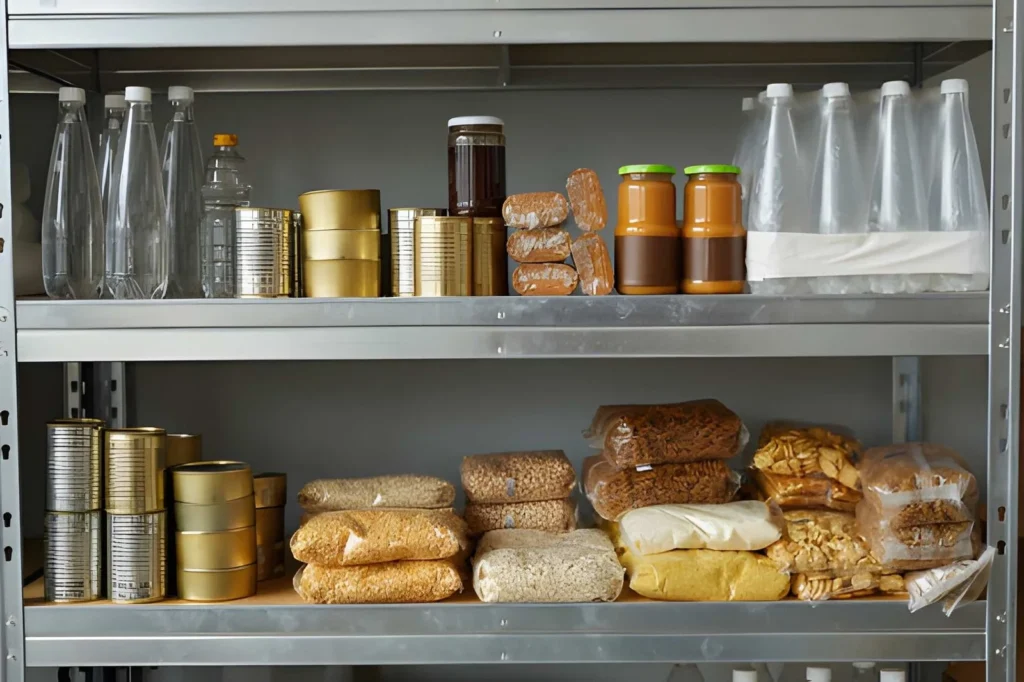
During a power outage, simple food is better than complicated food.
Keep pantry meals that do not require electricity, refrigeration, or long cooking times.
Good options include:
- Nut butter
- Crackers
- Canned beans
- Canned tuna or chicken
- Granola bars
- Trail mix
- Dried fruit
- Shelf-stable milk
- Instant oatmeal
- Canned soup
- Ready-to-eat meals
A manual can opener is essential. Electric can openers are useless when the power is out.
This is also where Beginner Pantry Staples becomes helpful. A well-stocked pantry makes outages, busy weeks, and unexpected events easier to handle.
5. Protect Refrigerator and Freezer Food
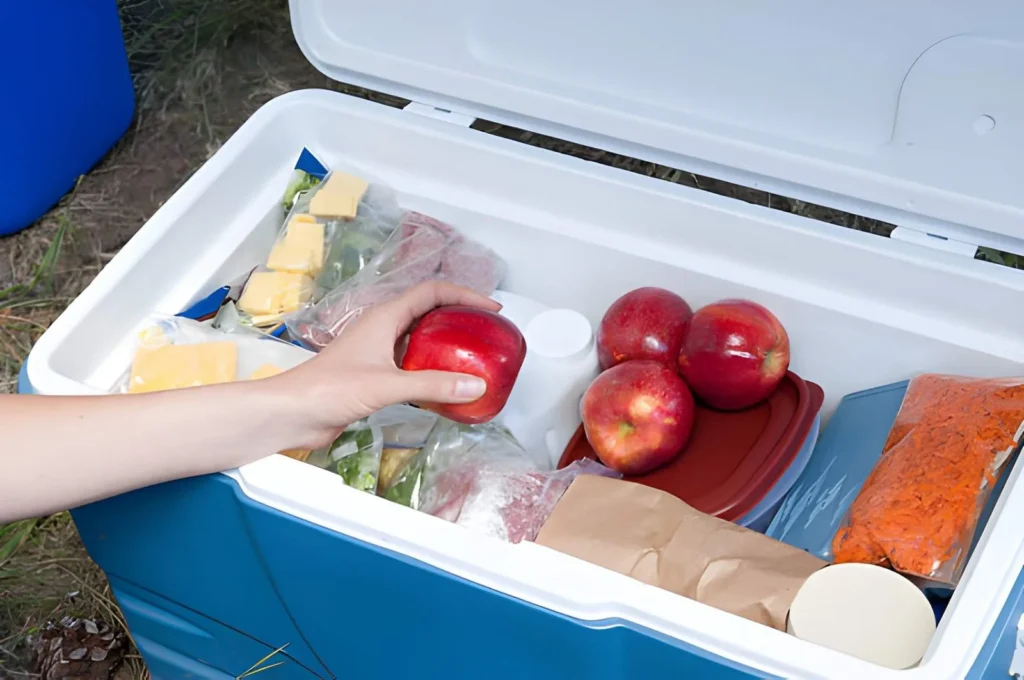
When the power goes out, keep refrigerator and freezer doors closed as much as possible.
Cold air escapes every time you open the door.
A refrigerator can only keep food cold for a limited time without power, and a freezer stays cold longer when it is full and unopened. Keep a cooler with ice packs ready so you can move important foods if the outage lasts longer.
An appliance thermometer is useful because it helps you know whether food stayed cold enough.
If you are unsure whether perishable food is safe, do not taste it to check. When in doubt, throw it out.
This is especially important if you preserve or store food at home. Safe habits matter just as much as stocking up, which is why Food Preservation Methods for Beginners is a good related skill to build.
6. Have a Phone Charging Plan
Phones become very important during a power outage.
You may need them for emergency alerts, weather updates, family communication, maps, or checking outage reports.
Keep at least one charged power bank in your emergency kit. A solar phone charger can also be useful if you live in an area with frequent or long outages.
Before a storm, charge phones, tablets, laptops, power banks, and rechargeable lights.
Turn on battery-saving mode during the outage and avoid wasting battery on nonessential apps.
It also helps to keep important phone numbers written on paper in case your phone dies.
7. Keep a Battery Radio or Weather Radio
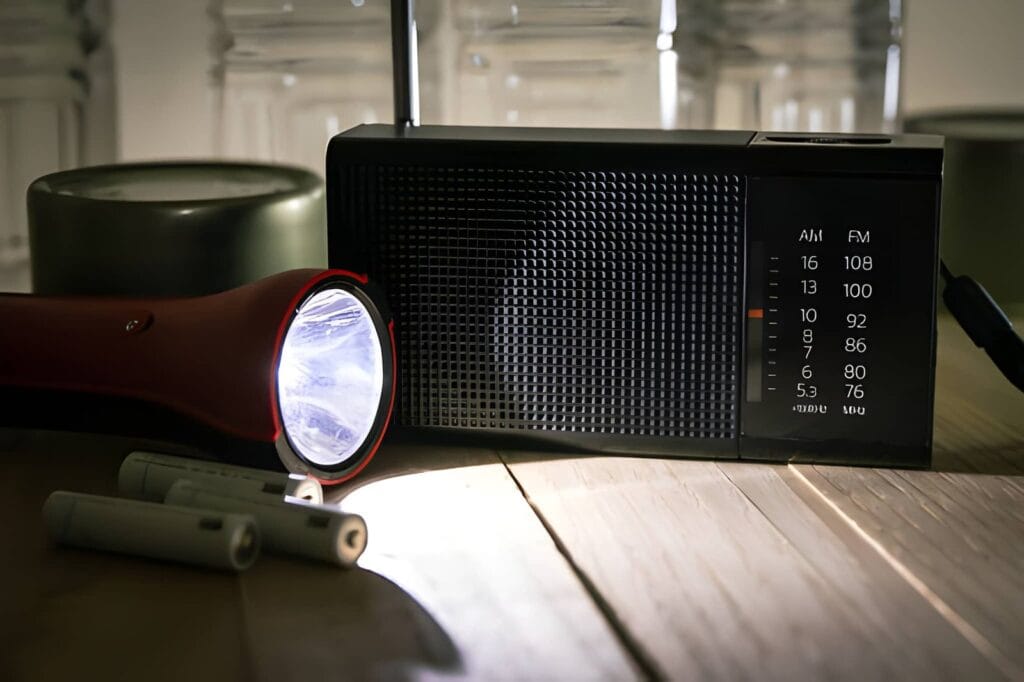
Internet service may go down during an outage, especially if your router has no backup power.
A battery-powered radio or emergency weather radio gives you another way to receive updates.
This is especially helpful during storms, wildfires, winter weather, or local emergencies.
Choose a radio with battery power, hand crank, or solar charging if possible.
Keep it in your emergency kit and test it before storm season.
8. Make a Safe Backup Power Plan
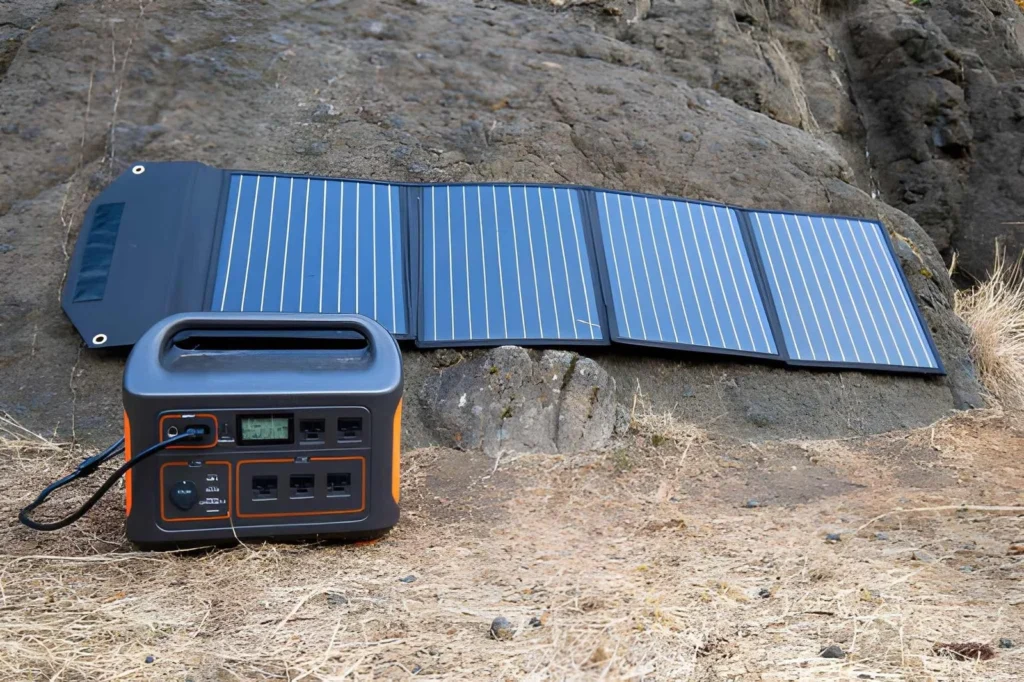
Backup power can be very helpful, but it must be used safely.
A portable power station can run small devices like phones, lights, laptops, fans, and some medical devices depending on its size. It is quieter and safer indoors than a fuel-powered generator because it does not produce exhaust.
Fuel-powered generators are powerful, but they come with serious carbon monoxide risks. They should only be used outdoors, far away from windows, doors, vents, garages, and enclosed spaces.
Never run a generator inside the home, basement, garage, shed, or porch.
If you use any fuel-burning backup power, make sure your home has a working carbon monoxide detector.
Backup power is useful, but safety comes first.
9. Prepare for Heating or Cooling Needs
Power outages are harder during extreme heat or cold.
In winter, gather extra blankets, warm clothing, wool socks, and sleeping bags. Close off unused rooms and keep everyone in one warmer space if needed.
In summer, keep battery fans, cooling towels, shade plans, and extra drinking water ready. Close curtains during the hottest part of the day and open windows only when outdoor air is cooler.
Do not use outdoor grills, charcoal burners, camp stoves, or gas ovens for indoor heating.
If your home depends on electricity for heat, plan ahead for safe alternatives before winter storms arrive.
10. Protect Medical Needs
If anyone in your home depends on medication, refrigerated medicine, oxygen, mobility equipment, or powered medical devices, plan early.
Talk to your doctor, pharmacist, or equipment provider about what to do during an outage.
Keep backup batteries where appropriate.
Store medication information, emergency contacts, and dosage instructions in a waterproof folder.
If medicine must stay cold, have a cooler and ice pack plan ready.
This is one of the most important parts of power outage preparedness, especially for families with elderly relatives, children, or chronic health needs.
11. Print Important Information
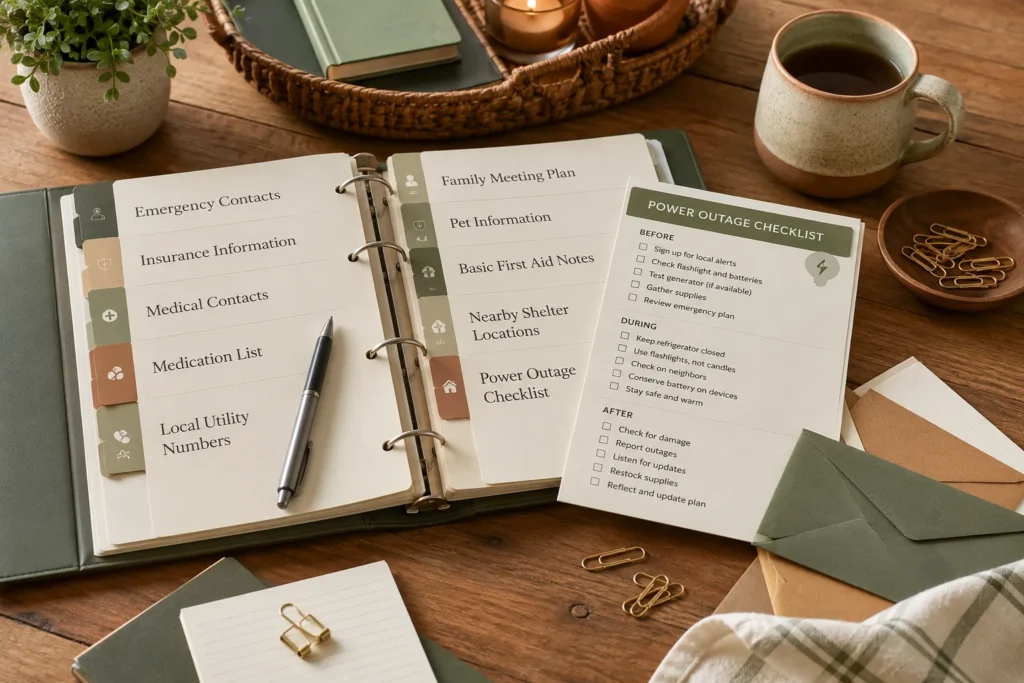
When the internet goes down, printed information becomes valuable.
Keep a small folder with:
- Emergency contacts
- Insurance information
- Medical contacts
- Medication list
- Local utility number
- Family meeting plan
- Pet information
- Basic first aid notes
- Nearby shelter locations
- Power outage checklist
This does not need to be fancy. A simple binder or envelope is enough.
You can also include your power outage checklist printable if you want a reusable seasonal review system.
12. Prepare Pets and Backyard Animals
Power outages affect animals too.
Make sure you have enough pet food, water, medication, leashes, carriers, bedding, and cleaning supplies.
For chickens or other small livestock, plan for water, feed, ventilation, predator safety, and temperature changes.
If you use electric fencing, automatic doors, heat lamps, heated waterers, or powered ventilation, think through what happens when electricity stops.
This is where homesteading preparation becomes very practical. A good animal plan is part of Essential Homesteading Skills for Beginners because animals depend on your routine even during emergencies.
13. Keep Your Car Prepared
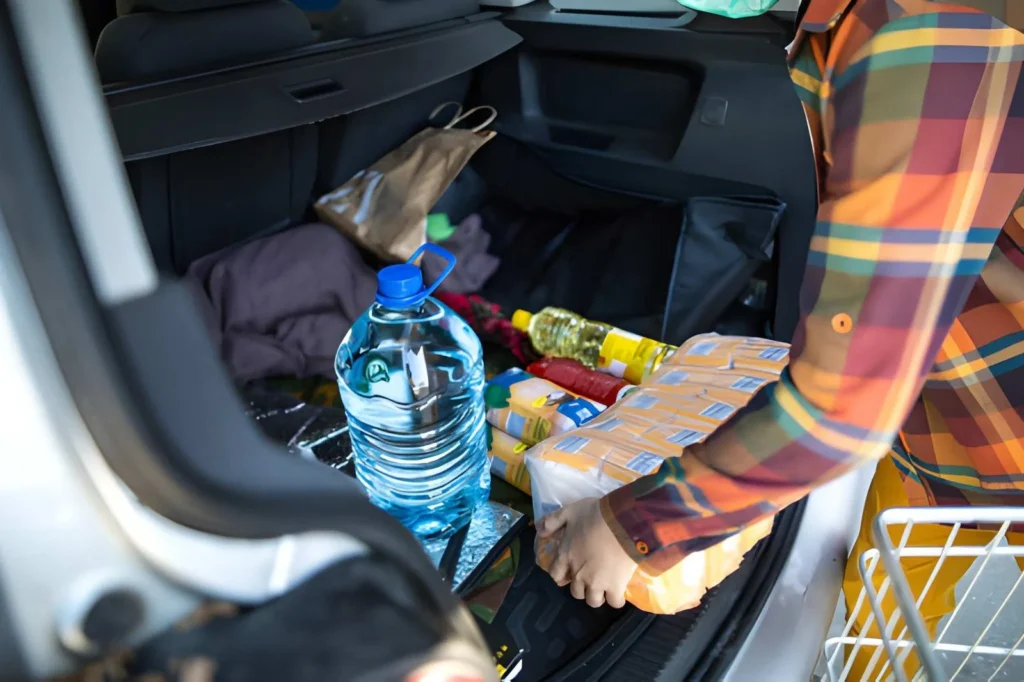
Your car can be useful during a power outage, but it should not become your only plan.
Before a storm or expected outage, fill the gas tank or charge your vehicle.
Keep a basic car kit with water, snacks, blanket, phone charger, flashlight, jumper cables, and first aid supplies.
Never run a vehicle in a garage to charge devices or warm up. Carbon monoxide can build up quickly and become deadly.
If roads are unsafe, stay home and avoid unnecessary travel.
14. Reduce Electrical Damage Risk
When the power goes out, turn off or unplug sensitive electronics.
Power can return with surges that may damage computers, televisions, appliances, and chargers.
Use surge protectors for important electronics.
Leave one light switched on so you know when power returns.
Do not touch downed power lines, flooded electrical areas, or damaged electrical equipment. Report hazards to local authorities or the utility company.
15. Practice Before You Need It
A plan is only useful if you know how to use it.
Once or twice a year, do a simple power outage check.
Test flashlights. Charge power banks. Check batteries. Rotate food. Review water storage. Update emergency contacts. Make sure everyone knows where the kit is.
You can even do a short “lights-out evening” to see what you forgot.
Preparedness becomes easier when it is part of normal home maintenance, not something you only think about during a storm.
What to Do During a Power Outage
When the power goes out, start with safety.
Check whether the outage is only in your home or the wider area. Look outside for streetlights or neighbors’ lights if it is safe.
Use flashlights instead of candles.
Keep fridge and freezer doors closed.
Unplug sensitive electronics.
Listen for emergency updates.
Use phones carefully to save battery.
Check on children, elderly family members, pets, and animals.
If you use backup power, follow all safety instructions.
Do not bring generators, grills, or camp stoves indoors.
Do not open the fridge repeatedly just to check food.
Do not assume food is safe if the outage lasts too long.
Stay calm and work through your plan one step at a time.
What to Do After the Power Comes Back
When power returns, do not rush.
Check appliances and electronics.
Look at refrigerator and freezer temperatures if you have thermometers.
Throw away unsafe perishable food.
Recharge power banks, flashlights, lanterns, and radios.
Refill water containers if you used them.
Replace batteries if needed.
Update your checklist with anything you wished you had.
This last step matters. Every outage teaches you something.
Maybe you needed more lanterns. Maybe your pantry was missing easy meals. Maybe your phone battery drained too fast. Maybe your freezer stayed colder than expected because it was full.
Use that lesson to improve your home before the next outage.
Supplies That Make Power Outages Easier
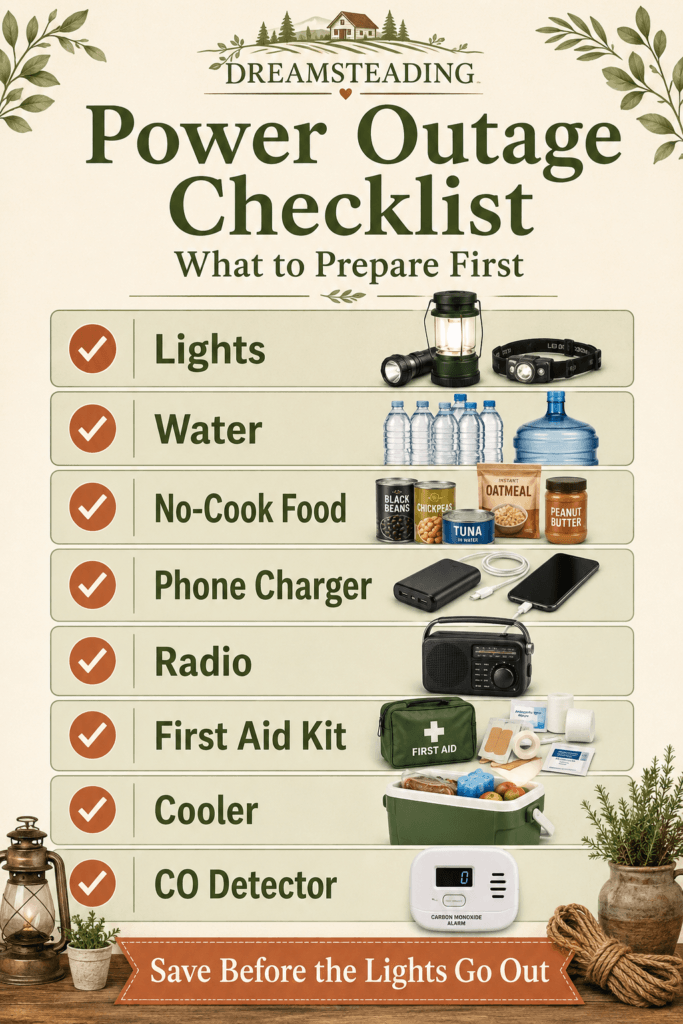
You do not need every emergency product on the market.
Start with the basics:
- Battery-powered lanterns for safe room lighting
- Rechargeable flashlights for bedrooms and quick checks
- Solar phone charger for longer outages
- Portable power station for small electronics
- Battery-powered radio for updates
- Cooler with ice packs for food safety
- Water storage containers for drinking and washing
- First aid kit for small injuries
- Carbon monoxide detector for backup power safety
- Emergency weather radio for storm alerts
- Manual can opener for pantry meals
- Power outage checklist printable for seasonal review
A few reliable supplies can make your home feel much more prepared without becoming cluttered.
Start small and build your kit over time.
Final Thoughts
Learning how to prepare for a power outage is not about fear. It is about making your home more steady, practical, and peaceful when normal routines stop.
Start with light, water, food, communication, and safety.
Those five areas cover most of what your household needs in the first hours of an outage.
Then build from there.
Add backup charging. Plan simple meals. Protect your fridge and freezer food. Keep a radio. Store emergency contacts. Think through pets and backyard animals. Learn safe generator rules before you ever need one.
Preparedness is one of the most useful beginner homesteading skills because it helps you depend less on last-minute panic and more on simple systems.
A prepared home does not need to be perfect.
It just needs to be ready enough to keep everyone safer, calmer, and more comfortable until the lights come back on.
FAQ: How to Prepare for a Power Outage
What should I do first to prepare for a power outage?
Start with a simple kit that includes flashlights, lanterns, batteries, drinking water, no-cook food, a manual can opener, first aid supplies, phone charging backup, and emergency contacts.
How long is food safe in the refrigerator during a power outage?
Food safety depends on how long the power is out and how cold the refrigerator stays. Keep the door closed as much as possible and use an appliance thermometer when you can.
What foods are best for a power outage?
The best foods are shelf-stable and easy to eat, such as nut butter, crackers, canned beans, canned fish, granola bars, trail mix, dried fruit, shelf-stable milk, and ready-to-eat meals.
Can I use a generator during a power outage?
Yes, but only if you use it safely. Fuel-powered generators must stay outdoors and far away from windows, doors, vents, garages, and enclosed spaces because of carbon monoxide risk.
Are candles safe during a power outage?
Battery-powered lights are safer than candles. If you use candles, keep them away from children, pets, curtains, bedding, and anything flammable. Never leave candles unattended.
What should I unplug during a power outage?
Unplug computers, televisions, chargers, small appliances, and other sensitive electronics to reduce the risk of damage when power returns.
How do I keep my phone charged during a power outage?
Charge your phone before expected storms, keep a power bank ready, use battery-saving mode, and consider a solar charger for longer outages.
What should I do after power comes back?
Check food safety, recharge emergency supplies, reset appliances, inspect for damage, and update your power outage checklist with anything you need to improve.