Essential & Easy Homesteading Skills for Beginners Who Crave Self-Reliance
Homesteading skills for beginners are not about becoming fully self-sufficient overnight. They are practical abilities that help you grow, make, repair, store, organize, and prepare a little more of what your household needs. You can begin in an apartment, a suburban backyard, or a rural home by learning one useful skill at a time. The strongest starting point is to choose simple projects that save money, reduce waste, improve daily routines, or make your home more prepared for ordinary disruptions.
In Short
The easiest way to begin homesteading is to build a small set of practical skills: grow a few foods, cook from basic ingredients, preserve food safely, reduce household waste, maintain useful supplies, make simple repairs, and prepare for short disruptions. Start with the skill that fits your space, time, budget, and current needs rather than trying to copy a large rural homestead.
Key Takeaways
- Homesteading is a gradual practice of becoming more capable at home, not a requirement to own acreage or livestock.
- Begin with one repeatable skill that improves your household now, such as herbs, meal planning, food storage, composting, or basic repairs.
- Safety matters: use tested food-preservation guidance, follow local rules, and do not take on electrical, structural, gas, or medical work beyond your training.
- Small systems become useful when they are maintained consistently, not when they look impressive on the first day.
- Keep notes on what you grow, spend, preserve, repair, and use so future decisions are based on real household needs.
What Homesteading Means for Beginners
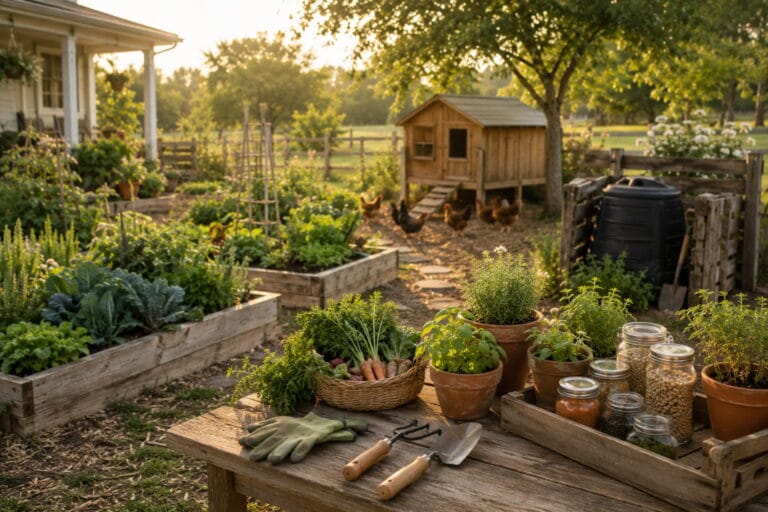
Modern homesteading can look very different from one household to another. For some people, it means a large garden, chickens, preserved food, and major DIY projects. For others, it means learning to cook affordable meals, growing herbs on a balcony, repairing a loose cabinet hinge, building a pantry, and keeping emergency water on hand.
The shared goal is practical resilience. You learn enough useful skills to depend less on last-minute shopping, expensive convenience products, and outside help for every small problem. That does not mean rejecting modern services or trying to produce everything yourself. It means becoming more prepared and more confident with the resources you already have.
A helpful place to begin is the beginner homesteading guide, which explains how gardening, food storage, home skills, and preparedness can fit together without turning your life into an unrealistic project list.
Benefits
- Builds useful everyday confidence through small, repeatable tasks.
- Can reduce food waste and improve household organization.
- Works in many living situations, including apartments and small yards.
- Encourages practical planning instead of last-minute purchasing.
Considerations
- Some skills take seasons or repeated practice to become reliable.
- Tools, materials, and space limitations can affect which projects make sense.
- Food safety, local ordinances, and professional trades still require proper guidance.
- Trying to begin too many systems at once can create waste and burnout.
1. Grow a Small Amount of Food Well
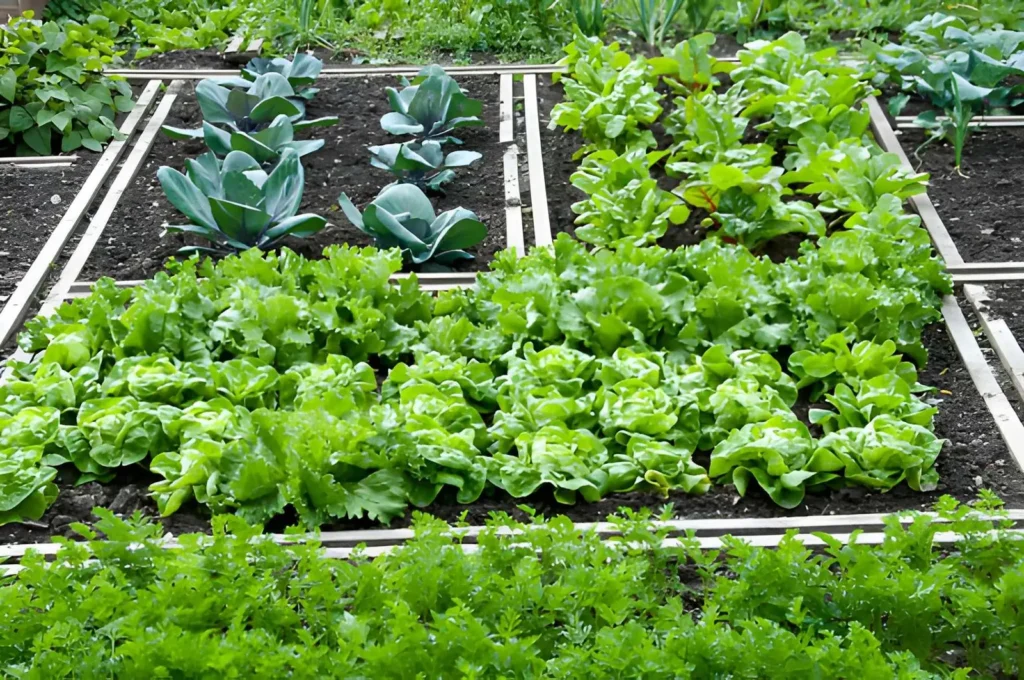
Food growing is one of the most satisfying homesteading skills because it teaches planning, observation, patience, and seasonal awareness. It also gives you an immediate connection to weather, soil, water, pests, and harvest timing.
Start smaller than you think you need. A few containers of herbs, lettuce, radishes, bush beans, peppers, or tomatoes can teach more than an oversized garden that becomes difficult to weed and water. Choose crops you already enjoy eating and that fit your climate and available sunlight.
Healthy soil is a better first investment than a long list of fertilizer products. University Extension guidance commonly emphasizes soil testing, organic matter, compost, mulch, and protecting growing areas from compaction. A small garden journal can help you track planting dates, varieties, pest problems, and harvest results from one season to the next.
If you are short on space, begin with the guide to starting homesteading in an apartment. Container herbs, sprouts, windowsill greens, simple food storage, and home cooking are all legitimate ways to build skill before you have a yard.
- Choose a location with the right amount of sun for the crop.
- Use containers or beds with drainage.
- Water deeply enough to reach roots, then adjust based on weather and soil moisture.
- Start with seeds or plants that are suited to your local season.
- Harvest regularly so plants stay productive where appropriate.
2. Learn Basic Soil, Compost, and Water Management
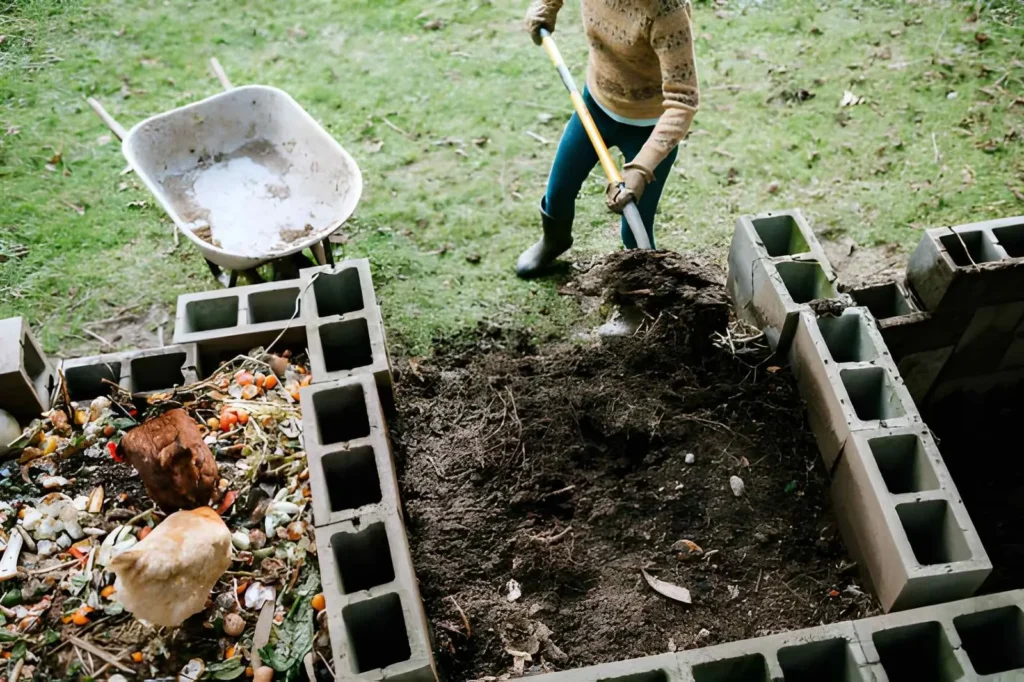
Good gardening does not begin with buying more plants. It begins with understanding soil structure, drainage, organic matter, and water use. Composting is one practical way to turn suitable kitchen scraps and yard materials into a useful soil amendment, but it is not a way to dispose of every household waste product.
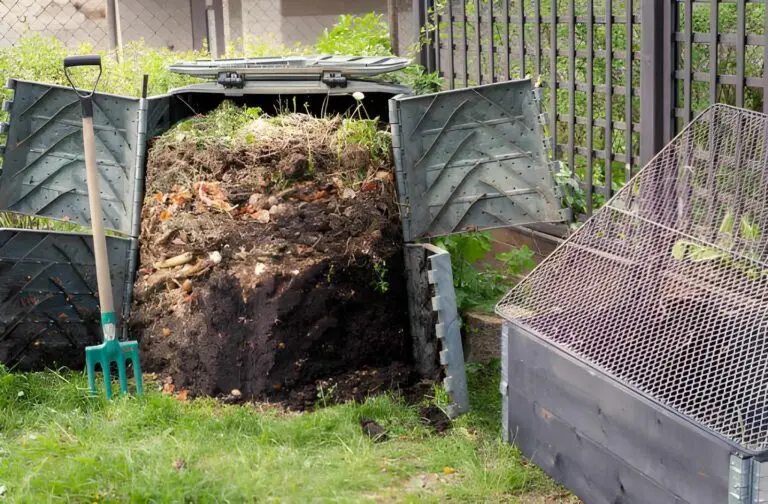
Begin with a simple compost system sized for your household. Add a balance of carbon-rich materials such as dry leaves, shredded paper without glossy coatings, or untreated wood chips, along with nitrogen-rich materials such as vegetable scraps, coffee grounds, and fresh green garden trimmings. Keep the pile damp like a wrung-out sponge rather than waterlogged.
Do not add meat, fish, grease, pet waste, diseased plants, or invasive weeds with mature seeds to a casual backyard pile. Local conditions and composting methods vary, so use regional Extension guidance when managing pests, weeds, manure, or large volumes of material.
Water management is equally important. Use mulch to reduce evaporation, fix leaking hoses, group plants with similar water needs, and collect rainwater only where local rules and your roof-material considerations allow it. A soaker hose, watering can, and simple mulch layer often solve more problems than complicated irrigation equipment.
3. Cook From Basic Ingredients
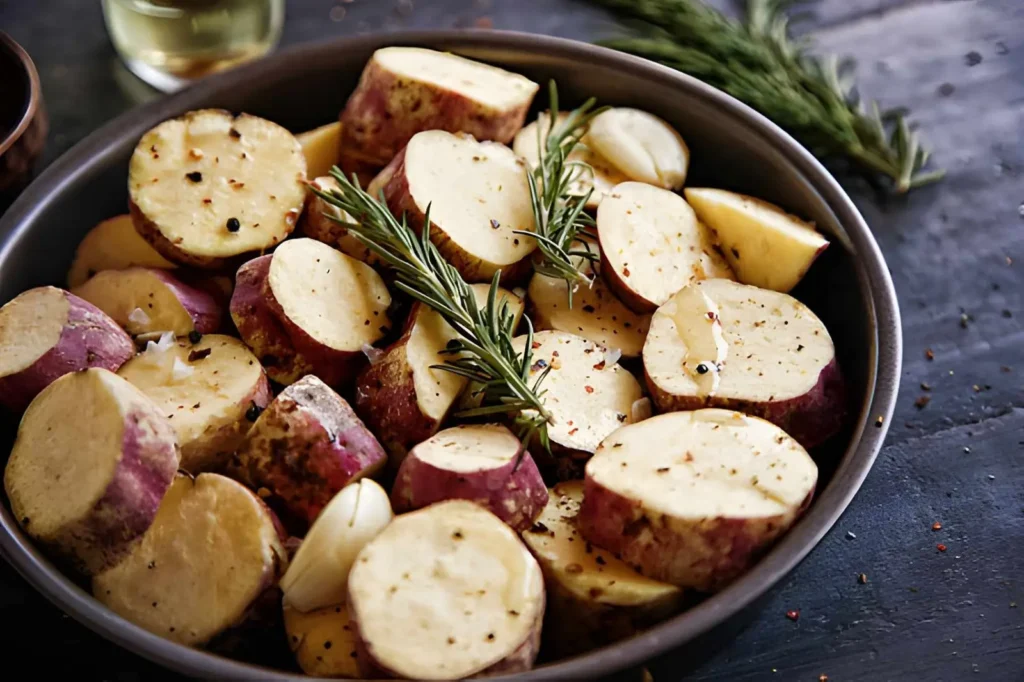
Cooking is a core homesteading skill because it turns pantry ingredients, garden harvests, leftovers, and seasonal foods into useful meals. It can reduce waste, improve flexibility when stores are inconvenient, and help you understand what your household actually consumes.
Begin with meals that repeat well: soups, stews, roasted vegetables, beans, eggs, rice dishes, simple breads, sauces, and sheet-pan meals. Learn how to adjust seasoning, substitute similar ingredients, safely store leftovers, and build a meal plan around foods that need to be used first.
A practical pantry does not need to be huge. Keep a rotating supply of foods your household already eats, including shelf-stable staples, cooking fats, seasonings, canned goods, and ingredients for a few easy meals. Mark dates, use older items first, and avoid buying a large supply of unfamiliar food simply because it seems like a preparedness item.
Useful basics include a cast-iron skillet, a dependable saucepan, measuring tools, food-storage containers, and a sharp chef’s knife. Choose equipment for the meals you make regularly rather than collecting specialty tools that rarely leave the cupboard.
4. Preserve Food Using Tested Methods

Food preservation can help you use seasonal produce, reduce waste, and build a more useful pantry. However, it is a safety-sensitive skill. The method must match the food, acidity, jar size, preparation style, and processing equipment.
For beginners, freezing, dehydrating, refrigerator pickling, and properly tested water-bath canning recipes are approachable starting points. Pressure canning is essential for low-acid foods such as vegetables, meats, poultry, and soups, but it requires a tested process and correctly functioning equipment. Do not improvise processing times, jar sizes, ingredients, or methods from unverified social-media content.
The National Center for Home Food Preservation provides research-based preservation guidance. Use current tested recipes and follow them exactly, especially for canning. Safe preservation is not the place to substitute vinegar strength, reduce processing time, thicken foods differently, or reuse single-use lids beyond manufacturer instructions.
For an overview of suitable methods, use the beginner food-preservation guide. It can help you decide whether freezing, dehydrating, pickling, water-bath canning, or another method is the best fit for the food you have and the storage space available.
Use tested preservation instructions
Use only current, authoritative recipes and processing instructions for home canning. If a jar has a broken seal, leaks, spurts liquid when opened, shows mold, or has an unusual odor, discard it safely without tasting. When in doubt, throw it out.
5. Build a Useful Pantry and Household Inventory
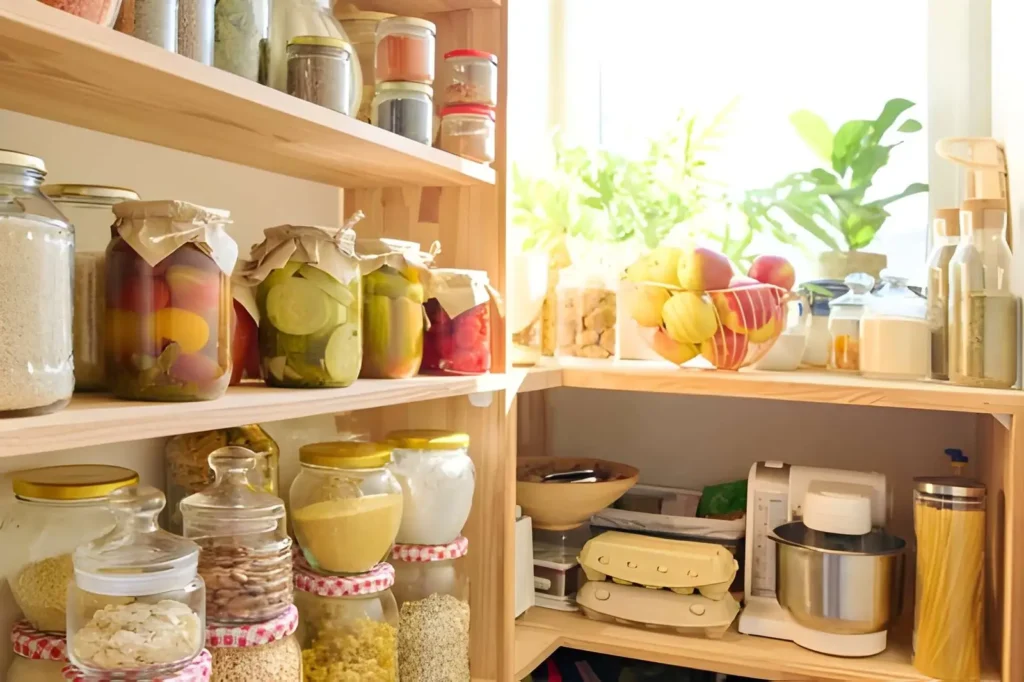
A pantry becomes more useful when it is organized around real meals and regular rotation. Start by listing the ingredients, household supplies, and pet items you use during a normal two-week period. Then keep a modest reserve of those same essentials.
Store dry goods in clean, pest-resistant containers, keep labels visible, and place newly purchased items behind older supplies. Check for damaged packaging, moisture, pests, and expired or degraded products regularly. A simple paper list or spreadsheet can prevent duplicate purchases and help you notice when a staple is running low.
Include practical non-food items such as batteries, flashlights, medications as appropriate, hygiene supplies, pet food, basic first-aid materials, and copies of important documents stored safely. The goal is not fear-based stockpiling. It is to make ordinary disruptions less stressful.
6. Practice Basic Preparedness and Power-Outage Skills
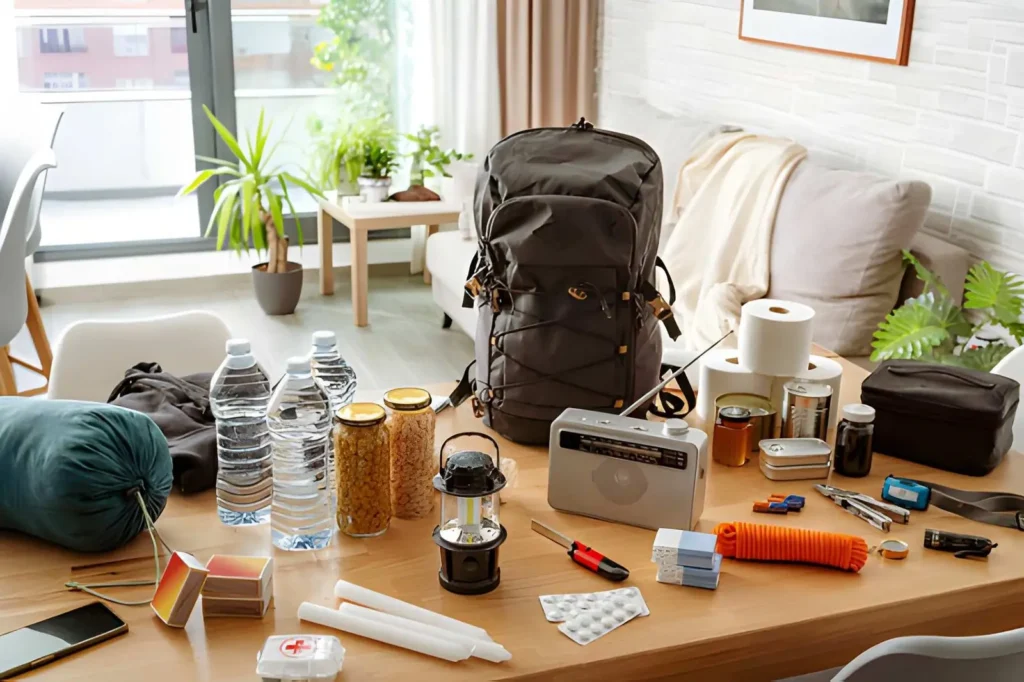
Preparedness is a useful part of homesteading because storms, road closures, illness, utility interruptions, and other short disruptions can affect any household. Ready.gov recommends building an emergency kit with supplies that help people manage on their own for several days after a disaster.
Begin by learning where your water shutoff, electrical panel, fire extinguisher, and basic emergency contacts are located. Keep flashlights accessible, maintain charged power banks, store safe drinking water, and make a plan that accounts for children, older adults, pets, medications, and mobility needs.
For a practical home checklist, read how to prepare for a power outage. It explains food safety, lighting, communication, water, and other useful steps without requiring an off-grid system.
A portable power station may be useful for small electronics or medical equipment only when its capacity and safe operating instructions match the need. Never run fuel-burning generators, grills, camp stoves, or heaters indoors, in garages, or near open windows because of carbon-monoxide danger. Follow manufacturer instructions and local safety requirements for every backup-power system.
7. Learn Simple Repairs and Tool Safety
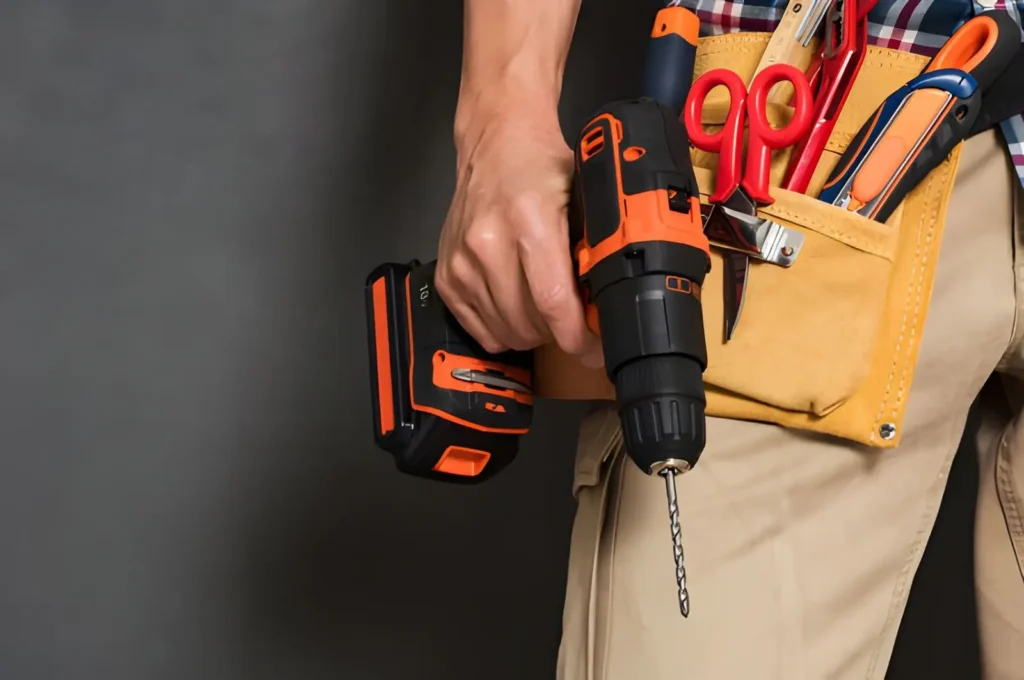
You do not need a full workshop to become more capable at home. Start with simple repairs: tightening loose hardware, replacing weatherstripping, repairing a gate latch, patching a small hole, cleaning garden tools, assembling shelves, or maintaining a compost bin.
A beginner tool kit can include a tape measure, hammer, adjustable wrench, screwdrivers, pliers, level, utility knife, drill-driver, drill bits, and appropriate safety equipment. Use the essential DIY and building tools guide to choose practical tools without buying equipment you will not use.
Wear eye protection when drilling, cutting, striking, or working beneath a project. Use hearing protection with loud power tools. Clamp materials instead of holding them near a blade or bit. Unplug corded tools or remove batteries before changing blades, bits, or accessories.
Leave electrical, gas, major plumbing, structural, roofing, and permit-required work to qualified professionals unless you have the required training and local authorization. Knowing when not to proceed is part of good self-reliance.
8. Reduce Waste Through Reuse, Maintenance, and Better Habits
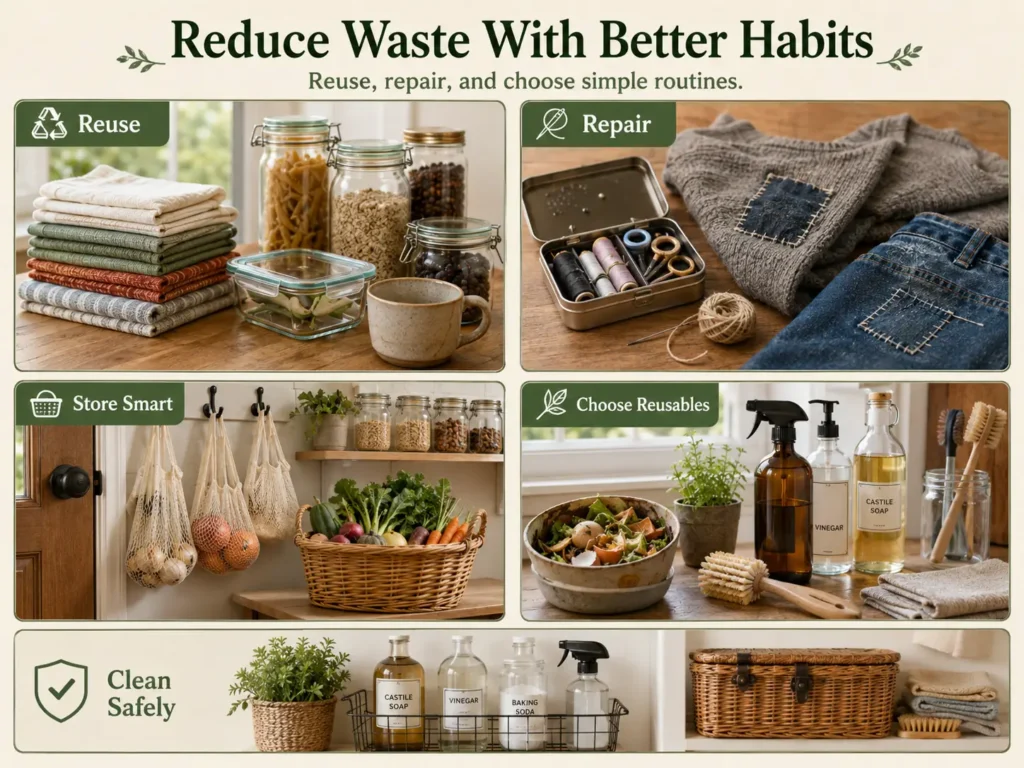
Homesteading often includes low-waste habits, but the most useful approach is practical rather than perfectionist. Use what you have, repair what is worth repairing, store food correctly, keep reusable cloths and containers organized, and avoid buying disposable items when a durable alternative suits your routine.
Start with one category: food scraps, cleaning products, paper towels, garden supplies, or clothing repairs. Small changes work best when they are easy to repeat. For example, keeping reusable produce bags by the door is more effective than buying them and storing them where they are forgotten.
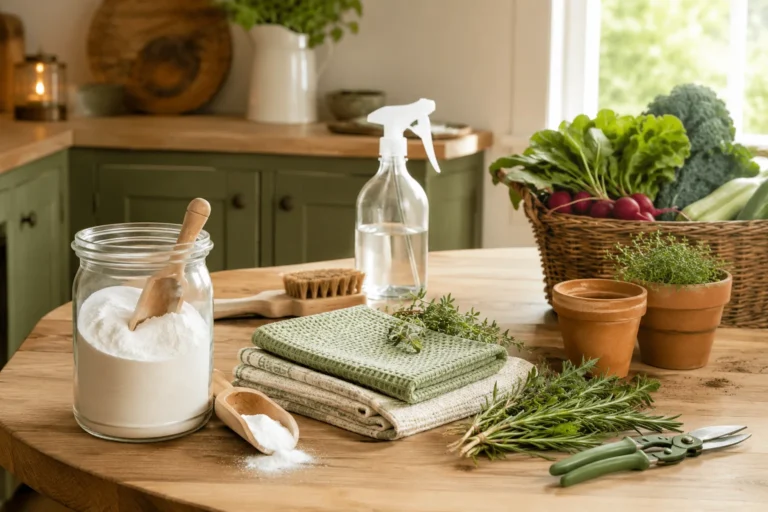
A few multi-use household supplies can support simple cleaning and maintenance, but do not treat any ingredient as a universal solution. Use products according to their labels, avoid mixing cleaning chemicals, and keep all supplies secured from children and pets.
9. Understand Chickens Before Bringing Any Home
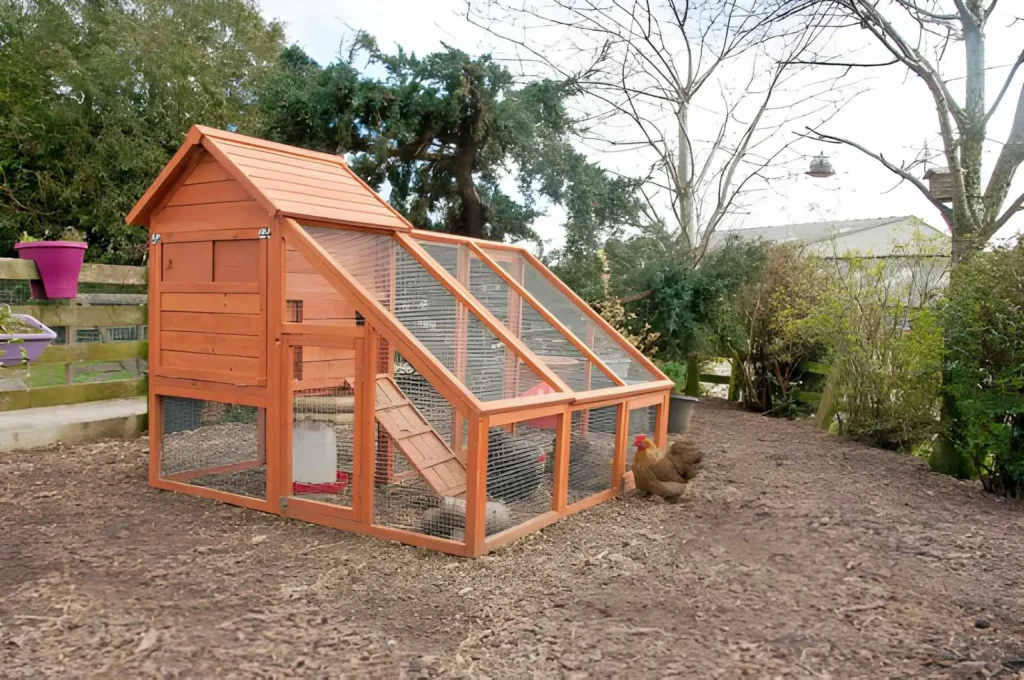
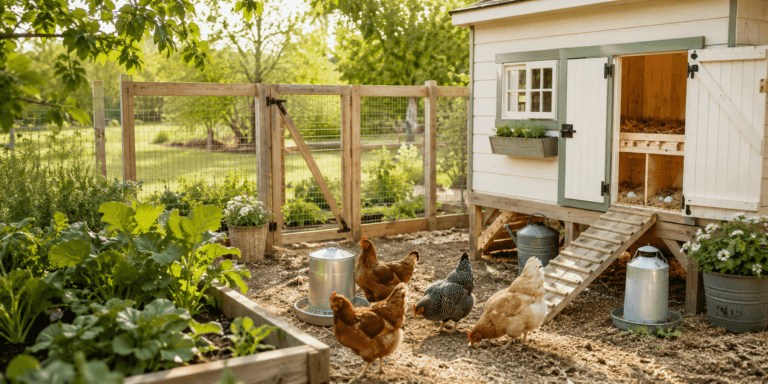
Backyard chickens can provide eggs, manure for properly managed compost systems, and a meaningful daily care routine. They also require housing, feed, predator protection, local legal compliance, cleaning, veterinary awareness, and a plan for illness, travel, winter weather, and unwanted roosters.
University of Minnesota Extension notes that a quality coop must protect birds from weather and predators. Its guidance for laying hens includes nest boxes and adequate indoor space, while local climate and breed needs may require additional planning. Check municipal zoning, homeowner-association rules, rental restrictions, and animal-welfare requirements before purchasing birds or building a coop.
Clean handling practices are important. Wash hands with warm soapy water after handling birds, eggs, feeders, bedding, or coop surfaces. Keep poultry outside of household living spaces, discourage contact between domestic birds and wild birds, and follow state guidance during disease outbreaks.
When you are ready to explore the commitment in more detail, the backyard chicken keeping guide covers housing, care, feeding, and beginner planning. Start only when daily care is realistic for every season.
10. Keep Records and Improve One System at a Time
Recordkeeping may not feel exciting, but it separates useful homesteading from expensive trial and error. Keep simple notes on garden plantings, harvests, freezer contents, pantry rotation, household repairs, spending, weather events, and project results.
These records help you answer practical questions: Which tomato variety performed well? Did the compost pile stay too wet? Which meals used the most pantry ingredients? Did a repair hold through winter? What supplies ran out during a storm?
Review your notes seasonally and choose one improvement. Perhaps you need better mulch, fewer plants, a clearer pantry label system, more emergency water, or a more sheltered compost location. Small improvements made consistently create a stronger household over time.
How to Choose Your First Homesteading Skill
Choose a starting skill by looking at your current limitations and needs, not at someone else’s homestead. The best first project is small enough to finish and useful enough to repeat.
| If you have… | Start with… | Why it works |
|---|---|---|
| An apartment or limited outdoor space | Herbs, pantry cooking, food storage, repair skills, and preparedness | Builds useful habits without requiring a yard or livestock. |
| A balcony or patio | Containers, small composting methods, herbs, greens, and rain-aware watering | Teaches growing and maintenance on a manageable scale. |
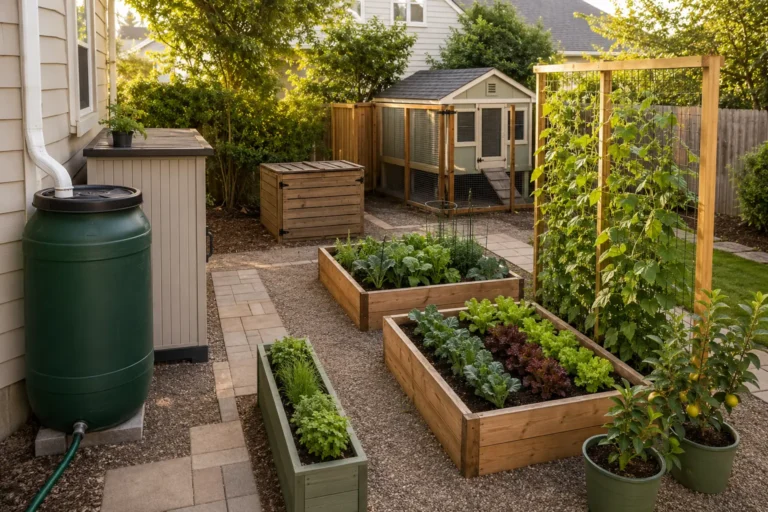
| A small backyard | A compact vegetable bed, compost bin, simple trellis, and household inventory | Creates connected systems without overwhelming maintenance. |
| A larger yard or rural property | Garden planning, storage, tool maintenance, trees, and later poultry if suitable | Lets you expand gradually after learning daily systems. |
| Concern about storms or outages | Water storage, pantry rotation, lighting, communication, and emergency planning | Improves resilience immediately, regardless of property size. |
Off-grid living can be a long-term goal, but it is not the first step for most beginners. The off-grid living guide can help you understand power, water, heating, waste, and legal considerations before making major equipment or property decisions.
Myth
You need land, livestock, and expensive equipment to homestead.
Reality
Homesteading begins with capability, not property size. A renter can learn cooking, preservation, repair, preparedness, budgeting, sewing, container growing, and household organization. A small backyard can support food growing, composting, simple DIY projects, and other useful skills.
Frequently Asked Questions
What is the easiest homesteading skill to learn first?
Growing herbs or a few vegetables, cooking several meals from basic ingredients, and organizing a rotating pantry are practical first skills because they require limited space, cost, and equipment. Choose the one that solves the most immediate household need.
Can you start homesteading in an apartment?
Yes. Apartment homesteading can include cooking, food storage, balcony or windowsill growing, composting methods allowed by your building, basic repairs, sewing, cleaning routines, emergency planning, and reducing household waste.
How much money do you need to start homesteading?
You can begin with very little by using existing kitchen tools, containers, a small seed packet, pantry staples, repair supplies, and low-cost preparedness steps. Avoid major purchases until a skill has become part of your routine.
Should beginners start with chickens?
Only if local rules allow them and you can provide daily care, secure housing, feed, water, cleaning, predator protection, veterinary planning, and safe handling. Gardening or food storage is usually simpler for a first project.
What should a beginner preserve first?
Freezing seasonal produce, drying herbs, and using tested refrigerator-pickle recipes are approachable starting points. For shelf-stable canning, use current tested instructions from a recognized authority and follow them exactly.
Is homesteading the same as off-grid living?
No. Homesteading focuses on practical household skills and greater self-reliance. Off-grid living usually means operating without public utility connections and requires additional technical, legal, financial, and maintenance planning.
Final Thoughts
The most valuable homesteading skills are the ones you can practice regularly. Growing a small amount of food, cooking from a useful pantry, preserving harvests safely, maintaining tools, preparing for outages, and repairing simple problems all make a household more capable.
Choose one skill for this month, repeat it until it feels normal, and add the next skill only when the first system is working well. For a broader plan that connects these practical steps, continue with Homesteading for Beginners.
Sources and Further Reading
- Ready.gov — Build a Kit — emergency-supply guidance for managing several days after a disaster.
- Ready.gov — Power Outages — preparation guidance for lighting, communication, and backup-power safety.
- National Center for Home Food Preservation — research-based food-preservation and home-canning guidance.
- University of Minnesota Extension — Healthy Garden Soil — soil, compost, mulch, and soil-protection guidance.
- University of Minnesota Extension — Raising Chickens for Eggs — basic chicken housing, nesting, space, and care information.
- University of Minnesota Extension — Backyard Poultry Concerns — hygiene and public-health precautions for home poultry keepers.