15 Homesteading Jobs for Beginners Who Want More Freedom
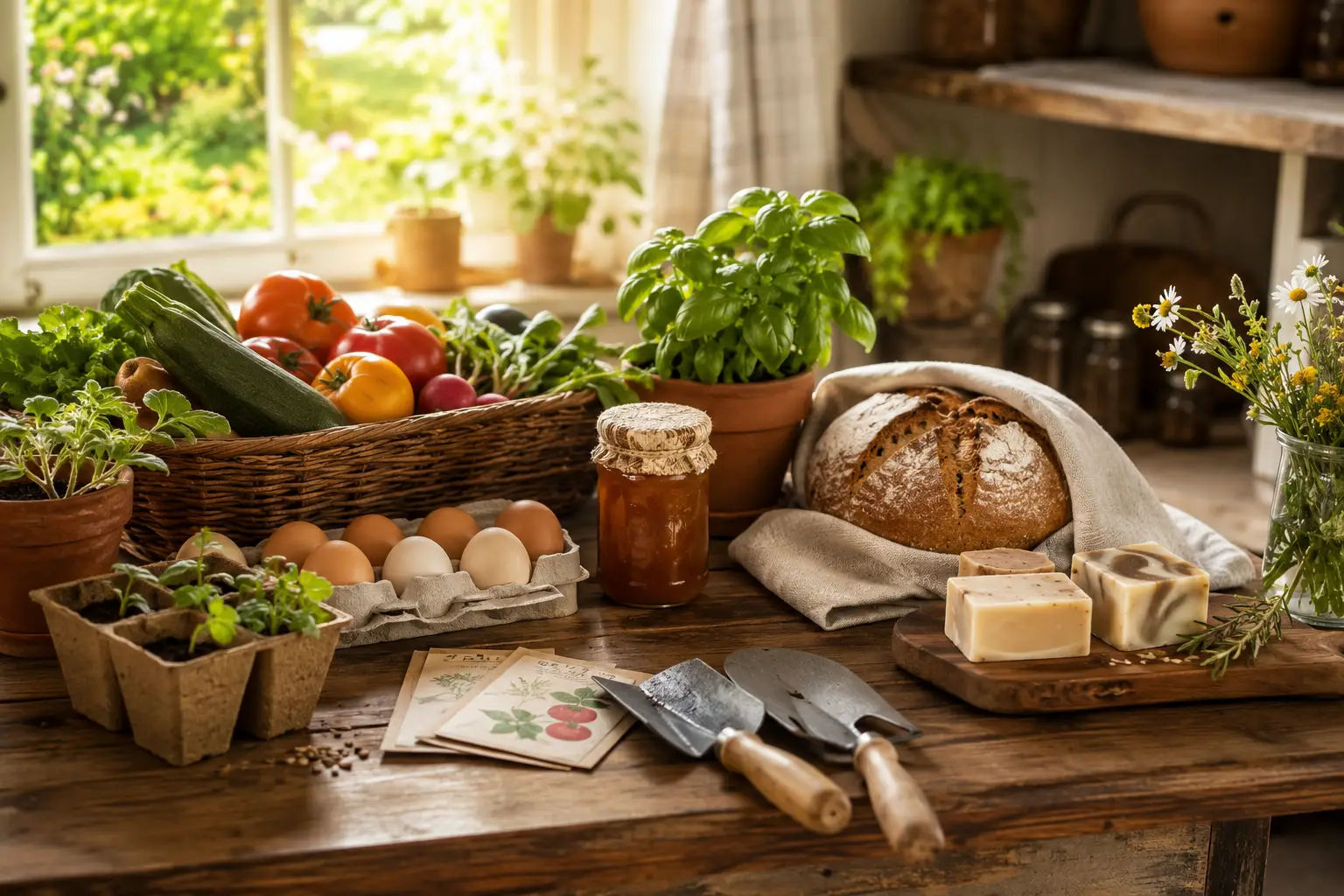
Homesteading jobs for beginners are a practical way to turn simple self-sufficiency skills into extra income, even if you are just starting out. You do not need years of experience, a large farm, or a perfect setup to begin. Many homesteading jobs start with everyday skills like growing herbs, starting seeds, baking bread, preserving food, caring for animals, making handmade products, or helping others with basic garden tasks.
The best part is that you can start small. A few extra seedlings, a weekly loaf of homemade bread, a simple herb bundle, or a small garden service can become the first step toward earning from the homesteading lifestyle. These ideas may not replace a full-time income overnight, but they can help pay for seeds, tools, jars, animal feed, pantry staples, or future homestead projects.
In this guide, you will find 15 realistic homesteading jobs for beginners, including options for small spaces, backyards, kitchens, online work, and hands-on farm experience. The goal is to help you choose one idea that fits your current skills, space, budget, and lifestyle.
1. Market Gardening
Market gardening is one of the most traditional homesteading jobs. It means growing vegetables, herbs, flowers, or small crops to sell locally. This can happen on a small farm, backyard, rented garden plot, or even a well-planned group of raised beds.
You do not need to grow every vegetable to make this work. In fact, beginners usually do better when they focus on a few reliable crops that grow well in their climate and are easy to sell. If you are not sure where to begin, start with these easy vegetables to grow for beginners before expanding into more challenging crops.
Good beginner crops include lettuce, radishes, kale, green onions, zucchini, cucumbers, cherry tomatoes, basil, and cut flowers. These crops are familiar, useful, and easier to explain to customers.
Market gardening can work through local markets, neighborhood sales, small produce boxes, community groups, or direct orders from people nearby. The key is to grow what people actually want and to keep your garden manageable.
This homesteading job is best for people who enjoy being outside, working with soil, planning around seasons, and talking to local customers.
To start, choose three to five crops, plant a small test garden, track your harvest, and see what people are most interested in buying.
Quick Tip: A small garden that is well managed is better than a large garden that becomes stressful, weedy, and hard to maintain.
2. Selling Fresh or Dried Herbs
Selling herbs is one of the best homesteading jobs for beginners because herbs are useful, beautiful, and space-friendly. Many herbs grow well in pots, raised beds, balcony containers, windowsill planters, or small backyard corners.
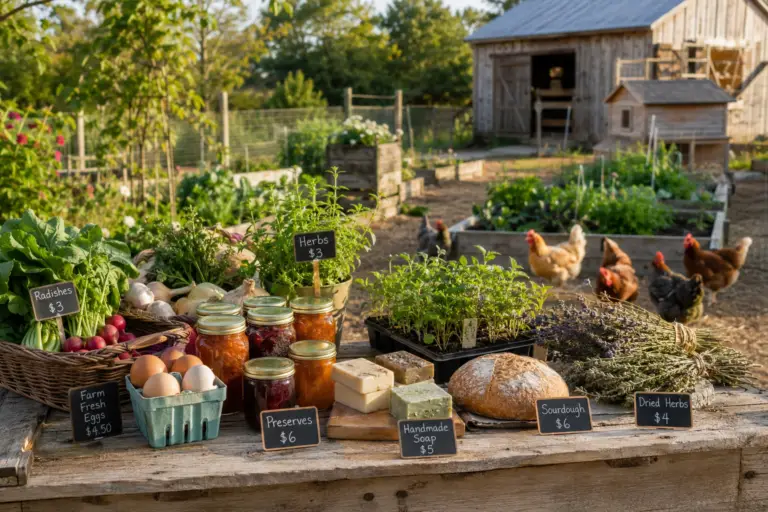
Popular herbs include basil, mint, rosemary, thyme, parsley, oregano, sage, cilantro, and chives. You can sell them as fresh bundles, potted plants, dried herbs, simple seasoning mixes, or ingredients for other handmade products.
Herbs are a good starting point because they do not require as much space as many vegetables. They also connect naturally with cooking, food preservation, natural products, and simple living.
For example, fresh basil can be sold to home cooks. Mint can be dried for tea. Rosemary and thyme can be bundled for kitchen use. Lavender can be used in sachets, soaps, or bath products.
This job is best for small-space homesteaders, apartment beginners, backyard gardeners, and anyone who wants a low-cost way to begin.
To start, grow a few common herbs for yourself first. Learn how often they need water, how much sun they need, and how to harvest them without damaging the plant. Once you are confident, grow extras to sell or use in simple products.
Common Mistake: Do not grow too many unusual herbs at the beginning. Start with herbs people already recognize and cook with regularly.
3. Food Preservation
Food preservation is one of the most valuable homesteading skills because it helps people save seasonal food, reduce waste, and build a better pantry. It can also become a homesteading job when done carefully and legally.
Food preservation includes canning, freezing, dehydrating, fermenting, pickling, drying herbs, making jams, preparing sauces, and organizing pantry systems.
Depending on your local rules, you may be able to sell certain preserved foods. In many places, food sales from home are regulated, especially when it comes to canned goods, pickles, fermented foods, dairy, meat, or low-acid foods. Always check your local laws before selling preserved food.
Even if you cannot sell preserved food directly, you can still build income around the skill. You can teach beginner classes, create printable checklists, write blog posts, make pantry planning guides, offer workshops, or create seasonal preservation calendars.
This job is best for people who enjoy kitchen work, careful steps, organization, and teaching others.
To start, choose one beginner-friendly method, such as dehydrating herbs, freezing seasonal produce, or learning water bath canning for high-acid foods. Build confidence before trying advanced preservation methods.
Expert Advice: Food safety matters. Never guess with canning or preservation. Use trusted methods, follow tested recipes, and clearly explain safety steps when teaching others.
4. Homemade Bread and Baked Goods
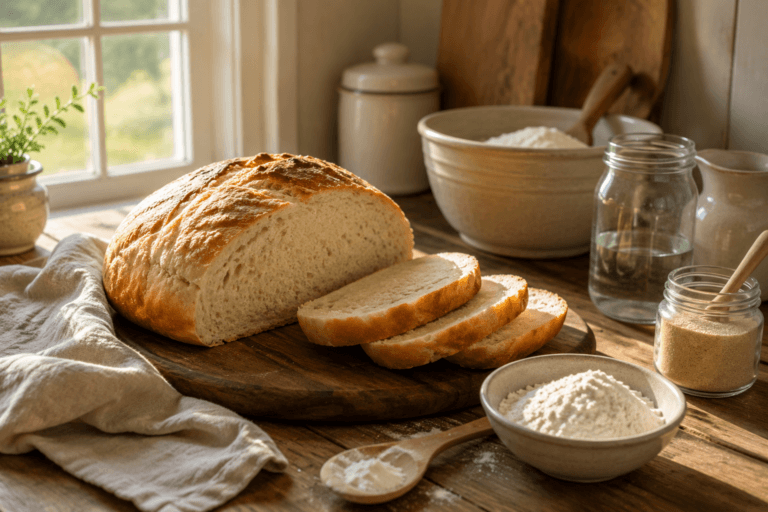
Homemade bread and baked goods can become a practical homesteading job for people who enjoy cooking from scratch. Bread feels simple, useful, and comforting, which makes it a natural fit for the homesteading lifestyle.
Possible products include sourdough bread, sandwich loaves, dinner rolls, cinnamon rolls, biscuits, muffins, banana bread, cookies, and seasonal pies.
This idea can often start from a normal kitchen, but you still need to check your local home bakery or cottage food rules before selling. Some places allow certain baked goods from home, while others require labeling, permits, inspections, or approved kitchens.
Baking is best for people who enjoy routine, consistency, and working with their hands. Customers usually want baked goods they can count on, so reliability matters.
To start, choose one or two products you can make well every time. For example, offer sourdough loaves every Friday or a small batch of cinnamon rolls once a week. This keeps the work manageable and makes your offer easy to understand.
Pricing is important. Many beginners only count ingredients and forget electricity, packaging, delivery, failed batches, cleanup, and time.
Quick Tip: A small weekly baking offer is easier to manage than saying yes to every custom order.
5. Handmade Soap and Natural Products
Handmade soap and natural products are great homesteading jobs for creative people who enjoy making useful items. These products also fit well with simple living because many people want fewer harsh chemicals and more homemade alternatives in their homes.
Possible products include handmade soap, beeswax wraps, candles, lip balm, bath salts, body scrubs, herbal salves, natural cleaning sprays, and laundry powder.
This type of job does not require land, but it does require care. You need to understand ingredients, safety, storage, labeling, and local selling rules. Products used on the skin should be made responsibly and honestly.
This job is best for people who like experimenting with recipes, packaging products, and creating items that are both practical and beautiful.
To start, choose one simple product. Do not try to launch a full product line at once. A single well-made soap, candle, or lip balm is easier to improve, price, package, and sell.
You can sell locally, through small markets, to friends and neighbors, or eventually through an online shop. These products can also pair well with herbs you grow yourself.
Common Mistake: Do not spend too much on labels, jars, molds, and packaging before testing whether people actually want the product.
6. Backyard Egg Sales
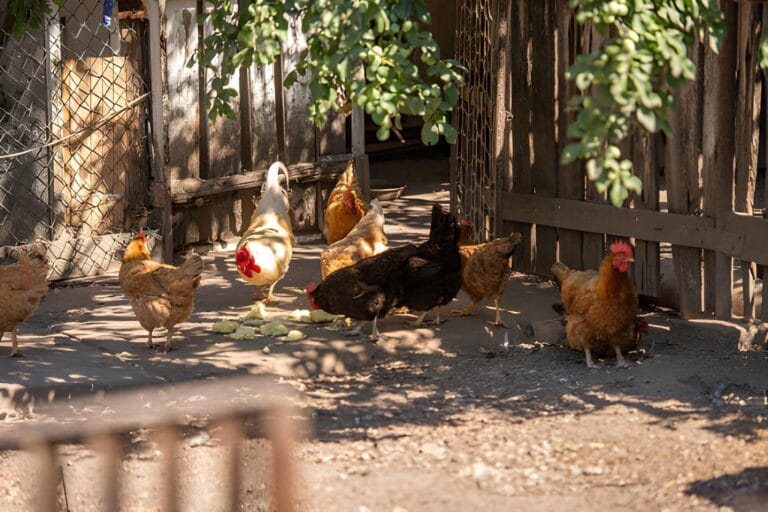
If you already keep chickens, backyard egg sales can be a simple way to offset feed costs. Many people like fresh local eggs, especially when they know where they came from.
This is one of the most common homesteading jobs, but it should be approached realistically. Chickens are not free. They need feed, clean water, housing, bedding, protection from predators, health care, and daily attention.
Before selling eggs, check your local rules. Some areas have requirements for washing, refrigeration, labeling, packaging, or where eggs can be sold.
Egg sales are best for people who already enjoy keeping chickens and have more eggs than their household can use. It is usually better as a support income than a major profit source, especially for beginners.
To start, track how many extra eggs you have each week. Then ask neighbors, friends, or local groups whether they would be interested in regular egg pickup. Keep packaging clean and simple.
Expert Advice: Do not get chickens only because you want to sell eggs. Keep chickens because they fit your homestead, then treat extra eggs as a bonus income.
7. Farm Sitting and Animal Care
Farm sitting is a service-based homesteading job where you care for someone’s animals, garden, or homestead while they are away. It can be especially valuable because many homesteaders struggle to travel. Animals, gardens, and daily chores still need attention.
Farm sitting tasks may include feeding chickens, collecting eggs, refreshing water, checking fences, opening and closing coops, feeding goats or rabbits, watering gardens, checking greenhouses, and sending updates to the owner.
This job is best for reliable people who are comfortable with animals, routines, and responsibility. You do not need your own farm, but you do need to be trustworthy and careful.
Farm sitting can also be a great learning opportunity. Before getting chickens, goats, ducks, or other animals of your own, you can gain experience by helping others.
To start, offer simple services to people you know or local homesteaders nearby. Be clear about what animals you can handle and what tasks you are comfortable doing.
Quick Tip: Take notes during every farm sitting job. Feeding amounts, gate routines, water locations, and animal habits matter.
8. Garden Setup Services
Many people want to grow food but feel overwhelmed by the first steps. Garden setup services help beginners move from wanting a garden to actually planting one.
This job can include raised bed setup, container garden planning, soil filling, mulching, planting seedlings, setting up trellises, creating herb gardens, adding simple watering systems, or helping someone choose beginner-friendly vegetables.
You do not need to be a professional landscaper to offer basic beginner help. You only need to know your limits and offer services you can do well.
This job is best for people who enjoy practical outdoor work and explaining simple steps to beginners.
To start, create one clear service package. For example, “beginner herb garden setup,” “one raised bed vegetable garden,” or “small-space container garden.” A clear package is easier for customers to understand than a long list of random services.
Garden setup work is often strongest in spring, but it can also be useful in fall when people prepare beds, add compost, or plan for the next growing season.
Common Mistake: Do not overpromise. Keep your first service simple and realistic so you can do it well.
9. Composting and Soil Services
Composting and soil improvement can become useful homesteading jobs because many beginner gardeners struggle with soil. They may not know how to compost, what to do with kitchen scraps, how to improve raised beds, or why their plants are not growing well.
Composting services can include setting up compost bins, helping with worm bins, troubleshooting compost piles, adding mulch, improving garden beds, creating leaf mold systems, or teaching people how to manage kitchen scraps.
If you have enough space, you may also be able to sell compost, worm castings, or soil mixes, depending on your local rules and quality control.
This job is best for people who enjoy gardening, soil health, and practical problem-solving. It is not the most glamorous homesteading job, but it can be very valuable.
To start, learn one composting system well. A simple backyard compost bin or worm bin setup is enough for many beginners. Then offer a basic setup or troubleshooting service.
Quick Tip: Healthy soil is the foundation of a productive garden. If you help someone improve their soil, you help them grow better food.
10. Seed Starting
Seed starting is one of the easiest seasonal homesteading jobs to test. Many gardeners want strong plants in spring but do not want to start seeds themselves.
You can start extra seedlings indoors, in a greenhouse, on a shelf with grow lights, or in a sunny protected space. Then sell them locally when planting season begins.
Good beginner seedlings include tomatoes, peppers, basil, lettuce, kale, cucumbers, zucchini, marigolds, calendula, and other easy garden plants.
This job is best for people who enjoy planning ahead, caring for young plants, and working seasonally. It can be done in a small space, but plants do need light, water, labels, and regular attention.
To start, choose a small number of popular varieties. Do not start hundreds of plants before knowing what people want. Grow healthy seedlings, label them clearly, and share planting tips with buyers.
Seed starting also pairs well with garden setup services. Someone who buys your seedlings may also need help planting them.
Budget Tip: Start with a small tray of extra seedlings before investing in a large grow light system or greenhouse.
11. Teaching Homesteading Workshops
Teaching workshops is a great homesteading job for people who enjoy helping beginners. Many practical skills feel intimidating until someone explains them clearly.
Workshop topics can include beginner gardening, seed starting, composting, growing herbs, food preservation, sourdough bread, pantry planning, raised bed gardening, backyard chickens, or small-space homesteading.
Workshops can be local or online. You can teach from your backyard, kitchen, community space, garden club, local market, or through video calls.
This job is best for people who are patient, clear, and comfortable answering beginner questions. You do not have to know everything. You only need to teach a skill you understand well and stay honest about your experience.
To start, choose one simple workshop topic. Keep it focused. “How to Start a Beginner Herb Garden” is easier to teach than “Everything About Homesteading.”
Expert Advice: Beginners do not need advanced information first. They need confidence, simple steps, and encouragement to start.
12. Starting a Homesteading Blog
A homesteading blog is a long-term online job that can grow into income over time. It is not fast money, but it can become a strong asset if you enjoy writing, SEO, Pinterest, photography, and teaching.
A blog can earn through display ads, affiliate links, sponsored content, digital products, email newsletters, courses, and printable guides.
Good blog topics include beginner gardening, food preservation, apartment homesteading, simple living, pantry organization, budget garden projects, composting, herbs, raised beds, backyard projects, and seasonal self-sufficiency skills.
This job is best for people who like creating helpful content and are willing to stay consistent. A blog takes patience. You may write many articles before seeing serious traffic.
To start, choose a specific audience. For example, beginner homesteaders, apartment homesteaders, backyard gardeners, or people learning food preservation. Then write articles that solve real problems for that reader.
Quick Tip: A blog is like planting a garden. Each article is a seed. Some grow slowly, but helpful content can keep bringing traffic long after it is published.
13. Pinterest or Social Media Content Creation
Pinterest and social media content creation can support your own homesteading business or become a service you offer to others. This is a strong option if you enjoy design, writing short descriptions, organizing content, or creating visuals.
Many homesteading blogs, garden websites, handmade product shops, farms, and food creators need help with content. They may need Pinterest pins, pin descriptions, blog graphics, Canva templates, short videos, content calendars, product photos, or social media captions.
This job is best for creative people who enjoy visual content and understand what makes readers click, save, and visit a website.
To start, practice by creating content for your own homesteading projects or blog. Build a small portfolio with sample pins, graphics, and captions. Then offer a simple service, such as monthly Pinterest pin creation for garden bloggers or small homestead businesses.
This job does not require land, which makes it useful for apartment homesteaders or beginners still building their physical skills.
Common Mistake: Do not create pretty content with no purpose. Every pin or post should answer a question, solve a problem, or lead the reader somewhere useful.
14. Freelance Writing in Gardening or Homesteading
Freelance writing is a good homesteading job for people who enjoy research, teaching, and clear explanations. You can write for blogs, garden websites, small farms, seed companies, homesteading brands, local businesses, or simple living websites.
Topics may include vegetable gardening, raised beds, composting, food preservation, herbs, backyard chickens, seasonal planting, simple living, pantry planning, budget gardening, or homestead projects.
This job is especially useful if you do not have land yet. You can still work in the homesteading niche by writing helpful content.
To start, create a few sample articles. Your own blog can become your portfolio, or you can write sample posts on topics you understand well. Focus on being clear, practical, and beginner-friendly.
Freelance writing can also help you improve your own blog because you learn SEO, article structure, headlines, and reader intent.
Quick Tip: Write for the beginner who is confused, not for the expert who already knows everything. Clear, useful writing is valuable.
15. Seasonal Farm Work
Seasonal farm work is one of the most hands-on homesteading jobs. It may include planting, harvesting, weeding, greenhouse work, washing vegetables, packing produce boxes, feeding animals, pruning, setting up markets, or helping during busy farm seasons.
This job is best for people who want real experience before building their own homestead. It teaches what homesteading and farming feel like in real life, not just how they look online.
Seasonal farm work can be physically demanding, but it can teach valuable skills quickly. You may learn crop timing, tool use, animal routines, harvest handling, market preparation, and the daily rhythm of farm life.
To start, look for local farms, market gardens, orchards, nurseries, greenhouses, or community farms that need seasonal help. Be honest about your experience and willingness to learn.
This may not be the most flexible online-style job, but it can be one of the best ways to build confidence and practical knowledge.
Expert Advice: Seasonal farm work is not only about income. It can help you discover which parts of homesteading you actually enjoy before investing in land, animals, or expensive equipment.
FAQ
What are the best homesteading jobs for beginners?
The best homesteading jobs for beginners are simple, practical, and easy to start small. Good beginner options include selling herbs, seed starting, market gardening, homemade bread, food preservation education, handmade soap, farm sitting, garden setup services, composting help, teaching workshops, blogging, Pinterest content creation, freelance writing, and seasonal farm work.
The best choice depends on your space, skills, budget, and available time.
Which homesteading job is easiest to start?
The easiest homesteading job is usually the one connected to something you already do. If you already garden, seed starting or selling herbs may be easiest. If you already bake, homemade bread may be a good first idea. If you enjoy writing, blogging or freelance writing may be a better fit.
Start with the skill that feels most natural, then turn it into one clear offer.
Can beginners make money from homesteading?
Yes, beginners can make money from homesteading, but it usually starts small. Most people begin with side income instead of replacing a full-time job immediately.
Small income can still be useful. It can help pay for seeds, soil, tools, jars, animal feed, baking supplies, or future homestead projects. Over time, one small idea can grow into a more reliable income stream.
Do I need experience to start a homesteading job?
You do not need to be an expert, but you do need to be honest about what you can do well. Start with beginner-friendly skills and keep your first offer simple.
For example, you do not need to know everything about gardening to sell a few healthy herb plants. You do not need to own a farm to write helpful beginner content. You do not need to be a professional baker to test one simple homemade bread offer where local rules allow.
What homesteading jobs can I do online?
Online homesteading jobs include blogging, freelance writing, Pinterest content creation, social media content, digital printables, online workshops, beginner guides, email newsletters, and affiliate content.
These are good options if you do not have land or if you prefer flexible work from home. They also pair well with physical homesteading projects because you can document what you are learning.
Are homesteading jobs full-time or part-time?
Most homesteading jobs begin part-time. This is usually the safest and most realistic way to start because it gives you time to test ideas, build skills, and understand what people actually want.
Some homesteading jobs can become full-time businesses later, but they usually require consistency, planning, customers, and good records.
What can I sell from a beginner homestead?
From a beginner homestead, you may be able to sell herbs, seedlings, vegetables, eggs, baked goods, preserves, flowers, handmade soap, candles, compost, worm castings, digital guides, or simple workshops.
Always check local rules before selling food, eggs, animal products, or handmade body products.
Which homesteading jobs are best for people with no land?
The best options for people with no land include herbs in pots, seed starting, handmade products, homemade bread where allowed, food preservation education, blogging, Pinterest content, freelance writing, digital guides, and online workshops.
These ideas allow you to build useful skills before you have a larger homestead.
Conclusion
The best homesteading jobs are the ones that help you start small, learn by doing, and build confidence without overwhelming your life. You do not need to master every homesteading skill before you begin. One useful skill is enough to take the first step.
Maybe you start with a few herb plants, a tray of seedlings, a simple bread offer, a farm sitting service, a helpful blog post, or a handmade product. The idea does not need to be perfect. It only needs to be realistic, useful, and manageable.
As you grow, pay attention to what people need, what you enjoy, and what fits your space and budget. A good homesteading job should support your self-sufficient lifestyle, not make it feel stressful or complicated.
Choose one idea from this list and test it small. With patience and steady improvement, a simple homesteading skill can become a meaningful source of income.