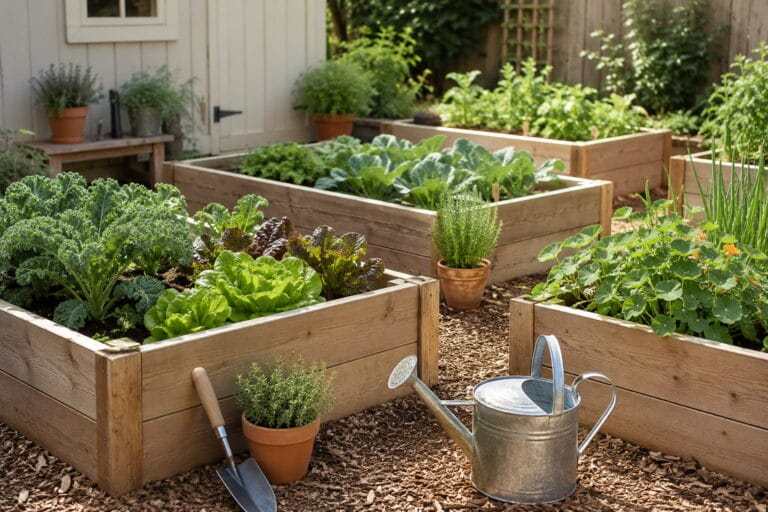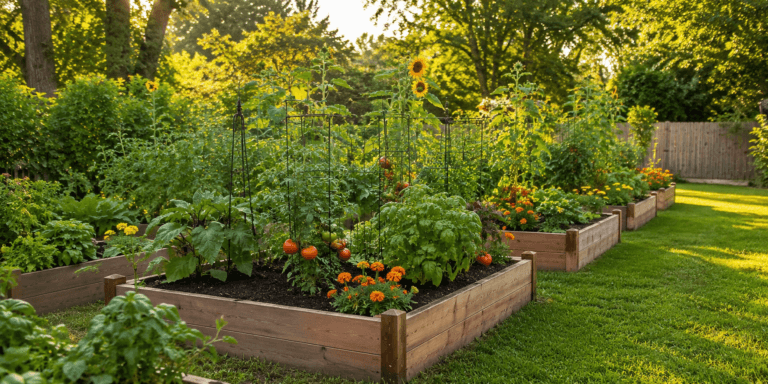
10 Easy Vegetables to Grow for Beginners
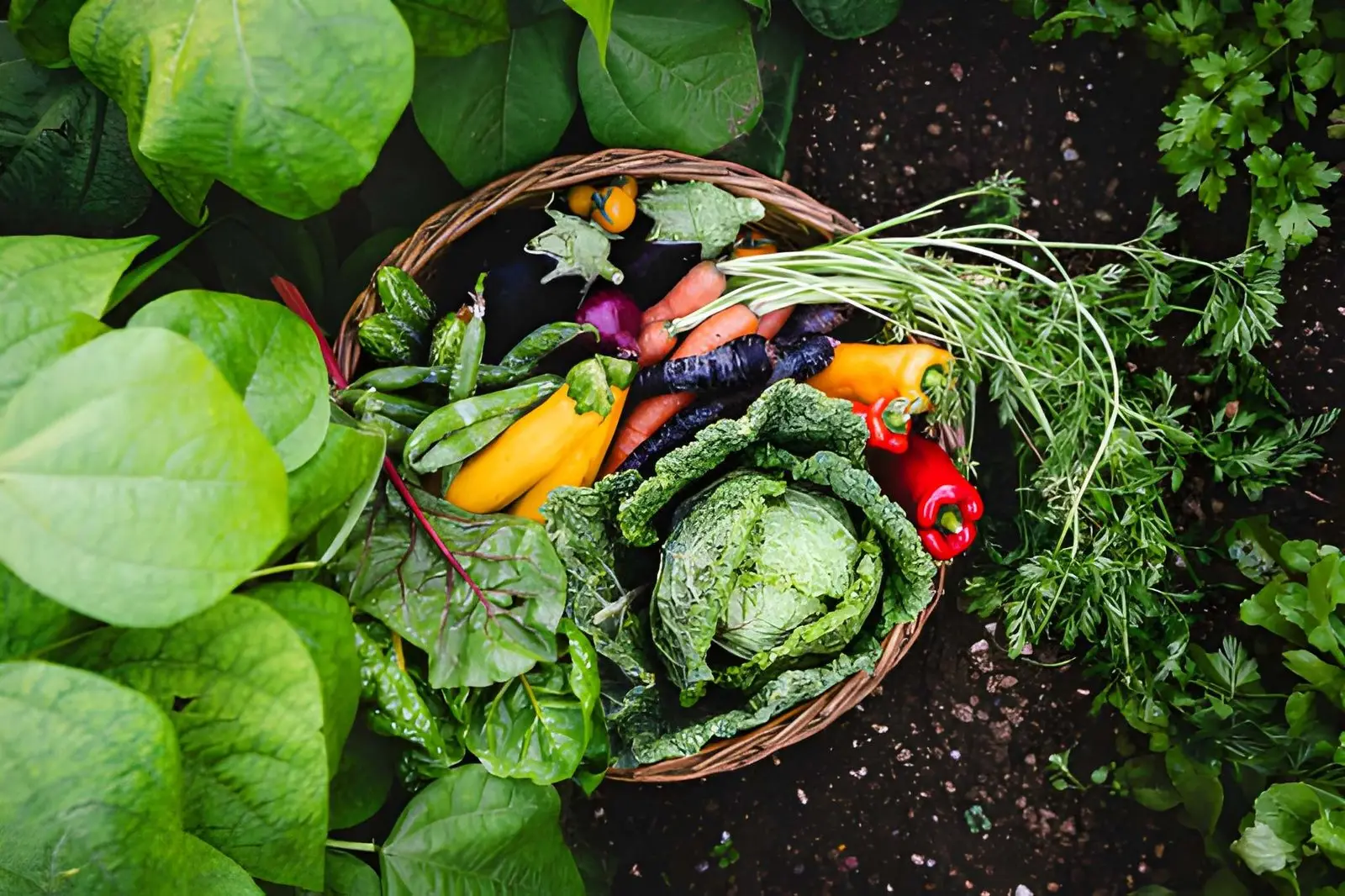
Easy vegetables to grow for beginners include radishes, leaf lettuce, bush beans, zucchini, cherry tomatoes, cucumbers, Swiss chard, peas, carrots, and green onions. These crops are good first choices because they germinate reliably, grow relatively quickly, produce generously, or tolerate small beginner mistakes. However, even an easy vegetable must be planted in the correct season and provided with suitable sunlight, soil, water, and space.
This guide compares ten dependable vegetables for a first garden. You will learn which crops grow well in containers, which should be planted directly from seed, and how to avoid the mistakes that can make an otherwise simple crop unnecessarily difficult.
In Short
For a simple first garden, start with leaf lettuce, radishes, bush beans, Swiss chard, and green onions. Add a cherry tomato transplant or trellised cucumber if you have at least six to eight hours of direct sunlight. Plant cool-season vegetables during mild weather and wait until frost danger has passed before planting heat-loving crops.
Key Takeaways
- Leaf lettuce, radishes, bush beans, Swiss chard, and green onions are among the most manageable vegetables for new gardeners.
- Radishes, beans, peas, carrots, and most greens are normally sown directly where they will grow.
- A healthy cherry tomato transplant is usually easier for a beginner than starting tomatoes from seed.
- Cool-season and warm-season vegetables should not all be planted at the same time.
- A small garden containing three to five crops is easier to maintain than an oversized first garden.
What Makes a Vegetable Easy to Grow?
An easy vegetable is not simply one that grows quickly. The best beginner crops combine dependable germination, uncomplicated care, visible progress, reasonable resistance to common problems, and a harvest that justifies the space used.
The vegetable must also suit your conditions. Zucchini can be extremely productive in an open bed but difficult on a small balcony because one mature plant occupies considerable space. Leaf lettuce is easy during cool spring weather but may quickly become bitter and produce a flower stalk during summer heat.
Before selecting seeds, consider four basic factors:
- Season: Determine whether the crop prefers cool or warm conditions.
- Sunlight: Fruiting vegetables generally require more direct sun than leafy vegetables.
- Space: Check the mature plant size, not the size of the seedling.
- Food preferences: Grow vegetables that you and your household will actually eat.
If you want to try several crops without buying many separate packets, a beginner vegetable seed collection can simplify the first purchase. Check the included varieties before ordering, because a large seed bundle is not useful if many of its crops are unsuitable for your climate or available space.
Most fruiting vegetables perform best with at least six to eight hours of direct sunlight. Leafy vegetables such as lettuce and Swiss chard may produce a usable harvest with less sun, although their growth can be slower.
10 Easy Vegetables for a Beginner Garden
| Vegetable | Preferred season | Container suitable? | Why it suits beginners |
|---|---|---|---|
| Radishes | Cool | Yes | Fast growth and quick feedback |
| Leaf lettuce | Cool | Yes | Shallow roots and repeat harvesting |
| Bush beans | Warm | Yes | Direct sowing and no tall trellis |
| Zucchini | Warm | Large containers only | Generous harvest from one plant |
| Cherry tomatoes | Warm | Yes | Productive and readily available as transplants |
| Cucumbers | Warm | Yes, with support | Fast-growing and space-efficient on a trellis |
| Swiss chard | Cool to mild | Yes | Long harvest and some heat tolerance |
| Peas | Cool | Yes, with support | Direct sowing and visible growth |
| Carrots | Cool | Yes, if deep enough | Direct sowing and uncomplicated care |
| Green onions | Cool to mild | Yes | Minimal space and simple harvesting |
1. Radishes
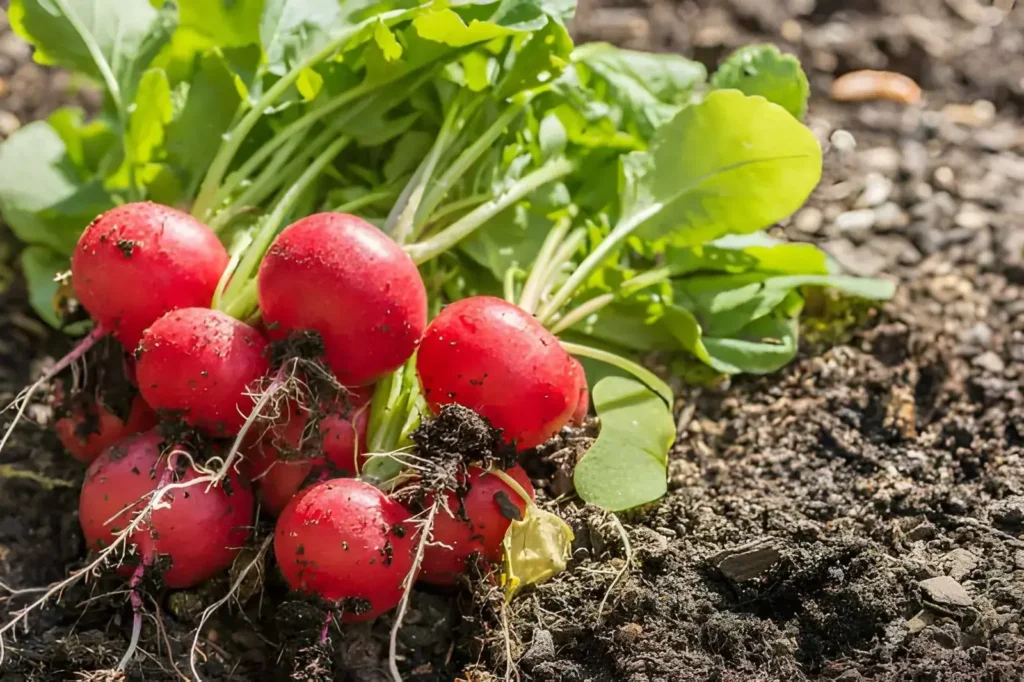
Radishes are among the fastest vegetables a beginner can grow. Many spring varieties mature quickly, allowing you to see the results of your care without waiting all summer. They grow well in garden beds, window boxes, and containers with adequate drainage.
Sow radish seeds directly into loose soil during cool weather. Keep the surface consistently moist while the seeds germinate, then thin crowded seedlings according to the seed packet. Crowding can produce abundant leaves without allowing the roots to develop properly.
Harvest radishes when they reach the expected size for the variety. Roots left in hot soil for too long can become woody, pithy, or unusually pungent. For a longer harvest, sow a short row every one or two weeks while the weather remains suitable.
2. Leaf Lettuce
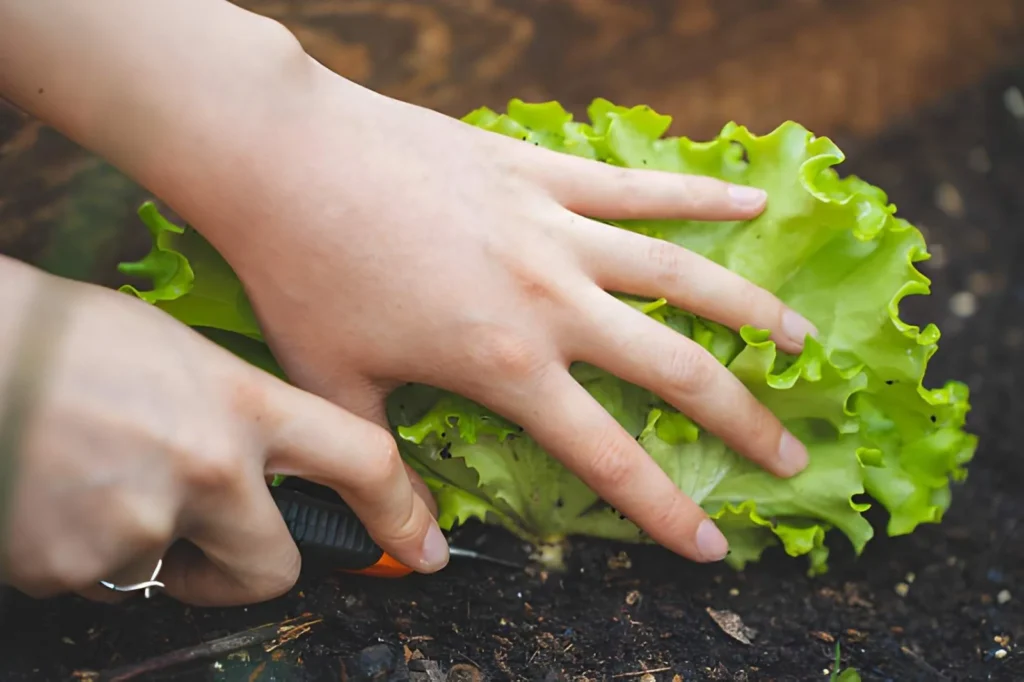
Loose-leaf lettuce is generally easier than lettuce grown for a firm head. You can harvest the larger outer leaves while allowing the center to continue growing, providing several small harvests instead of one final crop.
Lettuce has shallow roots and grows well in raised beds and containers. Sow it during cool weather, thin crowded seedlings, and keep the soil evenly moist. A light layer of clean mulch can help moderate the soil temperature and reduce moisture loss.
Heat and increasing day length can cause lettuce to bolt, meaning it sends up a flower stalk and often develops a bitter flavor. In regions with very hot summers, grow lettuce in fall, winter, or early spring instead of treating it as a summer crop.
3. Bush Beans
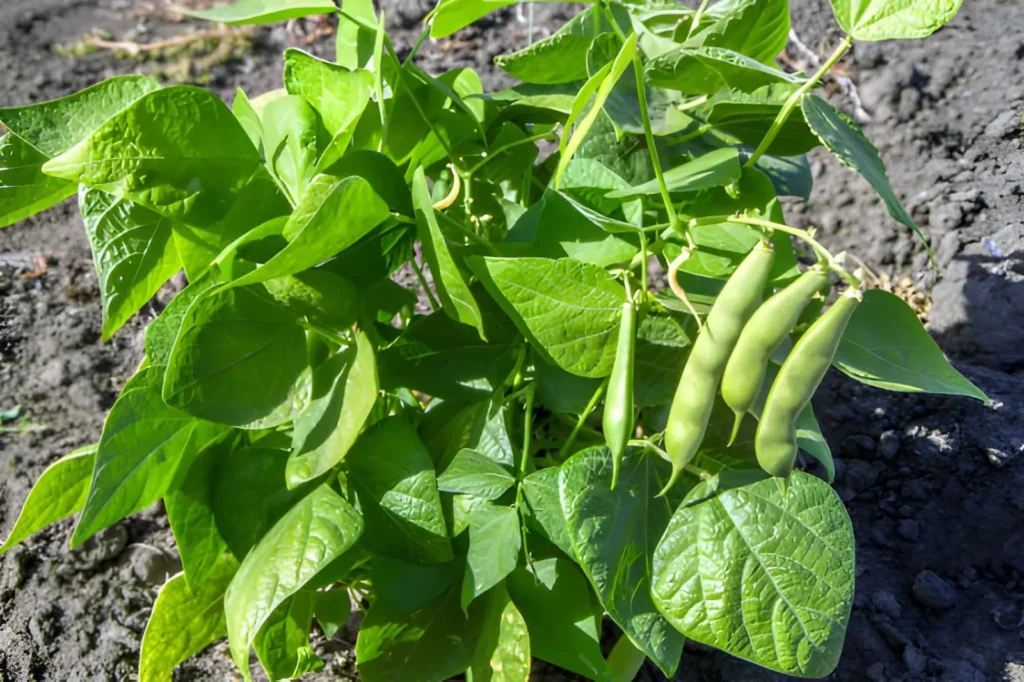
Bush beans grow on relatively compact plants and do not require the tall support used for pole beans. Their large seeds are easy to handle and are normally planted directly in the garden after the soil has warmed and frost danger has passed.
Give bush beans full sun, well-drained soil, and consistent moisture once flowers and pods appear. Avoid handling or harvesting from wet plants because working among wet foliage can contribute to the spread of certain diseases.
Pick snap beans while the pods are still tender. Frequent harvesting encourages continued production for as long as the variety and growing conditions allow. Sow another short row several weeks after the first if your growing season is long enough for succession planting.
4. Zucchini
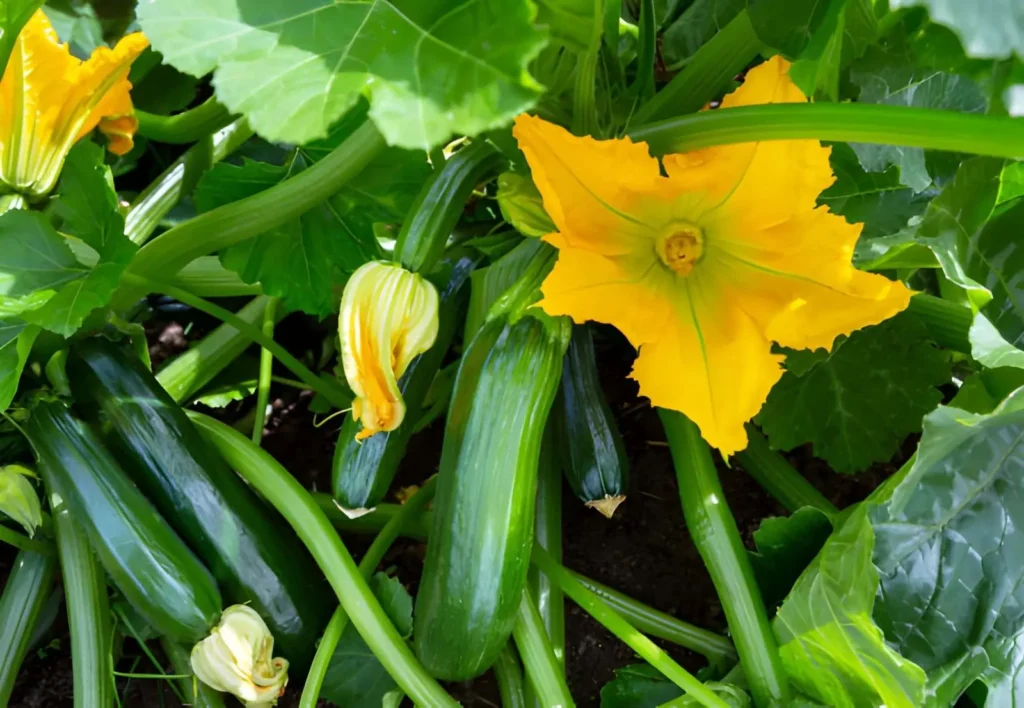
Zucchini is popular with beginners because one healthy plant can produce an impressive harvest. Sow it directly after the soil warms, or transplant a young plant carefully after frost danger has passed.
The principal limitation is its mature size. Even compact summer squash requires considerably more room than lettuce, radishes, or green onions. Give it generous space in an open bed so its leaves do not cover smaller crops.
For a patio or container garden, select a compact variety and use a large fabric grow bag with reinforced handles. A small decorative pot will dry quickly and may restrict the large root system. The container must also drain freely and remain stable when the plant reaches its mature size.
Check the plant frequently once fruit begins forming. Small to medium zucchini is usually more tender than oversized fruit hidden beneath the leaves. Squash bugs, squash vine borers, and powdery mildew can cause problems in some regions, so inspect the stems and both sides of the leaves regularly.
5. Cherry Tomatoes
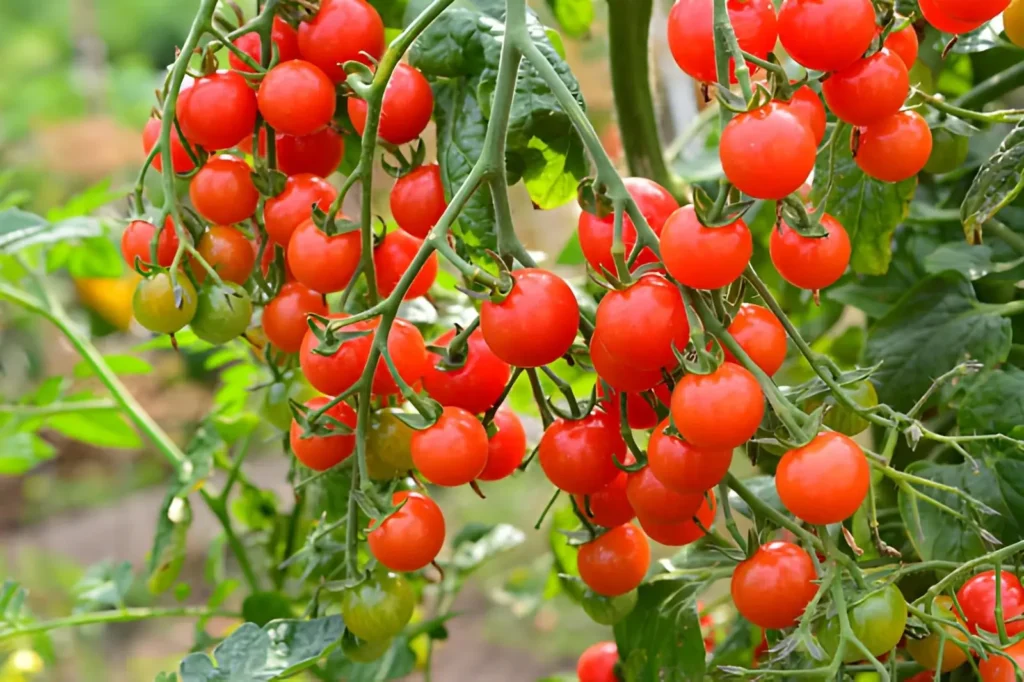
Tomatoes require more attention than radishes or lettuce, but cherry tomatoes deserve a place on this list because they are productive, widely available as transplants, and rewarding for first-time gardeners.
Choose a healthy, compact transplant suited to your growing region. Plant it outdoors only after frost danger has passed and nighttime temperatures are appropriate. Gradually acclimate greenhouse- or indoor-grown plants to outdoor sunlight and wind before transplanting. The Dreamsteading guide to hardening off seedlings explains this gradual adjustment process.
Provide full sun, consistent watering, and physical support. Install a sturdy tomato cage sized for the mature tomato variety when planting rather than waiting until the stems become difficult to contain. A small cage may support a compact patio tomato but can be overwhelmed by a vigorous indeterminate variety.
Irregular watering can contribute to fruit cracking and other problems. Avoid allowing the soil to repeatedly alternate between extremely dry and saturated. Container tomatoes need especially close attention because their potting mix can dry rapidly during warm or windy weather.
6. Cucumbers
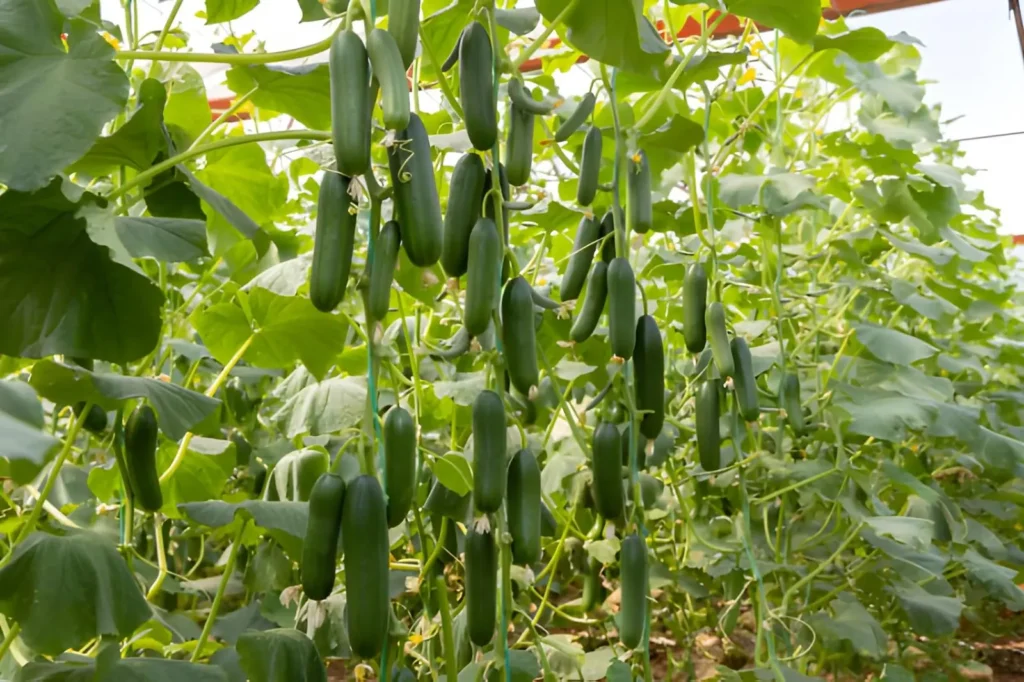
Cucumbers grow quickly in warm conditions and can use vertical space efficiently. Bush varieties suit large containers, while vining varieties can be trained upward. Vertical growing also makes the fruit easier to find and keeps more foliage off the soil.
A weather-resistant vegetable trellis can support a vining cucumber without occupying much horizontal space. Install the trellis before or immediately after planting so you do not damage established roots later. Place it where the mature vines will not shade shorter sun-loving crops.
Sow cucumbers after the soil has warmed or transplant them without unnecessarily disturbing their roots. They need consistent water, particularly during flowering and fruit development. Moisture stress can reduce growth and contribute to poorly shaped or bitter fruit.
Harvest cucumbers while they are firm and at the recommended size for the variety. Allowing mature fruit to remain on the vine can slow the production of additional cucumbers.
7. Swiss Chard
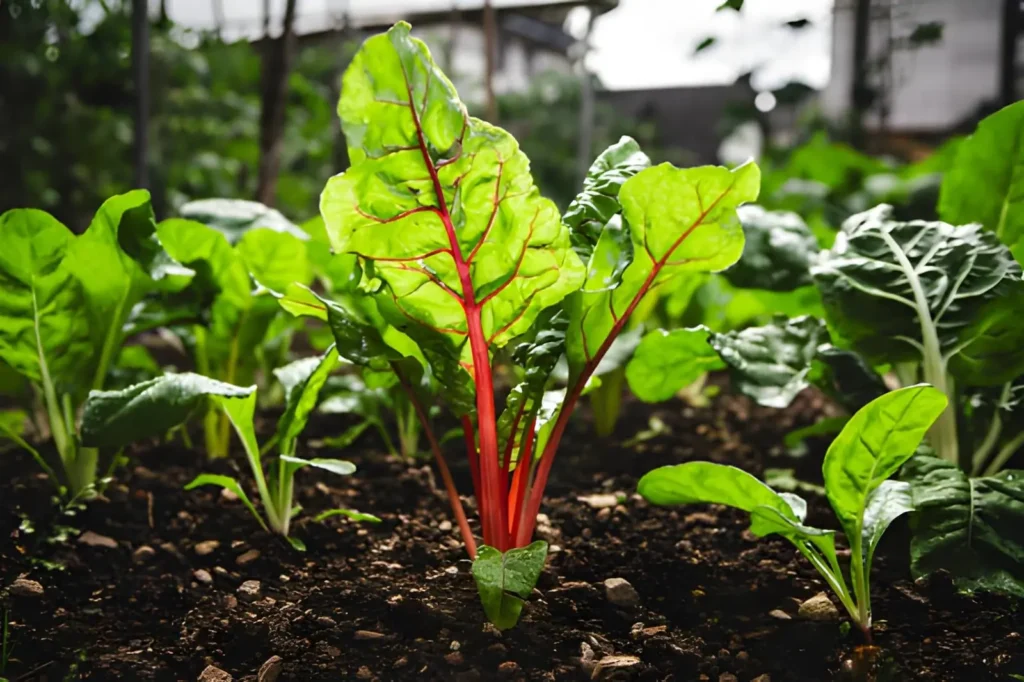
Swiss chard provides colorful stems and edible leaves over a long period. It tolerates warmer conditions better than many lettuces and spinaches, making it useful between the coolest and warmest parts of the gardening season.
Sow chard directly or purchase young transplants. Give each plant sufficient room to form a broad cluster of leaves. Harvest the larger outer stalks close to their base while leaving the smaller central leaves to continue growing.
Chard grows in garden beds and containers, but consistent moisture and regular harvesting produce the most tender leaves. Flea beetles and leaf miners may damage the foliage in some regions. Minor cosmetic damage does not always require treatment, but inspect and wash harvested leaves carefully.
8. Peas
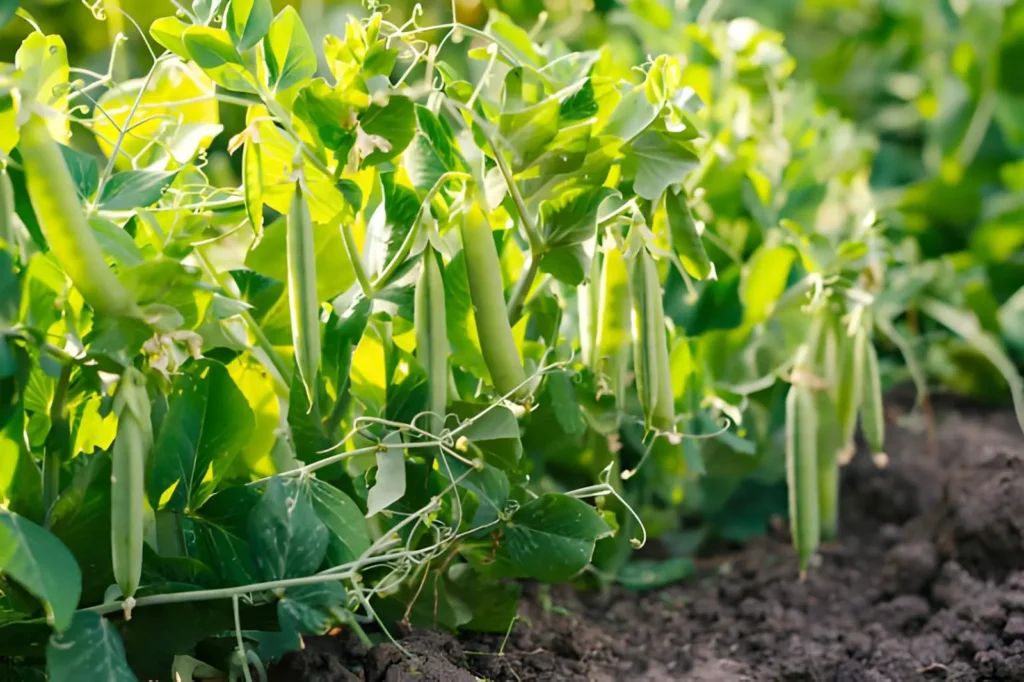
Peas prefer cool weather and are often planted in early spring, although the correct timing depends on local soil and weather conditions. They are usually sown directly because young pea roots do not benefit from unnecessary disturbance.
Short varieties benefit from light support, while tall varieties require a proper trellis. Install the support at planting time so you do not have to push stakes through an established root system later.
Keep peas evenly watered while they flower and develop pods. Harvest edible-pod varieties while the pods are tender, or allow shelling peas to fill before picking. Production naturally declines as the weather becomes hot, so peas should not be judged by their summer performance.
9. Carrots
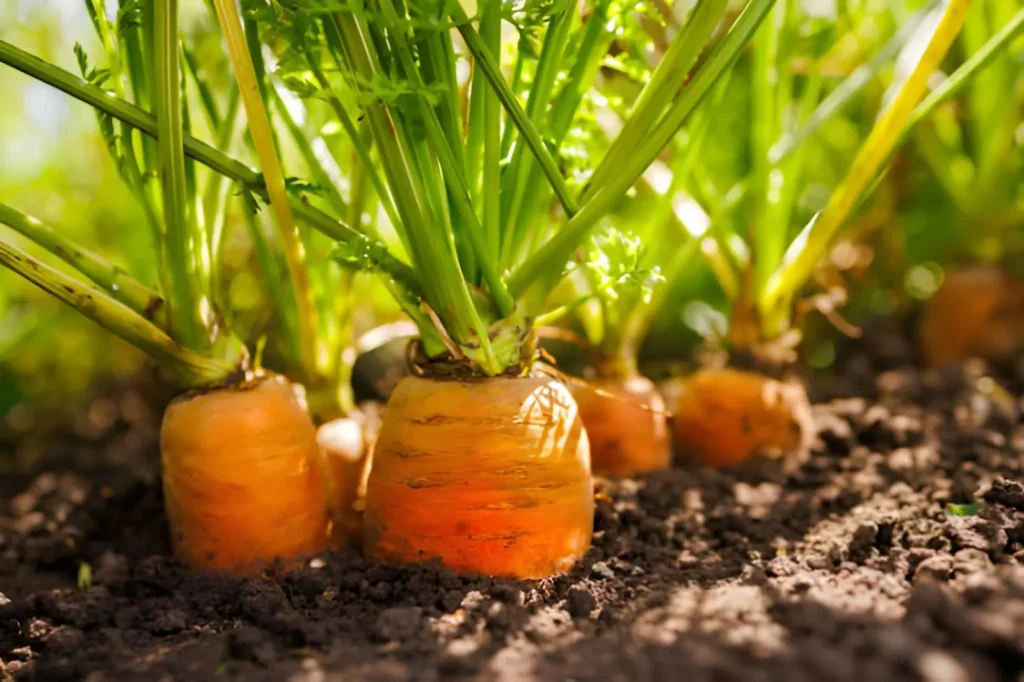
Carrots require patience during germination, but their ongoing care is straightforward when the soil is prepared correctly. Sow the seeds directly into loose, stone-free soil. A deep container filled with suitable growing mix can be easier to manage than dense or rocky ground.
Keep the surface moist while the small seeds germinate. Use gentle watering because a forceful stream can displace the seeds. Once the seedlings appear, thin them to provide enough room for each root to develop.
Short, round, or small-rooted carrot varieties are generally more forgiving in containers and shallow soil than very long varieties. Forked or twisted carrots remain edible, but their shape may indicate compacted soil, stones, crowding, excess nitrogen, or root disturbance.
10. Green Onions
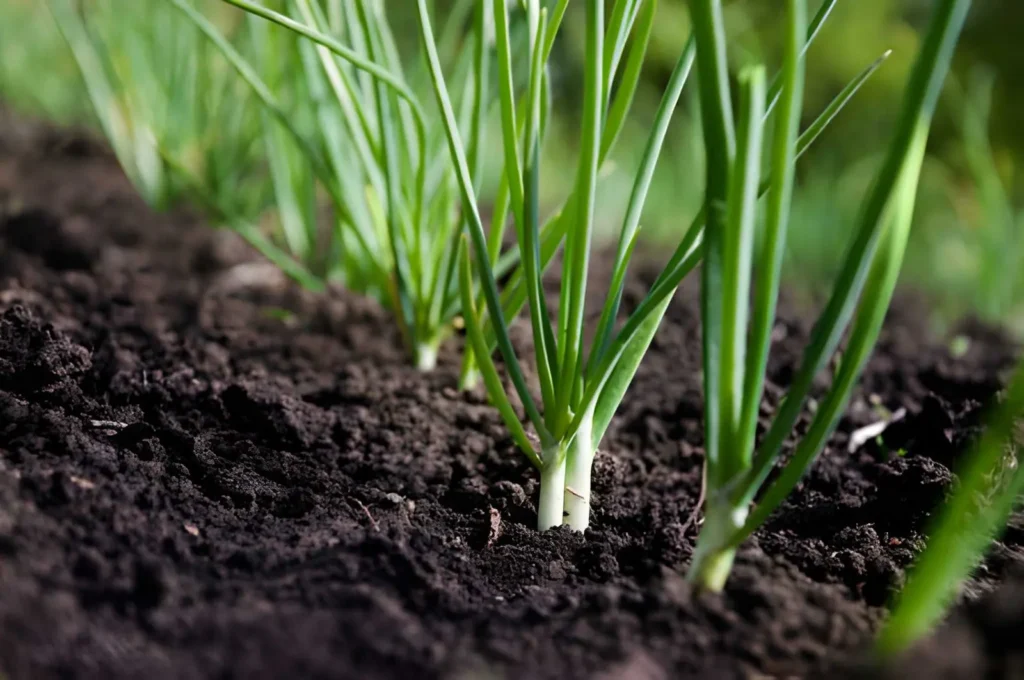
Green onions, also called scallions or bunching onions, require little space and are easy to harvest. Depending on the variety, you can start them from seed or suitable young plants. Follow the packet instructions because onions intended to produce large storage bulbs have different requirements.
Grow green onions in a sunny bed, railing planter, window box, or container. Keep the area weeded because their narrow, upright leaves do not shade competing plants. Harvest individual onions when the stems reach a useful size, or sow small batches periodically for a longer supply.
The cut base of a store-bought green onion may produce additional green growth when placed in water, but this is not a reliable method for maintaining a productive long-term crop. Water alone does not continually replace the nutrients used by the plant.
Benefits and Limitations of Easy Garden Vegetables
Benefits
- Quick crops such as radishes and leaf lettuce provide early feedback and help beginners build confidence.
- A mixture of roots, leaves, pods, and fruits teaches several useful gardening skills.
- Many beginner vegetables grow in containers as well as traditional garden beds.
- Repeat-harvest crops can provide useful produce from a relatively small space.
Considerations
- Even easy vegetables can fail when planted during the wrong season.
- Productive crops such as zucchini and tomatoes may require more space than expected.
- Local pests, humidity, extreme heat, and soil conditions affect which crops are easiest.
- Attempting all ten crops at once may be overwhelming for a first-time gardener.
How to Choose Your First Vegetables
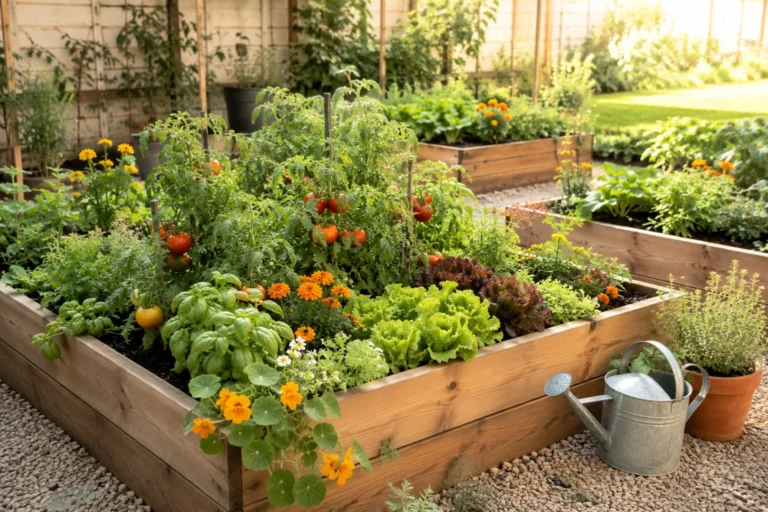
You do not need to grow all ten vegetables at once. Three to five carefully selected crops make a more manageable first garden. Start with your current season, then narrow the list according to sunlight, space, and what you enjoy eating.
- For quick results: Choose radishes and loose-leaf lettuce.
- For containers: Try lettuce, radishes, green onions, Swiss chard, or a compact cherry tomato.
- For a sunny raised bed: Combine bush beans, carrots, chard, and a trellised cucumber.
- For cool weather: Grow peas, lettuce, radishes, carrots, and green onions.
- For warm weather: Grow bush beans, zucchini, cherry tomatoes, and cucumbers.
- For a longer harvest: Select Swiss chard, cherry tomatoes, cucumbers, or repeat sowings of beans and lettuce.
Seed packets provide variety-specific information about planting depth, spacing, maturity, and growing conditions. Use those directions together with guidance from your local cooperative extension service. A general national calendar cannot account for every climate.
Conditions a Beginner Vegetable Garden Needs
Adequate Sunlight
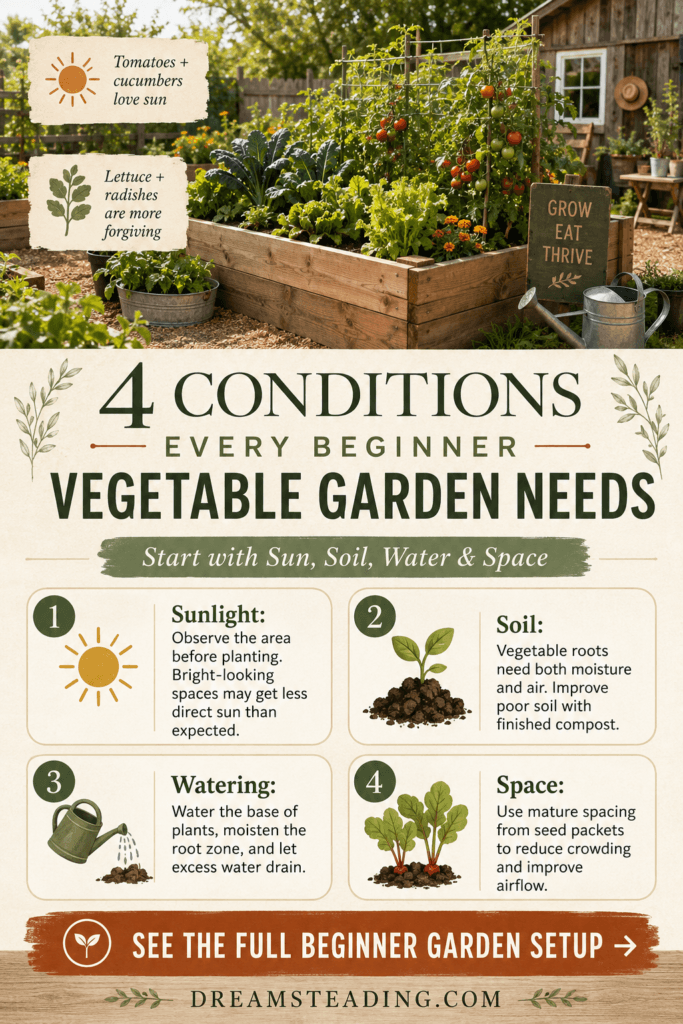
Observe the proposed garden area before planting. A location that looks bright may receive only a few hours of direct sun. Tomatoes, cucumbers, beans, and zucchini need a genuinely sunny position for strong production. Lettuce, chard, radishes, and green onions are more accommodating when light is somewhat limited.
Well-Drained Soil
Vegetable roots need moisture and air. Soil that remains saturated can deprive roots of oxygen and encourage disease, while extremely sandy soil may dry too rapidly. Improve garden soil with well-finished compost when appropriate, and use a quality container mix rather than filling pots with dense ground soil.
Consistent Watering
Check the soil instead of watering solely according to a fixed calendar. Containers, young seedlings, and shallow-rooted lettuce may require more frequent attention than established plants growing in the ground.
A narrow-spout watering wand with adjustable flow can help deliver water around the base of closely spaced plants without flattening seedlings or repeatedly soaking the foliage. Choose one with a shutoff control that is comfortable to operate, and reduce the pressure before watering newly planted seeds.
Water deeply enough to moisten the root zone, then allow excess water to drain. Avoid keeping the soil continuously saturated or allowing container plants to wilt repeatedly.
Enough Growing Space
Follow the mature spacing printed on the seed packet or plant label. Close spacing may appear efficient during planting but can increase competition for water, nutrients, and light. Poor airflow around overcrowded foliage may also favor certain diseases.
Common Beginner Mistakes
Myth
Easy vegetables can be planted at any time of year
Reality
An easy crop still has temperature and seasonal requirements. Peas and lettuce generally favor cool conditions, while beans, cucumbers, tomatoes, and zucchini need warm soil and protection from frost. Use local frost dates and regional planting guidance rather than following one universal planting date.
- Starting too large: One small bed or several containers provide enough space for learning essential skills.
- Ignoring mature plant size: Zucchini, cucumbers, and indeterminate tomatoes can overwhelm nearby vegetables.
- Planting every seed at once: Save some seed for succession planting instead of creating overcrowded rows.
- Watering only the surface: A brief sprinkle may not reach deeper roots.
- Letting containers dry completely: Pots can lose moisture rapidly during warm or windy weather.
- Ignoring plants between harvests: Regular observation helps identify pests, wilting, and disease early.
- Treating every insect as a pest: Some insects pollinate crops or feed on genuine garden pests.
When damage appears, identify its cause before choosing a response. The Dreamsteading guide to garden pest control for beginners explains how observation, prevention, barriers, and low-impact control methods fit into a practical management plan.
Climate, Seasonal, and Safety Considerations
Planting dates depend on your location
Do not rely on a planting calendar written for a different climate. Frost dates, summer heat, rainfall, elevation, and local pest pressure affect planting time. Check your regional cooperative extension service or another reliable local agricultural source before sowing.
In cold-winter climates, gardeners commonly begin with peas, lettuce, radishes, carrots, and onions in spring. Beans, cucumbers, tomatoes, and zucchini follow after frost danger has passed and the soil has warmed.
In hot climates, lettuce, peas, and radishes may perform best during fall, winter, or very early spring. Extreme summer temperatures can interrupt flowering, fruit production, and growth even when plants receive sufficient water.
Crop rotation can help organize future seasons and may reduce repeated exposure to certain crop-specific pests and diseases. It is not a complete treatment by itself, especially in a small garden, but keeping planting records remains useful. This beginner crop rotation guide explains how to plan by plant family.
If you combine vegetables, herbs, and flowers, treat companion planting as one planning tool rather than guaranteed pest control. The Dreamsteading guide to companion planting for beginners discusses useful combinations and their limitations.
Wash harvested produce under clean running water before preparing or eating it. Follow all label directions when using fertilizers, pesticides, or soil amendments. Store gardening products in their original containers and keep them away from children and pets.
Frequently Asked Questions
What is the easiest vegetable to grow for the first time?
Radishes and loose-leaf lettuce are two of the simplest cool-weather choices because they grow quickly and fit in small spaces. During warm weather, bush beans are an approachable direct-sown crop. The easiest choice ultimately depends on your local season and climate.
Which beginner vegetables grow best in containers?
Leaf lettuce, radishes, green onions, Swiss chard, carrots, bush beans, and compact tomato varieties can grow well in suitable containers. Cucumbers need a sufficiently large pot and usually benefit from a trellis. Match the container depth and volume to the plant’s mature size.
Should beginners use seeds or vegetable transplants?
Direct-sow radishes, carrots, peas, beans, and most leafy greens. Healthy transplants simplify warm-season crops such as tomatoes and can shorten the wait for a harvest. Cucumbers and zucchini can be direct-sown or transplanted carefully, depending on the local growing season.
How many vegetable varieties should a beginner grow?
Start with three to five vegetables rather than trying to grow everything. A small selection allows you to learn watering, spacing, harvesting, and pest observation without turning the garden into an unmanageable project.
Can vegetables grow with only four hours of direct sunlight?
Some leafy vegetables and green onions may produce a usable harvest with approximately four hours of direct light, although growth may be slower. Fruiting crops such as tomatoes, cucumbers, beans, and zucchini generally require more direct sunlight for dependable production.
How often should a beginner vegetable garden be watered?
There is no reliable schedule for every garden. Check the soil regularly and water when the root zone begins to dry. Weather, soil type, container size, plant maturity, and crop type all affect watering frequency. Aim for consistent moisture without leaving roots in saturated soil.
Which vegetables provide the fastest harvest?
Radishes and baby leaf lettuce are generally among the quickest. Green onions and other leafy vegetables can also be harvested before reaching full size. Check the days-to-maturity information on the seed packet because individual varieties differ.
Start With a Small Seasonal Garden
The best beginner vegetable garden is not the one containing the most crops. It is the one you can observe, water, and harvest consistently. Choose three to five vegetables suited to your current season, available sunlight, and growing space.
Leaf lettuce, radishes, bush beans, Swiss chard, and green onions make a particularly manageable starting group. A cherry tomato or trellised cucumber can add a rewarding warm-season crop when sufficient sunlight and growing space are available.
Keep simple notes about planting dates, varieties, weather, pests, and harvests. These records will help you make better decisions next season and gradually expand your garden without repeating the same avoidable mistakes.
Sources and Further Reading
- University of Illinois Extension: Get Started With Vegetable Gardening — guidance on sunlight, soil, drainage, site selection, and basic garden preparation.
- University of Illinois Extension: When to Plant — crop-specific planting methods, spacing, and seasonal planting guidance.
- University of Illinois Extension: Pick Your Gardening Technique — information about vertical growing and succession planting.
- University of Minnesota Extension: Planting the Vegetable Garden — guidance on direct sowing, transplanting, and cool- versus warm-season planting.
- Penn State Extension: Container Vegetable Gardening — container selection and management considerations for vegetable crops.
- USDA National Agricultural Library: Vegetable Gardening — a collection of research-based home vegetable gardening resources.