10 Smart Backyard Chicken Keeping Secrets For Confident Beginners
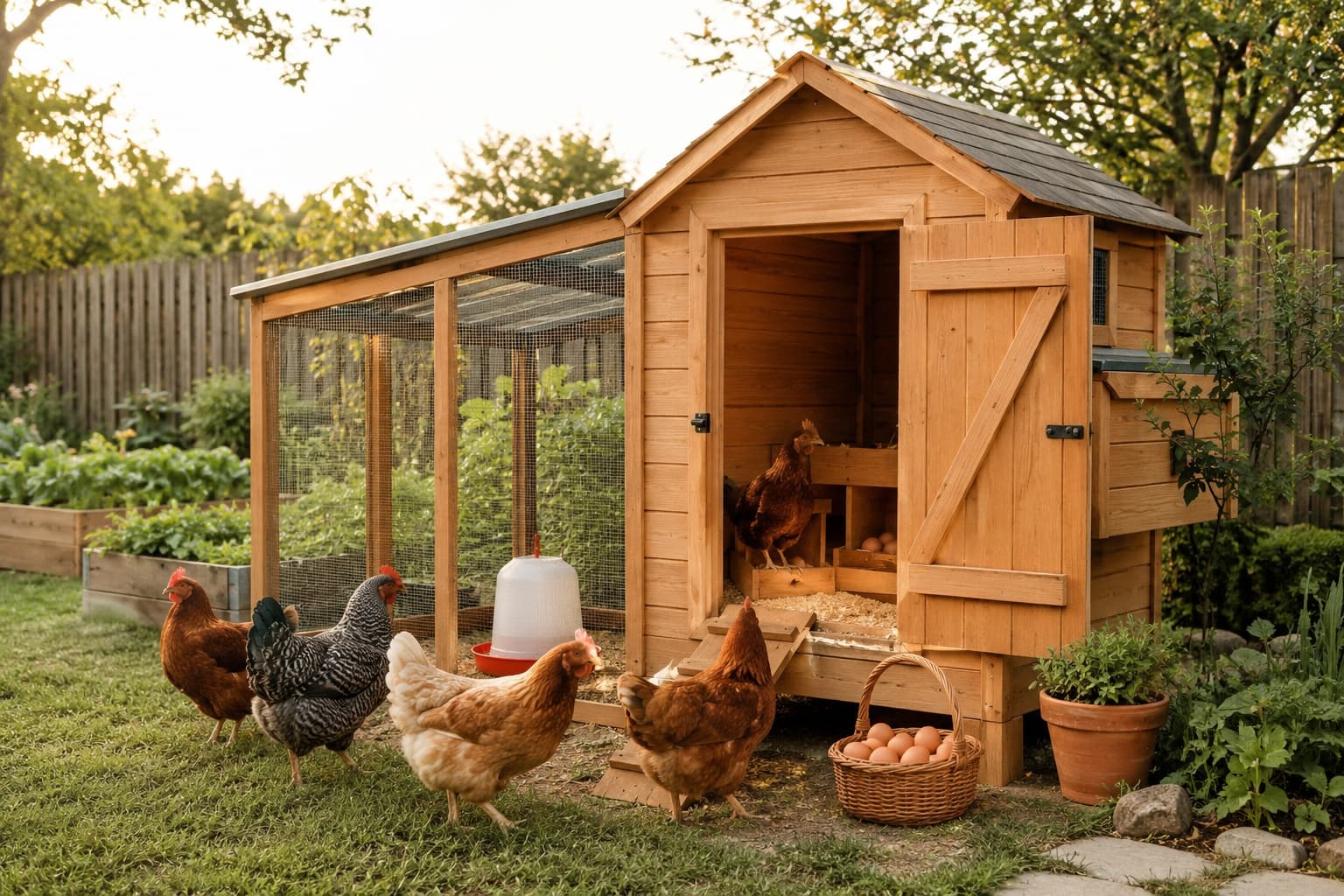
Backyard chicken keeping can be one of the most rewarding steps toward a more self-sufficient home.
There is something special about walking outside in the morning, hearing the hens talking quietly in the coop, and collecting fresh eggs from your own backyard. Chickens can bring life, routine, compost material, pest control, and a stronger connection to where your food comes from.
But chickens are not a decoration.
They are daily-care animals.
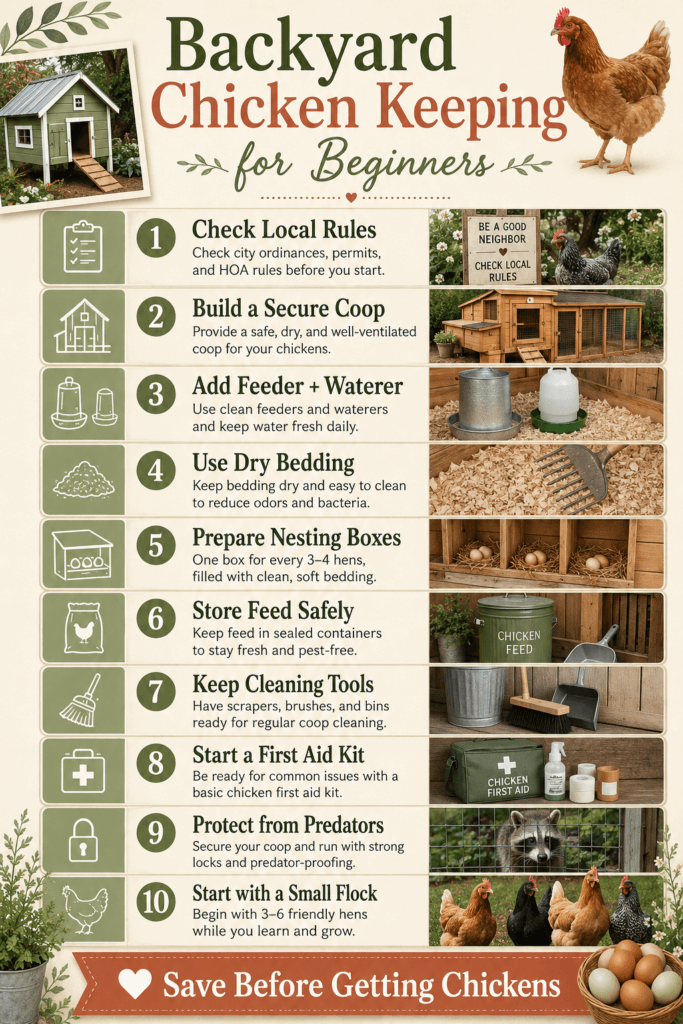
Before you bring hens home, you need a safe coop, reliable feed and water, clean bedding, predator protection, nesting boxes, basic health supplies, and a plan for everyday care.
If you are completely new to poultry, I recommend starting with Raising Chickens for Beginners so you understand the bigger picture before choosing supplies.
Affiliate Disclosure
This post may contain affiliate links. If you buy through these links, Dreamsteading may earn a small commission at no extra cost to you. I only recommend practical chicken keeping supplies that fit a beginner-friendly homesteading lifestyle.
Is Backyard Chicken Keeping Right for You?
Before buying chicks or hens, take a step back and ask if backyard chicken keeping fits your home, schedule, and local rules.
Chickens need care every day. They need fresh water, feed, shelter, protection from predators, clean bedding, and regular observation.
They also make noise, produce manure, scratch the ground, attract predators, and need space.
That does not mean chickens are difficult. It simply means they are a real responsibility.
Before getting chickens, check these basics:
- Are chickens allowed where you live?
- Do you need a permit?
- Is there a limit on flock size?
- Are roosters allowed?
- Do you have space for a secure coop and run?
- Can you care for them daily?
- Can you handle cleaning the coop?
- Do you have a plan for vacations or deployment?
- Are you ready for feed, bedding, and supply costs?
For most beginners, hens are easier than roosters. Hens can lay eggs without a rooster, and many neighborhoods do not allow roosters because of noise.
If you are still deciding which chickens to start with, Best Chicken Breeds for Beginners can help you choose calm, hardy, beginner-friendly breeds.
Basic Chicken Coop Requirements
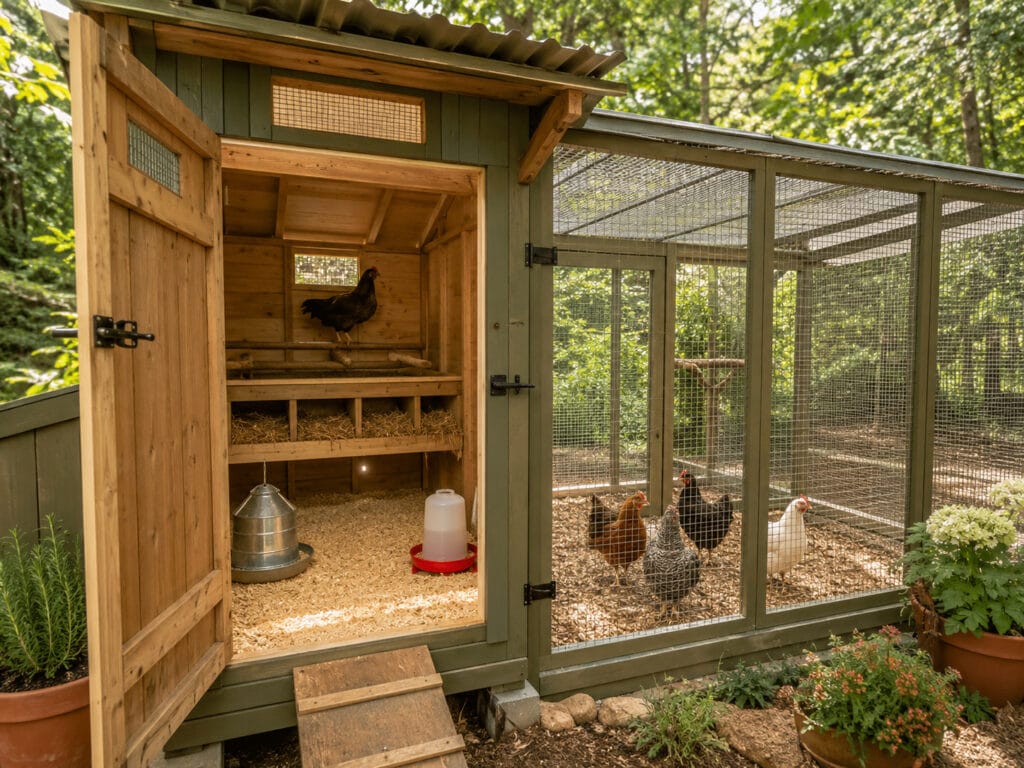
A good chicken coop is the foundation of backyard chicken keeping.
The coop does not need to be fancy, but it must be safe, dry, well-ventilated, easy to clean, and protected from predators.
A beginner-friendly coop should include:
- A secure enclosed sleeping area
- A predator-safe run
- Roosting bars
- Nesting boxes
- Good ventilation
- Dry bedding
- Easy access for cleaning
- A strong door latch
- Protection from rain, wind, sun, and predators
A coop should keep chickens safe at night and comfortable during the day.
Predators are one of the biggest risks in backyard chicken keeping. Raccoons, rats, dogs, cats, snakes, hawks, owls, and other animals may try to reach your flock.
This is why I do not recommend relying on weak chicken wire alone for predator protection. A stronger predator-proof hardware cloth is usually a better choice for openings, vents, and run protection.
A strong coop door latch is also important because some predators can open simple latches.
For a full setup guide, Backyard Chicken Coop Setup can help you plan the coop before you bring birds home.
Best Chicken Supplies for Beginners
You do not need every chicken product in the store, but a few supplies make daily care much easier.
Here are the beginner chicken supplies I would prepare before bringing chickens home.
1. Chicken Feeder
A good chicken feeder keeps feed cleaner and reduces waste.
You can use a hanging feeder, treadle feeder, or simple gravity feeder depending on your coop setup.
The goal is to keep feed off the ground, away from droppings, and easy for chickens to access.
If feed spills everywhere, it can attract rodents and pests. A good feeder helps you avoid that problem from the start.
2. Chicken Waterer
A clean chicken waterer is just as important as a feeder.
Chickens need fresh water every day, and they drink more during hot weather.
A waterer should be stable, easy to refill, and easy to clean. If it tips over constantly or fills with bedding, you will be frustrated quickly.
For small beginner flocks, a basic poultry waterer works well. For larger setups, nipple waterers or larger hanging waterers may be more practical.
3. Nesting Box Pads
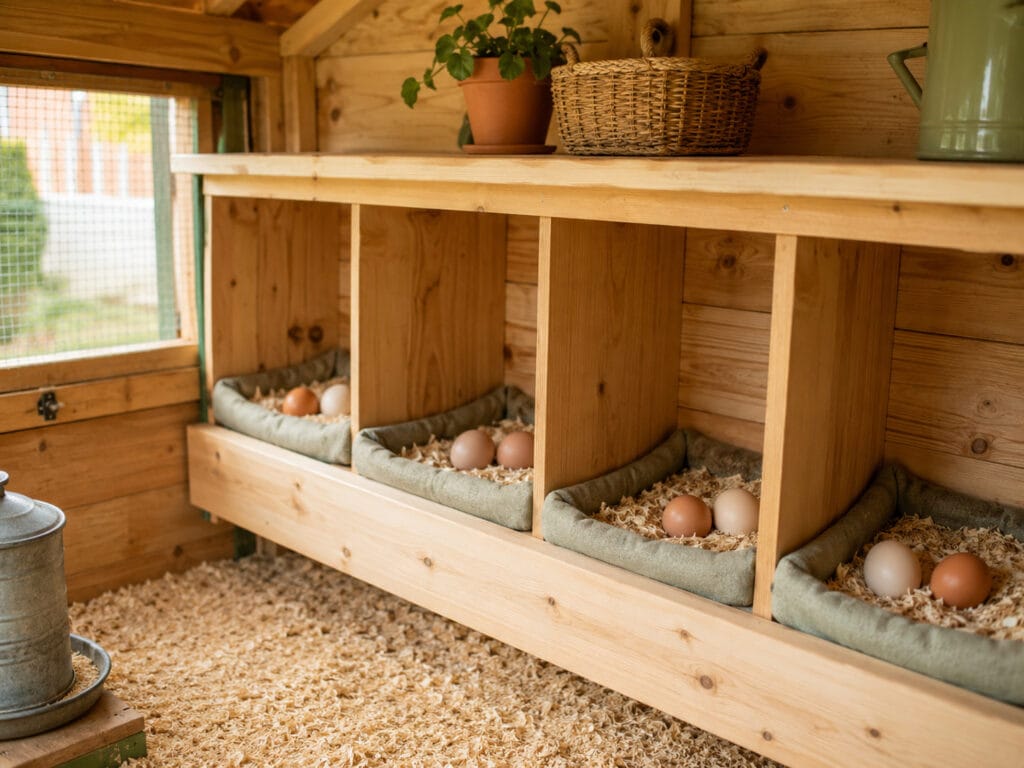
Hens need a clean, quiet place to lay eggs.
Nesting box pads help keep eggs cleaner and make nest boxes easier to maintain.
You can also use straw or shavings, but pads are simple for beginners because they are easy to remove, shake out, and replace when needed.
A good nest box should feel private, dry, and comfortable.
4. Coop Bedding
Coop bedding helps absorb moisture, reduce odor, cushion the floor, and keep the coop cleaner.
Common bedding options include pine shavings, straw, hemp bedding, chopped straw, or other poultry-safe materials.
Avoid bedding that molds easily or creates too much dust.
Dry bedding matters because wet bedding can lead to odor, flies, and unhealthy coop conditions.
5. Chicken Feed Storage Bin
A chicken feed storage bin keeps feed dry and protected from rodents.
Do not leave bags of feed open in a shed or coop.
Feed attracts mice, rats, insects, and moisture. A sealed metal or heavy-duty storage bin makes feed management much easier.
Use a feed scoop to measure and refill feeders cleanly.
6. Egg Basket
An egg basket is not required, but it makes egg collecting easier and more enjoyable.
You can use a wire egg basket, small wooden basket, or simple kitchen bowl.
Collecting eggs regularly helps keep them clean and reduces the chance of cracked or dirty eggs.
7. Coop Cleaning Tools
Basic coop cleaning tools are essential.
You will need a small rake, scraper, broom, bucket, gloves, and possibly a dedicated coop shovel.
I like keeping these tools separate from garden and kitchen tools.
A coop rake, poultry-safe disinfectant, and sturdy garden gloves can make cleaning faster and more hygienic.
8. Chicken First Aid Kit
A simple chicken first aid kit is smart to keep on hand before you need it.
It can include wound spray, gauze, gloves, electrolytes, poultry-safe antiseptic, tweezers, small scissors, and contact information for a poultry-friendly vet or local extension office.
A first aid kit does not replace veterinary care, but it helps you respond calmly to minor issues while you decide what to do next.
9. Grit and Oyster Shell
Chickens need grit to help digest food, especially if they eat treats, scraps, or forage.
Laying hens also need calcium support for strong eggshells.
Keep chicken grit and oyster shell available as needed, especially for mature laying hens.
Do not mix too many extras into their regular feed. Offer them separately so chickens can take what they need.
10. Dust Bath Area
Chickens naturally dust bathe to help maintain their feathers and reduce pests.
A simple dust bath area can be made with dry soil, sand, or a safe dust bath mix in a shallow container or protected part of the run.
A dust bath container can be useful if your run gets wet or muddy.
Feeders and Waterers
Feeders and waterers may seem simple, but they affect cleanliness, flock health, and daily chores.
A good feeder should:
- Hold enough feed for your flock
- Keep feed dry
- Reduce waste
- Be easy to refill
- Be easy to clean
- Keep feed away from droppings
A good waterer should:
- Stay upright
- Be easy to clean
- Hold enough water for the day
- Be protected from bedding and manure
- Be refilled with fresh water daily
I like to place feeders and waterers where chickens can reach them easily but cannot constantly scratch bedding into them.
If your flock is messy, raising the feeder slightly can help.
During hot weather, water is especially important. Chickens can overheat quickly, so always check water more than once on very hot days.
In cold weather, you may need a safe system to keep water from freezing.
The best chicken feeder and chicken waterer are not always the most expensive ones. They are the ones that stay clean, fit your flock size, and make daily care easier.
Bedding and Nesting Boxes
Bedding and nesting boxes make the coop more comfortable and easier to manage.
Good bedding helps absorb moisture and keeps the coop floor cleaner.
Good nesting boxes give hens a clean place to lay eggs.
For bedding, many beginners use pine shavings or straw. Hemp bedding is another option, though it may cost more. The best choice depends on your climate, coop design, budget, and cleaning routine.
The main rule is simple: keep bedding dry.
Wet bedding causes odor, attracts flies, and creates unhealthy conditions.
For nesting boxes, give hens a quiet space with clean material. Nesting box pads are a beginner-friendly option because they are simple to clean and help protect eggs.
Hens do not need one nesting box each. Several hens often use the same favorite box.
Still, you need enough nesting space so hens are not fighting or laying eggs on the coop floor.
Chicken Feed Basics
Chicken feed is one of the most important parts of keeping hens healthy and productive.
Chickens should not live on kitchen scraps alone.
They need a balanced poultry feed that matches their age and purpose.
Common feed stages include:
- Chick starter feed for young chicks
- Grower feed for growing pullets
- Layer feed for mature laying hens
- Flock raiser for mixed flocks when appropriate
Laying hens usually need layer feed once they are old enough to lay. Layer feed contains nutrients that support egg production.
They may also need oyster shell for extra calcium and chicken grit for digestion, especially if they eat more than commercial feed.
Treats should be limited.
Scratch grains, vegetable scraps, fruit scraps, and mealworms can be fun, but they should not replace balanced feed.
I like to think of treats as extras, not the main diet.
Store all feed in a sealed chicken feed storage bin to keep it dry and protected from pests.
Daily and Weekly Chicken Care
Backyard chicken keeping becomes easier when you build a routine.
Daily care does not have to take long, but it does need to happen consistently.
Daily Chicken Care
Every day, check:
- Fresh water
- Feed levels
- Egg boxes
- Coop door and latch
- Chicken behavior
- Signs of injury or illness
- Predator damage around the coop
- Weather conditions
Collect eggs at least once a day, and more often if it is very hot, very cold, or eggs are getting dirty.
Use an egg basket to make collection easier.
Weekly Chicken Care
Every week, check:
- Bedding moisture
- Feeder cleanliness
- Waterer cleanliness
- Nesting boxes
- Coop odor
- Run condition
- Dust bath area
- Feed storage
- Coop corners and vents
Use your coop cleaning tools to remove wet bedding, scrape dirty areas, and keep the coop manageable.
A clean coop does not need to look perfect, but it should be dry, safe, and low-odor.
Canning Safety? No — Chicken Safety
With backyard chickens, safety is about both the birds and your family.
Chickens can carry germs even when they look healthy, so good hygiene matters.
Always wash your hands after touching chickens, eggs, bedding, feeders, waterers, or anything in the coop area.
Keep coop shoes outside or separate from house shoes.
Do not let chickens walk inside your kitchen or home.
Do not kiss or snuggle chickens, even if they are friendly.
If you have young children, supervise them carefully around the flock and teach them to wash their hands after being near the chickens.
These habits are simple, but they make backyard chicken keeping much safer.
Common Beginner Chicken Keeping Mistakes
Getting Chickens Before the Coop Is Ready
Do not bring chickens home before the coop and run are finished.
Chickens need safe housing from day one.
Have the coop, feeder, waterer, bedding, nesting boxes, and predator protection ready first.
Underestimating Predators
Predators are clever.
A loose latch, weak wire, small gap, or unprotected vent can become a problem.
Use strong materials, secure doors, and check the coop regularly.
Buying Too Many Chickens
Start with a small flock.
A few hens are easier to manage than a large group. You can always expand later after you understand the routine.
Choosing the Wrong Breeds
Not every chicken breed is the same.
Some are calmer. Some lay more eggs. Some handle heat or cold better. Some are louder or more active.
Before choosing birds, read Best Chicken Breeds for Beginners so you start with breeds that fit your space and goals.
Skipping Local Rules
Before buying chickens, check your local rules.
Some areas limit flock size, ban roosters, require permits, or have coop placement rules.
Using Poor Bedding
Wet, moldy, dusty, or compacted bedding can cause problems.
Use dry coop bedding and change it as needed.
Letting Feed Sit Open
Open feed attracts pests.
Always store feed in a sealed chicken feed storage bin.
Forgetting Clean Water
Water gets dirty fast.
Clean the chicken waterer regularly and refill it with fresh water every day.
Ignoring Signs of Illness
Healthy chickens are alert, active, and interested in food and water.
If a chicken is hiding, limping, wheezing, not eating, or acting very different from normal, investigate early.
Keep a chicken first aid kit ready, and contact a poultry vet or local extension office when something seems serious.
Treating Chickens Like They Need Only Scraps
Kitchen scraps are not a complete diet.
Use balanced chicken feed as the foundation, then offer safe treats in moderation.
Backyard Chicken Supply Checklist
Before bringing chickens home, make sure you have:
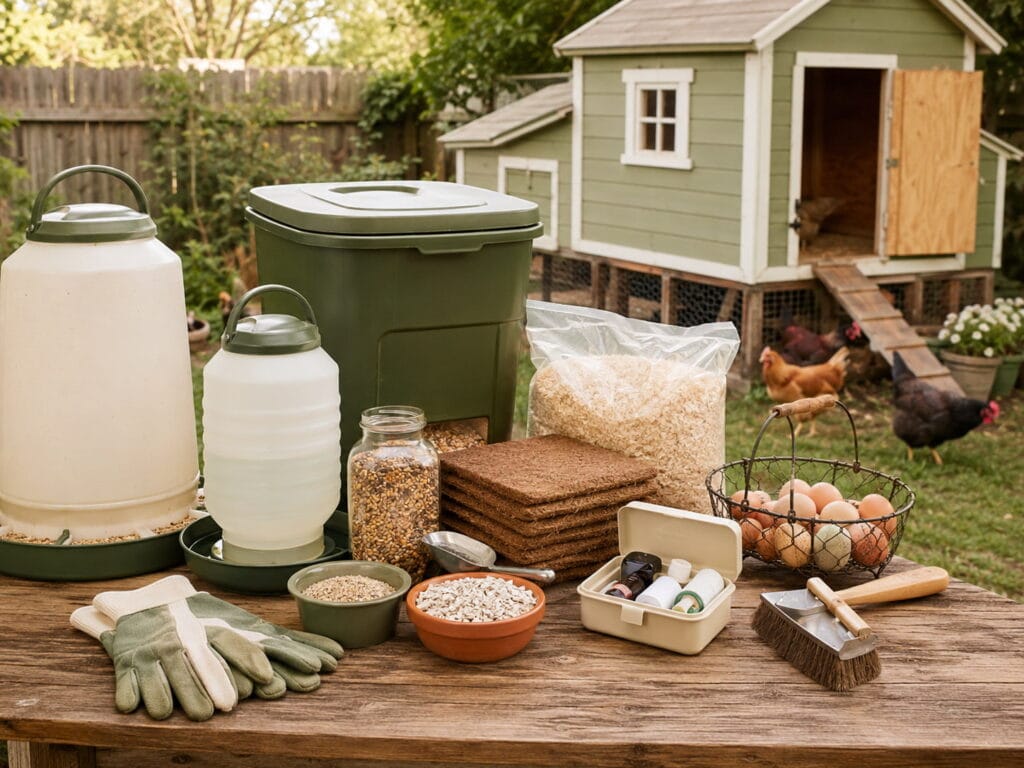
- Secure chicken coop
- Safe enclosed run
- Strong coop door latch
- Predator-proof hardware cloth
- Roosting bars
- Nesting boxes
- Nesting box pads
- Coop bedding
- Chicken feeder
- Chicken waterer
- Balanced chicken feed
- Chicken feed storage bin
- Feed scoop
- Chicken grit
- Oyster shell
- Egg basket
- Coop cleaning tools
- Coop rake
- Garden gloves
- Poultry-safe disinfectant
- Chicken first aid kit
- Dust bath container
- Shade and weather protection
- Handwashing plan
- Local rule check
Start with the essentials first.
You can add extras later as you learn what your flock actually needs.
FAQ About Backyard Chicken Keeping
Is backyard chicken keeping good for beginners?
Yes, backyard chicken keeping can be good for beginners if you prepare before bringing chickens home.
Start with a secure coop, a small flock, proper supplies, and beginner-friendly breeds.
How many chickens should a beginner start with?
Many beginners do well with 3 to 5 hens.
This is enough for a small flock without becoming overwhelming. Always check local rules because some areas limit flock size.
Do I need a rooster for eggs?
No, hens do not need a rooster to lay eggs.
A rooster is only needed if you want fertilized eggs for hatching.
What does a chicken coop need?
A chicken coop needs predator protection, ventilation, roosting bars, nesting boxes, dry bedding, a secure door, and enough space for the flock.
A safe coop is more important than a fancy coop.
What supplies do I need before getting chickens?
At minimum, prepare a secure coop, run, chicken feeder, chicken waterer, coop bedding, nesting boxes, balanced feed, chicken feed storage bin, egg basket, coop cleaning tools, and a chicken first aid kit.
What bedding is best for chickens?
Common bedding options include pine shavings, straw, hemp bedding, or chopped straw.
The best bedding is dry, absorbent, safe for poultry, and easy for you to maintain.
How often should I clean the chicken coop?
Check the coop daily and clean wet or dirty areas as needed.
Many small coops need weekly cleaning or maintenance, but the schedule depends on flock size, bedding type, weather, and coop design.
What do chickens eat?
Chickens should eat a balanced feed that matches their age and purpose.
Laying hens usually need layer feed, plus access to grit and calcium support such as oyster shell when appropriate.
Are backyard chickens messy?
Yes, chickens can be messy.
They scratch, dust bathe, spill bedding, and produce manure. A good coop layout, dry bedding, and regular cleaning make the mess much easier to manage.
Can I keep chickens in a small backyard?
Yes, if local rules allow it and you have enough space for a safe coop and run.
Choose a small flock and calm beginner-friendly breeds.
Final Thoughts
Backyard chicken keeping is rewarding, but it works best when you prepare before the chickens arrive.
Start with the basics.
Make sure your coop is secure. Choose a manageable flock. Buy the right feeder and waterer. Keep bedding dry. Store feed safely. Collect eggs often. Clean the coop regularly. Watch your birds closely.
You do not need to be perfect from the beginning.
You only need a safe setup, a steady routine, and the willingness to learn as you go.
Chickens can teach you a lot about responsibility, food, rhythm, and simple living. With the right supplies and first steps, your backyard flock can become one of the most enjoyable parts of your homesteading journey.