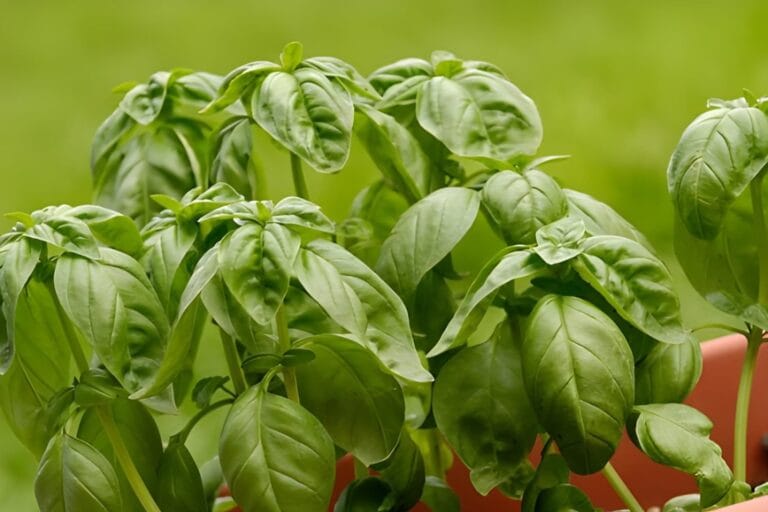
Herb Garden Ideas for a Beautiful and Useful Home Garden
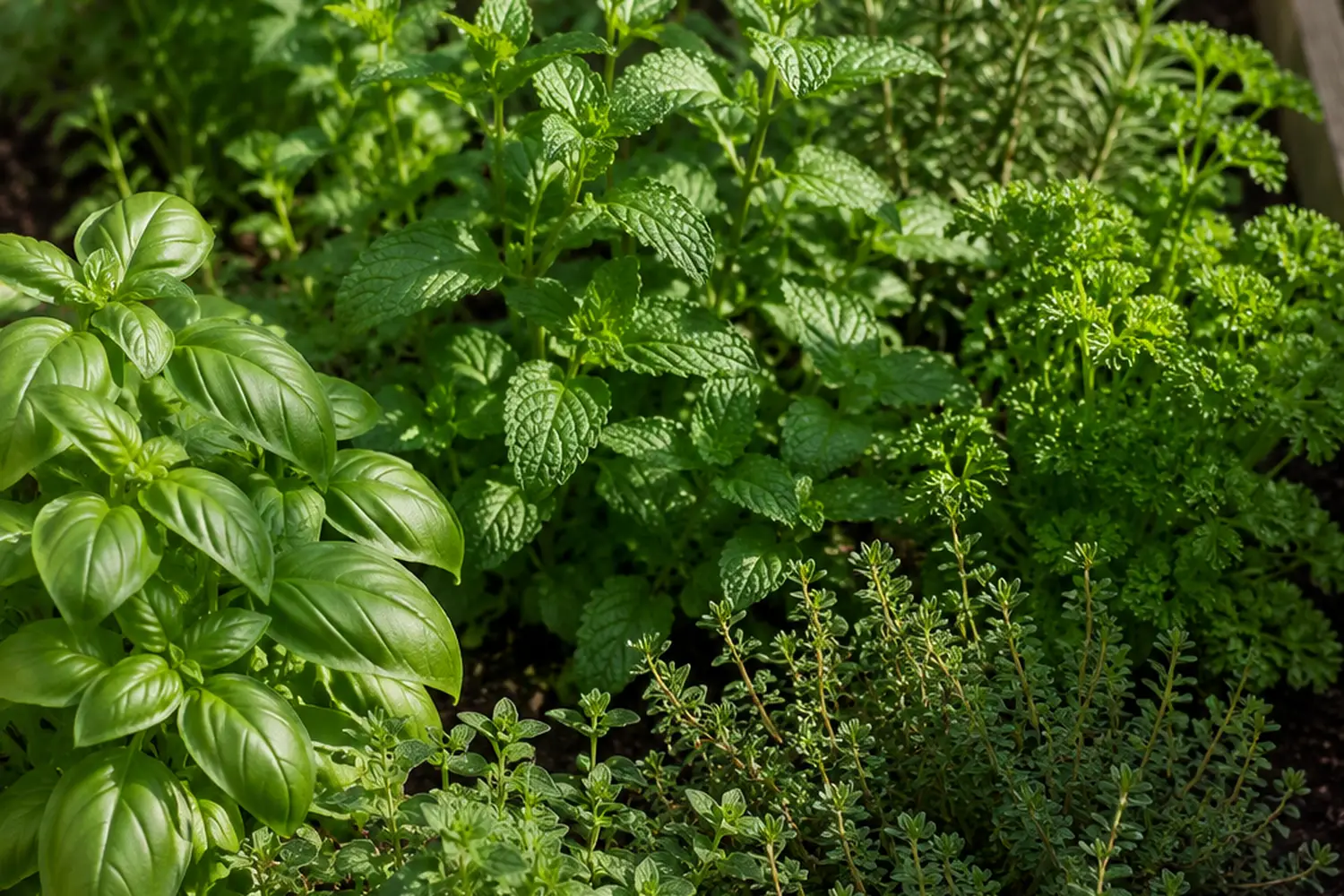
Herb garden ideas are perfect if you want to grow something beautiful, useful, and beginner-friendly at home. You do not need a large backyard, a perfect garden layout, or years of gardening experience to start. Herbs can grow on a kitchen windowsill, balcony shelf, patio corner, raised bed, hanging planter, or small outdoor wall.
A herb garden is one of the easiest ways to bring fresh flavor into your daily life. Basil, mint, rosemary, thyme, parsley, oregano, chives, cilantro, sage, and lavender can be used in cooking, teas, homemade seasoning blends, simple gifts, and small-space homesteading projects.
The best part is that herbs are flexible. You can grow them indoors or outdoors, in pots or raised beds, in a sunny window or on a vertical garden shelf. A few well-chosen herbs can make your home feel fresher, your meals taste better, and your space look more natural and alive.
In this guide, you will find practical and beautiful herb garden ideas for beginners, small spaces, balconies, patios, kitchens, and backyards. You will also learn which herbs to grow, how to arrange them, and how to avoid common beginner mistakes.
Why Grow a Herb Garden?
A herb garden is one of the most useful gardens you can grow because herbs are small, productive, and easy to use. Even a few pots can give you fresh flavor for everyday meals.
Fresh herbs can make simple food feel special. A little basil can improve pasta and salads. Mint can be used for tea and drinks. Rosemary and thyme can flavor roasted vegetables. Parsley and chives can brighten soups, eggs, and potatoes.
Herbs are also a good choice for beginners because they do not need as much space as many vegetables. A small shelf, sunny windowsill, patio step, or balcony railing can hold several useful plants.
A herb garden can help you:
- Grow fresh ingredients at home
- Save money on store-bought herbs
- Make your home or garden smell better
- Add beauty to small spaces
- Learn basic plant care
- Practice container gardening
- Dry herbs for later use
- Create homemade gifts
- Start small-space homesteading
A herb garden does not have to be complicated. Start with herbs you already use, give them enough light, choose containers with drainage, and harvest often.
1. Windowsill Herb Garden
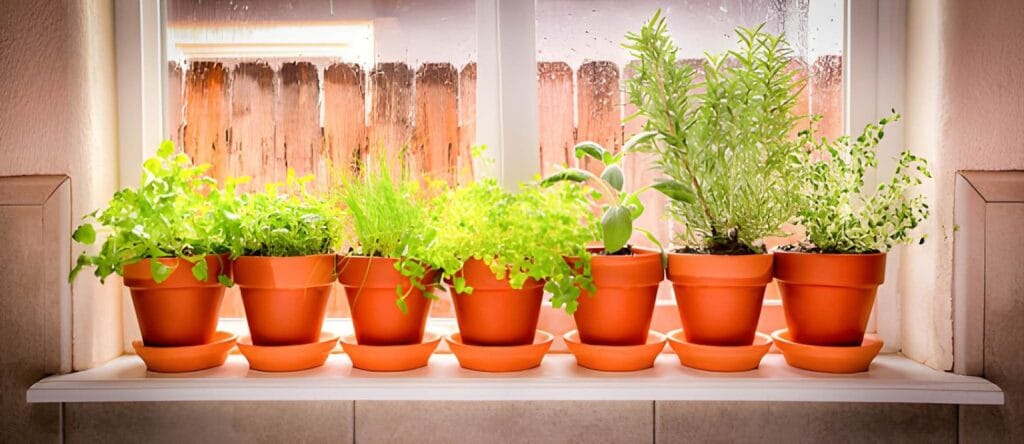
A windowsill herb garden is one of the easiest herb garden ideas for beginners. It works well for apartments, small homes, rental spaces, and kitchens without outdoor access.
This idea is best for people who want fresh herbs nearby while cooking. A sunny kitchen window can hold small pots of basil, parsley, chives, mint, and cilantro. You can snip a few leaves while making dinner without going outside.
The most important thing is light. Most herbs need several hours of sun each day. A bright south-facing or east-facing window is usually best. If your window is too dark, your herbs may become weak and stretched.
Use small pots with drainage holes and place saucers underneath to protect the windowsill. Keep the setup simple. Three to five herbs are enough for a beginner.
Best herbs for a windowsill garden:
- Basil
- Parsley
- Chives
- Mint
- Cilantro
This is also a simple way to start homesteading in an apartment without needing land or a backyard.
2. Balcony Herb Garden
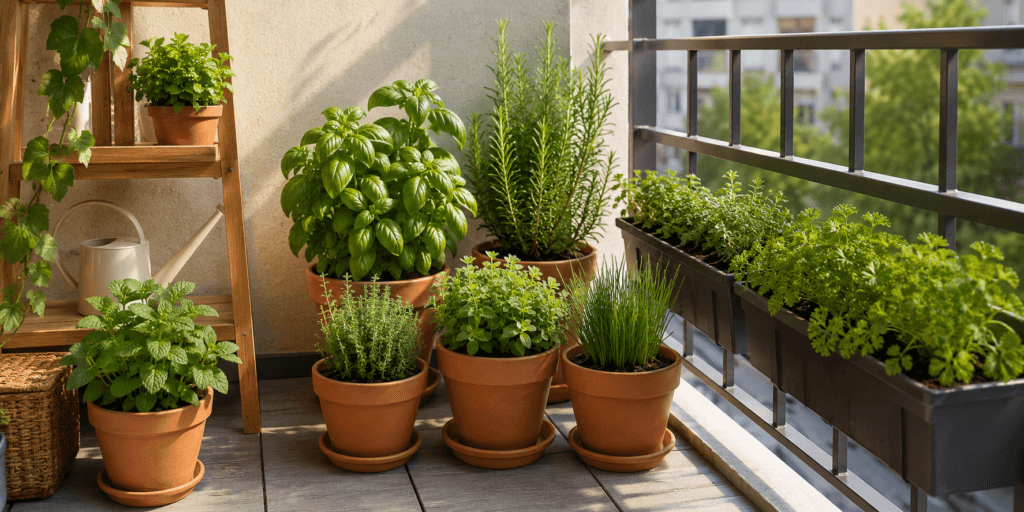
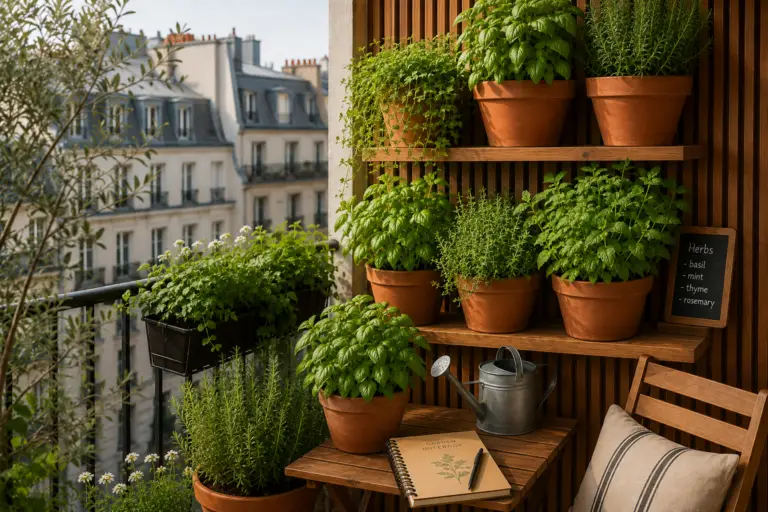
A balcony herb garden is perfect for small-space gardening. It gives you more light and airflow than many indoor setups, while still being compact and easy to manage.
You can use railing planters, vertical shelves, wall planters, hanging baskets, or terracotta pots grouped in one corner. A balcony herb garden can be practical and beautiful at the same time.
This idea is especially good for renters and apartment dwellers. You can grow fresh herbs without digging into the ground, and most containers can move with you.
Best herbs for a balcony garden:
- Basil
- Mint
- Rosemary
- Thyme
- Oregano
- Parsley
- Chives
If you are working with very limited outdoor space, a balcony herb garden is one of the easiest ways to grow fresh herbs at home.
For the best layout, place taller herbs like rosemary and basil toward the back. Use railing planters for parsley, thyme, oregano, and chives. Keep mint in its own pot because it grows aggressively.
3. Vertical Herb Garden
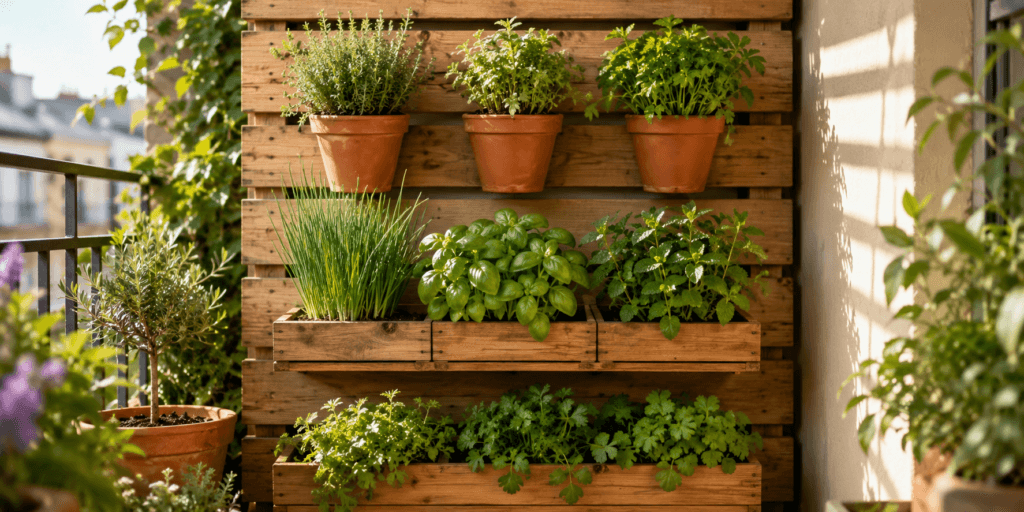
A vertical herb garden is one of the best ideas for small spaces because it uses height instead of floor space. This makes it perfect for balconies, patios, fences, and narrow garden corners.
You can create a vertical herb garden with wall-mounted pots, wooden shelves, ladder shelves, hanging pockets, stacked planters, or a wooden slat wall.
This layout is beautiful for Pinterest-style garden photos because it looks organized and full without needing much room.
Best herbs for a vertical herb garden:
- Thyme
- Oregano
- Parsley
- Chives
- Basil
- Mint
- Cilantro
A vertical herb garden is also easy to customize. You can use matching pots for a clean look or mixed terracotta and wooden planters for a rustic style.
The main thing to remember is watering. Pots on higher shelves may dry faster because they get more sun and airflow. Check the soil often, especially during warm weather.
4. Raised Bed Herb Garden
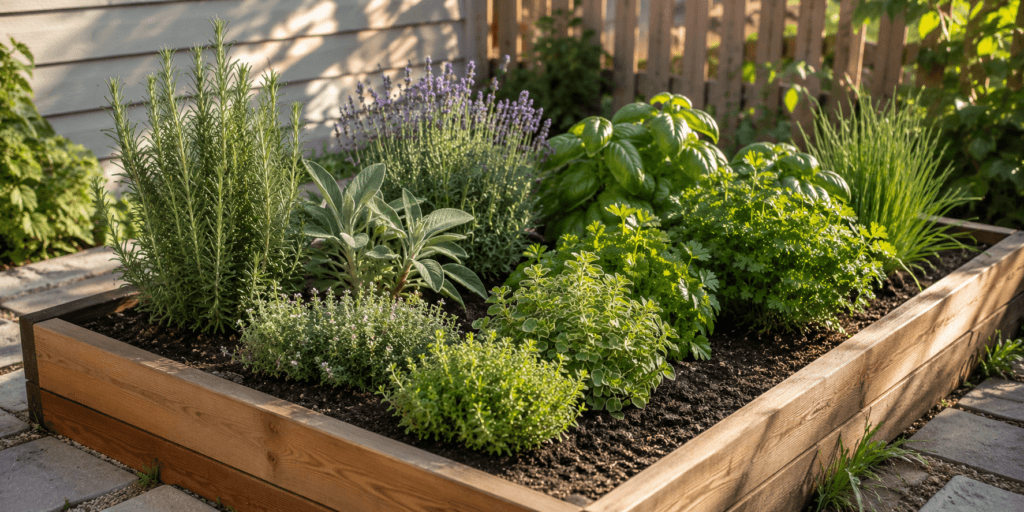
A raised bed herb garden is ideal for backyards, side yards, and larger outdoor spaces. It gives herbs more room to grow and makes the garden easier to organize.
Raised beds are especially useful if your native soil is poor, compacted, or difficult to work with. You can fill the bed with good soil and compost, then plant herbs in a clean, controlled space.
This idea works well for people who want a more permanent herb garden.
Best herbs for a raised bed:
- Rosemary
- Thyme
- Oregano
- Sage
- Parsley
- Basil
- Chives
- Lavender
Try grouping herbs by watering needs. Rosemary, thyme, oregano, sage, and lavender prefer well-drained soil and do not like being too wet. Basil and parsley usually need more consistent moisture.
A raised bed herb garden can also look beautiful when mixed with flowers such as marigolds, calendula, nasturtiums, or lavender.
5. Container Herb Garden
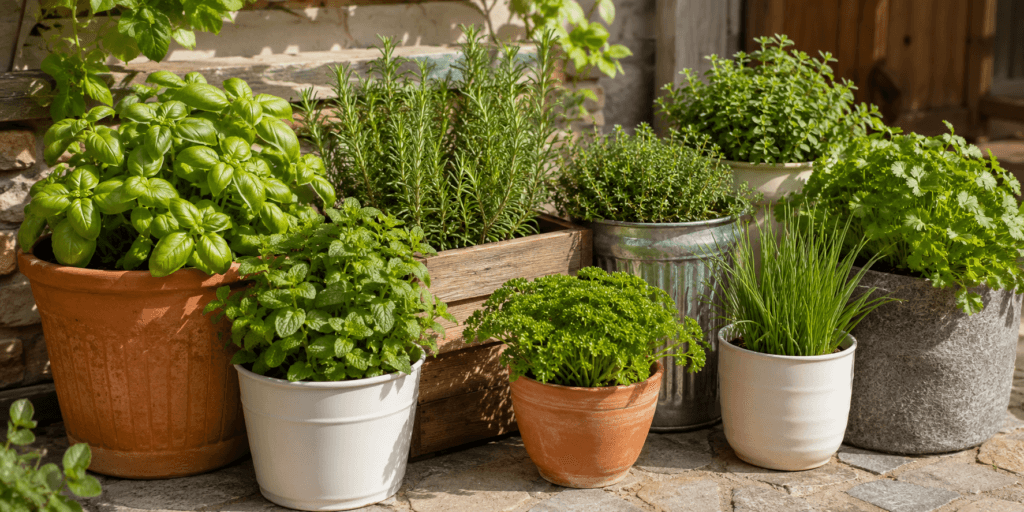
A container herb garden is one of the most flexible herb garden ideas. You can grow herbs in pots on a patio, balcony, porch, windowsill, or garden path.
Containers allow you to move herbs around to find better sunlight. This is helpful if your space gets shifting light during the day.
You can use terracotta pots, ceramic pots, wooden boxes, metal containers, or fabric grow bags. Just make sure the containers have drainage holes.
Best herbs for containers:
- Basil
- Mint
- Rosemary
- Thyme
- Oregano
- Parsley
- Cilantro
- Chives
For a prettier setup, use these aesthetic plant pot ideas to make your herb garden look more intentional and beautiful.
Container herb gardens also work well for beginners because each plant can have its own pot. This makes it easier to control water, soil, and spacing.
6. Kitchen Counter Herb Garden
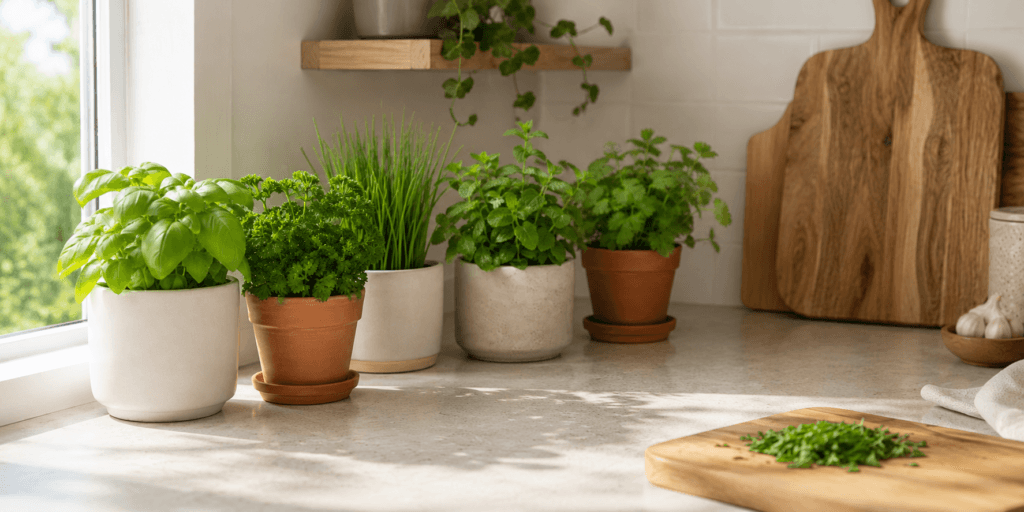
A kitchen counter herb garden is a small indoor setup that keeps fresh herbs close to where you cook. It is best for compact herbs and homes with a bright kitchen.
This idea is more decorative than high-production, but it can still be useful. A few small pots can give you fresh garnish, tea leaves, or quick cooking herbs.
Best herbs for a kitchen counter:
- Basil
- Parsley
- Chives
- Mint
- Cilantro
Because kitchen counters do not always get enough light, place the herbs near a bright window or use a small grow light. Without enough light, herbs may become leggy and weak.
Use simple pots that match your kitchen style. White ceramic pots, terracotta pots, or small neutral planters can make the setup look clean and cozy.
This idea is best for people who want herbs for daily use rather than a large harvest.
7. Hanging Herb Garden
A hanging herb garden is perfect for small spaces because it keeps plants off the floor. It works well on balconies, patios, porches, kitchen windows, and pergolas.
You can use hanging baskets, macrame plant hangers, wall hooks, or ceiling hooks. This style adds height, texture, and softness to a space.
Best herbs for hanging planters:
- Mint
- Thyme
- Oregano
- Trailing rosemary
- Parsley
- Strawberries mixed with herbs
Hanging planters can dry out faster than regular pots because they are exposed to more air and sun. Check them often, especially in warm weather.
This idea works beautifully when combined with other herb garden styles. For example, you can use a vertical shelf for most herbs and add hanging baskets for trailing thyme or mint.
8. Rustic Wooden Box Herb Garden
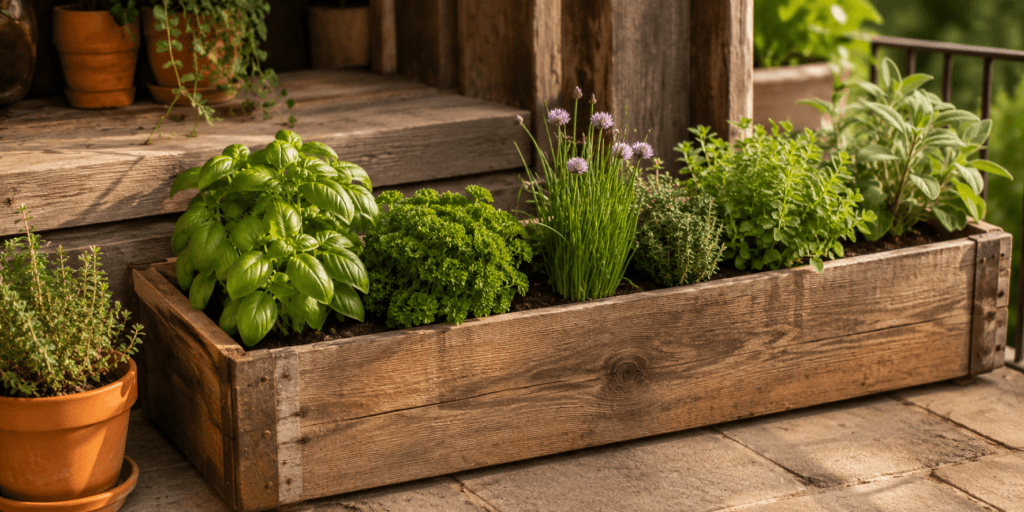
A rustic wooden box herb garden is a beautiful choice for cottage, farmhouse, balcony, and patio spaces. Wooden boxes feel warm, natural, and practical.
You can use wooden crates, long planter boxes, old drawers, or handmade wooden planters. They look especially nice with terracotta pots, plant labels, and a few flowering herbs.
Best herbs for wooden boxes:
- Basil
- Parsley
- Chives
- Thyme
- Oregano
- Sage
Wooden boxes are good for grouping several herbs together, but choose herbs with similar water needs. Do not put mint in a shared box because it can take over.
Make sure the box has drainage. If the wood is not protected, use a liner or inner pots to reduce water damage.
A rustic wooden herb box is also a good idea for a gift garden. You can plant a few kitchen herbs in one box and give it to someone who loves cooking.
9. Tiered Herb Garden Shelf
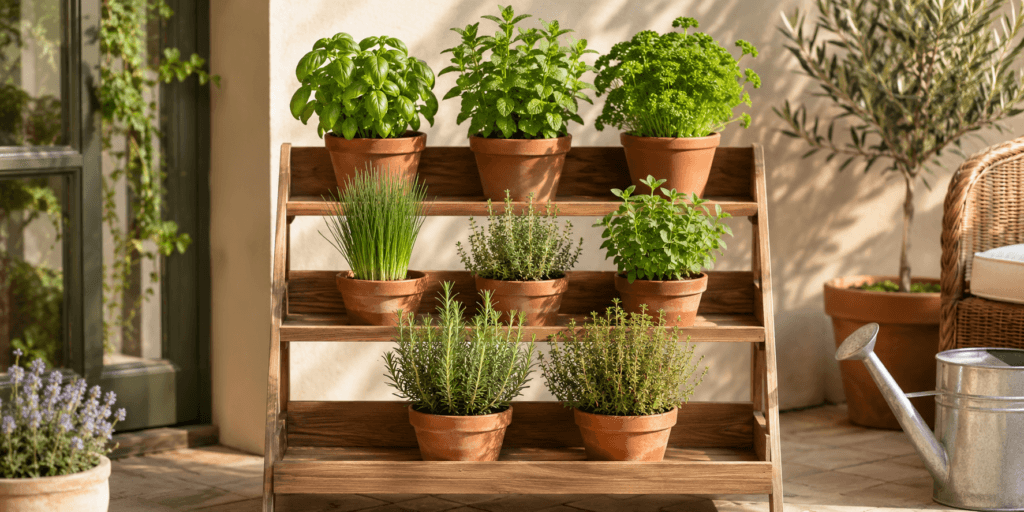
A tiered herb garden shelf is one of the best options for patios, balconies, and sunny indoor corners. It allows you to grow many herbs in a small footprint.
A tiered shelf can hold different pot sizes and make the garden look organized. It also helps you arrange herbs by height and sunlight.
Best herbs for a tiered shelf:
- Basil
- Mint
- Parsley
- Chives
- Thyme
- Oregano
- Rosemary
Place taller herbs on the lower or back sections so they do not shade smaller herbs. Put sun-loving herbs where they receive the most light.
This idea is very Pinterest-friendly because it looks clean, layered, and easy to copy. Use matching terracotta pots or a soft neutral color palette for a more aesthetic look.
10. Patio Herb Garden
A patio herb garden is perfect for people who have a small outdoor area but do not want a full garden bed. You can use large pots, raised planters, wooden boxes, or a small herb station near an outdoor dining area.
This idea is practical because herbs are close to where you grill, cook, or eat outside. Rosemary, thyme, oregano, basil, and mint are especially useful near a patio kitchen or outdoor table.
Best herbs for a patio garden:
- Rosemary
- Basil
- Thyme
- Oregano
- Mint
- Sage
- Parsley
A patio herb garden can also be decorative. Use larger pots for rosemary or lavender, smaller pots for thyme and oregano, and a raised planter for basil and parsley.
Add a small watering can, plant labels, and a wooden shelf to make the space feel intentional.
11. Herb Garden Along a Fence
A fence herb garden is a smart way to use an empty fence or wall. It works well in small backyards, patios, side yards, and rental-friendly outdoor spaces.
You can attach shelves, hanging pots, wall planters, or narrow boxes to the fence. This creates a productive garden without taking much ground space.
Best herbs for a fence garden:
- Thyme
- Oregano
- Parsley
- Chives
- Mint
- Basil
- Cilantro
Before installing anything, make sure the fence is strong enough to hold the weight of pots, soil, and water. Wet soil can be heavy.
This idea looks beautiful when the planters are arranged in rows or staggered heights. A wooden fence with terracotta pots can create a warm cottage garden feel.
12. Tea Herb Garden
A tea herb garden is perfect for anyone who enjoys herbal teas, calming drinks, and fragrant plants. This type of herb garden can grow in pots, raised beds, or a small garden corner.
Best herbs for a tea garden:
- Mint
- Lemon balm
- Chamomile
- Lavender
- Thyme
- Sage
- Rosemary
Mint and lemon balm are easy to grow but can spread quickly, so keep them in containers. Chamomile and lavender need more sun and good drainage.
A tea herb garden can be beautiful as well as useful. Mix soft green herbs with lavender flowers, chamomile blooms, and small terracotta pots for a peaceful look.
Drying herbs for later use is one of the easiest food preservation methods for beginners. You can harvest small bundles, dry them, and store them in jars for homemade tea blends.
13. Mediterranean Herb Garden
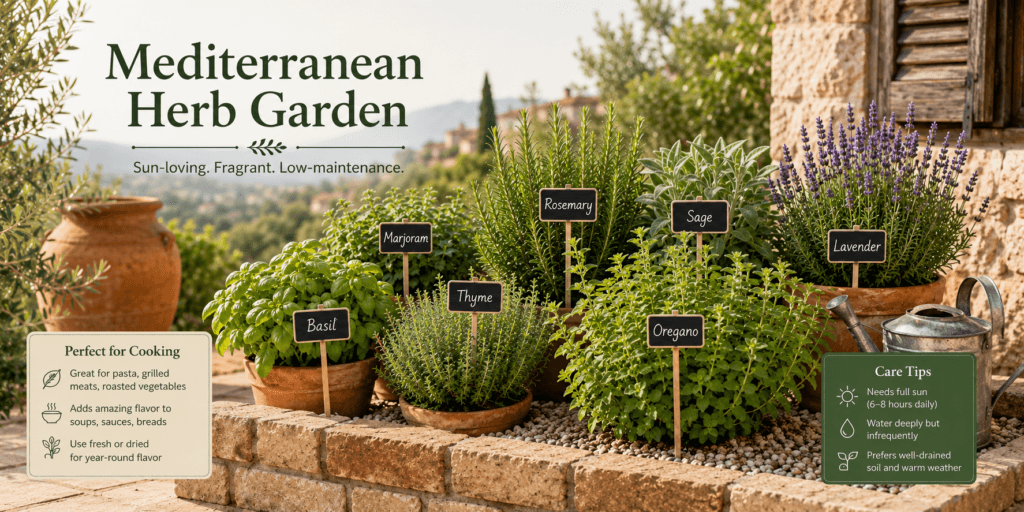
A Mediterranean herb garden is a beautiful and low-maintenance idea for sunny spaces. It focuses on herbs that love warmth, sunlight, and well-drained soil.
Best herbs for a Mediterranean herb garden:
- Rosemary
- Thyme
- Oregano
- Sage
- Lavender
- Basil
- Marjoram
This style looks especially good in terracotta pots, gravel areas, raised beds, and sunny patios. The plants often have fragrant leaves and can handle drier conditions once established.
A Mediterranean herb garden is great for cooking. You can use the herbs for roasted vegetables, pasta sauce, grilled meats, bread, soups, and seasoning blends.
Avoid overwatering this type of herb garden. Rosemary, thyme, oregano, sage, and lavender prefer soil that dries slightly between watering.
14. Indoor Grow Light Herb Garden
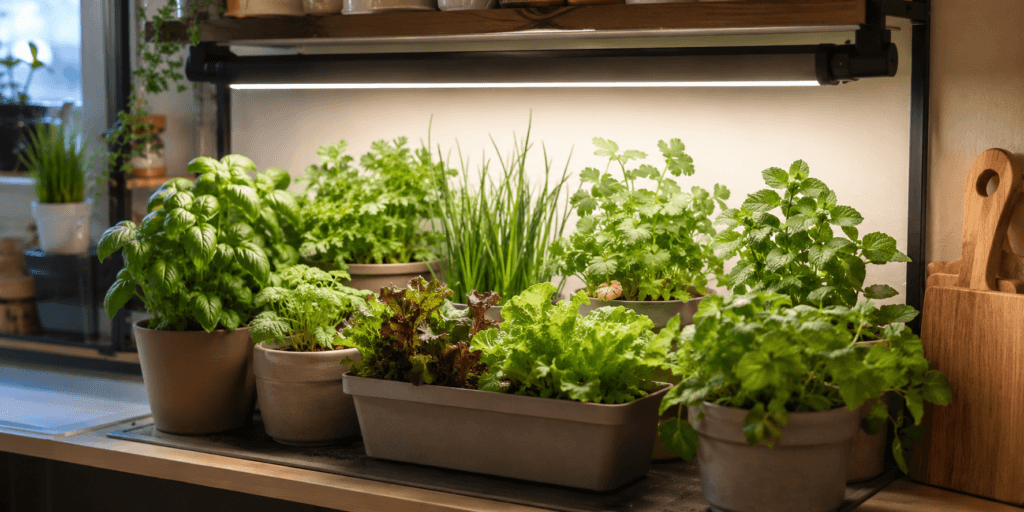
An indoor grow light herb garden is a good option for homes that do not get enough natural sunlight. It allows you to grow herbs indoors year-round.
This idea works well on shelves, kitchen counters, utility rooms, or small indoor plant stations. A simple grow light can help herbs stay healthier and stronger than they would in a dark window.
Best herbs for a grow light garden:
- Basil
- Parsley
- Cilantro
- Chives
- Mint
- Lettuce-style greens mixed with herbs
A grow light garden does not need to be complicated. Start with one shelf, a few small pots, and a timer for the light.
This setup is especially useful in winter or in apartments with limited sun. It is also a good way to start herb seeds before moving them outdoors.
15. Herb Garden Gift Station
A herb garden gift station is a creative idea for anyone who loves growing extra plants. Instead of only growing herbs for yourself, you can grow small pots to give as gifts.
This works well for birthdays, housewarming gifts, holidays, teacher gifts, neighbor gifts, or simple homemade gestures.
Best herbs for gift pots:
- Basil
- Mint
- Rosemary
- Thyme
- Parsley
- Chives
- Lavender
Use small terracotta pots, simple plant labels, and a little twine or kraft paper for a charming look. You can also add a small care card with watering and sunlight tips.
This idea can also become a small side hustle. Potted herbs are useful, affordable, and beginner-friendly. People often enjoy receiving plants they can actually use in the kitchen.
Best Herbs to Grow in a Home Herb Garden
Choosing the right herbs depends on your space, sunlight, and cooking habits. The best herbs are the ones you will actually use.
Here are some of the most useful herbs to grow at home:
Basil
Best for pasta, pesto, salads, sandwiches, and summer meals. Basil likes warmth, sun, and regular harvesting.
Mint
Best for tea, drinks, desserts, and fresh summer recipes. Mint is very easy to grow but should stay in its own pot.
Rosemary
Best for roasted vegetables, potatoes, bread, chicken, and savory dishes. Rosemary likes sun and good drainage.
Thyme
Best for soups, roasted vegetables, sauces, and seasoning blends. Thyme is compact and low-maintenance.
Oregano
Best for pizza, pasta, tomato sauce, and dried herb blends. Oregano grows well in pots and sunny gardens.
Parsley
Best for soups, salads, eggs, potatoes, sauces, and everyday cooking. Parsley can handle partial sun.
Chives
Best for eggs, potatoes, soups, and dips. Chives are compact and easy to harvest.
Cilantro
Best for salsa, tacos, soups, and fresh dishes. Cilantro grows quickly but prefers cooler weather.
Sage
Best for savory meals, roasted vegetables, and fall cooking. Sage likes sun and well-drained soil.
Lavender
Best for fragrance, tea blends, gifts, and pollinator-friendly gardens. Lavender needs sun and excellent drainage.
Simple Herb Garden Layout Ideas
A good layout makes your herb garden easier to care for. It also makes the space look more beautiful.
Small Space Layout
Use three to five pots on a shelf or windowsill. Choose basil, mint, parsley, thyme, and chives.
Kitchen Layout
Place basil, parsley, chives, and mint near a sunny kitchen window. Keep the pots small and easy to reach.
Balcony Layout
Use a vertical shelf, railing planters, and a few floor pots. Place rosemary and basil in larger pots, with thyme and oregano in smaller containers.
Backyard Layout
Use a raised bed with rosemary, thyme, oregano, sage, parsley, and flowers. Keep mint in a separate pot nearby.
Tea Garden Layout
Grow mint, lemon balm, chamomile, lavender, and thyme in containers or a small sunny bed.
What You Need to Start a Herb Garden
You do not need many supplies to start a herb garden. A simple setup is better than an expensive one you cannot maintain.
Basic supplies include:
- Pots or planters
- Good potting mix
- Drainage holes
- Herb seeds or starter plants
- Watering can
- Plant labels
- Pruning scissors
- Compost or organic fertilizer
- Sunny location or grow light
For beginners, starter plants are often easier than seeds. Basil, cilantro, parsley, and chives can grow well from seed, but rosemary, thyme, oregano, and lavender are usually easier to start from small plants.
Common Herb Garden Mistakes to Avoid
A herb garden is beginner-friendly, but a few mistakes can make plants struggle.
Growing Too Many Herbs at Once
Start with a few herbs and learn their needs. A small healthy garden is better than a crowded one.
Using Pots Without Drainage
Most herbs need drainage. Soggy soil can damage roots and weaken plants.
Overwatering
Many herbs prefer soil that dries slightly between watering. Always check the soil before adding more water.
Not Enough Sunlight
Most herbs need several hours of sunlight each day. Match your herbs to your light conditions.
Planting Mint with Other Herbs
Mint spreads fast and can crowd other plants. Keep it in its own container.
Forgetting to Harvest
Harvesting encourages many herbs to grow fuller. Do not wait until the plant is overgrown.
Choosing Herbs You Do Not Use
Grow herbs that fit your cooking and lifestyle. Useful plants are easier to care for because you will pay attention to them.
Budget-Friendly Herb Garden Tips
A herb garden can be very affordable when you start small.
Try these simple tips:
- Start with three herbs
- Use recycled containers with drainage
- Buy secondhand pots
- Grow basil and cilantro from seed
- Buy starter plants for rosemary and thyme
- Propagate mint from cuttings
- Use simple handmade labels
- Group pots on shelves
- Reuse old wooden boxes as planters
You do not need a perfect setup. A few healthy herbs in simple pots can be more useful than an expensive garden that becomes hard to maintain.
FAQ About Herb Garden Ideas
What is the easiest herb garden idea for beginners?
The easiest herb garden idea for beginners is a small container herb garden with three to five herbs. Start with basil, mint, parsley, chives, and thyme. These herbs are useful, easy to manage, and suitable for small spaces.
What herbs grow best together?
Herbs with similar water and sunlight needs grow best together. Rosemary, thyme, oregano, sage, and lavender like sunny, well-drained conditions. Basil, parsley, and chives usually need more regular moisture.
Mint should usually grow alone because it spreads quickly.
Can I grow a herb garden indoors?
Yes, you can grow a herb garden indoors if you have enough light. A sunny windowsill or grow light can support herbs like basil, parsley, chives, mint, and cilantro.
Indoor herbs need drainage, good potting mix, and careful watering.
What herbs grow well in pots?
Basil, mint, rosemary, thyme, oregano, parsley, chives, cilantro, sage, and lavender can all grow well in pots. Choose containers with drainage holes and match the pot size to the herb.
How much sun does a herb garden need?
Most herbs need at least four to six hours of sunlight per day. Mediterranean herbs like rosemary, thyme, oregano, sage, and lavender prefer stronger sunlight. Mint, parsley, and chives can handle partial sun.
How often should I water herbs?
Water herbs when the top inch of soil feels dry. Some herbs, like basil and parsley, need more regular moisture. Others, like rosemary and thyme, prefer to dry slightly between watering.
What herbs should not be planted together?
Mint should not be planted with most other herbs because it spreads aggressively. Also avoid mixing herbs with very different water needs in the same container. For example, rosemary and basil may not be ideal in one small pot because rosemary prefers drier soil while basil likes more moisture.
Can I grow herbs on a balcony?
Yes, a balcony is a great place to grow herbs. Use pots, railing planters, hanging baskets, or vertical shelves. Basil, mint, rosemary, thyme, oregano, parsley, and chives are all good balcony herbs.
What is the best layout for a small herb garden?
The best small herb garden layout uses vertical space. Try a tiered shelf, railing planters, hanging pots, or wall-mounted containers. Keep taller herbs in the back and smaller herbs in front.
How do I make a herb garden look beautiful?
Use matching or coordinated pots, plant labels, natural materials, and different heights. Terracotta pots, wooden boxes, woven baskets, and simple shelves can make a herb garden look beautiful without being expensive.
Conclusion
Herb garden ideas can be simple, beautiful, and practical at the same time. You do not need a large garden to grow fresh herbs. A windowsill, balcony, patio, fence, raised bed, or small shelf can become a productive herb garden with the right plants and layout.
Start with herbs you already use. Basil, mint, rosemary, thyme, parsley, oregano, and chives are all useful choices for beginners. Once you gain confidence, you can add more herbs, try a tea garden, create a Mediterranean herb corner, or grow extra potted herbs as gifts.
A herb garden is more than decoration. It teaches watering, sunlight, harvesting, observation, and simple food use. Learning how to grow and harvest herbs is one of the most easy homesteading skills for beginners because it helps you build confidence one small plant at a time.
Start with a few pots, place them where they get good light, harvest often, and let your herb garden grow naturally from there.
Want more beginner-friendly gardening, small-space homesteading, and simple home garden ideas? Subscribe to the Dreamsteading newsletter and get practical inspiration sent straight to your inbox.