How to Grow Basil for Beginners: Easy Fresh Herb Guide
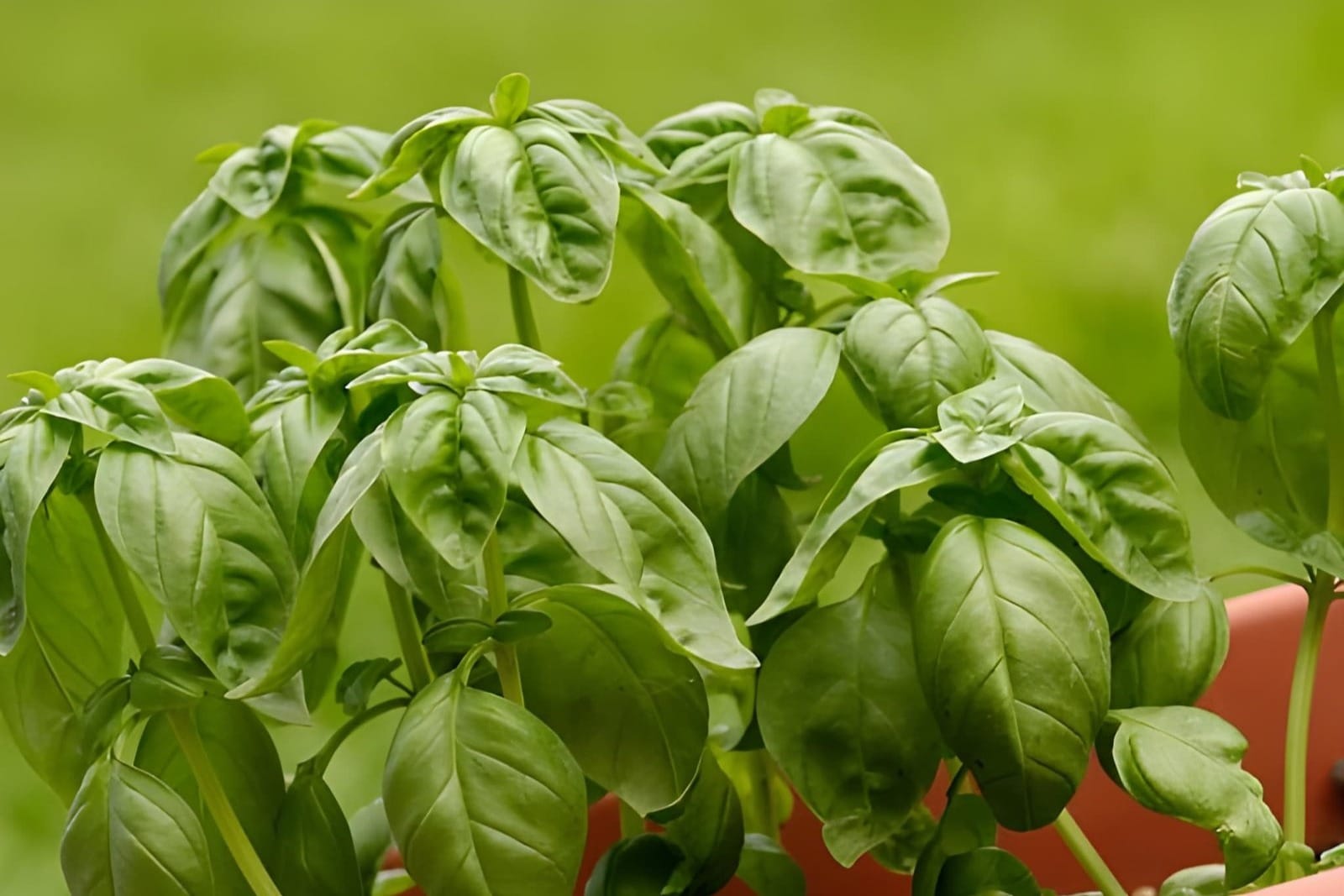
How to grow basil for beginners is one of the easiest and most rewarding herb garden skills to learn because basil grows quickly, smells wonderful, and gives you fresh leaves for pasta, salads, sauces, pizza, sandwiches, and homemade pesto. Whether you have a backyard garden, raised bed, patio pot, balcony, or sunny kitchen windowsill, basil is a simple herb that can make your garden feel productive right away.
Basil is a warm-season herb, so it loves sun, warmth, and steady moisture. It does not like cold soil, frost, or being forgotten in a dry pot for too long.
When I first started growing herbs, basil was one of the plants that gave me confidence. It grows fast enough to keep beginners encouraged, but it also teaches important garden habits like watering, pruning, harvesting, and watching for stress.
You can grow basil from seed, buy a starter plant, tuck it beside tomatoes, or keep a pot near the kitchen door. Once you learn the basic care routine, basil becomes one of those herbs you want to grow every year.
Affiliate Disclosure
This article may contain affiliate product recommendations. If you choose to purchase through those recommendations, I may earn a small commission at no extra cost to you. I only recommend practical garden supplies that fit a beginner-friendly homestead garden.
Table of Contents
Why Basil Is a Great Beginner Herb
Basil is one of the best herbs for beginners because it grows quickly, works in containers, and can be harvested again and again if you prune it correctly.
It is also useful in the kitchen. Fresh basil can turn a simple tomato salad, pasta dish, soup, or homemade pizza into something that tastes like summer.
Basil is especially helpful if you are starting a Beginner Herb Garden Guide because it gives quick results compared with slower herbs like rosemary or lavender.
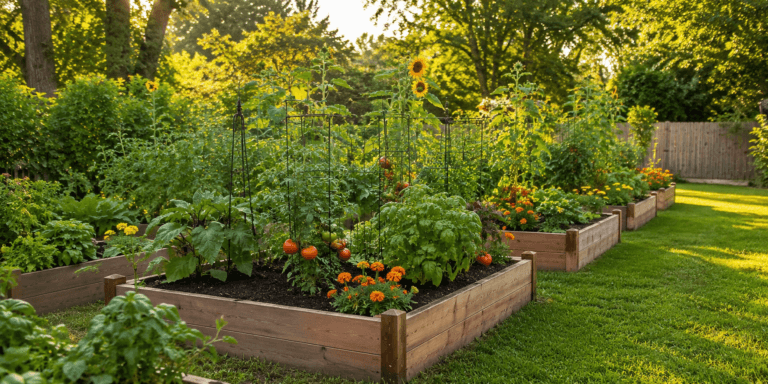
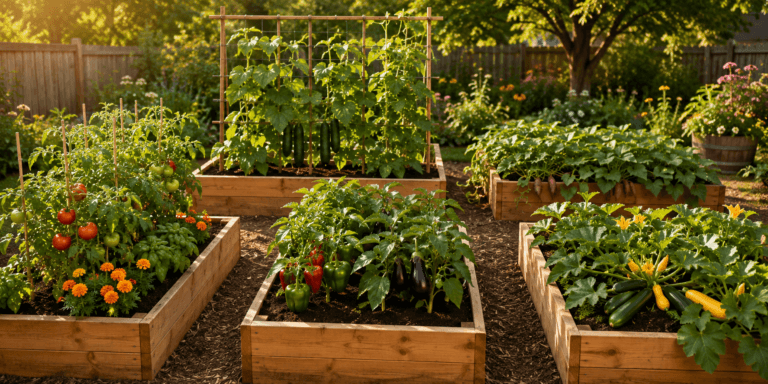
It also fits beautifully into vegetable gardens. Basil grows well near tomatoes and peppers, which makes it a natural choice for anyone learning Companion Planting for Beginners.
The most important thing to remember is that basil is a tender warm-season plant. It does best in sun, warmth, and well-drained soil. University of Minnesota Extension recommends growing basil in a sunny location with at least 6–8 hours of bright light per day and well-drained soil.
Best Basil Varieties for Beginners
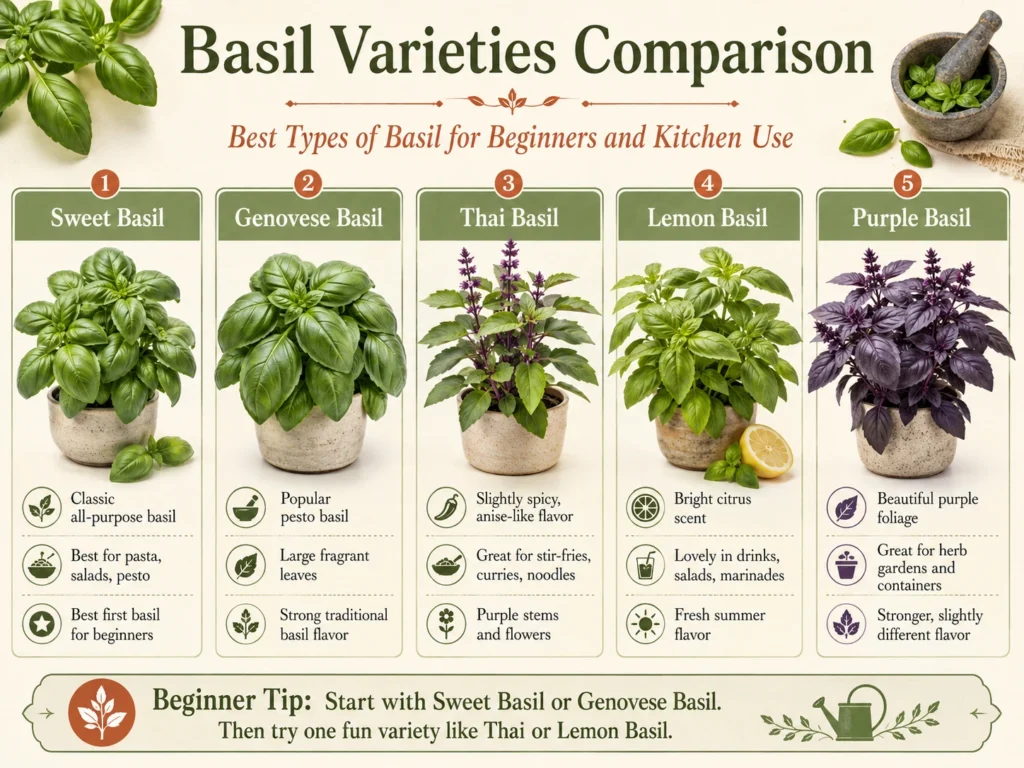
There are many types of basil, but beginners do not need to start with all of them.
Sweet Basil
Sweet basil is the classic choice. It is the best all-purpose basil for pasta, salads, pesto, and everyday kitchen use.
If this is your first time growing basil, start with sweet basil.
Genovese Basil
Genovese basil is very popular for pesto. It has large, fragrant leaves and a strong traditional basil flavor.
A packet of organic basil seeds is an easy and affordable way to grow several plants for summer cooking.
Thai Basil
Thai basil has a slightly spicy, anise-like flavor. It is wonderful in stir-fries, curries, noodle dishes, and fresh herb bowls.
It also has beautiful purple stems and flowers.
Lemon Basil
Lemon basil has a bright citrus scent. It is lovely in drinks, salads, marinades, and light summer dishes.
Purple Basil
Purple basil is beautiful in herb gardens and containers. It adds color, but some varieties can have a stronger or slightly different flavor than classic sweet basil.
For beginners, I recommend starting with sweet basil or Genovese basil first. Once you feel confident, add one fun variety like Thai or lemon basil.
Where to Grow Basil
Basil can grow in garden beds, raised beds, containers, patio pots, balcony planters, or indoors with enough light.
The best place is warm, sunny, and easy to water.
Basil needs good light to grow full and flavorful. Most herbs grow best with at least six hours of direct sun, and basil usually performs better with strong light and warmth.
If you grow basil in the garden, choose a spot with loose, well-drained soil. Avoid soggy areas where water sits after rain.
If you grow basil in containers, choose pots with drainage holes. Basil roots do not like sitting in water.
For small spaces, basil is perfect. A few small herb pots on a patio, balcony, or sunny kitchen windowsill can give you plenty of fresh leaves.
If you are working with limited space, Small Garden Design Tips can help you decide where herbs, vegetables, and containers fit best.
How to Grow Basil From Seed
Growing basil from seed is simple and affordable.
Basil seed likes warmth. Penn State Extension notes that basil germinates around 70°F, and seeds are commonly planted about ¼ inch deep.
You can start basil indoors or direct sow it outdoors after the weather is warm.
Starting Basil Indoors
Start basil seeds indoors about 4–6 weeks before your last expected frost date.
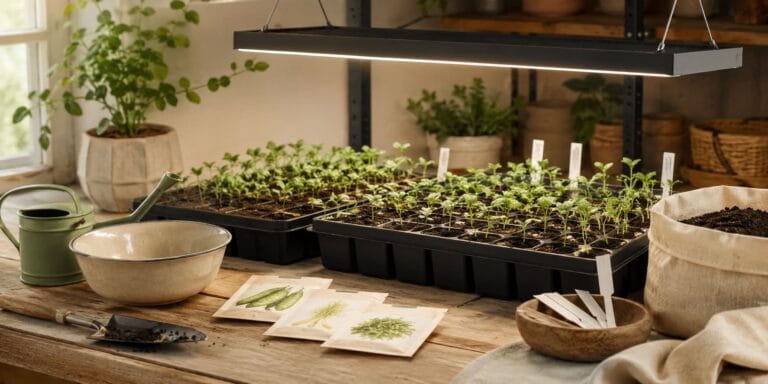
Fill seed starting trays with a light seed starting mix or quality potting mix. Sprinkle seeds on the surface, cover lightly, and water gently.
Keep the soil moist but not soggy.
Place the tray in a warm location. A sunny window can work, but seedlings often grow stronger under a grow light for herbs if your indoor light is weak.
Once seedlings have a few sets of true leaves, thin them so they have room to grow.
Direct Sowing Basil Outdoors
You can also sow basil seeds directly outside after all danger of frost has passed and the soil has warmed.
Do not rush basil into cold soil. It is better to plant a little later than to stunt the seedlings with cold nights.
Keep the seedbed moist until the seeds germinate.
If you already use Beginner Garden Planning, mark basil planting dates in your garden notes so you can repeat what works next season.
How to Grow Basil From Starter Plants
Starter plants are the easiest option for beginners.
You can buy basil seedlings from a garden center, nursery, or farmers market. Choose plants that look green, compact, and healthy.
Avoid basil plants that are yellow, wilted, rootbound, or already flowering heavily.
Before planting, water the starter plant well. Gently loosen the roots if they are circling the pot.
Plant basil at the same depth it was growing in its container. Firm the soil gently and water it in.
If planting outdoors, wait until nights are warm. Basil can struggle if it is planted too early in chilly spring weather.
Starter plants are a good choice if you want to harvest sooner or if you missed the seed-starting window.
Basil Plant Care
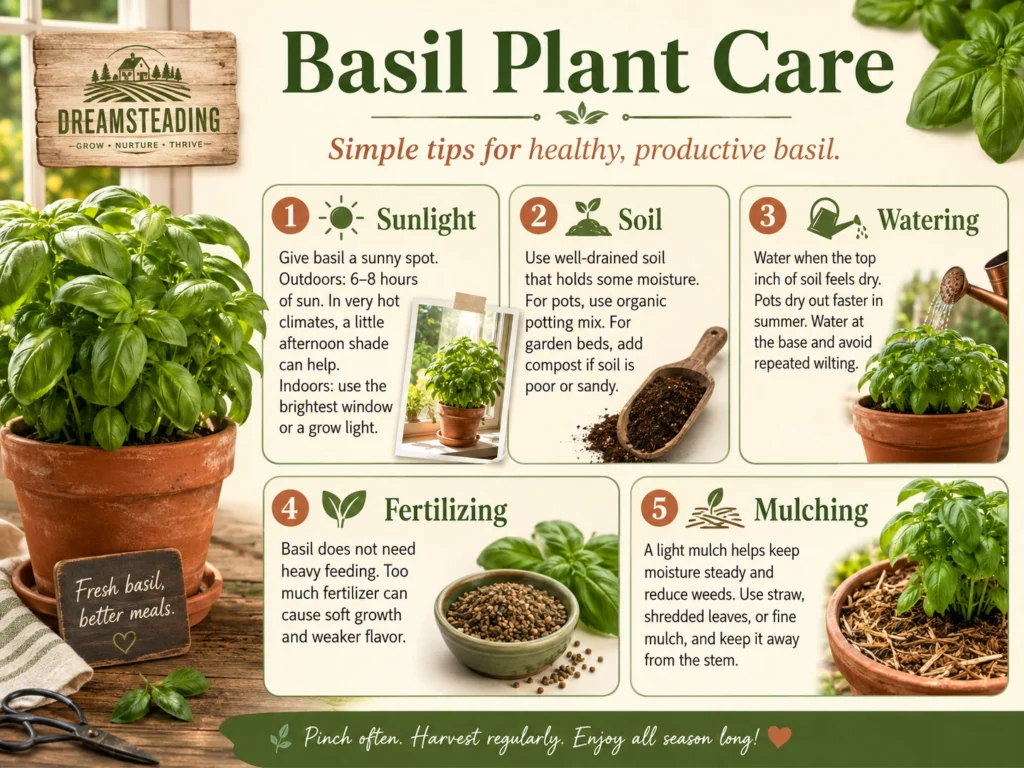
Basil care is simple once you understand what the plant likes.
Sunlight
Give basil a sunny spot.
Outdoors, basil usually grows best with 6–8 hours of sunlight. In very hot climates, a little afternoon shade may help container basil stay less stressed.
Indoors, basil needs the brightest window you have or a grow light.
Soil
Basil likes well-drained soil that holds some moisture but does not stay waterlogged.
For pots, use organic potting mix instead of heavy garden soil. Garden soil can compact in containers and drain poorly.
For garden beds, add compost if the soil is poor or very sandy.
Watering
Water basil when the top inch of soil feels dry.
Container basil dries out faster than basil in the ground, especially in warm weather. Check pots often during summer.
Use a watering can with narrow spout so you can water at the base of the plant without splashing soil onto the leaves.
Avoid letting basil wilt repeatedly. Stress can make the plant weaker and less productive.
Fertilizing
Basil does not need heavy feeding.
If your soil is healthy or your potting mix already contains nutrients, basil may not need much extra fertilizer.
Too much fertilizer can create lots of soft growth with weaker flavor. Keep it simple.
Mulching
A light mulch around outdoor basil can help keep soil moisture steady and reduce weeds.
Use straw, shredded leaves, or fine mulch, but keep it slightly away from the stem.
How to Prune Basil for Bushy Growth
Pruning is the secret to a full, productive basil plant.
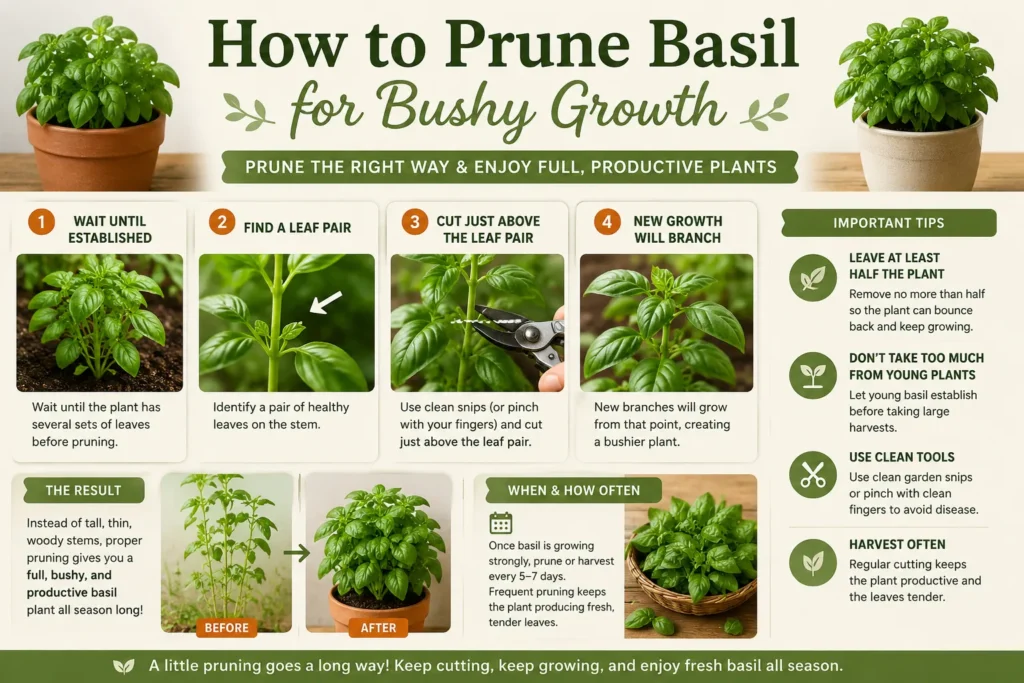
If you only pick random leaves from the bottom, basil often grows tall, thin, and woody. If you prune correctly, the plant branches and becomes bushier.
Wait until the plant has several sets of leaves.
Then cut the stem just above a pair of leaves. New branches will grow from that point. Illinois Extension recommends cutting whole stems just above a pair of leaves and leaving at least half the plant so new growth can return from the cut point.
Use clean garden snips or pinch the stems with your fingers.
Do not remove too much from a tiny plant. Let young basil establish before taking large harvests.
Once basil is growing strongly, harvest often. Regular cutting keeps the plant producing fresh tender leaves.
How to Harvest Basil
You can begin harvesting basil once the plant is established and has enough leaves to keep growing.
For small harvests, pinch or cut a stem above a pair of leaves.
For larger harvests, cut several stems, but leave enough plant behind for regrowth. Avoid cutting the plant down to bare stems.
Harvest in the morning after the leaves are dry if possible. The flavor is often fresh and strong then.
Use basil fresh whenever you can. Illinois Extension notes that freshly harvested basil stores best for a couple of days in a vase of water at room temperature.
Do not store fresh basil in a cold refrigerator for too long, because basil can turn dark or lose quality.
If you harvest more than you can use, make pesto, freeze chopped basil in oil, or learn How to Dry Herbs at Home for longer storage.
Should You Let Basil Flower?
Basil naturally wants to flower as it matures.
The flowers are not bad, and pollinators love them. But once basil flowers heavily, the leaves can become smaller, tougher, or less sweet.
For the best leaf harvest, pinch off flower buds when you see them.
If you want to support pollinators, let one basil plant flower near the end of the season and keep another plant pruned for kitchen harvests.
This gives you both fresh basil and garden flowers for bees.
Growing Basil in Pots
Basil grows very well in pots.
Choose a container that is at least 6–8 inches deep for one small basil plant. A larger pot is better if you want a bigger plant or several basil plants together.
Make sure the pot has drainage holes.
Place the pot somewhere sunny and easy to reach. Basil near the kitchen door is wonderful because you can grab a few leaves while cooking.
Container basil needs more frequent watering than garden basil. In hot weather, small pots can dry quickly.
A kitchen herb garden kit can be useful if you want a simple setup with pots, seeds, and labels in one place.
Use plant labels if you grow more than one basil variety so you can remember which is sweet basil, Thai basil, lemon basil, or purple basil.
Growing Basil Indoors
Basil can grow indoors, but it needs strong light.
A sunny windowsill may work for short-term growing, especially in warm months. For stronger indoor basil, use a grow light placed close enough to prevent leggy growth.
Indoor basil also needs good airflow. Avoid keeping it in a damp, dark corner.
Water when the top of the soil feels dry, but do not leave the pot sitting in water.
Indoor basil may not get as large as outdoor basil, but it can still give you fresh leaves for cooking.
Illinois Extension notes basil can be grown as a windowsill herb, with harvesting beginning in about 4–5 weeks under good conditions.
Basil Companion Planting Ideas
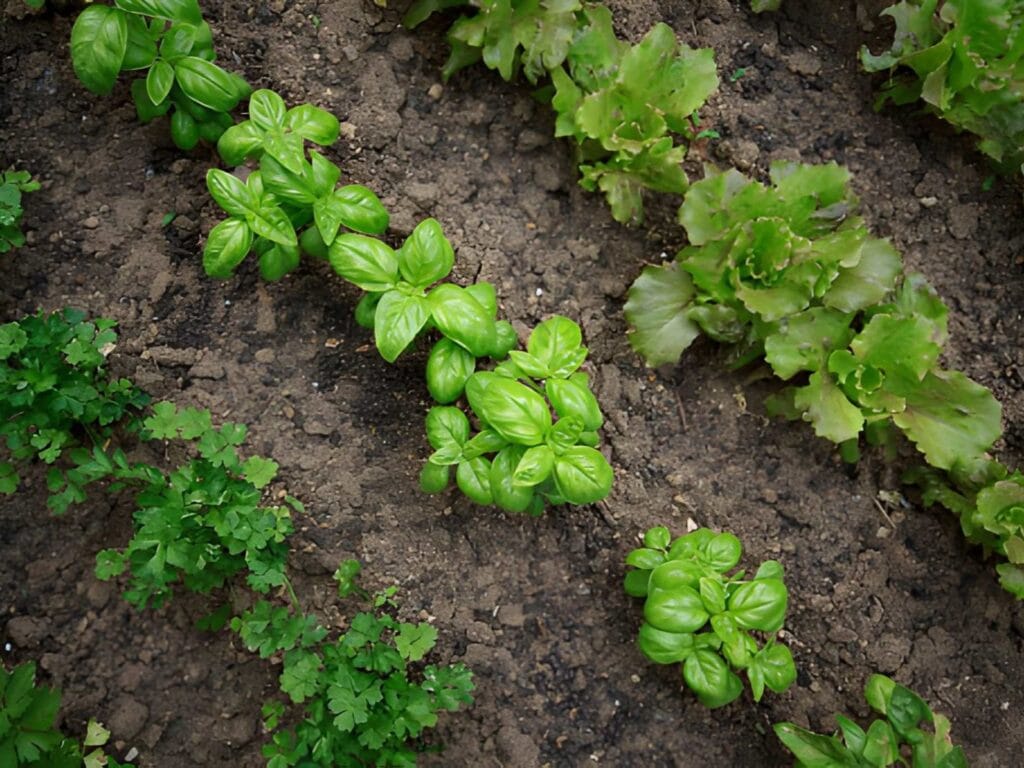
Basil is a lovely companion herb in a vegetable garden.
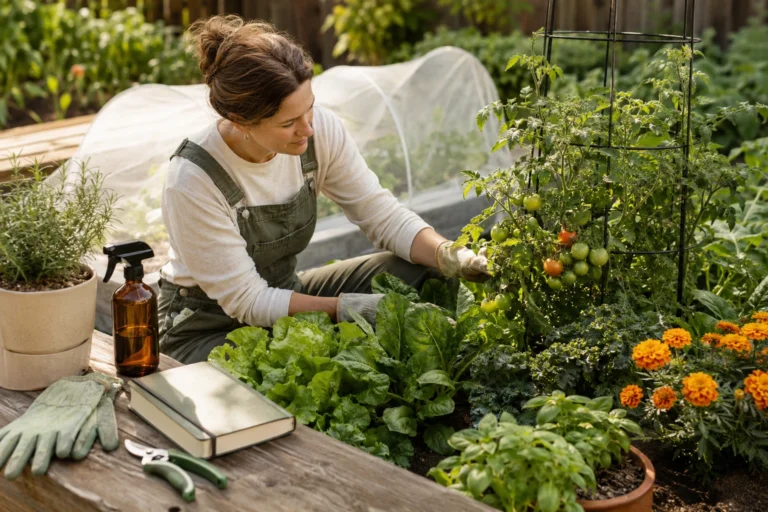
It is especially popular near tomatoes and peppers because they enjoy similar warm-season conditions. Basil also fits well along the edges of raised beds where it is easy to harvest.
Try growing basil with:
Tomatoes
Peppers
Marigolds
Parsley
Lettuce nearby in early season
Nasturtiums along bed edges
Avoid crowding basil under large plants where it cannot get enough sun or airflow.
If you are planning a full kitchen garden, combine basil with ideas from Companion Planting for Beginners and Raised Bed Gardening Guide.
Common Basil Problems
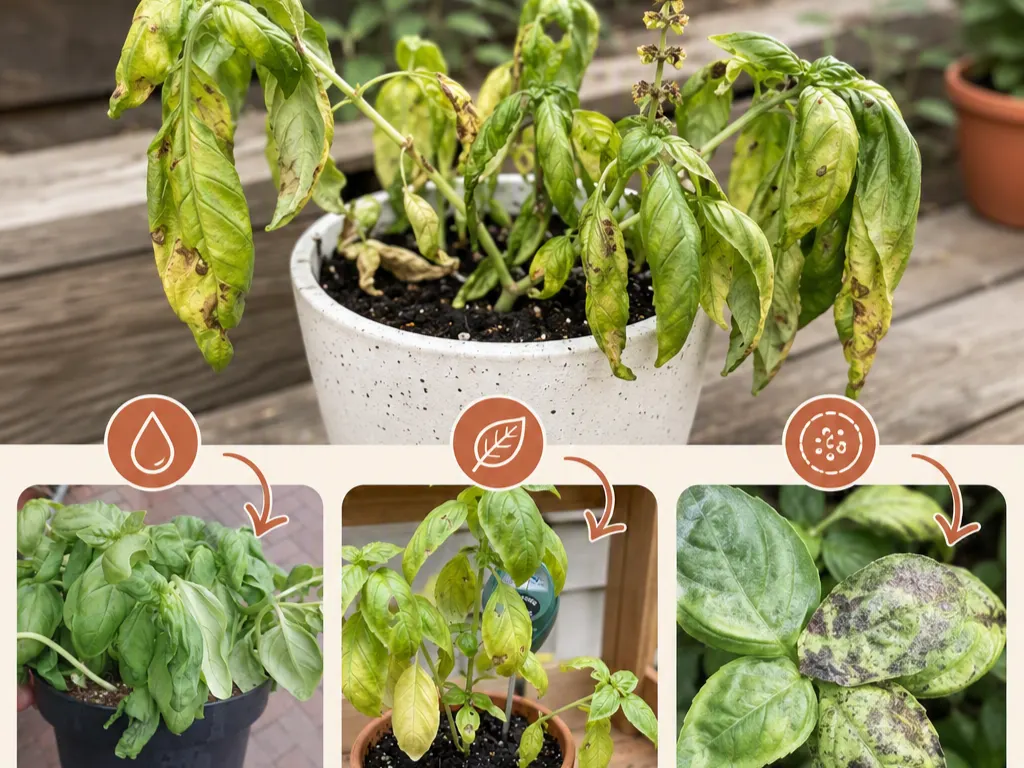
Basil is easy, but beginners may still run into a few issues.
Yellow Leaves
Yellow leaves can come from overwatering, poor drainage, low nutrients, cold stress, or lack of light.
Check the soil first. If it stays wet for days, the pot may not be draining well.
Wilting
Basil wilts when it is thirsty, too hot, recently transplanted, or rootbound.
Water deeply and move container basil out of harsh afternoon sun if needed.
Leggy Growth
Leggy basil usually needs more light or more pruning.
Move it to a brighter spot and pinch stems back to encourage branching.
Flowering Too Early
Basil flowers early when it is stressed, mature, or not harvested often.
Pinch flower buds and harvest regularly.
Holes in Leaves
Small holes may come from insects like slugs, beetles, or caterpillars.
Check leaves closely before treating. Use simple methods from Garden Pest Control for Beginners, such as hand-picking pests or using barriers where needed.
Best Supplies for Growing Basil
You do not need much to grow basil successfully.
A packet of organic basil seeds is the simplest place to start.
Seed starting trays help if you want to start basil indoors before warm weather arrives.
Small herb pots are perfect for patios, balconies, and kitchen gardens.
Organic potting mix gives container basil better drainage and root space.
A watering can with narrow spout helps you water gently at the base.
Garden snips make pruning and harvesting cleaner.
Plant labels help you keep basil varieties organized.
A grow light for herbs is useful if your indoor window is not bright enough.
An herb drying rack helps if you want to preserve extra basil.
Start with the basics and add more supplies only when you need them.
Final Thoughts
Learning how to grow basil for beginners is a simple way to make your garden feel more useful, fragrant, and connected to your kitchen.
Start with one plant or one packet of seeds.
Give basil warmth, sun, good drainage, and steady watering. Prune it often. Harvest stems above a pair of leaves. Pinch flowers if you want more leafy growth.
You can grow basil in a raised bed, a patio pot, a balcony planter, or a sunny kitchen window with enough light.
The more you harvest, the more confident you become.
Basil is one of those small beginner gardening wins that makes homegrown food feel possible. A few fresh leaves can change a meal, and one healthy plant can teach you watering, pruning, harvesting, and simple herb care in one season.
Start small, keep it sunny, and let basil become one of the easiest herbs in your Dreamsteading garden.
FAQ: How to Grow Basil for Beginners
Is basil easy to grow for beginners?
Yes. Basil is one of the easiest herbs for beginners because it grows quickly, works well in pots, and can be harvested often once established.
Does basil need full sun?
Basil grows best in a sunny spot with about 6–8 hours of bright light per day. In very hot climates, a little afternoon shade can help prevent stress.
Can I grow basil in pots?
Yes. Basil grows very well in pots as long as the container has drainage holes, good potting mix, enough sunlight, and regular watering.
How often should I water basil?
Water basil when the top inch of soil feels dry. Container basil may need water more often than basil planted in the ground.
How do I make basil grow bushier?
Prune basil by cutting the stem just above a pair of leaves. This encourages new side shoots and helps the plant grow fuller.
Should I let basil flower?
If you want the best leaf harvest, pinch off flowers. If you want to support pollinators, let one plant flower later in the season.
Can basil grow indoors?
Yes, basil can grow indoors if it gets strong light. A bright window may work, but a grow light often gives better results.
What is the best basil for beginners?
Sweet basil or Genovese basil are the best choices for beginners because they are easy to grow and useful in many recipes.
Newsletter
Want to grow a simple kitchen herb garden at home?
Join the Dreamsteading newsletter for beginner-friendly herb gardening tips, raised bed ideas, small-space growing help, and practical homesteading guides you can use one step at a time.
Grow more food, waste less, and build your dream homestead from the garden up.