12 Easy DIY Garden Bench Ideas to Have a Stunning Backyard Seat
DIY garden bench ideas are perfect when you want to make your outdoor space feel more useful, cozy, and finished without doing a full backyard makeover. A simple bench can turn an empty garden corner, patio edge, flower border, or gravel path into a peaceful place to sit and enjoy the space you are creating.
A garden bench does not have to be complicated or expensive. Some benches can be made with basic wooden planks. Others can be built with cinder blocks, reclaimed wood, logs, planters, or simple outdoor lumber. The best idea depends on your budget, tools, garden style, and how much building experience you have.
A bench can also help shape the layout of your garden. It gives the eye a place to rest, creates a natural focal point, and makes your backyard feel more intentional. Whether you place it near herbs, flowers, raised beds, a small fountain, or a shady tree, a DIY bench can make the whole area feel warmer and more inviting.
In this guide, you will find simple DIY garden bench ideas for beginners, small spaces, patios, backyards, raised beds, and cozy garden corners. You will also learn what materials to use, where to place your bench, and which mistakes to avoid before you start building.
Why Add a DIY Bench to Your Garden?
A garden bench is one of the easiest ways to make an outdoor area feel more complete. Even a small bench can change how you use your garden. Instead of only walking through the space, you now have a reason to sit, pause, read, drink coffee, enjoy the sunset, or watch your plants grow.
A DIY garden bench can also be much more affordable than buying outdoor furniture. Store-bought benches can be expensive, especially if they are made from solid wood or designed for outdoor use. When you build your own, you can choose simple materials, reuse what you already have, and customize the size to fit your space.
A garden bench can help you:
- Add comfortable seating
- Create a cozy garden corner
- Make a patio or backyard feel finished
- Add rustic charm
- Use leftover wood or reclaimed materials
- Create a resting spot near raised beds
- Add structure to a flower border
- Build a peaceful area near a water feature
- Make a small garden feel more intentional
A simple bench is one of the most useful garden ideas on a budget because it adds comfort, structure, and charm without a full landscaping project.
1. Simple Wooden Plank Bench
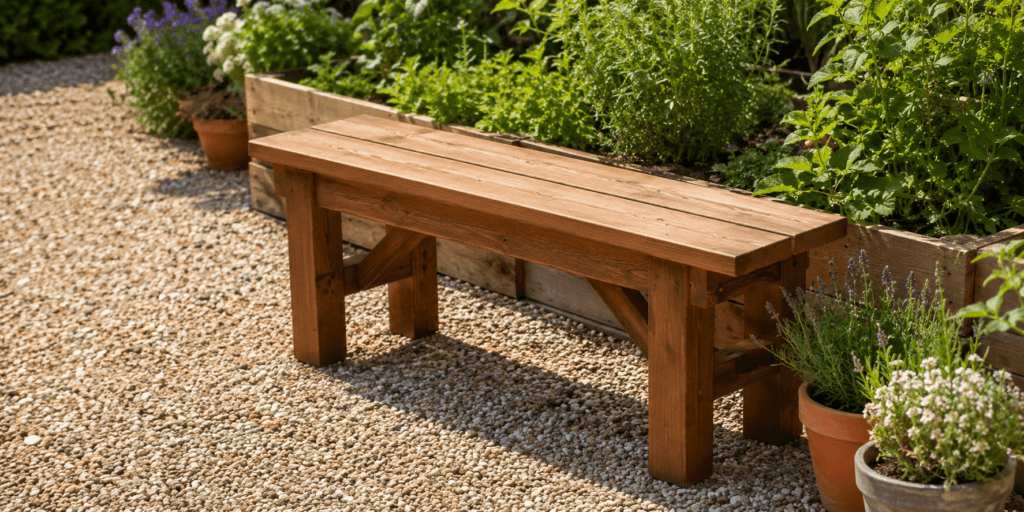
A simple wooden plank bench is one of the easiest DIY garden bench ideas for beginners. It uses basic lumber, straight cuts, and a simple shape. This is a good option if you want a practical outdoor seat without complicated woodworking.
The design can be as simple as two or three wooden planks for the seat, four sturdy legs, and support braces underneath. You can build it as a backless bench, which makes the project easier and gives you more flexibility in where you place it.
This bench works well near a garden path, beside raised beds, on a patio, or along a fence. It is also easy to style with potted herbs, cushions, or a few flower pots nearby.
Best for:
- Beginners
- Small patios
- Garden paths
- Raised bed areas
- Budget outdoor seating
To make it look more intentional, sand the edges, use outdoor screws, and finish the wood with an exterior stain or sealer. A warm wood stain can make even simple lumber look rustic and charming.
Before choosing lumber, it helps to understand the best wood for garden projects so your bench lasts longer outdoors.
2. Rustic Wooden Garden Bench
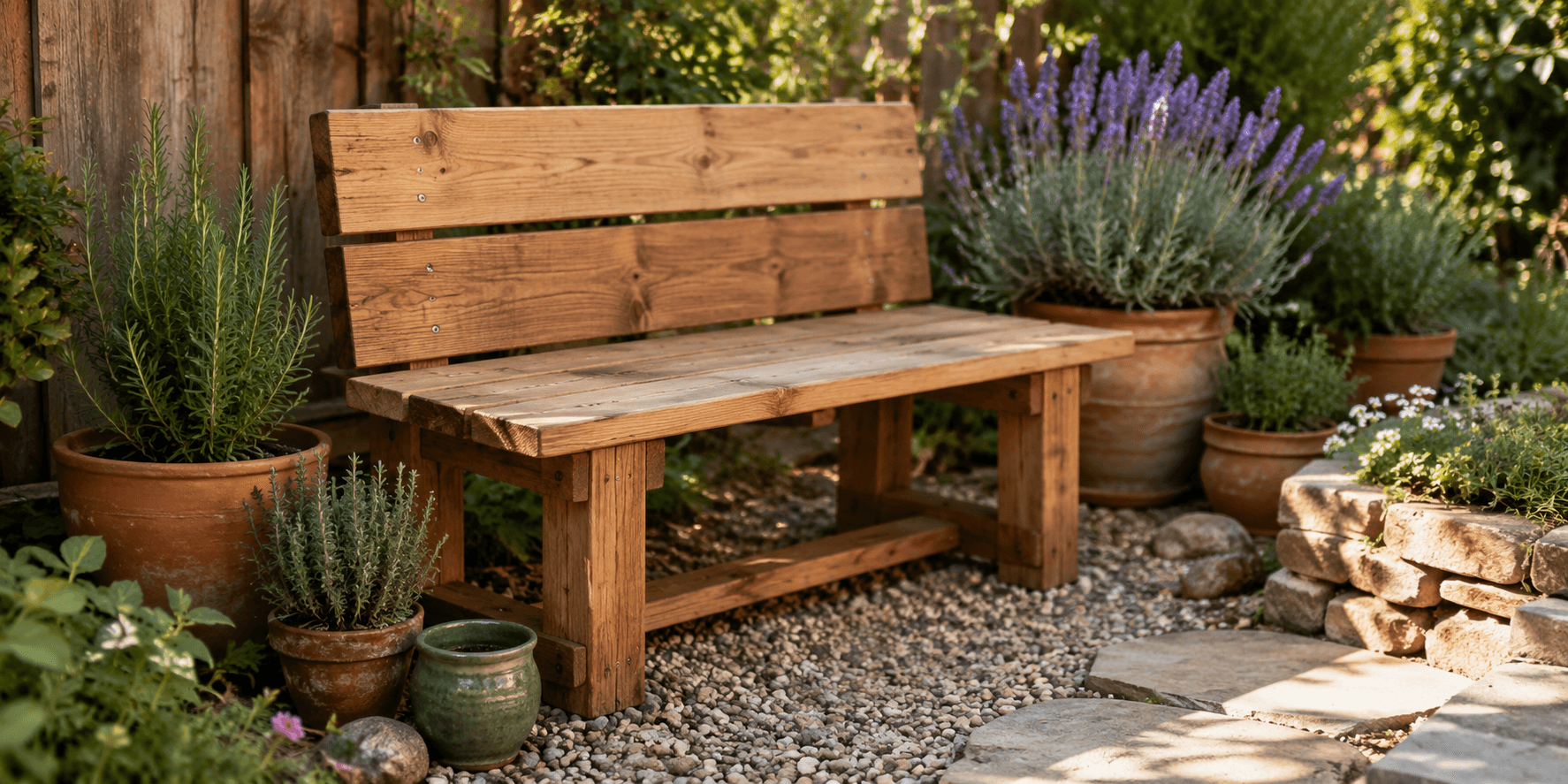
A rustic wooden garden bench is perfect for cottage gardens, homestead-style backyards, and natural outdoor spaces. It does not need to look polished or perfect. In fact, natural wood grain, knots, uneven texture, and a slightly weathered finish can make it more beautiful.
This type of bench works especially well near herbs, lavender, flowers, gravel paths, and natural stone borders. It gives the garden a relaxed, lived-in feeling.
You can build a rustic bench from simple wooden planks, reclaimed boards, thick timber, or rough-cut wood. The goal is to make something sturdy, useful, and full of character.
Best for:
- Cottage gardens
- Homestead gardens
- Rustic patios
- Flower borders
- Backyard seating areas
Keep the design simple. A backless rustic bench is usually easier to build than one with a backrest. If you want more comfort, add an outdoor cushion or place the bench against a wall, fence, or raised bed edge.
You can soften the bench area with simple herb garden ideas like potted lavender, rosemary, thyme, mint, or chives.
3. Cinder Block and Wood Bench
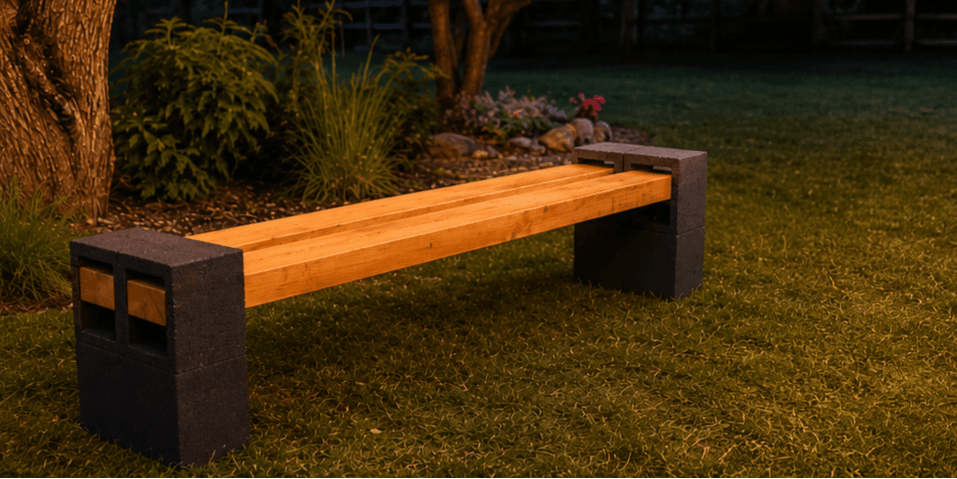
A cinder block and wood bench is one of the best low-tool DIY garden bench ideas. It is budget-friendly, beginner-friendly, and does not require advanced carpentry.
The basic idea is simple. Cinder blocks create the side supports, and wooden boards slide through or sit across the blocks to form the seat. You can paint the blocks, stain the wood, and add cushions for comfort.
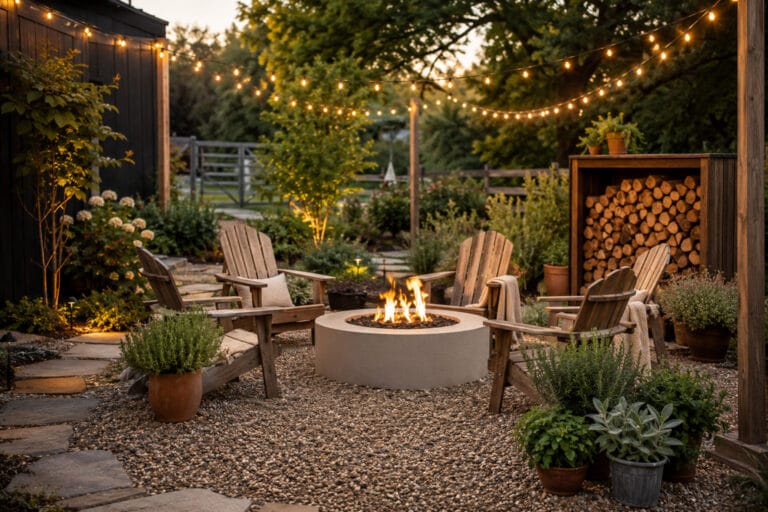
This style works well for patios, fire pit areas, gravel corners, and casual backyard seating. It is also a good option if you do not own many tools.
Best for:
- Low-tool projects
- Budget gardens
- Fire pit seating
- Patio corners
- Renters who need a movable option
The main thing to remember is stability. Place the blocks on a flat surface, make sure the boards are strong enough, and test the bench carefully before regular use.
If you want a softer look, surround the base with gravel, mulch, potted plants, or trailing herbs.
4. Bench with Built-In Planters
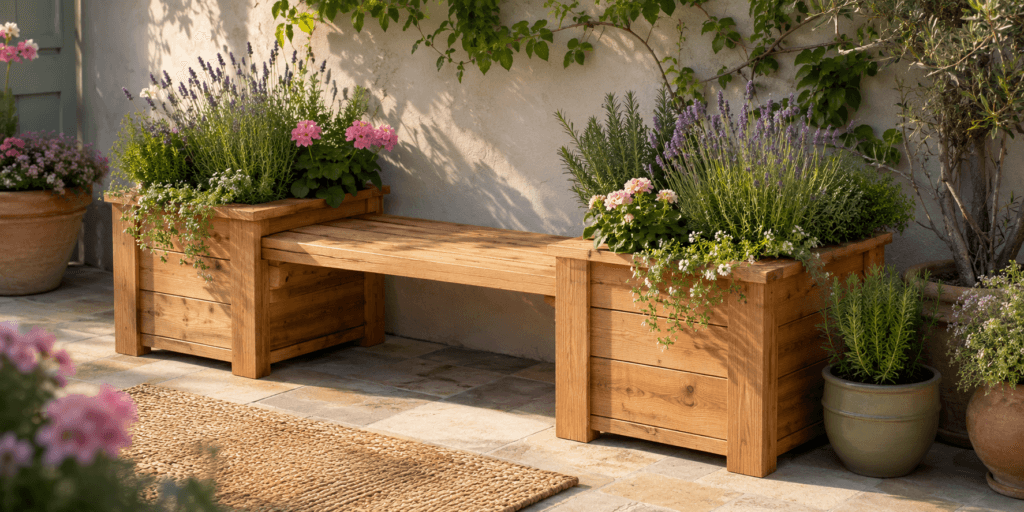
A bench with built-in planters is a beautiful idea for small gardens, patios, and spaces where you want seating and plants together. This design usually has a bench seat between two planter boxes, or planters built into each side.
It can make a plain patio feel much more decorative. You can fill the planters with herbs, flowers, ornamental grasses, or small shrubs. Lavender, rosemary, thyme, chives, geraniums, and trailing flowers all work well.
Best for:
- Small patios
- Courtyards
- Balcony-style spaces
- Garden corners
- Decorative outdoor seating
This idea is slightly more involved than a simple plank bench, but it can be worth it because it combines two functions in one project. You get seating and garden structure at the same time.
For a beginner version, build or buy two sturdy wooden planters and place a strong board between them as the bench seat. Make sure the seat is securely attached and properly supported.
5. Reclaimed Wood Garden Bench
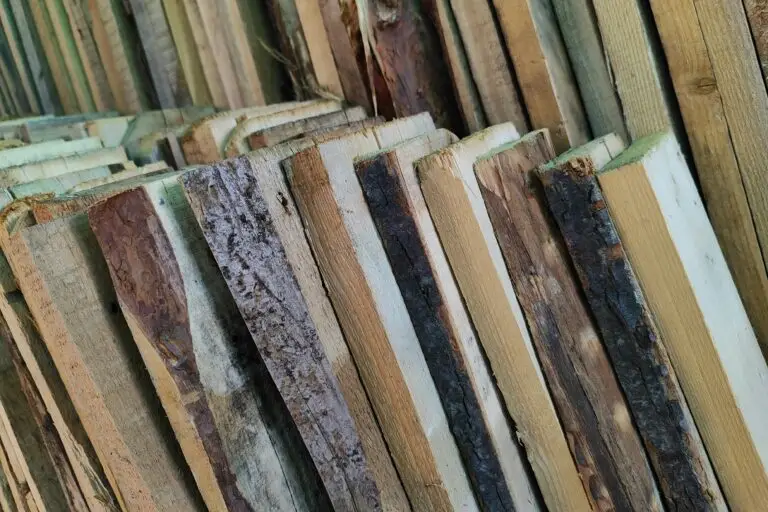
A reclaimed wood garden bench is perfect if you want a budget-friendly, rustic, farmhouse-style look. Old boards, leftover lumber, pallet wood, or salvaged wood can be turned into a simple garden bench with a lot of character.
This idea is great for a homestead-style garden because it uses materials that might otherwise go to waste. It also gives the bench a weathered, natural look that blends well with herbs, flowers, gravel, and raised beds.
Best for:
- Rustic gardens
- Farmhouse outdoor spaces
- Budget projects
- Reusing materials
- Natural garden corners
However, reclaimed wood needs to be checked carefully. Avoid rotten, cracked, weak, or chemically treated wood. Remove old nails or screws before cutting or sanding. If the wood will be used outdoors, seal or stain it to help it last longer.
A reclaimed wood bench does not need to match perfectly. Slight differences in color and texture can make the final piece more interesting.
6. Log Bench
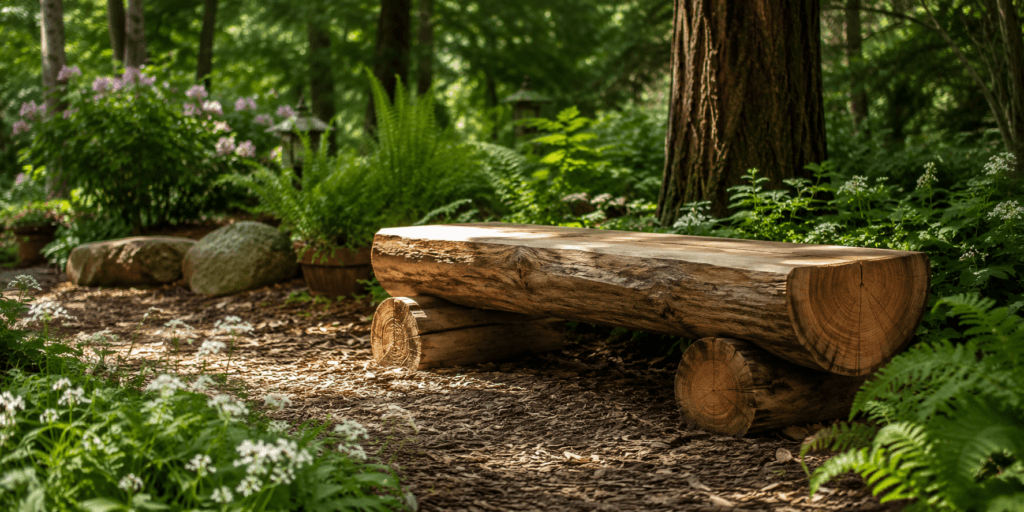
A log bench is one of the most natural-looking garden bench ideas. It works beautifully in woodland gardens, rustic backyards, cottage gardens, and areas with trees or natural landscaping.
The simplest version uses a large log as the seat, supported by smaller logs, stones, or wooden blocks. Another version uses a split log with the flat side facing up for a smoother sitting surface.
Best for:
- Woodland gardens
- Natural backyard areas
- Rustic landscapes
- Shady corners
- Informal seating
A log bench can look very charming, but it needs to be stable and safe. The log should not roll, shift, or wobble. The sitting surface should be sanded enough to remove sharp edges, splinters, or rough bark where people will sit.
This style looks especially beautiful near ferns, shade plants, mulch paths, wildflowers, or natural stone.
7. Corner Garden Bench
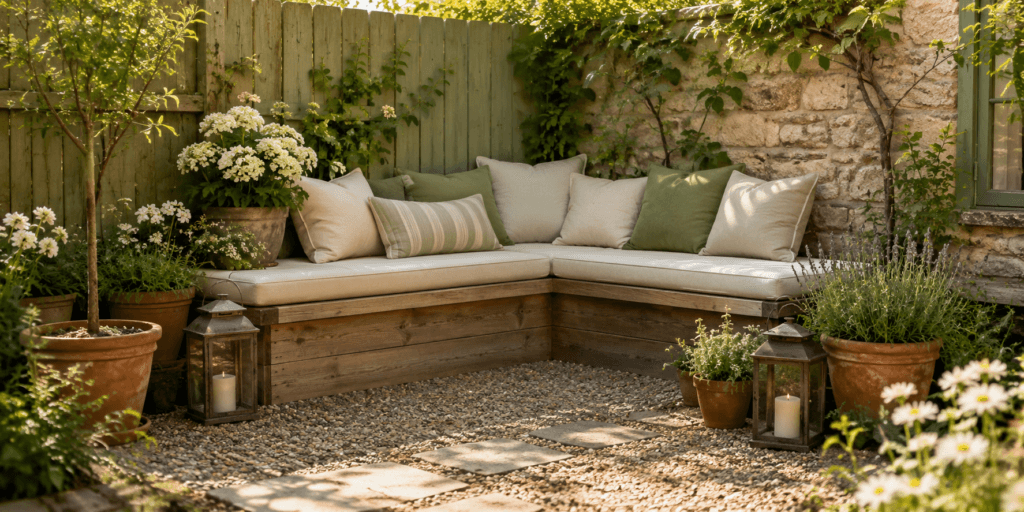
A corner garden bench is a smart way to use an empty patio corner, fence corner, or backyard nook. Corners are often wasted spaces, but a small bench can turn them into cozy seating areas.
This idea works especially well if your garden has a fence, wall, or hedge behind the bench. The background helps the bench feel tucked in and comfortable.
Best for:
- Small backyards
- Patio corners
- Courtyards
- Fence lines
- Cozy seating nooks
A corner bench can be L-shaped, or it can simply be a straight bench placed diagonally or along one side of the corner. Add potted plants, gravel, lanterns, or flowers to make the area feel finished.
If the corner gets too much sun, consider adding shade with a small umbrella, trellis, climbing plants, or nearby shrubs.
8. Bench Around a Tree
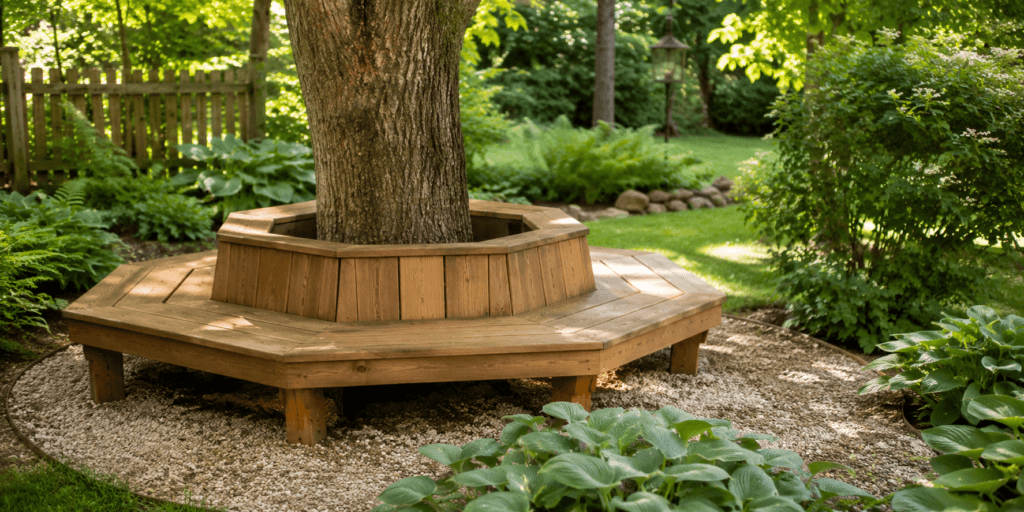
A bench around a tree can create a beautiful shady seating area. It turns an existing tree into a natural focal point and makes the garden feel more inviting.
This type of bench can be circular, hexagonal, or simple and partial. A full wraparound tree bench is more advanced, but a beginner-friendly version can use two or three simple benches arranged around the tree.
Best for:
- Shade gardens
- Large trees
- Backyard seating areas
- Reading spots
- Relaxing garden corners
When building around a tree, do not damage the trunk or roots. Leave enough space around the trunk so the tree can continue growing. Avoid attaching the bench directly to the tree.
A tree bench looks beautiful with mulch, shade plants, hostas, ferns, or a gravel ring around the base.
9. Gravel Path Bench
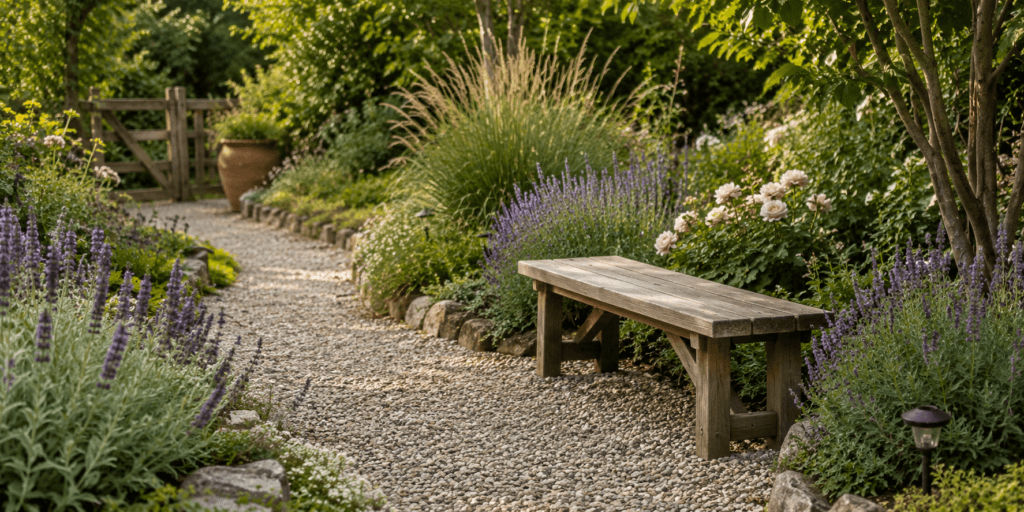
A bench placed along a gravel path can make your garden feel more designed. It gives the path a destination and creates a natural pause point.
This idea works especially well at the end of a path, beside a flower border, near a small fountain, or in a quiet side garden. The bench does not need to be large. Even a small backless bench can make the area feel more intentional.
Best for:
- Garden paths
- Flower borders
- Gravel gardens
- Small backyard layouts
- Quiet sitting areas
To create this look, prepare a flat gravel base before placing the bench. This helps with drainage and keeps the area from becoming muddy.
Add plants around the bench to soften the edges. Lavender, ornamental grasses, thyme, rosemary, and small flowers can all make the area feel calm and natural.
10. Small Patio Bench
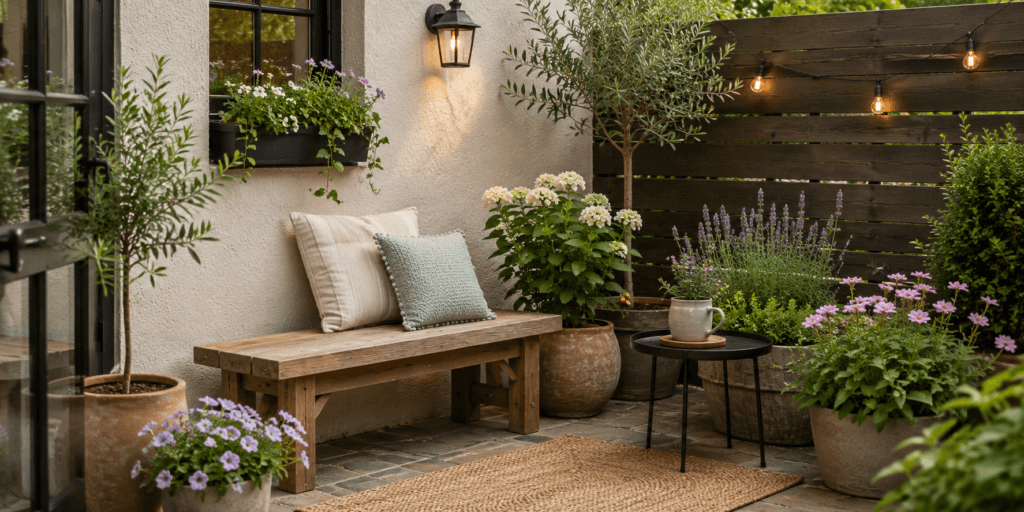
A small patio bench is ideal for compact outdoor spaces. It works well on patios, balconies, courtyards, front porches, and small backyard seating areas.
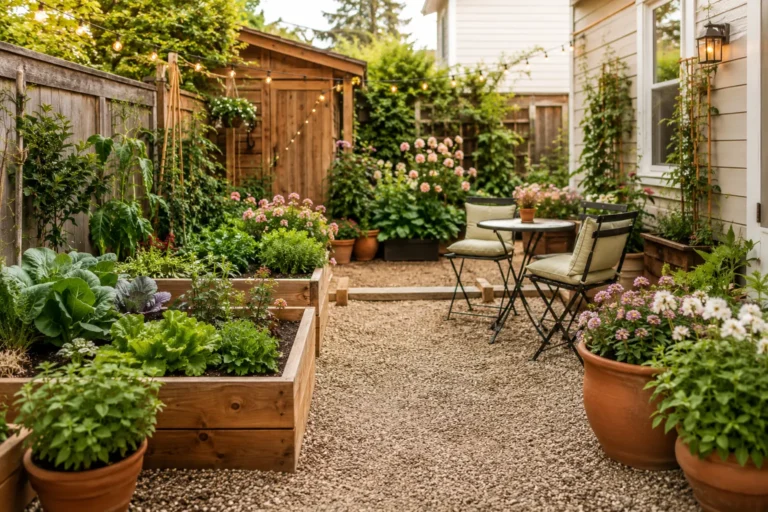
The best patio bench is narrow enough to fit the space but strong enough to be useful. A simple backless bench can slide against a wall or under a window. A small bench with planters can create a cozy corner without taking up too much room.
Best for:
- Patios
- Balconies
- Courtyards
- Porches
- Small outdoor spaces
For a small patio, avoid bulky designs. Choose clean lines, light wood, or a simple rustic style. Add one cushion, one small side table, and a few pots instead of crowding the space.
A small patio bench can also work beside a container garden, vertical herb garden, or small water feature.
11. Raised Bed Garden Bench
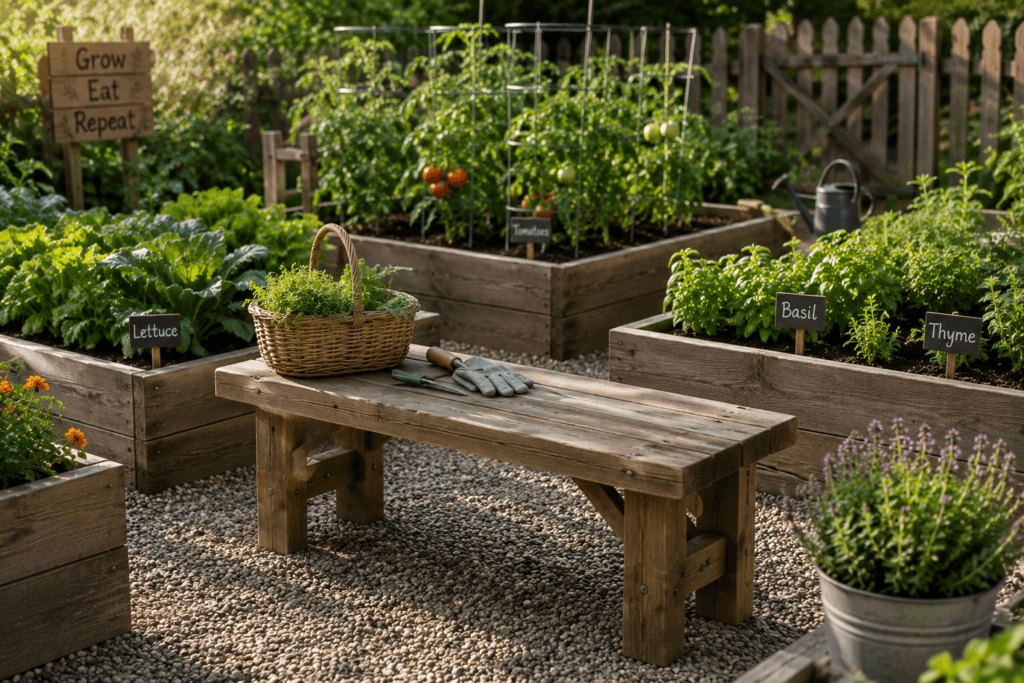
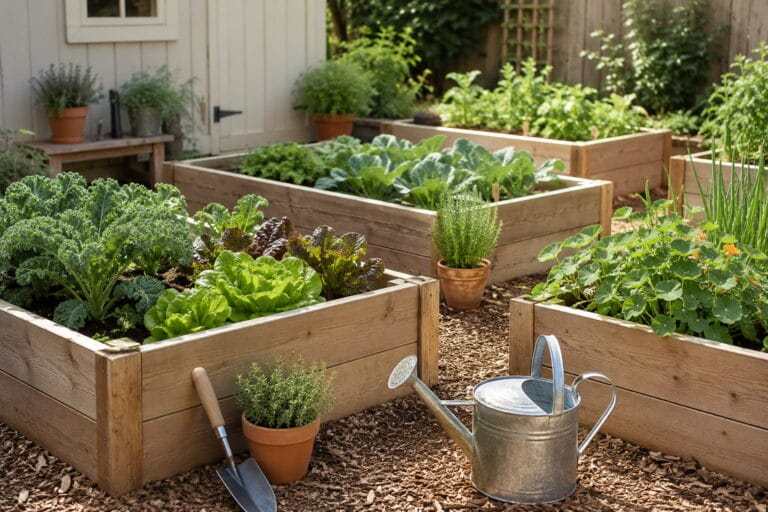
A raised bed garden bench is useful in vegetable gardens and herb gardens. It gives you a place to sit while planting, weeding, harvesting, or simply looking over the garden.
This bench can sit beside raised beds, between two garden beds, or at the end of a garden path. It can be simple and practical rather than decorative.
Best for:
- Vegetable gardens
- Herb gardens
- Raised bed layouts
- Homestead gardens
- Practical garden seating
If your bench sits near vegetables or herbs, learning how to build raised garden beds can help you create a more organized garden layout.
This type of bench is especially helpful if you spend a lot of time working in the garden. You can use it to rest, hold a basket, set down tools, or sit while harvesting herbs and greens.
Choose durable wood and keep the bench stable. Since garden areas often get wet, seal the wood and place the bench on gravel, pavers, or another well-draining surface.
12. Bench Beside a Small Fountain
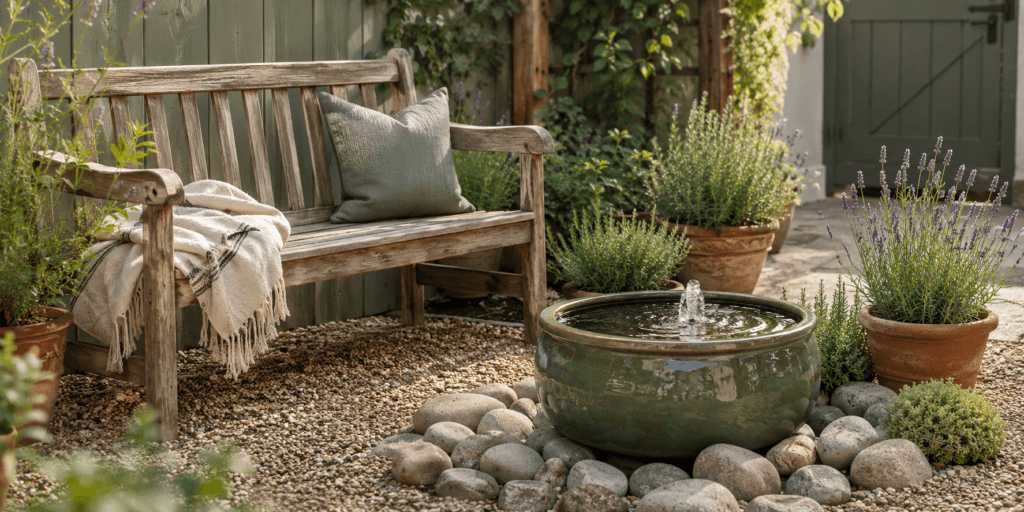
A bench beside a small fountain can create one of the most peaceful spots in the garden. The sound of moving water makes the seating area feel calm and relaxing, even in a small backyard.
This idea works well with a simple wooden bench, a rustic plank bench, or a small patio bench. Place the bench close enough to hear the water but far enough that it does not get splashed.
Best for:
- Peaceful garden corners
- Patio seating
- Small backyard retreats
- Relaxing outdoor spaces
- Water feature areas
Place a bench near a DIY small fountain to create a peaceful garden corner with seating and the sound of moving water.
To style the area, add gravel, smooth stones, lavender, thyme, rosemary, or small flowers. Keep the look natural and uncluttered so the space feels calm.
Best Materials for DIY Garden Benches
The right material makes a big difference in how long your bench lasts outdoors. Garden benches face sun, rain, moisture, soil, and temperature changes, so choose materials that can handle outdoor use.
Cedar
Cedar is a great outdoor wood because it naturally resists moisture and decay better than many softwoods. It also has a beautiful warm color.
Pine
Pine is affordable and easy to find. It can work well for a garden bench if it is sealed, painted, or stained for outdoor use.
Douglas Fir
Douglas fir is strong and commonly used for outdoor projects. It should be protected with stain or sealer.
Pressure-Treated Lumber
Pressure-treated wood is made to resist rot and insects. It can be a practical choice for outdoor bench frames, but some people prefer untreated or naturally resistant woods for decorative garden seating.
Reclaimed Wood
Reclaimed wood can look beautiful and rustic, but it must be checked carefully for rot, nails, cracks, and chemical treatments.
Cinder Blocks
Cinder blocks are strong, affordable, and useful for low-tool bench designs. They work well with wooden boards and outdoor cushions.
Logs
Logs create a natural rustic look. They work best in informal gardens and woodland-style spaces.
Whatever material you choose, make sure the bench is stable, comfortable, and suitable for outdoor conditions.
Beginner Tips Before Building a Garden Bench
Before you start building, take a little time to plan. A simple bench is much easier to build when you know where it will go and how it will be used.
First, measure your space. A bench that looks small in your mind may feel too large once it is placed in a narrow patio or garden path. Leave enough room to walk around it comfortably.
Next, think about the ground. A bench should sit on a flat, stable surface. Gravel, pavers, concrete, compacted soil, or a level patio are better than soft uneven ground.
Use outdoor-safe screws and hardware. Indoor screws may rust or weaken outside. Sand any rough edges to avoid splinters.
For most outdoor wooden benches, sealing or staining the wood is a good idea. This helps protect it from moisture and sunlight.
A good beginner bench should be:
- Simple
- Stable
- Comfortable
- Easy to maintain
- Made from outdoor-suitable materials
- Sized for your space
- Not too heavy to move if needed
Do not try to build the most complicated design first. Start with a simple bench, then improve your skills over time.
Common DIY Garden Bench Mistakes to Avoid
A DIY garden bench is a beginner-friendly project, but a few mistakes can make it uncomfortable or unsafe.
Choosing a Bench That Is Too Large
A bench should fit the scale of the garden. A large bench can overwhelm a small patio or narrow path.
Skipping Wood Protection
Outdoor wood needs protection. Stain, paint, or seal your bench if the wood is not naturally weather-resistant.
Placing the Bench on Uneven Ground
Uneven ground can make the bench wobble. Prepare the area first so the bench sits flat and stable.
Using Indoor Screws Outside
Indoor screws can rust. Use outdoor-rated screws and hardware.
Not Sanding Rough Edges
Rustic does not mean uncomfortable. Sand sharp corners and splintered areas.
Making the Seat Too Low or Too High
A typical bench seat height is around 18 inches, or about 45 cm. Adjust slightly based on comfort.
Forgetting Drainage Under the Bench
If water collects under the bench, the wood may rot faster. Gravel or pavers can help with drainage.
Choosing Style Over Comfort
A bench should look good, but it should also be comfortable enough to use. Test the height, depth, and stability before calling it finished.
Where to Place a DIY Garden Bench
Placement matters as much as design. A bench should feel like it belongs in the garden, not like it was randomly placed.
Good places for a garden bench include:
- Beside a raised garden bed
- Near a small fountain
- Under a tree
- Along a garden path
- On a patio
- Near a fire pit
- Beside a herb garden
- In a flower border
- On a porch
- At the end of a gravel path
- Against a fence
- In a quiet backyard corner
Think about what you want to see while sitting. A bench facing flowers, herbs, a fountain, or a garden path will feel more enjoyable than one facing a blank wall.
Also think about shade. A bench in full sun may be too hot during summer. A bench in deep shade may stay damp. Partial shade is often the most comfortable.
How to Style a Garden Bench
Once your bench is built or placed, styling can make it feel like part of the garden.
You can style a garden bench with:
- Potted herbs
- Lavender
- Rosemary
- Thyme
- Small flowers
- Gravel
- Mulch
- Natural stones
- Outdoor cushions
- Solar lights
- A small side table
- A simple garden path
- A nearby planter box
Keep the styling simple. Too many decorations can make the area feel crowded. A bench, a few plants, and a natural surface are often enough.
For a rustic look, use wood, terracotta, gravel, and soft greenery. For a cottage look, add flowers and herbs. For a modern look, keep the bench shape clean and use simple planters.
FAQ About DIY Garden Bench Ideas
What is the easiest DIY garden bench to build?
The easiest DIY garden bench is usually a simple wooden plank bench or a cinder block and wood bench. Both designs can be made with basic materials and beginner-friendly steps.
What is the best wood for a garden bench?
Cedar, redwood, pressure-treated lumber, Douglas fir, and sealed pine can all work for outdoor benches. The best choice depends on your budget, climate, and preferred look.
Can beginners build a garden bench?
Yes, beginners can build a garden bench if they choose a simple design. A backless wooden bench or cinder block bench is a good first project.
How tall should a garden bench be?
A common garden bench seat height is about 18 inches, or 45 cm. This height is comfortable for most adults, but you can adjust it slightly depending on your needs.
Do I need to seal an outdoor wooden bench?
Yes, sealing, staining, or painting outdoor wood helps protect it from moisture, sun, and weather. This can help the bench last longer.
Can I use reclaimed wood for a garden bench?
Yes, reclaimed wood can be used if it is strong, clean, and safe. Avoid rotten wood, cracked structural boards, or wood that may have been treated with unsafe chemicals.
How do I make a garden bench more comfortable?
You can make a bench more comfortable by choosing the right height and depth, sanding rough edges, adding cushions, and placing it in a shaded or peaceful location.
Can I build a garden bench without advanced tools?
Yes, a cinder block and wood bench or simple plank bench can be built with basic tools. Some lumber stores can cut boards for you, which makes the project easier.
How do I stop a wooden bench from rotting?
Use outdoor-suitable wood, seal or stain it, keep the bench off wet soil, place it on gravel or pavers, and allow air to move around the legs and base.
Where should I place a garden bench?
Place a garden bench where it feels useful and peaceful. Good spots include beside a path, near flowers, under a tree, beside raised beds, near a fountain, or in a quiet patio corner.
Conclusion
DIY garden bench ideas can help you turn a simple outdoor area into a cozy and useful space. A bench adds seating, structure, charm, and purpose to a garden without requiring a major landscaping project.
Start with a bench idea that fits your skill level and space. A simple wooden plank bench is great for beginners. A cinder block bench is good for low-tool projects. A rustic wooden bench adds character. A planter bench brings seating and greenery together. A bench beside a small fountain creates a peaceful place to relax.
The best garden bench is not always the most complicated one. It is the one you will actually use and enjoy.
Choose a stable location, use outdoor-friendly materials, protect the wood, and style the area with herbs, flowers, gravel, or natural stones. With a few simple choices, your garden bench can become one of the most inviting spots in your backyard.
Want more beginner-friendly garden projects, backyard ideas, and budget-friendly outdoor inspiration? Subscribe to the Dreamsteading newsletter and get practical guides sent straight to your inbox.