15 Easy Thriving Crops For a Late Summer Vegetable Garden
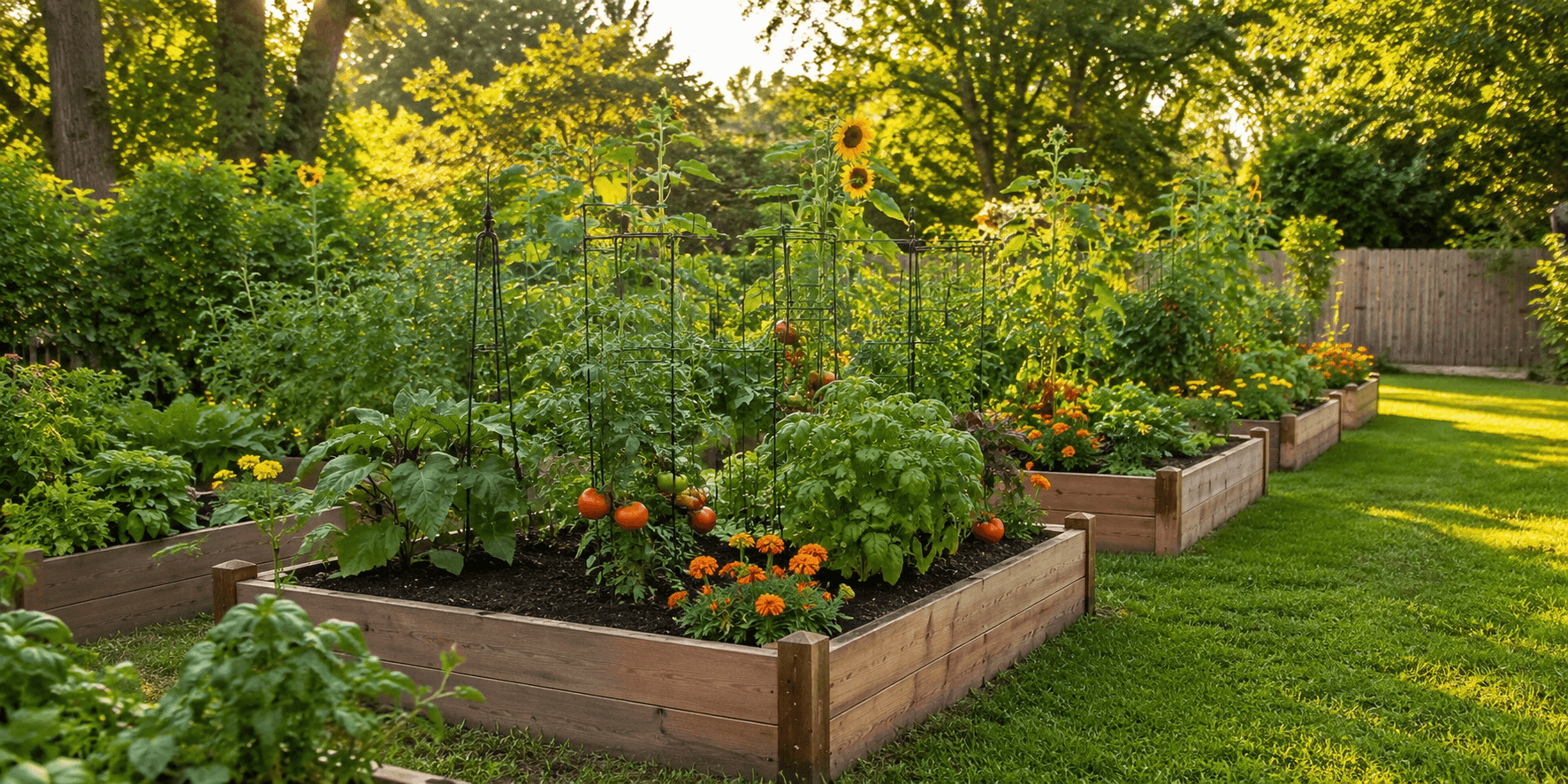
Late summer vegetable garden planning is one of the best ways to keep your growing season productive after the hottest part of summer. Many gardeners think the vegetable garden is almost finished when tomatoes, cucumbers, beans, and zucchini begin to slow down, but late summer can actually be the perfect time to plant a fresh round of vegetables for fall.
Instead of leaving empty beds bare, you can refresh the soil, plant fast-growing crops, and enjoy another harvest before cold weather arrives. Lettuce, spinach, kale, radishes, carrots, beets, green onions, cilantro, bok choy, and other cool-season vegetables can all grow well when planted at the right time.
A late summer garden is also a smart way to make better use of raised beds, containers, and small backyard spaces. With a little planning, even one empty bed or a few pots can produce fresh food into fall.
In this guide, you will learn what a late summer vegetable garden is, what vegetables to plant, how to refresh tired soil, and how to protect young plants from heat as the season begins to change.
Disclosure: This post contains affiliate links. As an Amazon Associate, I earn from qualifying purchases. This means I may earn a small commission if you buy through my links, at no extra cost to you.
What Is a Late Summer Vegetable Garden?
A late summer vegetable garden is a second planting started after the hottest part of summer, usually when early crops are finished or summer plants are becoming less productive.
Instead of treating the garden as finished, you use open space for vegetables that grow quickly, tolerate cooler weather, or can be harvested young.
A late summer garden usually focuses on:
- Fast-growing leafy greens
- Root vegetables
- Cool-season crops
- Fall harvest vegetables
- Succession planting
- Refreshing tired garden beds
- Making better use of small spaces
This type of garden is not about starting over completely. It is about giving your existing garden a second season.
If you started earlier in the year, this guide to vegetables you can still plant in late June can help you compare summer planting with late summer planting.
Why Late Summer Is a Great Time to Plant Vegetables
Late summer can be more productive than many beginners expect. The soil is already warm, which helps many seeds germinate quickly. At the same time, the days slowly become cooler, which creates better conditions for many greens and root crops.
Late summer planting can help you:
- Extend your harvest into fall
- Reuse empty garden beds
- Replace tired summer crops
- Grow cool-season vegetables
- Avoid wasted garden space
- Start fresh after pest or disease problems
- Get more food from a small garden
Some vegetables also taste better in cooler weather. Kale, spinach, lettuce, carrots, and other greens can become sweeter and more tender as temperatures drop.
Many late summer crops are also easy vegetables to grow for beginners, especially radishes, lettuce, kale, spinach, and green onions.
Check Your First Frost Date Before Planting
Before choosing crops, check your expected first frost date. This tells you how much growing time you have left before cold weather may damage tender plants.
Look at the “days to harvest” on the seed packet, then give yourself a little extra time. Plants often grow more slowly in fall because the days become shorter.
If your first frost is close, focus on quick crops like radishes, arugula, lettuce, spinach, baby kale, cilantro, and green onions. If you still have 60 to 90 days, you may also grow carrots, beets, turnips, broccoli, cabbage, peas, and bok choy.
In warm climates, late summer planting can continue much longer. In colder climates, choose faster crops, use transplants, or protect plants with row covers.
How to Refresh a Tired Summer Garden Bed
Before planting new vegetables, refresh the garden bed. Summer crops can leave soil dry, compacted, weedy, or low in nutrients.
Start by removing plants that are finished, diseased, or no longer productive. If a summer crop is still producing well, you can leave it and plant around it carefully.
Next, pull weeds. Late summer seedlings need a clean start because they can struggle when competing for water, light, and nutrients.
Loosen the top few inches of soil with a hand fork, trowel, or small cultivator. You do not need to dig deeply. The goal is to improve the surface and make planting easier.
Add compost before planting. Compost improves tired soil, helps hold moisture, and gives new crops a better start. Adding compost is one of the best ways to improve tired soil, and this guide to composting for beginners can help you make your own garden amendment at home.
After planting, add mulch around young plants to keep the soil cooler and reduce moisture loss.
Best Vegetables to Plant in a Late Summer Vegetable Garden
The best late summer vegetables are crops that grow quickly, tolerate cooler weather, or can be harvested young before frost arrives. This usually means leafy greens, root crops, green onions, cilantro, and fast-growing fall vegetables.
A good seed variety pack can make planning easier because it gives you several options to test in your garden instead of buying every seed packet separately. For example, a 25 Summer Vegetable Garden Seed Variety Pack with non-GMO heirloom vegetable and greens seeds can be useful if you want a mix of crops for outdoor beds, containers, or even indoor seed starting.
Just remember to choose the right seeds for your season. In late summer, focus first on faster or cooler-weather crops like greens, onions, and quick harvest vegetables. Warm-season crops such as peppers, okra, beans, and cucumbers usually need more heat and time, so they are better for warm climates, indoor starts, or planning ahead for your next summer garden.
1. Lettuce
Lettuce is one of the easiest crops to grow for fall salads. Loose-leaf varieties are especially useful because you can harvest baby leaves early.
Lettuce grows well in raised beds, containers, and small garden spaces. Keep the soil evenly moist and provide light shade if late summer temperatures are still high.
2. Spinach
Spinach is a cool-season green that often grows better as temperatures drop. It can be harvested as baby leaves or mature greens.
Plant spinach from seed and keep the soil moist during germination. If your weather is still hot, wait for a cooler period or use temporary shade.
3. Kale
Kale is hardy, productive, and beginner-friendly. It can handle cooler weather better than many summer crops and often continues producing into fall.
You can plant kale from seed if you have enough time, but transplants are useful if your season is short. Harvest outer leaves while the plant continues growing.
4. Arugula
Arugula is one of the fastest late summer greens. It has a peppery flavor and works well in salads, sandwiches, and quick meals.
Because it grows quickly, arugula is a good choice when frost is not far away. Plant small amounts every one to two weeks for a longer harvest.
5. Radishes
Radishes are one of the quickest vegetables for a late summer garden. Many varieties mature in only a few weeks.
They grow best in loose soil with consistent moisture. Dry soil can make radishes tough or overly spicy, so water regularly.
6. Carrots
Carrots can be planted in late summer if you still have enough time before frost. Choose shorter or faster-maturing varieties if your season is limited.
Keep the soil moist while seeds germinate. Carrot seeds can be slow to sprout, so patience is important.
7. Beets
Beets are useful because both the roots and greens are edible. This makes them a smart crop for small gardens.
Plant beet seeds directly in the garden and thin seedlings so the roots have room to grow. The thinned greens can be used in salads or cooked dishes.
8. Turnips
Turnips grow quickly and give you both greens and roots. They are useful for soups, roasting, sautés, and fall meals.
Plant them in loose, fertile soil and keep them watered so the roots stay tender.
9. Swiss Chard
Swiss chard can handle some warmth and continue producing as temperatures cool. This makes it a good transition crop between summer and fall.
Harvest the outer leaves and leave the center of the plant growing for a longer harvest.
10. Green Onions
Green onions are easy, useful, and perfect for small spaces. They grow well in raised beds, containers, and between other crops.
They do not need much room and can be harvested young for everyday cooking.
11. Cilantro
Cilantro often struggles in hot summer weather, but it usually grows better as temperatures cool. Late summer is a good time to try it again.
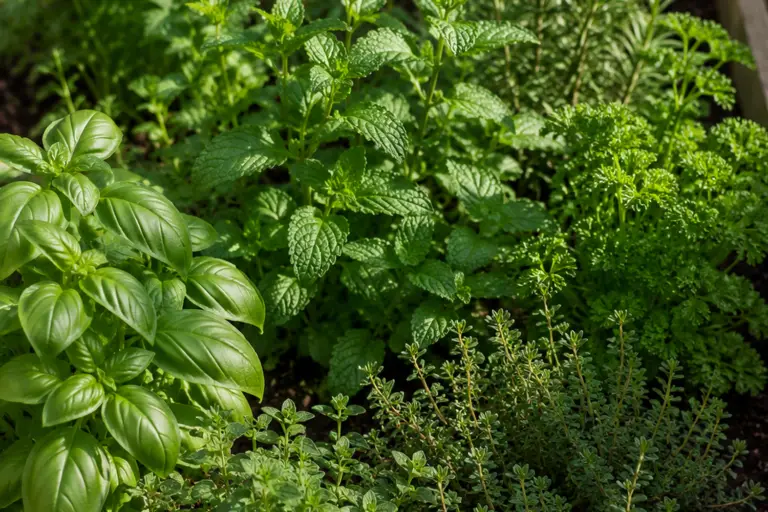
Plant cilantro from seed, keep the soil moist, and harvest regularly before it bolts.
If you only have a small outdoor space, a balcony herb garden pairs well with container-grown lettuce, spinach, radishes, and green onions.
12. Peas
Peas can work well in areas with mild fall weather. They prefer cooler temperatures but still need enough time to grow before cold weather becomes too strong.
Choose faster-maturing varieties and give them a small trellis or support.
13. Broccoli
Broccoli is a good fall crop, but it usually works best from transplants in late summer. Starting from seed may take too long unless you begin early enough.
Plant broccoli in rich soil and water consistently while it gets established.
14. Cabbage
Cabbage is another cool-season crop that can be planted in late summer, especially from transplants.
Choose smaller or faster-maturing varieties if your season is short. Cabbage needs steady moisture and enough space to form heads.
15. Bok Choy
Bok choy grows quickly and is excellent for fall cooking. It can be harvested young if you are short on time.
Keep it watered and protect young plants from intense afternoon heat.
Quick Late Summer Planting Table
| Vegetable | Best Planted As | Approx. Days to Harvest | Difficulty | Beginner-Friendly? |
|---|---|---|---|---|
| Lettuce | Seed or transplant | 30–60 | Easy | Yes |
| Spinach | Seed | 35–50 | Easy | Yes |
| Kale | Seed or transplant | 40–65 | Easy | Yes |
| Arugula | Seed | 20–40 | Easy | Yes |
| Radishes | Seed | 20–35 | Easy | Yes |
| Carrots | Seed | 60–80 | Medium | Yes |
| Beets | Seed | 50–70 | Easy | Yes |
| Turnips | Seed | 35–60 | Easy | Yes |
| Swiss Chard | Seed or transplant | 45–60 | Easy | Yes |
| Green Onions | Seed, sets, or starts | 30–70 | Easy | Yes |
| Cilantro | Seed | 30–45 | Easy | Yes |
| Peas | Seed | 55–70 | Medium | Sometimes |
| Broccoli | Transplant | 60–90 | Medium | Yes |
| Cabbage | Transplant | 70–100 | Medium | Yes |
| Bok Choy | Seed or transplant | 30–55 | Easy | Yes |
Use this table as a guide, but always check your seed packet and local climate.
Late Summer Garden Layout Ideas
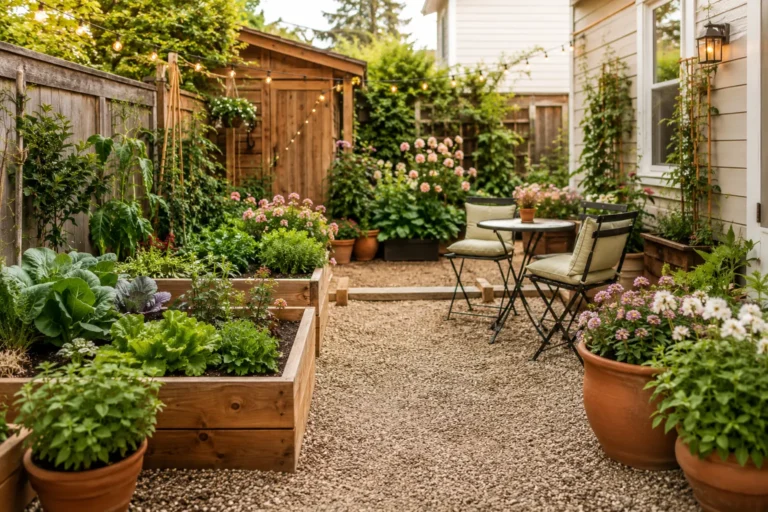
A late summer garden does not need to be large. One raised bed, a few containers, or a small backyard corner can be enough.
Raised Bed Fall Garden
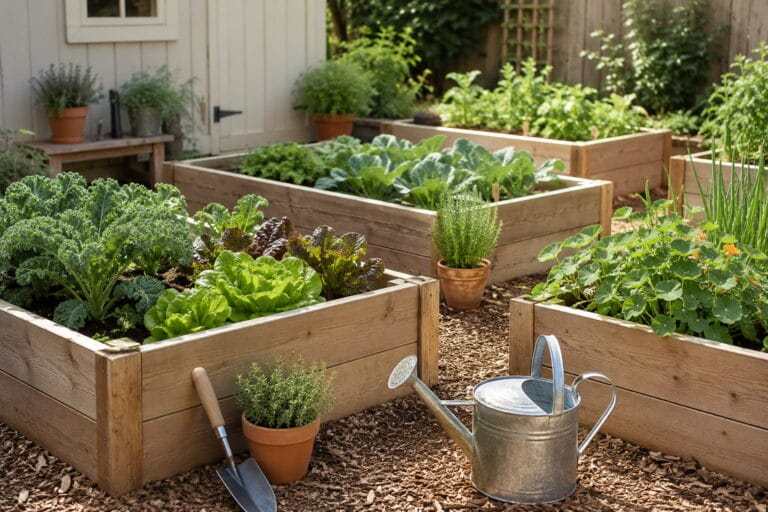
A raised bed is easy to refresh, weed, and water. Plant taller crops like kale, broccoli, or Swiss chard toward the back. Put shorter crops like lettuce, spinach, radishes, and green onions toward the front.
A late summer vegetable garden is easier to manage when you build raised garden beds that keep crops organized and soil easier to refresh.
Container Late Summer Garden
Containers are useful for patios, balconies, porches, and small yards. Good container crops include lettuce, spinach, arugula, radishes, green onions, cilantro, and baby kale.
Use containers with drainage holes and fresh potting mix. Check moisture often because containers dry out faster than garden beds.
Beginner 5-Crop Garden
If you want a simple start, plant:
- Lettuce
- Radishes
- Kale
- Spinach
- Green onions
This gives you quick greens, simple roots, and useful kitchen ingredients without making the garden complicated.
How to Plant a Late Summer Vegetable Garden Step by Step
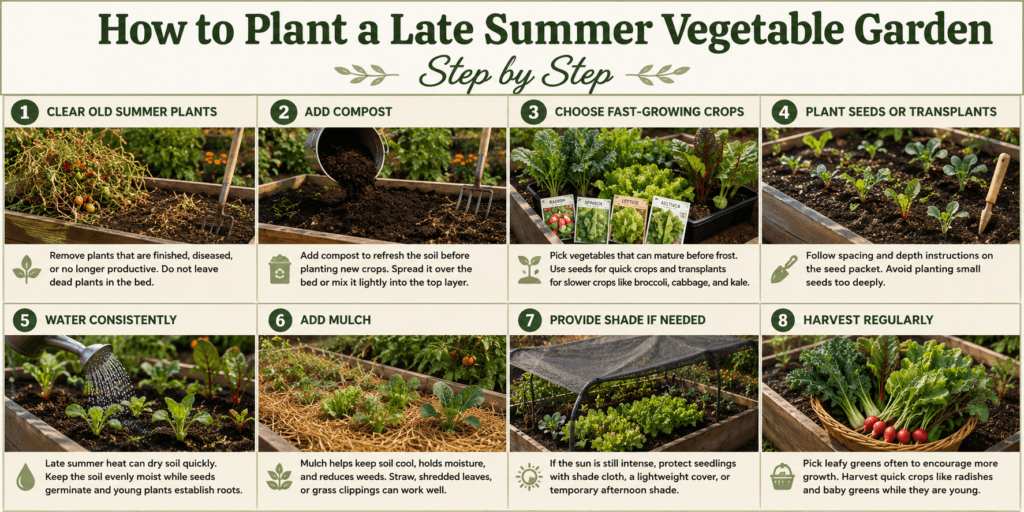
Step 1: Clear Old Summer Plants
Remove plants that are finished, diseased, or no longer productive. Do not leave dead plants in the bed because they can attract pests or disease.
Step 2: Add Compost
Add compost to refresh the soil before planting new crops. Spread it over the bed or mix it lightly into the top layer.
Step 3: Choose Fast-Growing Crops
Pick vegetables that can mature before frost. Use seeds for quick crops and transplants for slower crops like broccoli, cabbage, and kale.
Step 4: Plant Seeds or Transplants
Follow spacing and depth instructions on the seed packet. Avoid planting small seeds too deeply.
Step 5: Water Consistently
Late summer heat can dry soil quickly. Keep the soil evenly moist while seeds germinate and young plants establish roots.
Step 6: Add Mulch
Mulch helps keep soil cool, holds moisture, and reduces weeds. Straw, shredded leaves, or grass clippings can work well.
Step 7: Provide Shade if Needed
If the sun is still intense, protect seedlings with shade cloth, a lightweight cover, or temporary afternoon shade.
Step 8: Harvest Regularly
Pick leafy greens often to encourage more growth. Harvest quick crops like radishes and baby greens while they are young and tender.
How to Protect a Late Summer Garden from Heat
Late summer planting can be challenging because the weather may still be hot. Seeds and seedlings need extra care during this transition.
Water in the morning when possible. This gives plants moisture before the hottest part of the day.
Use mulch to keep soil cooler and reduce moisture loss. This is especially helpful in raised beds and containers.
Plant during cooler parts of the day. Early morning or late afternoon planting is less stressful than planting at midday.
Provide temporary shade for lettuce, spinach, cilantro, and young transplants if the sun is still strong.
How to Extend the Harvest into Fall
To stretch your harvest, plant in stages. Instead of planting all your lettuce or radishes at once, plant small amounts every one to two weeks.
Use row covers when temperatures drop. They can protect plants from light frost and cold nights.
Harvest baby greens before hard frost if needed. Young leaves are often ready faster and can be picked before plants reach full size.
Containers can sometimes be moved closer to a wall, porch, or protected area when cold weather arrives.
Cold-tolerant crops like kale, spinach, and hardy greens may keep producing longer than tender summer vegetables.
What Not to Plant Too Late in Summer
Some warm-season crops need too much time and heat to succeed when planted late.
In most climates, it may be too late to start:
- Tomatoes
- Peppers
- Eggplants
- Pumpkins
- Melons
- Large winter squash
- Long-season corn
Unless you live in a warm climate with a long growing season, these crops are usually better planted earlier.
For late summer, focus on vegetables that grow quickly or prefer cooler weather.
Common Late Summer Vegetable Garden Mistakes
The biggest mistake is planting too late without checking your first frost date. Even easy crops need enough time to mature.
Another common mistake is choosing vegetables that need too long to grow. Late summer is better for greens, roots, herbs, and cool-season crops than long-season summer vegetables.
Do not forget to refresh the soil. Old summer beds often need compost before they can support another crop.
Watering is also important. Seeds and seedlings can fail quickly if the soil dries out during hot weather.
Avoid planting seeds too deeply, leaving diseased plants in the bed, skipping mulch, overcrowding plants, or forgetting to protect young seedlings from heat.
FAQ About Late Summer Vegetable Gardens
What vegetables can I plant in late summer?
Good vegetables to plant in late summer include lettuce, spinach, kale, arugula, radishes, carrots, beets, turnips, Swiss chard, green onions, cilantro, peas, broccoli, cabbage, and bok choy.
Is late summer too late to start a vegetable garden?
No, late summer is not too late if you choose the right crops. Fast-growing vegetables and cool-season crops can still produce a useful fall harvest.
What is the fastest vegetable to grow in late summer?
Radishes, arugula, baby lettuce, and some leafy greens are among the fastest late summer crops.
Can I plant lettuce in late summer?
Yes, lettuce can grow well in late summer, especially as temperatures begin to cool. Provide moisture and temporary shade if the weather is still hot.
Can I plant carrots in late summer?
Yes, carrots can be planted in late summer if you have enough time before frost. Choose faster varieties and keep the soil moist during germination.
Should I plant seeds or transplants in late summer?
Use seeds for fast crops like lettuce, radishes, arugula, spinach, and cilantro. Use transplants for slower crops like broccoli, cabbage, and kale.
How do I protect seedlings from late summer heat?
Water consistently, use mulch, plant during cooler parts of the day, and provide temporary shade during hot afternoons.
Can I grow a late summer vegetable garden in containers?
Yes, containers are great for late summer gardening. Lettuce, spinach, radishes, green onions, cilantro, arugula, and baby kale are good container choices.
Conclusion
A late summer vegetable garden is one of the best ways to keep your growing season going after summer crops begin to slow down. Instead of leaving empty beds bare, you can refresh the soil, plant fast-growing vegetables, and enjoy fresh harvests into fall.
Start by checking your first frost date. Then choose crops that fit the time you have left. Lettuce, spinach, kale, arugula, radishes, beets, green onions, cilantro, bok choy, and other cool-season vegetables are all strong options for many gardeners.
Keep the process simple. Clear old plants, add compost, water consistently, mulch the soil, and protect young seedlings from heat. Even one raised bed or a few containers can give you a useful late summer harvest.
The garden does not have to end when summer begins to fade. With the right crops and a little planning, late summer can become the start of a fresh, productive fall growing season.
Want more beginner-friendly gardening tips, seasonal planting guides, and simple homesteading ideas? Subscribe to the Dreamsteading newsletter and get practical guides sent straight to your inbox.