Raised Bed Gardening Guide For Beginners: How To Build, Fill, And Grow
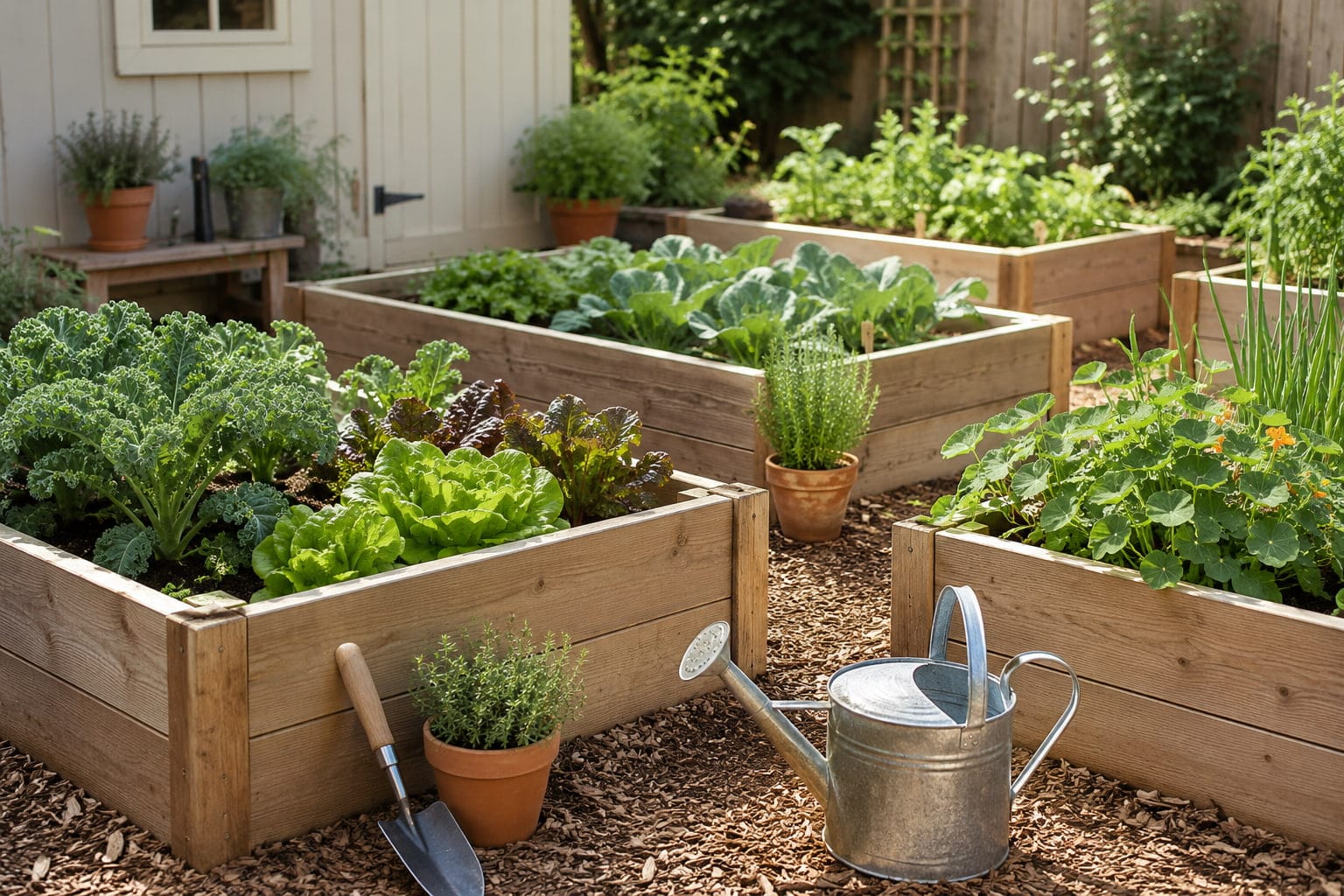
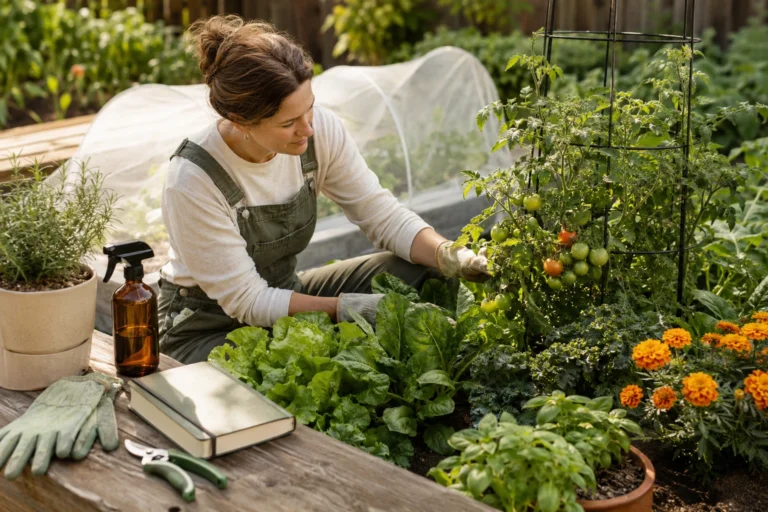
A raised bed gardening guide is one of the best places to start if you want to grow vegetables, herbs, or flowers but feel overwhelmed by traditional gardening.
Raised beds make gardening feel more organized, easier to manage, and more beginner-friendly. Instead of digging into poor native soil, you create a dedicated growing space above ground and fill it with better soil, compost, and organic matter.
That is why I like raised beds so much for beginners.
They give you control.
You can choose the size, the soil, the location, the layout, and the crops you want to grow. You do not need a huge backyard or years of experience to begin. Even one small raised bed can teach you a lot about growing food at home.
If you are starting from zero, this guide will walk you through the basics: what raised bed gardening is, why it works, how big your bed should be, what materials to use, how to fill it, what to grow, and what mistakes to avoid.
For a full building tutorial, you may also want to read How to Build Raised Garden Beds.
Affiliate Disclosure
This post may contain affiliate links. If you buy through these links, Dreamsteading may earn a small commission at no extra cost to you. I only recommend practical gardening tools and supplies that fit a simple, beginner-friendly homesteading lifestyle.
What Is Raised Bed Gardening?
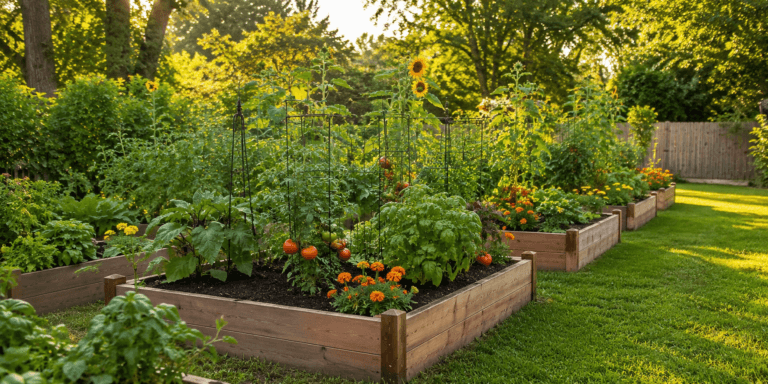
Raised bed gardening is a method of growing plants in a bed that sits above the surrounding ground.
The bed can be made from wood, metal, stone, bricks, blocks, or a ready-made raised bed kit. It is usually filled with a mix of soil, compost, and organic matter so plants have a better growing environment than they might have in the native ground.
A raised bed can be small and simple, like a 4×4 bed for herbs and lettuce.
It can also be longer, like a 4×8 bed for vegetables, tomatoes, peppers, beans, and flowers.
The main idea is simple: instead of trying to fix an entire yard, you create one focused growing space and make that space productive.
That is what makes raised beds so useful for beginners.
Why Raised Beds Are Great for Beginners
Raised beds are popular because they solve many common beginner gardening problems.
If your yard has poor soil, heavy clay, rocks, weeds, or drainage problems, a raised bed can give you a better starting point. You can fill the bed with a quality soil mix instead of fighting the ground you already have.
Raised beds also make the garden feel cleaner and easier to understand.
You know exactly where to plant, where to walk, where to water, and where to add compost. This structure makes gardening less overwhelming.
Raised beds are great for beginners because they can help with:
- Better soil control
- Easier weeding
- Improved drainage
- Cleaner garden layout
- Less soil compaction
- Easier watering
- Better access for planting and harvesting
- A more organized backyard garden
They also work well for small spaces.
If you are building a practical backyard garden, raised beds pair beautifully with Simple Garden Pathway Ideas on a Budget because clear paths make the whole garden easier to use.
Best Size for a Raised Garden Bed
The best raised bed size is the one you can comfortably reach, fill, water, and maintain.
For beginners, I usually recommend starting with a simple size instead of building something too large.
A common beginner size is:
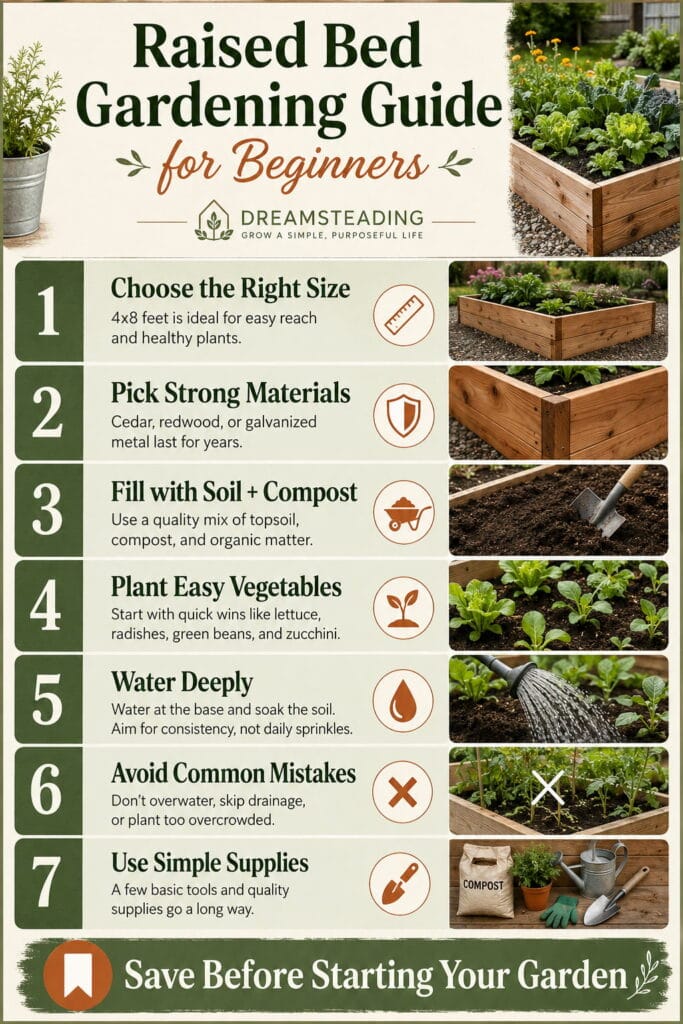
4 feet wide by 8 feet long
This size gives you a good amount of growing space without becoming too difficult to manage.
The most important measurement is width.
Try not to make a raised bed wider than 4 feet if you can only access it from both sides. This lets you reach into the middle without stepping on the soil.
If the bed is against a wall or fence and you can only reach it from one side, keep it around 2 feet wide.
Good beginner raised bed sizes include:
- 2×4 feet for small spaces or herbs
- 3×6 feet for compact vegetable gardens
- 4×4 feet for square layouts
- 4×8 feet for a productive beginner garden
- 2×8 feet for narrow side yards or fence lines
Height matters too.
A 10 to 12 inch deep bed works for many vegetables and herbs, but deeper beds can be easier to work with and better for root growth. If you want less bending, a taller raised bed or elevated planter can be more comfortable.
A garden kneeler can also make planting, weeding, and harvesting much easier on your knees and back.
Best Materials to Use for Raised Beds
Raised beds can be made from many different materials.
The best choice depends on your budget, garden style, climate, and how long you want the bed to last.
Wood Raised Beds
Wood is one of the most popular raised bed materials because it looks natural and fits beautifully in a backyard garden.
Cedar and redwood are often chosen because they resist decay better than many softwoods. Pine is usually cheaper, but it may not last as long.
Wood beds are easy to build, easy to customize, and perfect for a warm homesteading garden style.
If you are choosing lumber, Best Wood for Garden Projects can help you compare options before you build.
Metal Raised Beds
Metal raised beds are popular because they are durable, clean-looking, and often sold as easy-to-assemble raised bed kits.
Galvanized metal beds can work well in many gardens and are especially useful if you want a long-lasting setup without cutting wood.
They can also look neat and modern.
Stone, Brick, or Block Raised Beds
Stone, brick, or block beds can be very durable and attractive.
They are heavier and may take more work to install, but they can create a strong permanent garden structure.
These materials work especially well if you want a more classic or cottage-style garden.
Ready-Made Raised Bed Kits
A raised bed kit is a good option if you do not want to measure, cut, or build from scratch.
Kits are available in wood, metal, plastic composite, and fabric styles.
They can be more expensive than a DIY bed, but they save time and make setup easier for beginners.
If this is your first garden and you want to start quickly, a simple raised bed kit can be a smart choice.
How to Fill a Raised Bed
Filling the raised bed is one of the most important steps.
Good soil is what makes the bed productive. If you fill a raised bed with poor soil, the plants will struggle even if the bed itself looks beautiful.
A good raised bed mix should be:
- Loose
- Well-draining
- Rich in organic matter
- Moisture-holding without staying soggy
- Deep enough for roots
- Full of nutrients
For most beginner raised beds, I like a mix of quality raised bed soil mix, compost, and organic matter.
A simple beginner mix can look like this:
- Topsoil for structure
- Compost for nutrients and soil life
- Organic matter for moisture and texture
- A small amount of aeration material if drainage is poor
Before filling the bed, I like to clear the ground underneath and remove large weeds. If the bed is placed over grass, plain cardboard can help smother weeds before the soil mix goes in.
After the bed is filled, water it well and let the soil settle. You may need to top it off with more mix before planting.
A garden soil test kit can help you understand whether the bed needs any adjustments before you grow vegetables. This is especially useful if you are mixing bulk soil and compost yourself.
Do not fill a raised bed with only cheap topsoil.
Topsoil alone can compact and may not have enough nutrients. Do not fill it with only compost either, because compost can settle heavily and may not provide the balanced structure plants need.
A good raised bed is built from a balanced soil mix.
What to Grow in Raised Beds
Raised beds are excellent for vegetables, herbs, flowers, and small fruit plants.
For beginners, I recommend starting with easy crops that grow quickly and do not need complicated care.
Good raised bed vegetables for beginners include:
- Lettuce
- Spinach
- Radishes
- Carrots
- Bush beans
- Cucumbers
- Zucchini
- Peppers
- Tomatoes
- Kale
- Swiss chard
- Herbs
If you are not sure what to plant first, 10 Easy Vegetables to Grow for Beginners is a helpful place to start.
Herbs are another great choice.
Basil, parsley, thyme, oregano, chives, and cilantro can all grow well in raised beds when they have the right light and moisture.
Flowers are useful too.
Marigolds, calendula, nasturtiums, zinnias, and alyssum can add color and attract pollinators around vegetable beds.
If you start plants indoors before moving them outside, Seed Starting Indoors for Beginners can help you grow stronger seedlings before transplanting.
How to Water a Raised Bed Garden
Raised beds can dry out faster than in-ground gardens, especially in hot weather.
That does not mean you should water constantly. It means you should check the soil regularly and water deeply when needed.
A good watering routine is simple:
- Check the soil with your finger.
- Water when the top few inches feel dry.
- Water deeply, not lightly.
- Water at the base of the plants.
- Avoid wetting leaves when possible.
- Mulch the soil to slow evaporation.
A drip irrigation kit or soaker hose can make raised bed watering much easier. These systems deliver water near the roots and help keep moisture more consistent.
If you are watering by hand, use a watering wand or gentle hose setting so you do not wash soil away from young seedlings.
Mulch is also helpful.
A layer of straw mulch, shredded leaves, or wood chips around plants helps protect the soil, reduce weeds, and keep moisture more even.
Common Raised Bed Mistakes
Raised bed gardening is beginner-friendly, but a few mistakes can make the garden harder than it needs to be.
Making the Bed Too Wide
A raised bed should be easy to reach across.
If it is too wide, you may step into the bed to plant, weed, or harvest. This compacts the soil and defeats one of the main benefits of raised bed gardening.
Keep the width around 4 feet if you can access both sides.
Using Poor Soil
The bed is only as good as what you fill it with.
Poor soil leads to weak plants, drainage problems, and disappointing harvests.
Use compost, good soil, and organic matter from the beginning.
Skipping a Soil Test
You can grow without testing your soil, but a garden soil test kit can help you avoid guessing.
It is especially useful if your plants look weak, leaves turn yellow, or you are unsure whether the bed has enough nutrients.
Forgetting Drainage
Raised beds usually drain better than in-ground soil, but drainage still matters.
If the bed is placed in a low spot where water collects, roots may struggle.
Choose a level area that does not stay soggy after rain.
Planting Too Much
It is tempting to fill every inch of a new raised bed.
But overcrowded plants compete for light, water, nutrients, and airflow.
Give plants the spacing they need, especially tomatoes, peppers, cucumbers, zucchini, and cabbage-family crops.
Forgetting Pathways
A raised bed garden needs space around the beds.
Make sure you can walk, carry tools, harvest vegetables, and move a wheelbarrow if needed.
Clear pathways make your garden easier to maintain.
Not Mulching
Bare soil dries faster and invites weeds.
Mulch helps protect the soil surface and keeps the garden looking tidy.
Ignoring Plant Labels
When seedlings are small, many plants look similar.
Use plant labels so you know what you planted and where.
This is especially helpful if you are testing different varieties.
Waiting Too Long to Add Support
Some crops need support early.
Tomatoes, cucumbers, peas, pole beans, and some flowers grow better when they have support before they become tangled.
Plan for cages, stakes, or trellises at planting time.
Giving Up Too Soon
Every garden has a learning curve.
You may have pests, weather problems, weak seedlings, or crops that do not grow the way you expected.
That does not mean you failed.
Raised bed gardening gets easier every season because you learn your soil, your climate, your plants, and your routine.
Raised Bed Gardening Supplies
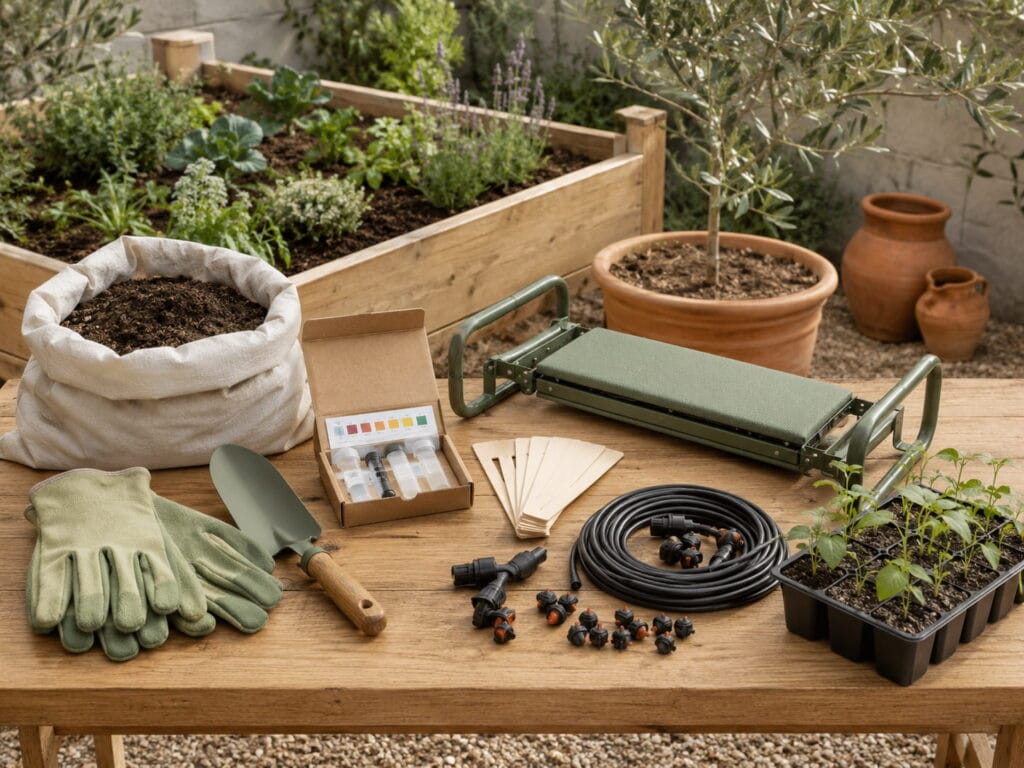
You do not need every tool in the garden center to start raised bed gardening.
A few practical supplies are enough.
Here are the basics I recommend for beginners:
- Raised bed kit or building materials
- Garden soil test kit
- Compost
- Garden gloves
- Hand trowel
- Drip irrigation kit
- Plant labels
- Garden kneeler
- Raised bed soil mix
- Garden rake
- Watering wand
- Soaker hose
- Mulch
- Seed starting trays
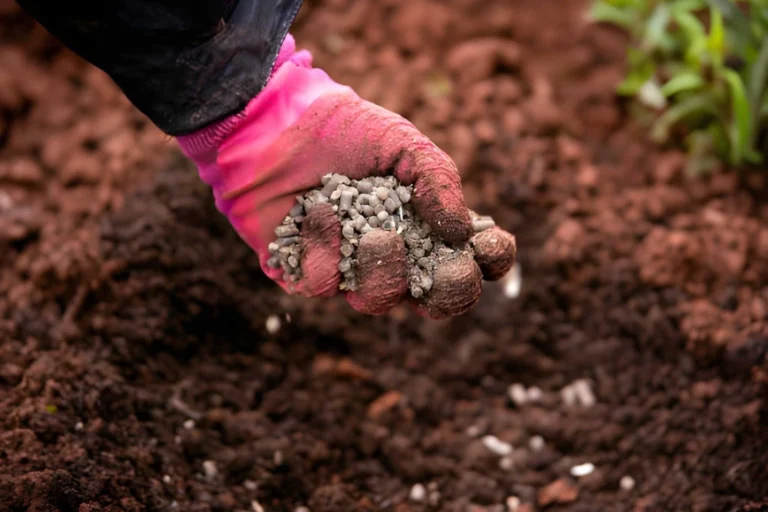
- Organic vegetable fertilizer
Start simple.
You can always add more tools later as your garden grows.
For the first season, focus on a good bed, good soil, reliable watering, and easy crops.
Raised Bed Gardening FAQ
What is raised bed gardening?
Raised bed gardening is growing plants in a garden bed that sits above the surrounding ground.
The bed is usually filled with a soil mix that is loose, fertile, and easier to manage than native soil.
Are raised beds good for beginners?
Yes, raised beds are great for beginners because they give you more control over soil, layout, weeds, and planting space.
They also make the garden feel more organized and easier to maintain.
What is the best size for a raised garden bed?
A 4×8 foot raised bed is a good beginner size if you have the space.
If the bed is against a wall or fence, keep it around 2 feet wide so you can reach the plants easily from one side.
How deep should a raised bed be?
A depth of 10 to 12 inches works for many vegetables and herbs.
Deeper beds can be helpful for root crops, larger plants, and easier access.
What should I fill a raised bed with?
Fill a raised bed with a balanced mix of topsoil, compost, and organic matter.
You can also use a quality raised bed soil mix if you want a simpler option.
Can I put a raised bed on grass?
Yes, you can place a raised bed over grass.
Clear tall weeds first, then use plain cardboard under the bed to help smother grass before filling it with soil.
What vegetables grow best in raised beds?
Good beginner vegetables include lettuce, radishes, carrots, bush beans, tomatoes, peppers, herbs, kale, and spinach.
For an easy starter list, read 10 Easy Vegetables to Grow for Beginners.
Do raised beds need drainage holes?
If the raised bed has an open bottom and sits directly on soil, water usually drains through the bottom.
For enclosed elevated planters, drainage holes are important.
Do raised beds dry out faster?
Yes, raised beds can dry out faster than in-ground gardens, especially in hot weather.
A drip irrigation kit, soaker hose, and mulch can help keep moisture more consistent.
Is it cheaper to build or buy a raised bed?
Building a raised bed can be cheaper if you already have tools and can buy lumber affordably.
A raised bed kit may cost more, but it is faster and easier for beginners who do not want to build from scratch.
Final Thoughts
Raised bed gardening is one of the simplest ways to start growing food at home.
You do not need perfect soil, a large backyard, or years of gardening experience. You only need a good location, a manageable bed size, quality soil, simple tools, and a few beginner-friendly plants.
Start with one raised bed if that feels easier.
Fill it well. Plant simple crops. Water consistently. Learn as you go.
A raised bed garden can become the first step toward a more productive, self-sufficient backyard. Once you understand the basics, it becomes easier to add more beds, grow more food, and build a garden that feels useful, beautiful, and truly your own.