The Best Wood for Garden Projects: Choosing the Right Lumber
The best wood for garden projects depends on where the structure will stand, how often it will become wet, whether it will touch soil, and how long you expect it to remain in service. Cedar and redwood offer natural decay resistance, while pine is affordable but generally needs more protection and maintenance. Properly selected pressure-treated lumber can suit demanding outdoor applications, and Douglas fir provides a useful middle ground for many above-ground builds. This guide compares the major options so you can choose lumber for raised beds, trellises, planters, compost bins, benches, and other outdoor structures without paying for durability your project does not need.
In Short
Cedar is the most broadly useful untreated wood for garden projects because it is workable, attractive, and naturally resistant to decay. Redwood and cypress are excellent where they are locally available. Douglas fir offers good strength at a moderate price but benefits from thoughtful design and a protective finish. Untreated pine is suitable for inexpensive or temporary above-ground projects. For severe moisture or ground exposure, properly labeled pressure-treated lumber may provide the most practical service life.
Key Takeaways
- Match the lumber to its exposure: dry above-ground boards face less decay pressure than wood touching damp soil.
- Natural durability belongs mainly to the heartwood; pale sapwood from the same species may be much less resistant.
- Cedar is a strong general choice, but local availability can make redwood, cypress, Douglas fir, or treated lumber more practical.
- Good drainage, compatible fasteners, protected end grain, and routine inspection can matter as much as species.
- Never use railroad ties, creosote-treated wood, or unidentified reclaimed lumber around edible gardens.
What Makes Wood Suitable for a Garden Project?
Outdoor lumber must withstand repeated wetting and drying, sunlight, temperature changes, fungi, insects, and mechanical stress. A garden structure may also experience irrigation overspray, poor airflow, soil contact, or leaves collecting against its lower boards.
These exposures are not equally severe. A trellis with its lower edge above the soil may dry quickly after rain. A raised-bed wall holds damp soil against one face for much of the growing season. A fence post buried in the ground faces an even more persistent decay hazard.
The USDA Forest Products Laboratory explains that natural decay resistance varies substantially among wood species and within a log. Durable extractives are concentrated in heartwood, the darker mature wood near the center of the tree. Sapwood—the younger, usually paler outer wood—is generally less decay resistant. This means a cedar board containing a high proportion of sapwood may not perform like a board made mostly from cedar heartwood.
When comparing boards, consider six factors:
- Moisture exposure: Will the board remain dry, receive occasional rain, or stay beside wet soil?
- Structural demand: Must it carry people, resist wind, span a gap, or merely contain lightweight plants?
- Natural durability: Does its heartwood resist decay without preservative treatment?
- Dimensional stability: How readily might the board cup, twist, split, or shrink?
- Workability: Can a beginner cut, drill, fasten, and finish it with ordinary tools?
- Availability and cost: Is the species sold locally in the dimensions and grade the project requires?
Quick Comparison of Outdoor Lumber Options
| Wood option | Best for | Main advantage | Important limitation |
|---|---|---|---|
| Cedar | Raised beds, planters, trellises, screens, and light furniture | Natural durability and easy workability | Higher cost and variable heartwood content |
| Redwood | Visible planters, seating, pergolas, and premium projects | Durability, appearance, and dimensional stability | Expensive or unavailable in many regions |
| Cypress | Planters, boxes, benches, and decorative structures | Useful natural durability, especially in heartwood | Availability and grade vary by region |
| Douglas fir | Frames, worktables, benches, and protected raised beds | Good strength at a moderate price | Less naturally durable than cedar or redwood |
| Untreated pine | Temporary beds, seasonal supports, prototypes, and sheltered projects | Affordable, accessible, and easy to work | Limited durability under frequent moisture exposure |
| Pressure-treated lumber | Ground contact, damp locations, posts, and long-service utility structures | Preservative protection for demanding exposure | Requires correct labeling, handling, fasteners, and disposal |
| White oak | Furniture, handles, and durable specialty details | Strength, wear resistance, and attractive grain | Heavy, hard to work, and generally expensive |
Cedar: The Best All-Around Untreated Option
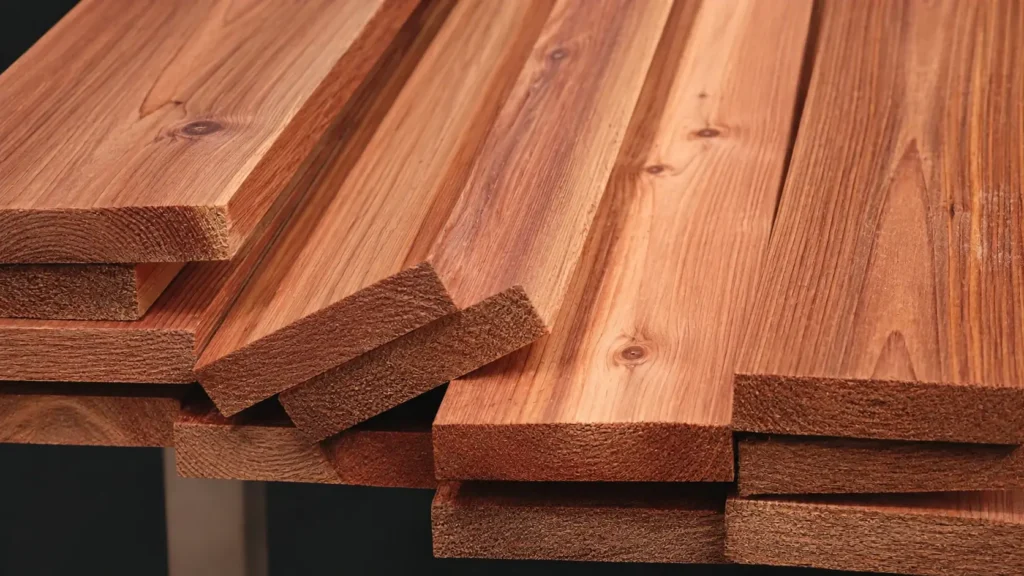
Cedar is often the simplest answer for a beginner who wants untreated lumber with useful outdoor durability. Western red cedar is lightweight, easy to cut, and relatively stable. Other woods sold under a cedar name have different characteristics, so check the exact species rather than relying only on the word “cedar.”
Cedar works particularly well for raised beds, planter boxes, trellises, privacy screens, potting stations, and lightly loaded garden furniture. It also accepts exterior finishes well when the surface is properly prepared.
Its main limitation is price. Cedar may cost considerably more than construction-grade pine or fir, especially in wide or thick dimensions. Boards with clear, straight grain and substantial heartwood can command an additional premium.
Cedar is also comparatively soft. A bench seat, worktop, or heavily used edge can dent and wear. Use adequately thick stock, predrill near board ends, and avoid overtightening fasteners. Cedar extractives can react with unsuitable metal, so choose stainless steel screws or high-quality fasteners specifically approved for cedar and exterior exposure.
Redwood and Cypress: Durable Regional Alternatives
Redwood
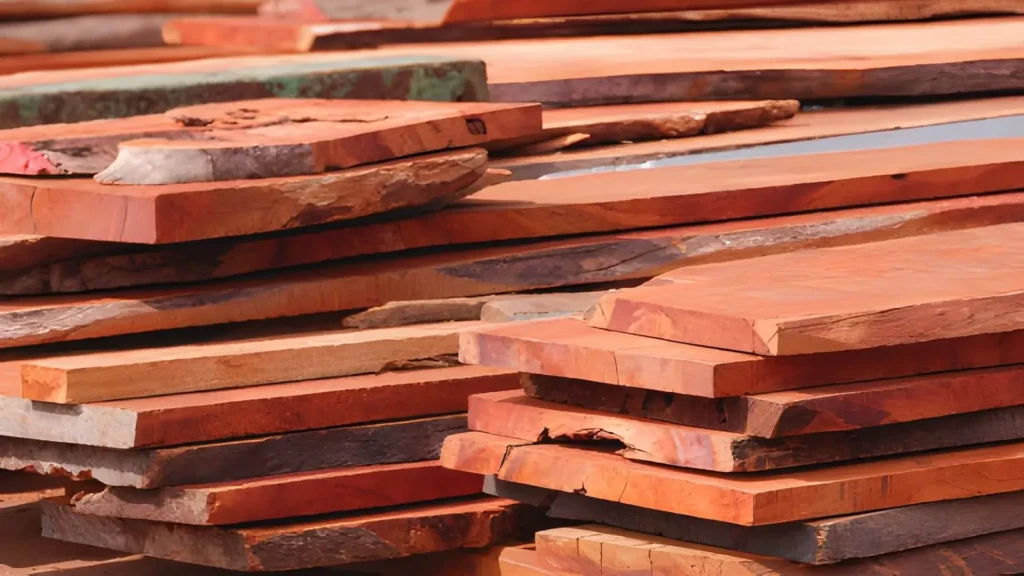
Redwood heartwood combines natural decay resistance with an attractive finish and useful dimensional stability. It is well suited to visible raised beds, decorative planters, outdoor seating, arbors, and pergolas. Clearer grades can create refined furniture, while lower grades may include knots or greater amounts of sapwood.
Cost and regional availability are the deciding factors. Redwood is often most practical in the western United States. Shipping it across long distances can make it less economical than locally available cedar, cypress, or treated lumber.
Cypress
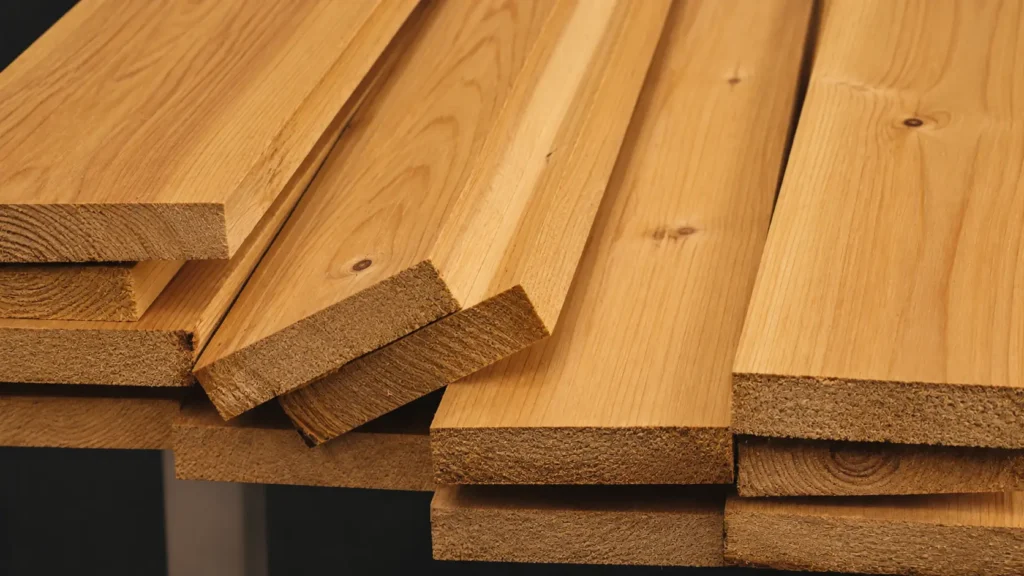
Cypress can be an excellent outdoor material in regions where it is readily sold. Its heartwood contains compounds that improve resistance to decay, and its warm appearance works well for boxes, benches, screens, and decorative garden structures.
As with cedar and redwood, the word “cypress” does not guarantee that every board contains durable heartwood. Inspect the grade, color, straightness, knots, and sapwood content. Compare local pricing rather than assuming cypress will always cost less than cedar.
Benefits
- Naturally durable species avoid the need for factory-applied preservative treatment.
- Cedar, redwood, and cypress are generally workable with common beginner tools.
- Their natural grain can be left visible beneath a suitable penetrating finish.
- They suit projects where appearance and touch are important.
Considerations
- Premium boards can make a large structure expensive.
- Natural durability varies with species, grade, heartwood, and sapwood content.
- Soft species can dent or crush under concentrated loads.
- Even durable wood eventually deteriorates when water cannot drain or surfaces cannot dry.
Douglas Fir and Pine: Practical Budget Choices
Douglas Fir
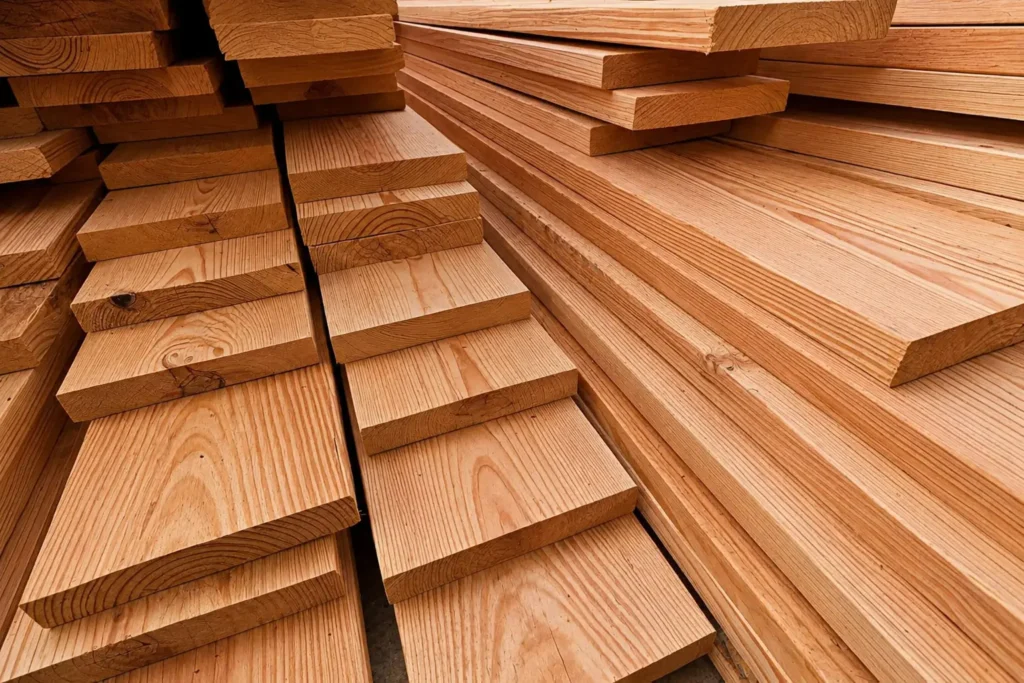
Douglas fir is strong, widely available in many regions, and often less expensive than cedar. It can be a sensible choice for garden worktables, bench frames, compost bins, planter boxes, and above-ground structural parts.
Untreated Douglas fir does not offer the same natural decay resistance as durable cedar or redwood heartwood. Its performance therefore depends more heavily on construction details. Keep end grain away from standing water, provide airflow beneath horizontal boards, seal cut ends, and renew the finish before it fails.
For a raised bed, fir can be reasonable when budget matters and eventual replacement is acceptable. Thicker boards generally offer more material to weather before losing useful strength. A cap board can protect exposed upper edges, but it must be sloped or detailed so it does not trap water.
Untreated Pine
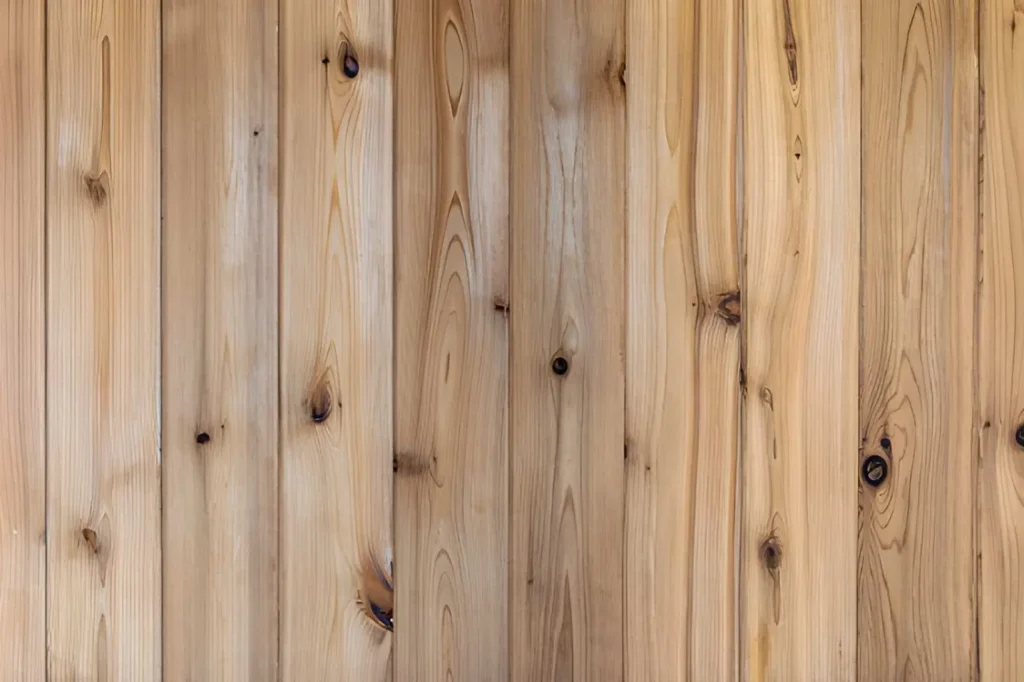
Pine is affordable, easy to cut, and available in many dimensions. It works well for seasonal trellises, temporary beds, sheltered potting shelves, prototypes, and projects where a limited service life is acceptable.
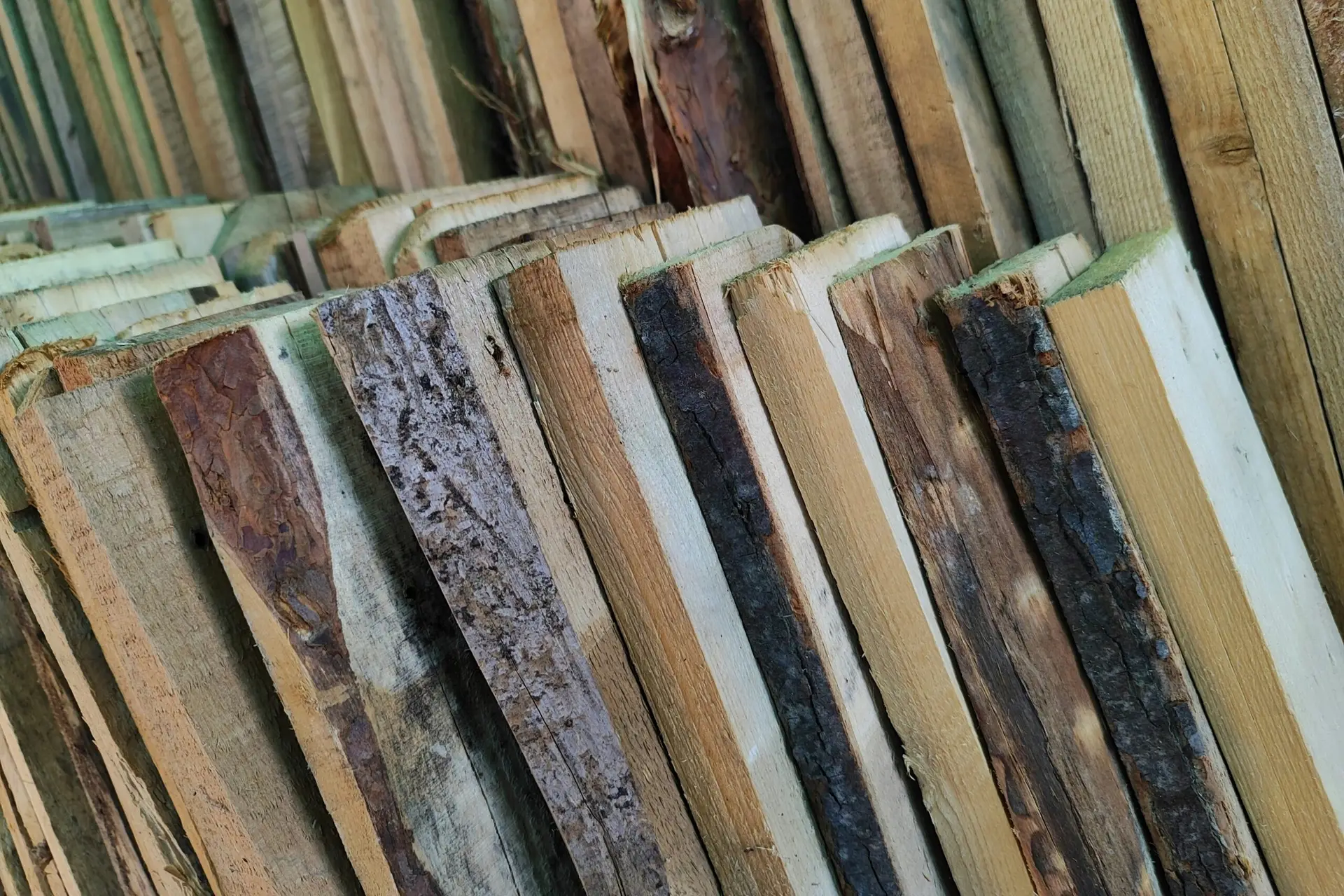
Construction-grade pine can contain knots, pith, wane, checks, and uneven grain. Sort through the stack and reject severely twisted or damaged boards. Choose straight pieces with sound knots, especially for rails, legs, and other parts that must carry weight.
Paint or a penetrating exterior wood stain can slow moisture movement and reduce surface weathering, but a coating does not transform untreated pine into ground-contact lumber. Finish every accessible face and end before assembly when possible, then inspect joints and lower edges regularly.
Understanding Pressure-Treated Lumber
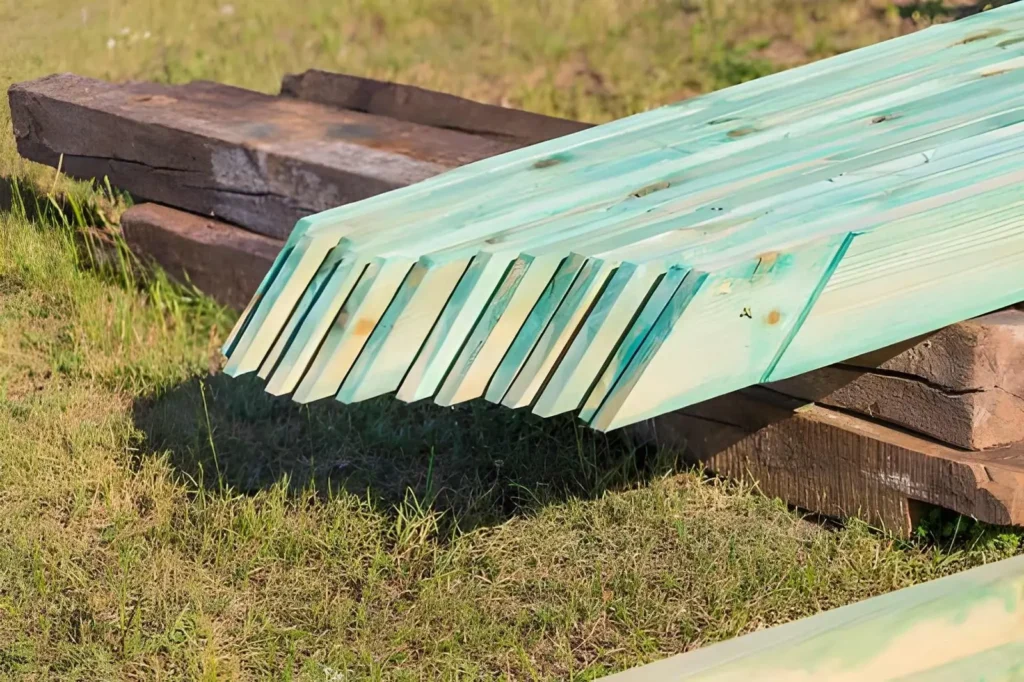
Pressure-treated lumber is wood infused with a registered preservative to resist fungi or wood-destroying insects. The correct product is selected by its intended exposure, not by color. Modern treated lumber can use several preservative systems, and the end tag should identify the treatment, intended use, retention information, and inspection or standards details.
The American Wood Protection Association separates treated wood into use categories. Above-ground exterior applications and ground-contact applications are not equivalent. AWPA guidance identifies UC4A or higher for general ground-contact use. A board labeled only for above-ground exposure should not be substituted for a buried post or another ground-contact component.
Preservatives containing copper can increase corrosion pressure on metal connectors. Follow the lumber producer’s instructions and select exterior-rated structural screws and connectors compatible with the particular treatment. Do not combine dissimilar metals where doing so can accelerate corrosion.
Cutting treated wood exposes untreated interior fibers. Where the product label or applicable standard requires it, coat field cuts and drilled areas with a compatible end-cut wood preservative. Follow the preservative label for application, protective equipment, drying, storage, and disposal.
Handle treated lumber correctly
Wear eye protection and a suitable dust-control mask when cutting lumber, work outside or with effective dust collection, and wash exposed skin after handling. Do not burn treated wood or use its sawdust as mulch or compost. Keep scraps out of food-preparation areas and dispose of them according to local requirements. Always follow the product label because treatment systems and permitted uses differ.
Is Pressure-Treated Wood Appropriate for Raised Beds?
This question requires more care than a simple yes-or-no answer. Older residential lumber may have been treated with systems no longer commonly used for new residential consumer applications. The EPA states that chromated arsenicals, including chromated copper arsenate, remain registered for certain permitted industrial and commercial wood products. Unidentified old treated wood should therefore not be reused casually in an edible garden.
Current residential treated lumber may use copper-based or other EPA-registered preservatives. Oregon State University Extension’s current raised-bed guidance describes pressure-treated wood as an economical option and reports research examining copper movement from treated raised-bed boards into soil and crops. Product labels and regional recommendations still matter because formulations and approved applications differ.
If you prefer to avoid preservative-treated material beside edible soil, choose cedar, redwood, cypress, untreated thick fir, masonry, metal, or another suitable bed system. Avoid railroad ties, creosote-treated timbers, utility poles, stained demolition lumber, and reclaimed boards of unknown origin.
For complete bed dimensions, assembly guidance, and soil-volume planning, follow the beginner raised-bed construction guide. After the structure is complete, the raised-bed gardening guide explains filling, planting, watering, and ongoing care.
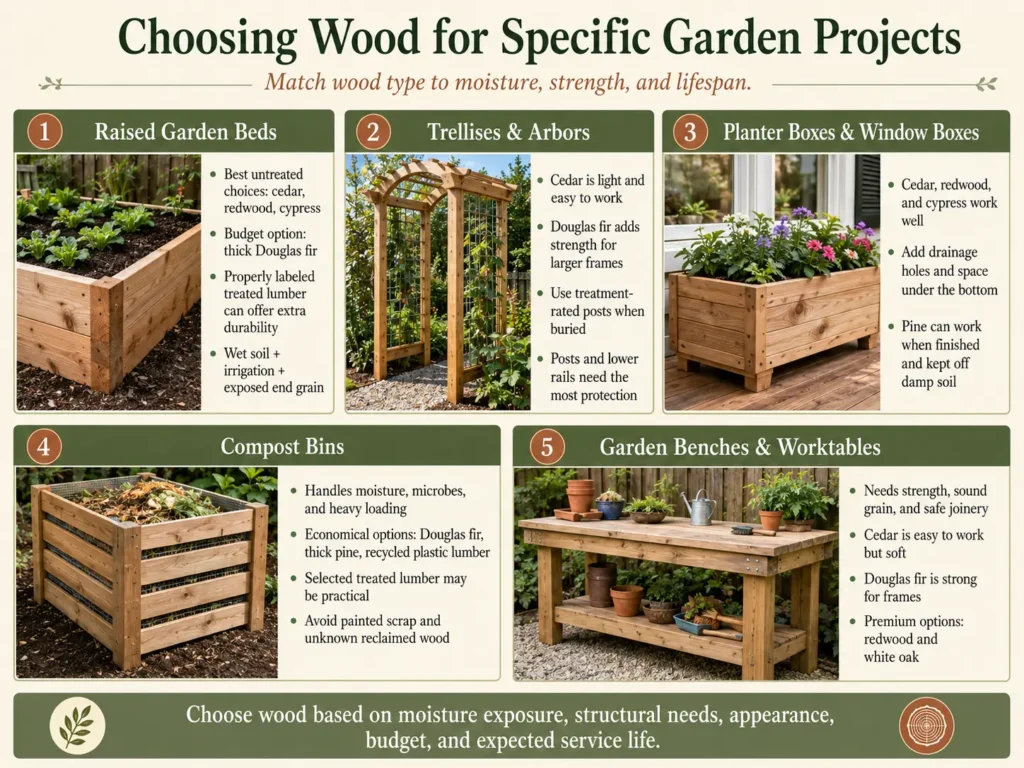
Choosing Wood for Specific Garden Projects
Raised Garden Beds
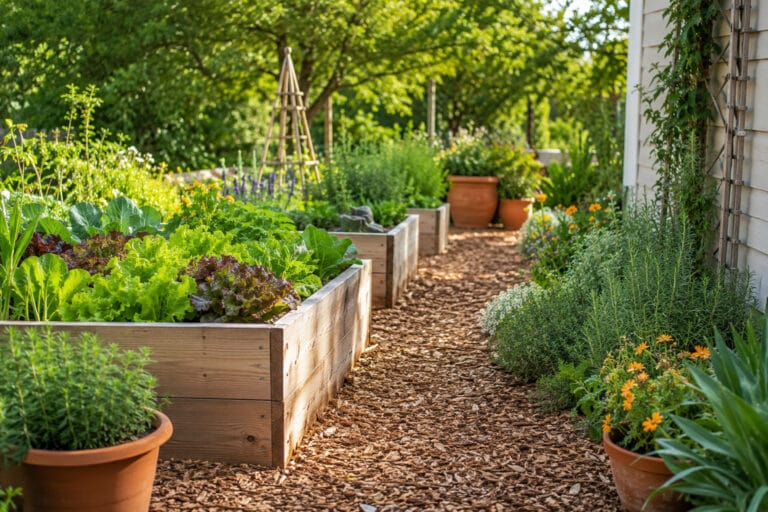
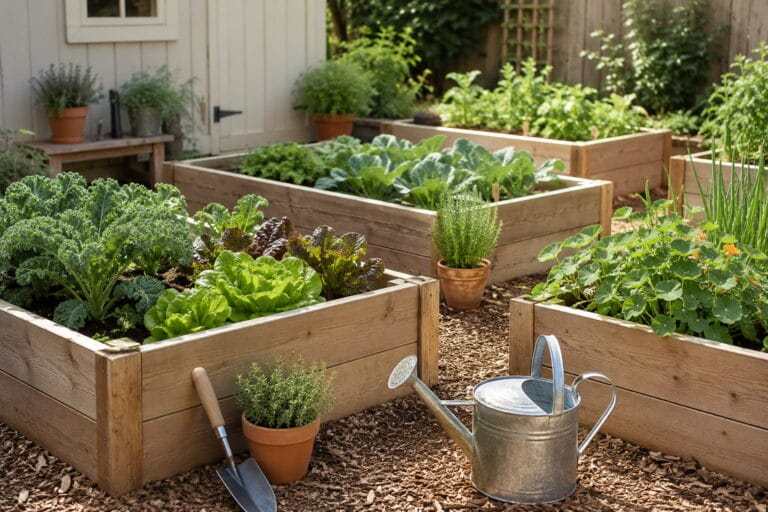
Raised beds experience wet soil, irrigation, and exposed end grain. Cedar, redwood, and cypress are useful untreated choices. Thick Douglas fir can provide a lower-cost option when a shorter service life is acceptable. Properly labeled treated lumber may suit gardeners who prioritize durability and are comfortable following its use and handling requirements.
Trellises and Arbors
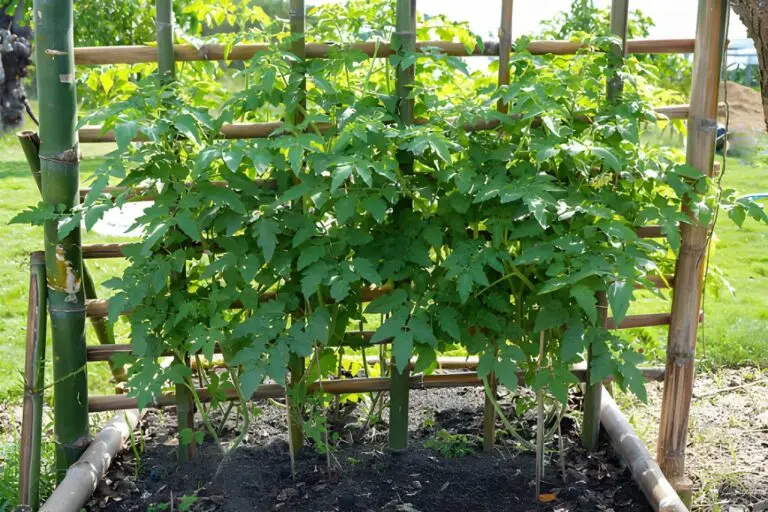
Trellises usually face less moisture than raised-bed walls, but posts, feet, and lower rails remain vulnerable. Cedar is light and easy to work, while Douglas fir offers useful strength for larger frames. Select treatment-rated posts when they will be buried. The simple garden trellis tutorial demonstrates how lumber dimensions, post depth, mesh, and exterior fasteners work together in a complete structure.
Planter Boxes and Window Boxes
Planters need drainage holes, protected feet, and space beneath the bottom so water can escape. Cedar, redwood, and cypress suit visible boxes. Pine can work for a low-cost planter when all surfaces are finished and the box is kept off permanently damp soil.
Compost Bins
A compost bin faces moisture, microbes, and repeated loading. Cedar is durable but can make a large bin expensive. Douglas fir, untreated thick pine, recycled plastic lumber, or correctly selected treated lumber may be more economical. Avoid painted scrap, composite panels not rated for exposure, and unknown reclaimed wood.
Garden Benches and Worktables
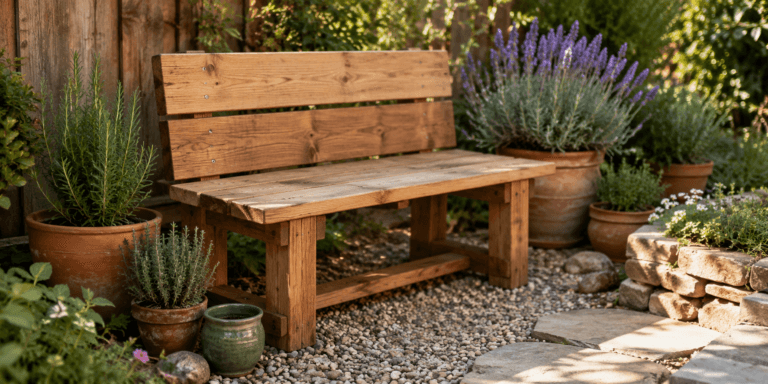
Furniture requires more than decay resistance. Seat slats and frames must have adequate dimensions, sound grain, safe joinery, and smooth edges. Cedar is comfortable to work but soft; Douglas fir is stronger for frames; redwood and white oak can create premium furniture. Use the ideas in these DIY garden bench designs to match the material to the style and complexity of the project.
Construction Details That Extend Wood’s Service Life
Species selection cannot compensate for a design that traps water. Apply the following principles regardless of the lumber you choose:
- Keep untreated wood out of direct soil contact whenever possible.
- Provide drainage beneath planters, posts, feet, and horizontal rails.
- Orient boards so water sheds instead of collecting on flat surfaces.
- Seal exposed end grain and field cuts with a product appropriate for the lumber.
- Predrill near ends to reduce splitting, especially in dry or brittle boards.
- Use corrosion-resistant fasteners compatible with the wood and its treatment.
- Leave appropriate movement gaps rather than fastening wide boards rigidly together.
- Avoid placing mulch, leaves, or soil against bench legs, siding, and lower rails.
- Keep irrigation emitters from spraying wooden components continuously.
- Inspect fasteners, joints, feet, and soil-level boards at least once each growing season.
A basic digital moisture meter can help assess whether lumber has dried sufficiently before painting or staining, but follow the finish manufacturer’s moisture and preparation requirements. Applying a coating to wet wood can trap moisture or cause premature peeling.
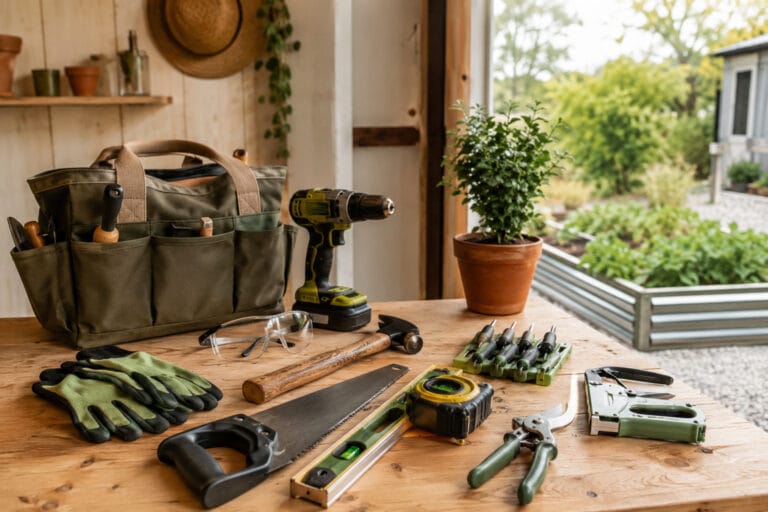
If you are equipping a small workshop, the guide to essential DIY and building tools explains practical measuring, cutting, drilling, fastening, and protective equipment for beginner projects.
Common Lumber-Selection Mistakes
Choosing by Species Name Alone
Species matters, but grade, heartwood content, board thickness, straightness, and exposure also affect performance. Inspect each board rather than assuming every cedar or redwood board is equally durable.
Using Above-Ground Lumber in Ground Contact
Treated lumber categories correspond to different hazards. Read the tag and buy material rated for the actual application. Do not bury an above-ground-only board simply because it looks similar to ground-contact stock.
Ignoring Fastener Compatibility
Cedar extractives and some copper-based treatments can contribute to fastener corrosion. Indoor screws, drywall screws, and unapproved connectors are poor choices for outdoor structural joints.
Assuming Finish Prevents All Decay
A finish slows moisture entry and changes weathering, but scratches, joints, end grain, and hidden surfaces remain vulnerable. Drainage and airflow are still essential.
Reusing Unknown Lumber
Old timbers may contain unsuitable preservatives, paint, oil, or other contaminants. Use reclaimed wood only when its origin and treatment history are known and compatible with the intended application.
How to Make the Final Choice
Start by classifying the project’s exposure. Then decide whether appearance, service life, low initial cost, or minimal chemical treatment is the highest priority.
- Identify the wettest component. Posts and raised-bed walls may need a different material from upper rails or decorative trim.
- Check structural requirements. Furniture, pergolas, and long spans may require graded structural lumber and engineered connections.
- Compare local options. Regional cedar, redwood, cypress, fir, or treated stock may offer better value than a species shipped from far away.
- Read labels and grade stamps. Confirm species, grade, treatment, intended exposure, and applicable instructions.
- Calculate the complete cost. Include compatible fasteners, finish, cut treatment, waste, and expected maintenance—not just board prices.
- Design for replacement. Make soil-level boards, feet, and other vulnerable components accessible when practical.
For most untreated beginner garden projects, cedar is the easiest general recommendation. Choose redwood or cypress when they are locally available at a sensible price. Use Douglas fir for strong, economical above-ground frames with careful protection. Reserve untreated pine for lower-cost or temporary work, and use correctly labeled pressure-treated lumber where severe exposure justifies it.
Frequently Asked Questions
What is the best untreated wood for a raised garden bed?
Cedar, redwood, and cypress are leading untreated choices because their heartwood offers useful natural decay resistance. Availability, board thickness, grade, heartwood content, and cost should determine which one is most practical in your area.
Can untreated pine be used outdoors?
Yes. Untreated pine can suit temporary beds, seasonal supports, prototypes, and protected projects. Keep it away from standing water and soil when possible, protect all surfaces, and accept that it may need replacement sooner than naturally durable or properly treated lumber.
Does cedar need to be sealed?
Cedar can remain unfinished, but it will weather and gradually turn gray. A suitable penetrating exterior finish can slow moisture movement and preserve color. It does not eliminate the need for drainage, airflow, and routine inspection.
Should ground-contact lumber be used for buried garden posts?
Wood buried in soil should be naturally suitable for that exposure or pressure treated for ground contact. For treated products, look for the required use category on the end tag; AWPA homeowner guidance identifies UC4A or higher for general ground-contact applications.
Can pallet wood be used for raised beds?
Only use pallet boards when their origin, treatment, and contamination history are known. Avoid painted, stained, oily, chemically contaminated, or unidentified pallets. Thin pallet boards also deteriorate quickly when they remain beside damp soil.
What screws should be used with cedar or treated lumber?
Use fasteners specifically approved for exterior exposure and compatible with the selected wood or preservative system. Stainless steel is commonly selected for cedar, while treated lumber manufacturers may specify hot-dip galvanized or stainless connectors. Follow the lumber and connector instructions.
Final Thoughts
The best lumber is not necessarily the most expensive species. It is the material whose durability, strength, treatment, appearance, and price match the project’s real exposure.
Cedar is a versatile untreated choice, while redwood and cypress provide excellent regional alternatives. Douglas fir balances strength and cost for many above-ground structures. Pine keeps temporary projects affordable, and properly labeled pressure-treated lumber serves demanding ground-contact and moisture-prone applications.
Once you have chosen suitable lumber, continue with the beginner trellis project to see how material selection, dimensions, drainage, fasteners, and installation come together in a practical garden structure.
Sources and Further Reading
- USDA Forest Products Laboratory — Wood Handbook — technical reference for wood properties, moisture, decay resistance, fastening, finishing, and outdoor service conditions.
- U.S. Environmental Protection Agency — Overview of Wood Preservative Chemicals — explains registered preservative systems and their general applications.
- U.S. Environmental Protection Agency — Chromated Arsenicals — identifies current restrictions and permitted uses for CCA-treated products.
- American Wood Protection Association — Information for Homeowners — explains treated-wood use categories and ground-contact selection.
- Oregon State University Extension — Pressure-Treated Wood for Raised Beds — provides current research-based discussion of treated lumber used in raised-bed construction.