13 Beautiful Garden Ideas on a Budget
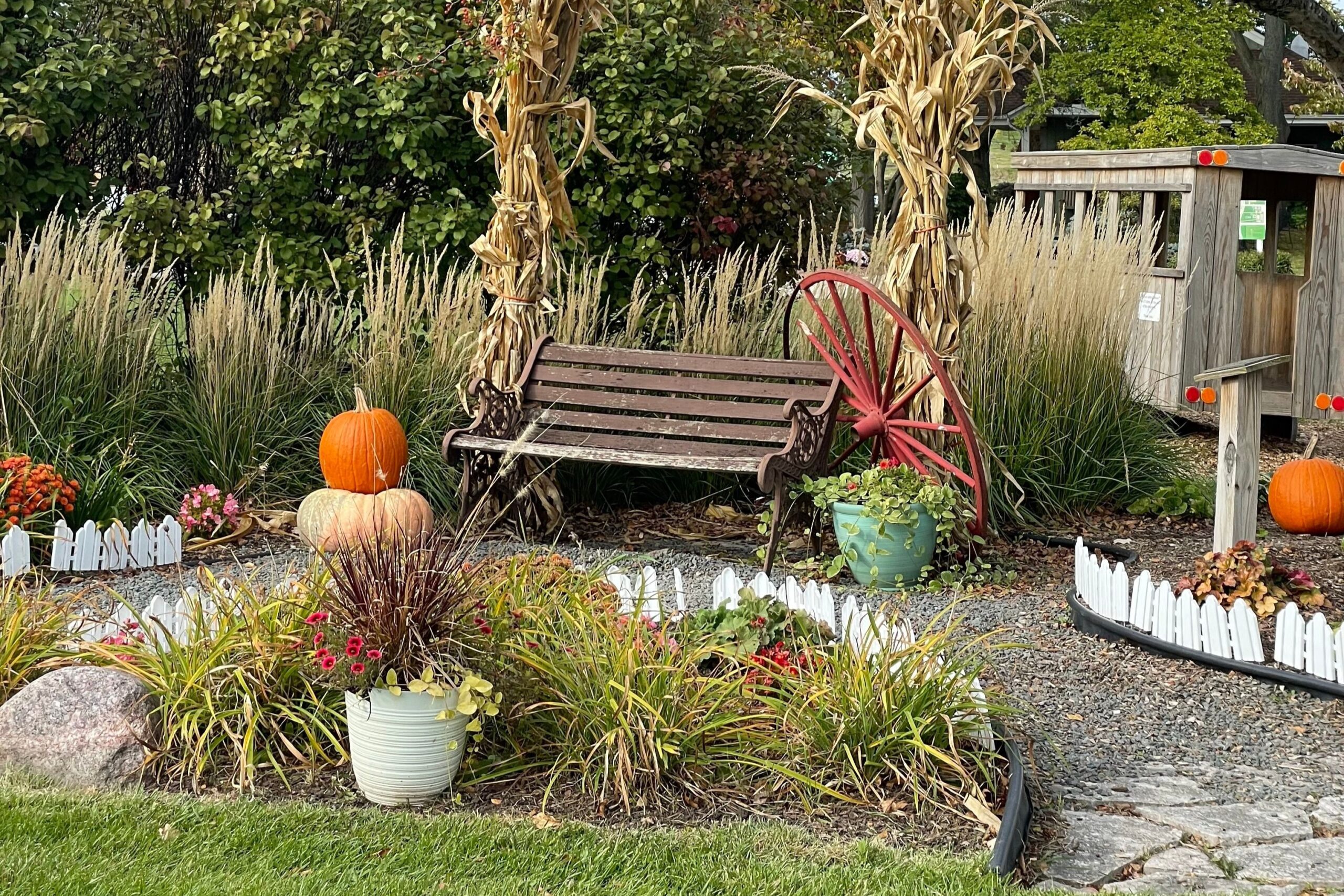
Garden ideas on a budget can make an outdoor space feel more attractive, comfortable, and intentional without requiring a complete landscape renovation. The most effective improvements usually come from working with what you already have: dividing established plants, defining bed edges, adding mulch, refreshing containers, creating a simple path, or improving one neglected corner.
The goal is not to make every change at once. Begin with a clear plan, choose one visible area, and invest first in improvements that provide structure. Plants and decorative details can then be added gradually as your time and budget allow.
These 13 ideas work for backyards, front gardens, patios, rental-friendly spaces, and small garden corners. Costs will vary by location, material availability, garden size, and how many items you can reuse.
In Short
The most effective budget garden improvements are defining bed edges, dividing existing perennials, growing flowers from seed, adding mulch, creating an inexpensive path, grouping containers, refreshing old seating, and building one attractive focal point. Start with a small visible area and reuse existing materials before purchasing new decorations.
Key Takeaways
- Create a simple plan before buying plants, containers, or decorative accessories.
- Reusing materials and dividing healthy plants can reduce costs without making the garden look unfinished.
- Paths, edging, mulch, and repeated colors usually create more visual impact than scattered decorations.
- Choose plants suited to your light, soil, climate, and mature available space.
- Complete one small garden zone before beginning another area.
How to Make a Garden Beautiful Without Overspending
A beautiful budget garden needs structure more than it needs expensive materials. Clear edges, intentional plant groupings, repeated colors, and an obvious path can make ordinary plants and reused objects look cohesive.
Before shopping, photograph the garden from the angles you see most often. Identify the first area that draws attention for the wrong reason. It might be a bare wall, an undefined flower bed, a collection of mismatched pots, or a muddy route between the patio and shed.
Choose one practical goal for that area. You might want to:
- Create a more welcoming entrance.
- Hide an unattractive fence without blocking necessary access.
- Add color around a patio or seating area.
- Define a safe route through the garden.
- Reduce exposed soil and weeds.
- Create a focal point visible from the house.
Measure the area before buying anything. Check how much direct sun it receives, observe where water collects after rain, and consider access to a hose or watering can. These simple checks help prevent expensive mistakes such as buying sun-loving flowers for deep shade or placing moisture-sensitive plants in poorly drained soil.
Budget Garden Ideas at a Glance
| Garden idea | Best for | Main saving strategy | Important consideration |
|---|---|---|---|
| Divide existing plants | Established gardens | Produces additional plants | Divide only suitable, healthy species |
| Grow flowers from seed | Larger planting areas | More plants per purchase | Requires time and seasonal planning |
| Group containers | Patios and rentals | Reuses movable pots | Containers need regular watering |
| Add vertical planting | Small spaces | Uses walls and vertical space | Supports must be secure |
| Apply mulch | Garden beds | Improves appearance and moisture management | Keep mulch away from stems and trunks |
| Create a simple path | Muddy or worn routes | Uses gravel, chips, or reused pavers | Prepare the base and control drainage |
| Add solar lighting | Paths and focal points | Avoids hardwired installation | Performance depends on sunlight |
| Refresh old seating | Patios and garden corners | Reuses existing furniture | Repair structural damage before painting |
13 Beautiful Garden Ideas on a Budget
1. Improve One Small Garden Zone First
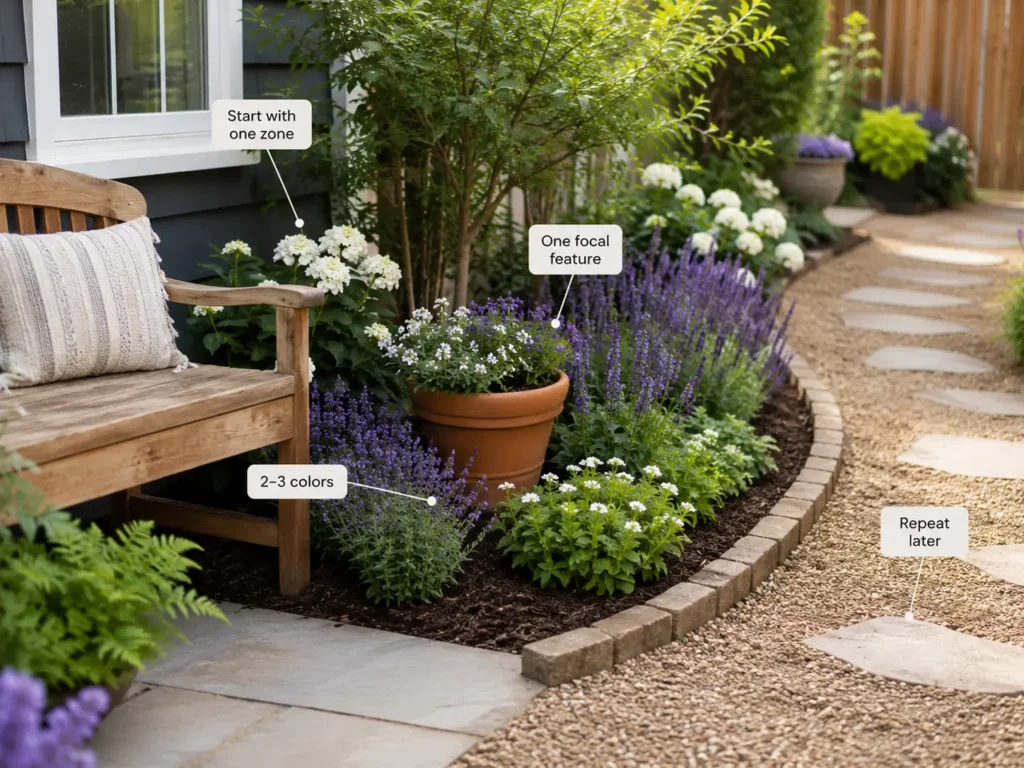
Trying to renovate an entire yard at once often leads to scattered purchases and several unfinished areas. Select one manageable zone, such as the front entrance, the area around a bench, or the garden bed visible from a kitchen window.
Give that zone a clear purpose and a limited palette. Two or three plant colors, one edging material, and one focal feature are usually enough. Repeat the same colors or materials elsewhere later to connect the different areas visually.
This approach also gives you time to observe what works. You can see which plants tolerate the location, how the materials weather, and whether the area remains easy to maintain before repeating the design.
2. Divide Healthy Established Perennials
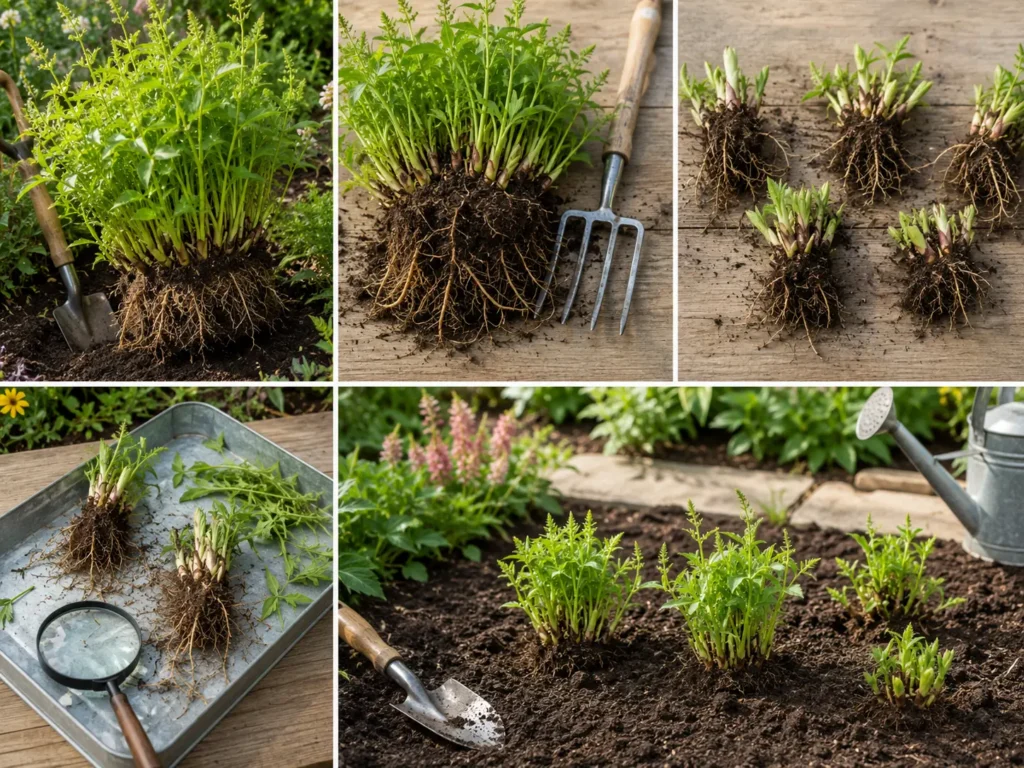
Some established perennials can be divided into smaller plants when they become crowded. Division can refresh an overcrowded clump while providing additional plants for another bed. The correct timing and method depend on the species and local climate.
Divide only healthy plants that respond well to the process. Water them appropriately before lifting, preserve a viable portion of roots and growing points in each section, and replant promptly at the appropriate depth.
If your garden is new, ask local gardening groups, neighbors, or community plant exchanges whether they offer divisions. Inspect every plant carefully and avoid accepting material with visible disease, aggressive weeds, or unidentified pests. Some plants spread aggressively or are invasive in certain regions, so identify them before planting.
3. Grow Easy Flowers From Seed
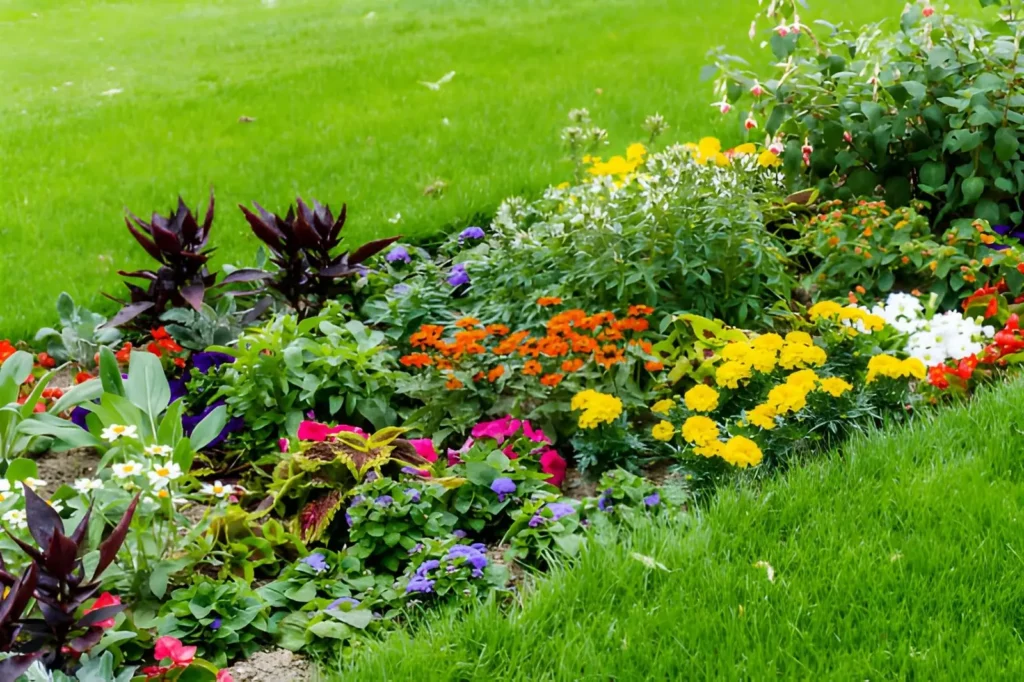
Seeds can cover a larger area for less money than buying dozens of mature plants, but they require more time and preparation. Choose flowers suited to your regional climate, sunlight, soil, and planting season instead of purchasing a decorative seed packet based only on its photograph.
Direct-sown annuals can provide relatively quick seasonal color, while native perennials may take longer to establish. The most successful low-cost approach is often a combination: a few well-placed nursery plants for immediate structure and seeds for gradually filling larger spaces.
Prepare the soil, follow the recommended planting depth, and label the area. Without a label, new gardeners can accidentally remove young flower seedlings while weeding.
4. Create an Intentional Container Display
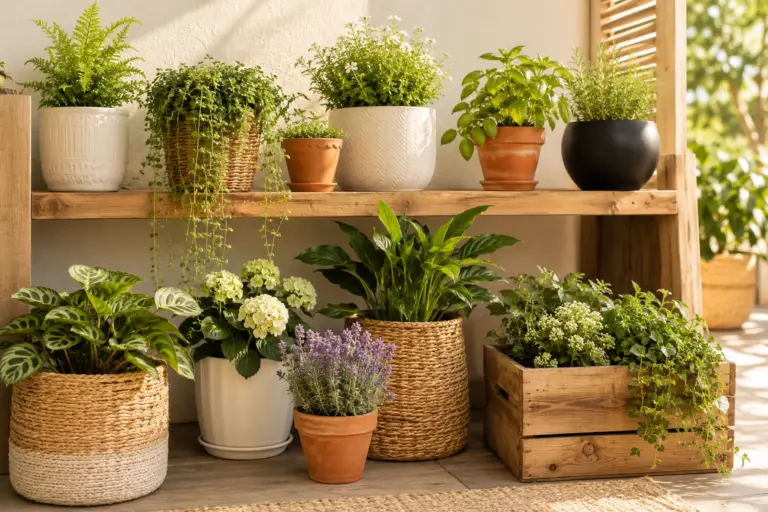
Containers are useful when you have a patio, balcony, rental property, poor ground soil, or a small area that needs immediate color. Instead of spreading individual pots throughout the garden, arrange them in groups of three or five.
Combine different heights while repeating one color, material, or plant variety. An inverted sturdy pot or weather-resistant stand can raise a container at the back of the arrangement. Make sure every planter remains stable and has adequate drainage.
A coordinated outdoor planter set with drainage holes and varied heights can create a unified display when you do not already own usable containers. Before buying, check the actual dimensions and confirm that each pot is large enough for the mature root system of its intended plant.
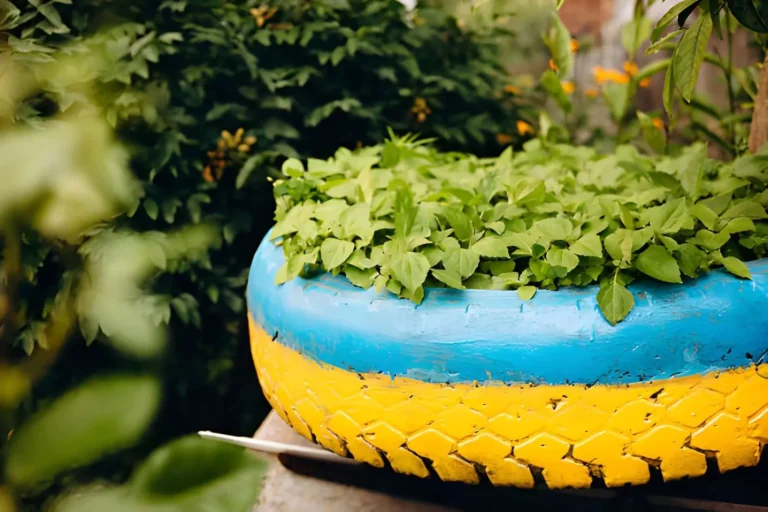
You can also refresh suitable existing pots with exterior paint intended for their material. Avoid using containers that previously held hazardous chemicals. For more arrangement and styling options, explore these aesthetic plant pot ideas.
5. Use Vertical Space
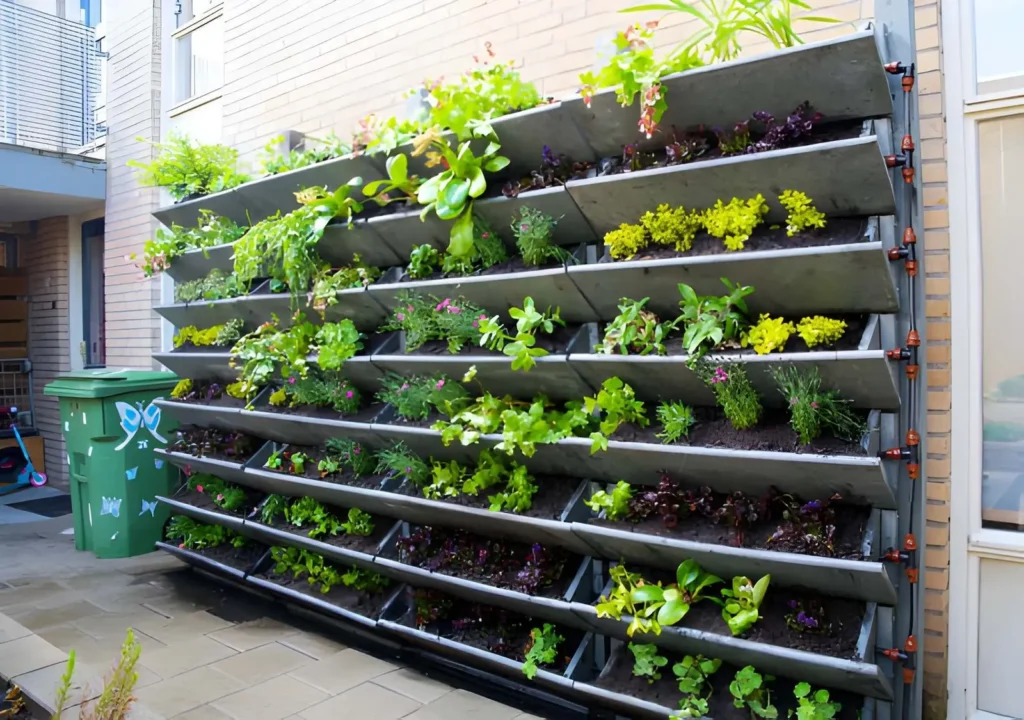
Vertical planting adds greenery without occupying much ground. It can soften a plain fence, add privacy around a patio, or provide growing space on a balcony. Options include wall-mounted pockets, stacked planters, shelves, freestanding towers, and trellises.
A modular vertical planter with a broad, stable base and removable planting sections can suit herbs, strawberries, and compact flowers. Check its filled weight, drainage system, sun exposure, and anchoring requirements before placing it on a balcony or elevated deck.
Wall-mounted systems must be attached to a structure capable of supporting their saturated weight. Do not block ventilation, utility access, drainage outlets, or property boundaries. Freestanding designs may be safer for renters because they can be moved without altering the wall.
6. Add Mulch for a Finished Appearance
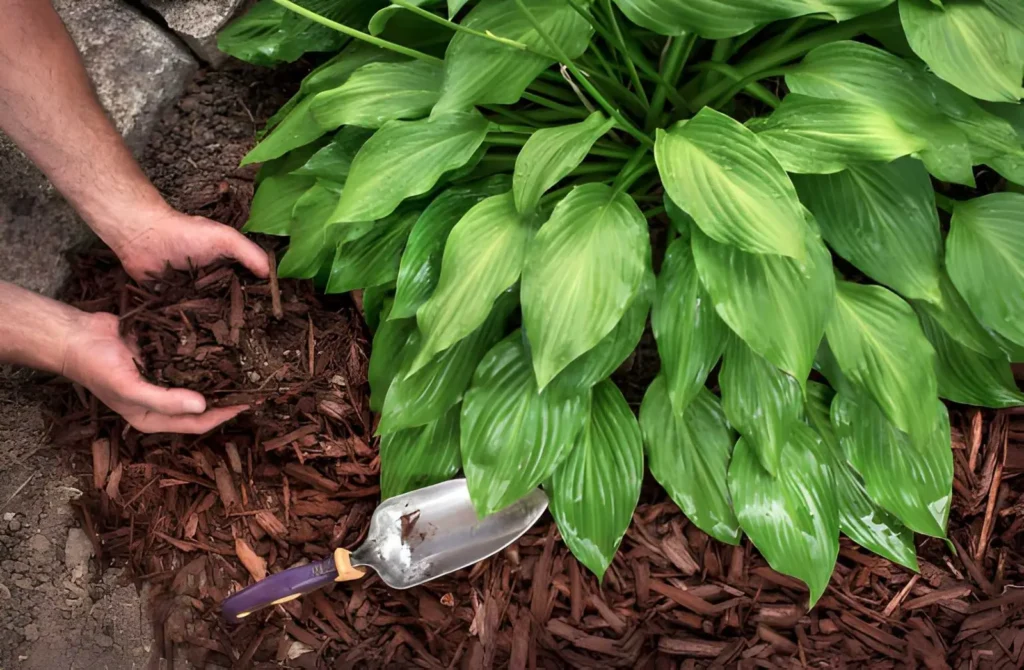
Mulch is one of the fastest ways to make a garden bed appear more intentional. It creates a consistent surface around plants, reduces exposed soil, helps limit some weed growth, moderates soil temperature, and reduces water loss through evaporation.
Affordable options may include locally available arborist wood chips, shredded leaves, clean straw for suitable vegetable areas, shredded bark, or properly finished plant-based compost. The best material depends on the plants, local pests, fire risk, appearance, and availability.
Do not mound mulch against tree trunks, shrub stems, house siding, or plant crowns. Leave suitable clearance so the material does not trap moisture against vulnerable surfaces. Avoid material contaminated by herbicides, invasive plants, disease, or unknown waste.
7. Build a Simple Gravel or Wood-Chip Path
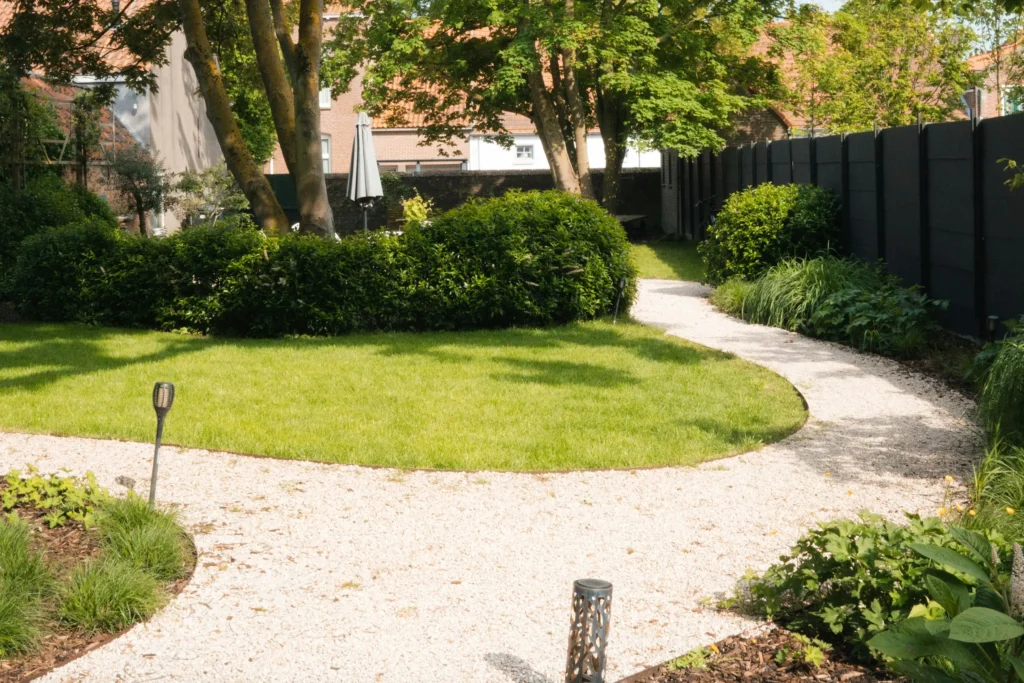
A path makes a garden look organized while protecting frequently traveled soil from becoming compacted or muddy. Gravel, wood chips, salvaged bricks, spaced pavers, and stepping stones can all create attractive paths at different price points.
Follow the route people already use instead of forcing an awkward decorative curve. Mark the proposed edges with a garden hose or rope, walk the route, and confirm that it is comfortable before installing material.
Proper preparation matters. Remove unstable organic debris, correct drainage problems, establish secure edges where necessary, and create a firm, reasonably even walking surface. Loose gravel and widely spaced stones can be difficult for wheelchairs, mobility aids, strollers, and wheeled garden equipment, so select the surface according to its users.
8. Edge Beds With Reused or Natural Materials
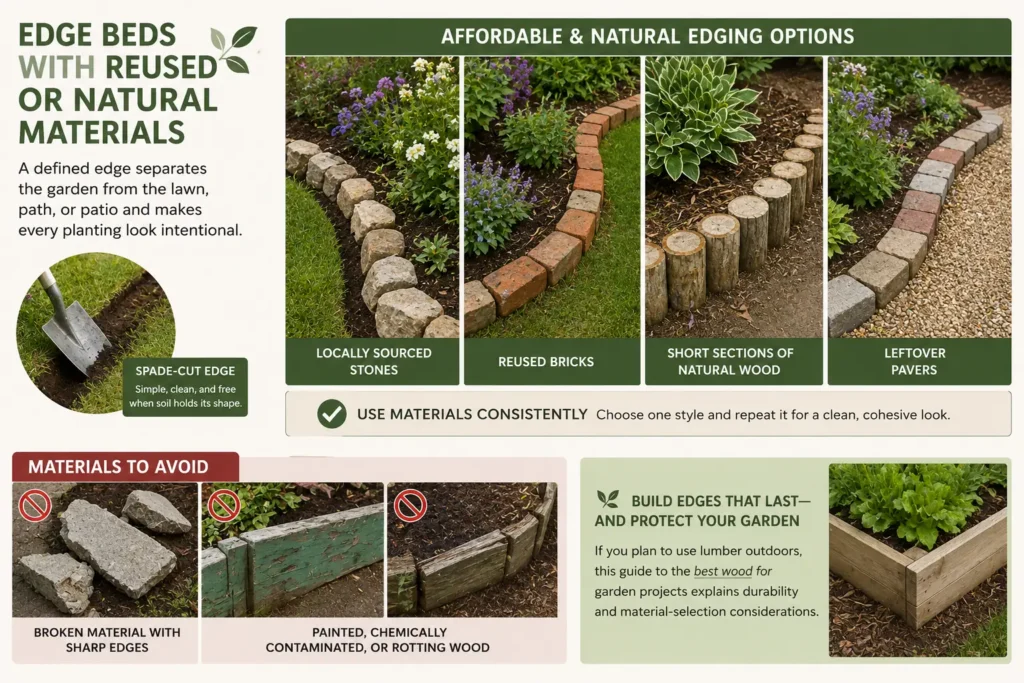
A defined edge separates the garden from the lawn, path, or patio and can make even a simple planting look deliberate. A clean spade-cut edge costs very little and may be enough when the soil holds its shape.
Other affordable options include locally sourced stones, reused bricks, short sections of suitable untreated or naturally durable wood, and leftover pavers from another project. Use materials consistently rather than combining many unrelated edging styles.
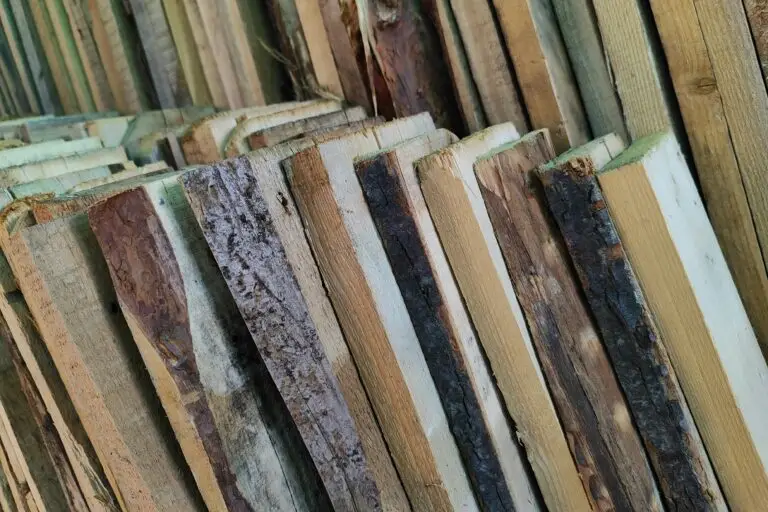
Do not use broken material with sharp exposed edges. Avoid painted, chemically contaminated, or rotting wood near edible gardens. If you plan to use lumber outdoors, this guide to the best wood for garden projects explains durability and material-selection considerations.
9. Add Warm Solar Lighting
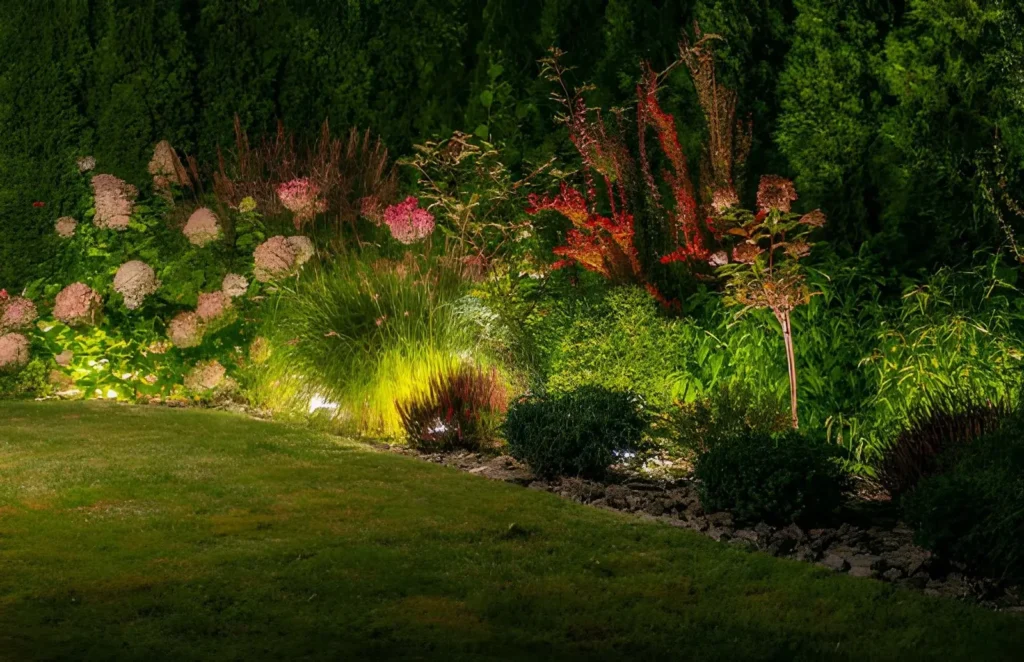
Lighting can make a small garden feel more welcoming after sunset. Use a limited number of lights to reveal a path, seating area, container display, or attractive plant rather than illuminating every available surface.
A warm-white solar pathway light set can provide low-level decorative lighting without hardwired electrical work. Solar performance depends on panel orientation, daily sunlight, season, battery condition, and shade from plants or structures.
Solar lights should not be treated as the only safety lighting for stairs, abrupt level changes, pools, or other hazards. Those areas may require properly designed fixed lighting that complies with applicable electrical and building requirements.
10. Refresh Existing Garden Seating
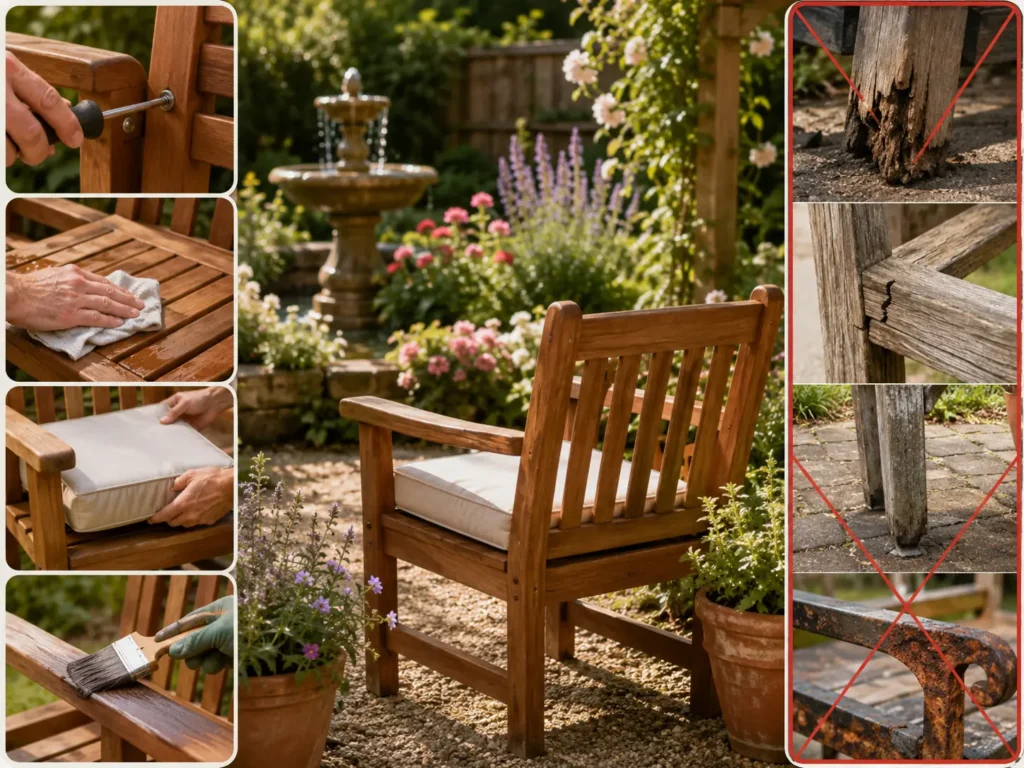
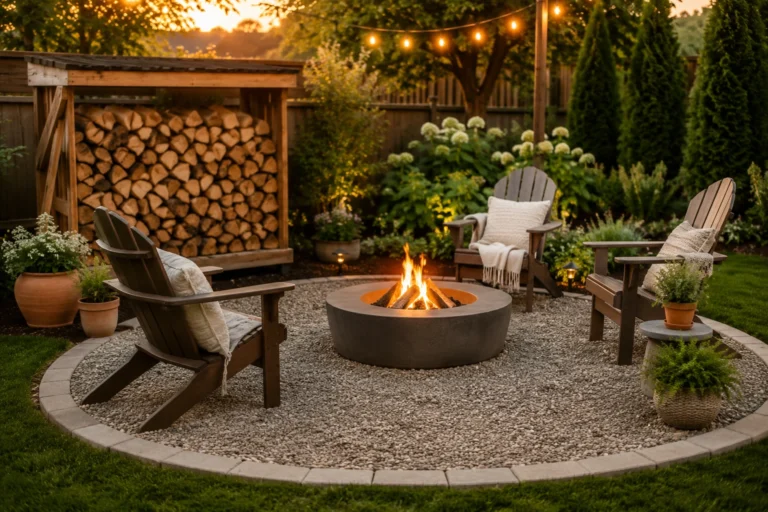
A bench or chair gives the garden a purpose beyond being viewed. Before buying new furniture, inspect what you already own. Tightening appropriate fasteners, cleaning the surface, replacing a simple removable cushion, or applying a new finish may be enough.
Repair structural problems before making cosmetic improvements. Rotting wood, cracked load-bearing components, unstable legs, and heavily corroded metal require proper repair or replacement rather than paint intended to hide the damage.
For sound furniture that only needs cosmetic improvement, an exterior furniture paint formulated for outdoor use can unify mismatched pieces. Follow the manufacturer’s preparation, temperature, ventilation, drying, and curing directions.
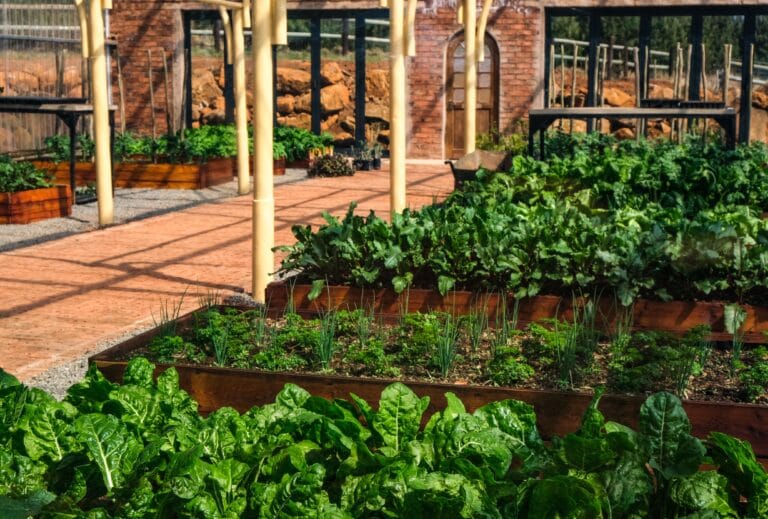
Place seating on a stable, reasonably level surface with a pleasant view. A bench facing a flower bed, fountain, or productive raised bed will feel more intentional than one placed in an isolated leftover space.
11. Create a Small Native or Pollinator Bed
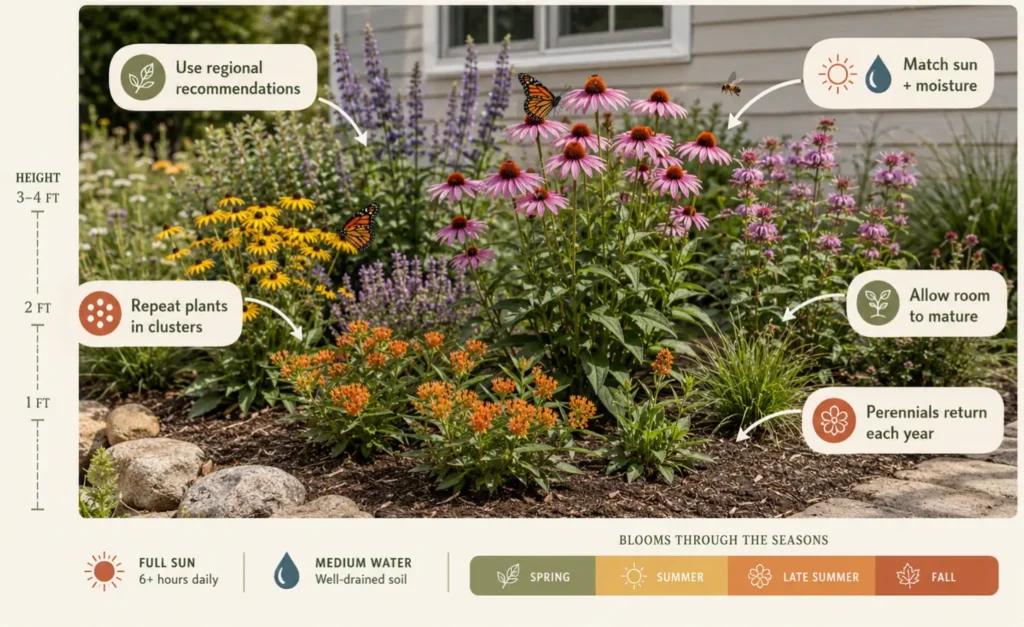
A small bed containing regionally appropriate plants can add seasonal color while supporting local insects and other wildlife. “Native” is location-specific, so use recommendations from your regional extension service, native plant society, or conservation organization.
Choose a limited group of compatible plants and repeat them in clusters. Consider mature height, bloom period, soil moisture, sunlight, and whether the species spreads aggressively. A plant may be native to one part of a country but unsuitable or invasive elsewhere.
Perennials may cost more initially than a packet of annual seeds, but established plants can return for multiple seasons when they are suited to the site and properly maintained. Allow time for them to reach their mature size instead of overfilling the bed during the first year.
12. Create a Small Container Fountain
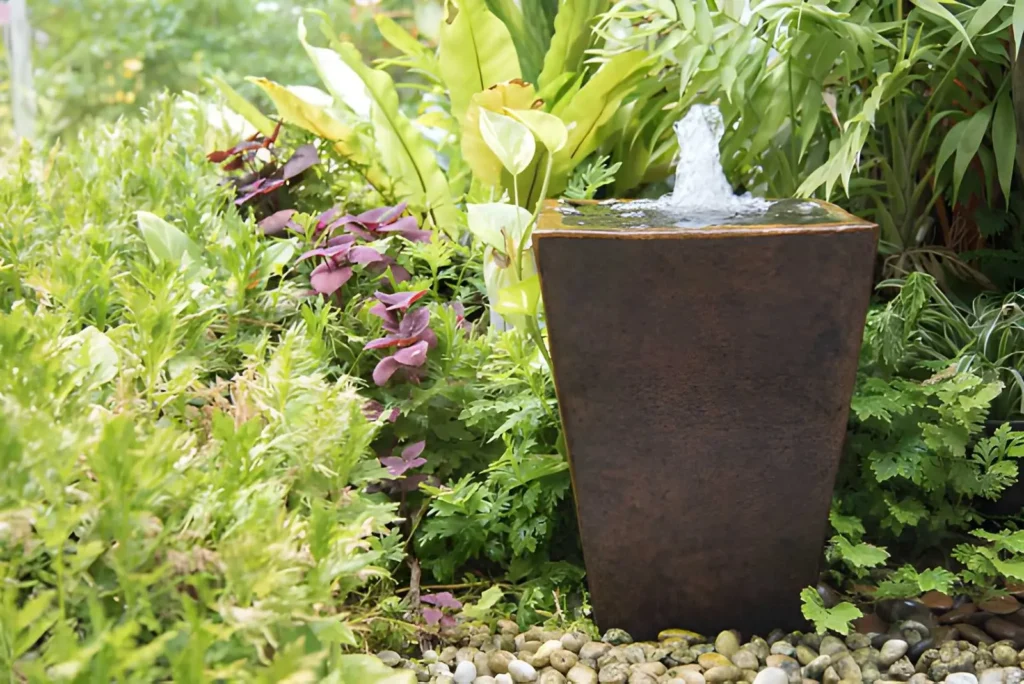
A compact water feature adds sound and movement without requiring a large pond. The simplest design uses a stable waterproof container, a correctly sized pump, clean water, and stones arranged without blocking the pump intake.
An adjustable outdoor-rated solar fountain pump may suit a sunny area without a nearby outlet. Solar pumps commonly produce weaker or intermittent flow in shade or cloudy weather, so check the operating requirements before purchasing.
Keep electrical connections and cords compliant with manufacturer instructions and applicable outdoor electrical requirements. Maintain a safe water depth, protect children and pets, and confirm that the filled container will not overload a balcony or raised structure.
The complete DIY small fountain guide covers container selection, pump setup, placement, cleaning, and common problems.
13. Use Repetition to Make the Garden Feel Cohesive
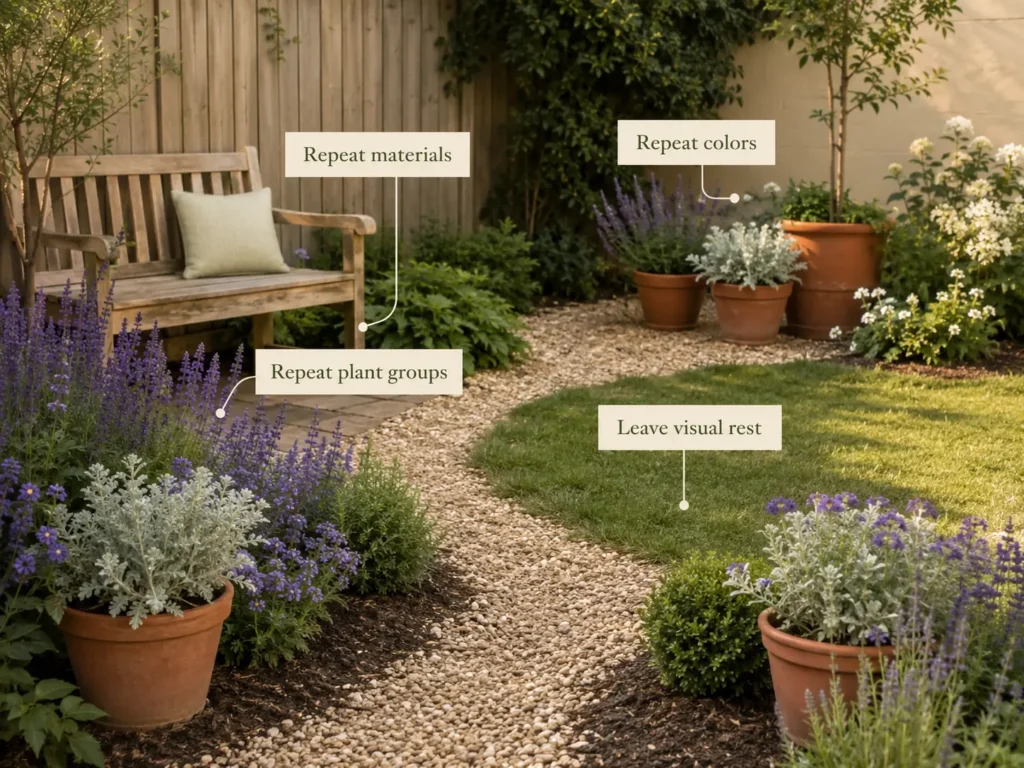
The final idea does not require another purchase. Repeat a small number of colors, plants, and materials across the garden. If the entrance has terracotta pots, use another terracotta accent near the seating area. If one bed contains purple flowers and silver foliage, repeat a smaller version elsewhere.
Repetition helps reused and budget materials feel intentional. It also prevents the garden from becoming crowded with unrelated decorations. One bench, one path material, and several repeated plant groups can create a stronger design than many small ornaments.
Keep empty space between focal points. Lawn, groundcover, mulch, gravel, and open patio surfaces provide visual rest and make the planted areas easier to appreciate.
Benefits and Tradeoffs of a Budget Garden Makeover
Benefits
- Small improvements can be completed gradually as money and time become available.
- Reusing materials and dividing plants reduces waste and purchasing costs.
- Paths, mulch, and edging can improve function as well as appearance.
- Working in stages allows you to observe what succeeds before expanding the design.
Considerations
- Seed-grown plants, divisions, and small transplants take time to create a mature appearance.
- Reclaimed materials require careful inspection and may need cleaning or preparation.
- Low initial cost does not always mean low maintenance.
- Buying several inexpensive decorations without a plan can still exceed the intended budget.
How to Decide Where to Spend and Where to Save
Spend first on safety, structural stability, healthy soil where needed, and materials that are difficult to replace. Save on decorative accessories, temporary annual color, and items you can obtain through reuse or plant exchanges.
- Spend where failure creates a hazard: Secure supports, steps, handrails, electrical equipment, and load-bearing furniture should be dependable.
- Spend on the correct plant: One healthy plant suited to the location is more economical than repeatedly replacing unsuitable bargains.
- Save with smaller plants: Young perennials often cost less and can fill the same space after they mature.
- Save with local bulk materials: Gravel, mulch, compost, and soil may cost less in bulk when the required volume justifies delivery.
- Save through repetition: Buying fewer plant varieties in useful quantities can create a more cohesive design.
Always calculate the complete cost before beginning. A low-cost material may require edging, delivery, base preparation, tools, or frequent replacement. Include these supporting costs when comparing options.
Common Budget Garden Mistakes
Myth
A beautiful garden needs many different plants and decorations
Reality
A cohesive garden often uses a limited selection of plants, colors, and materials repeatedly. Too many unrelated features can make a small garden feel cluttered and can increase both the purchase cost and maintenance workload.
- Buying before measuring: Containers, furniture, and plants may be too large or too small for the intended area.
- Ignoring mature plant size: Crowded shrubs and perennials eventually require removal or heavy pruning.
- Choosing price over suitability: A discounted plant is not a bargain if it cannot tolerate the site.
- Using unsafe reclaimed materials: Unknown chemicals, exposed nails, sharp edges, rot, and instability can create hazards.
- Skipping base preparation: Paths and seating areas can become uneven or collect water.
- Adding too many focal points: Competing decorations make the garden feel less organized.
- Forgetting maintenance: Containers, fountains, painted furniture, and loose paths require ongoing care.
Climate, Safety, and Maintenance Considerations
Check materials, utilities, and local requirements
Contact the appropriate utility-location service before digging where underground lines may be present. Obtain permission before altering rental property, shared boundaries, drainage, or structures. Use only safe, identifiable reclaimed materials, and consult a qualified professional for structural, electrical, major drainage, or retaining-wall work.
Climate affects the cost and success of every garden design. Select plants according to local winter temperatures, summer heat, rainfall, humidity, soil, and available sunlight. A drought-tolerant plant still requires appropriate watering while becoming established.
Mulch can reduce evaporation, suppress some weeds, moderate soil temperature, and help protect soil from erosion. However, suitable depth and material vary by location and plant type. In wildfire-prone regions, follow local defensible-space and combustible-mulch guidance.
Rain barrels can supplement garden irrigation where collection is legal and practical. Use a covered system designed to limit mosquito access and overflow safely away from foundations. Check local regulations because rainwater collection rules differ by location.
For very limited yards and patios, these small garden design tips provide additional guidance on layout, visual depth, plant scale, and multipurpose features.
Frequently Asked Questions
What is the cheapest way to make a garden look better?
Begin by removing clutter, weeding visible beds, cutting a clean edge, grouping existing containers, pruning only where appropriate, and applying suitable mulch. These changes create order and definition without requiring many new plants or decorations.
How can I start a garden with very little money?
Start with one small bed or several reused food-safe containers. Grow suitable plants from seed, request healthy divisions from local gardeners, make properly finished compost, and reuse safe materials. Expand only after the first area is established.
Which garden improvements provide the greatest visual impact?
Defined bed edges, fresh mulch, a clear path, grouped plants, repeated colors, and one useful focal point generally provide more impact than many scattered ornaments. Improving the area visible from the house or entrance can make the entire garden feel more finished.
Are gravel paths cheaper than paving?
Gravel often has a lower material cost than professionally installed paving, but the final price depends on excavation, base material, edging, drainage, delivery, and path size. Gravel also requires periodic raking and replenishment.
Is it safe to use reclaimed wood in a garden?
Use only structurally sound wood with an identifiable history. Avoid pieces contaminated by chemicals, oil, lead-based paint, rot, mold, or exposed fasteners. Material used near edible plants requires especially careful selection.
How do I make a small budget garden look bigger?
Keep the layout simple, maintain clear routes, repeat a limited color palette, use vertical planting, and avoid oversized furniture. Partially screening the garden boundary and creating layered planting can also add visual depth.
What should I buy first for a garden makeover?
First address hazards, drainage, unstable surfaces, and poor soil conditions. After those essentials, invest in one structural improvement such as edging, a path, or suitable containers. Plants and decorative accents can be added gradually.
Create Your Garden Gradually
A beautiful garden does not need to be completed in one expensive weekend. Begin with the area you notice most, define its purpose, and improve its basic structure. A clean edge, suitable mulch, a simple path, or an organized container display can change how the entire space feels.
Use plants that fit your conditions, reuse materials only when they are safe, and repeat a limited selection of colors and finishes. Once the first zone is established and working well, carry one or two of its details into the next area. That gradual approach keeps spending under control while allowing the garden to develop into a cohesive outdoor space.
Sources and Further Reading
- U.S. Environmental Protection Agency WaterSense: Watering Tips — water-smart landscaping, irrigation planning, and outdoor water conservation.
- EPA WaterSense: Water-Smart Landscapes — guidance on mulch, plant selection, soil, and water-efficient landscape design.
- University of Minnesota Extension: Composting in Home Gardens — information about creating and using compost as a soil amendment or mulch.
- University of Minnesota Extension: Fertilizing and Watering Container Plants — container watering, fertilizing, and mulch guidance.
- University of Minnesota Extension: Gardening in the Shade — information about shade levels, plant selection, and using containers near tree roots.
- Penn State Extension: Incorporating Native Perennial Plants — region-specific examples and general considerations for native perennial garden design.