12 Friendly Egg Layers That Make The Best Chicken Breeds for Beginners
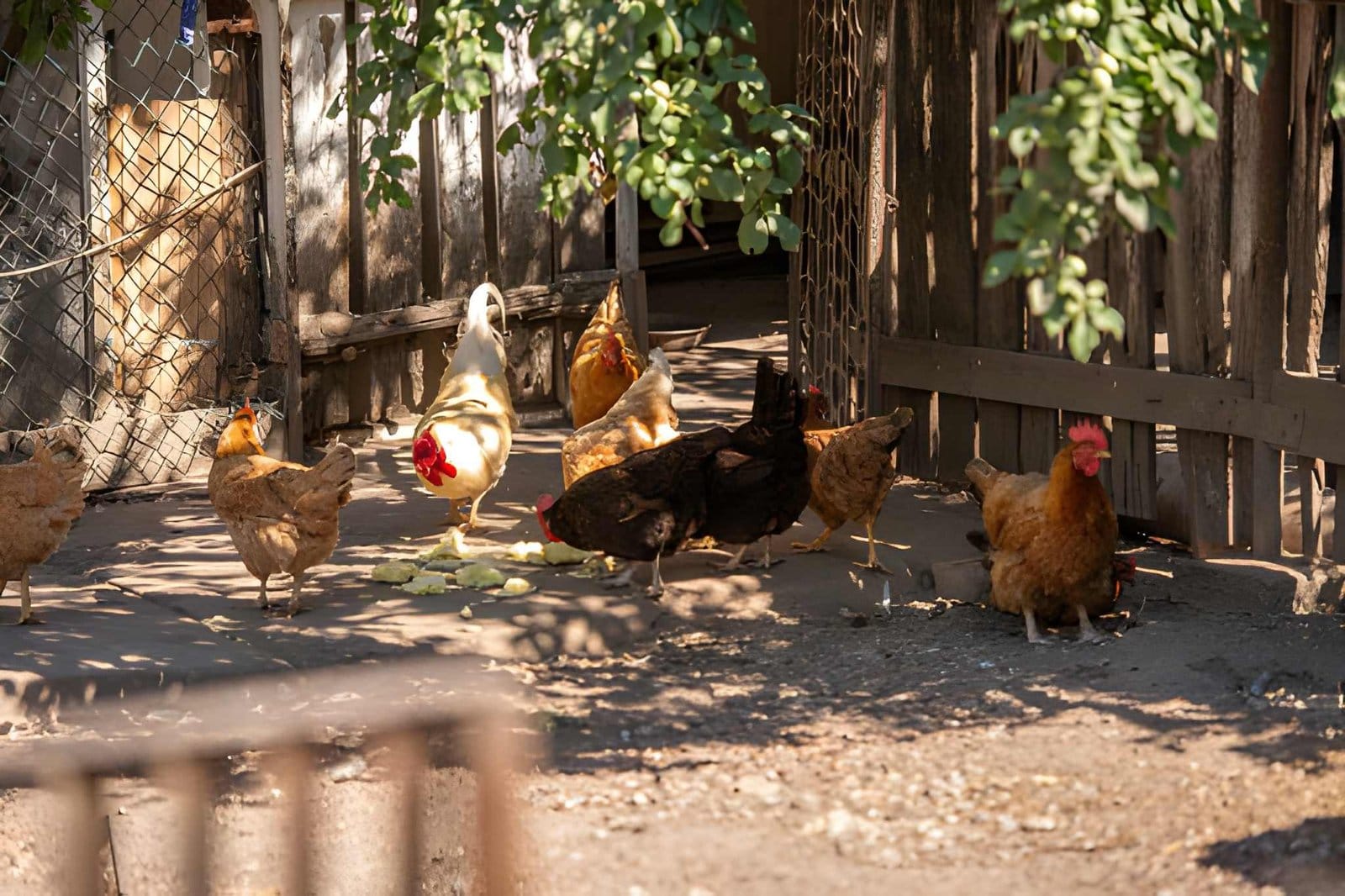
Best chicken breeds for beginners are usually calm, hardy, easy to handle, and steady enough with egg production to make your first flock feel rewarding instead of overwhelming. When you are just starting with backyard chickens, the breed you choose can make a big difference in your daily routine, your egg basket, and your confidence as a new chicken keeper.
I always think beginners should choose chickens for more than egg numbers alone.
A chicken that lays a lot of eggs but is flighty, noisy, nervous, or difficult to handle may not feel like the easiest first bird. On the other hand, a calm, friendly hen that lays steadily and handles backyard life well can make the whole experience more enjoyable.
Your best breed will depend on your climate, space, egg goals, family situation, and whether you want friendly pets, strong egg layers, or dual-purpose birds.
This guide will walk you through the best beginner chicken breeds, what each one is known for, and how to choose the right first flock for your homestead.
Affiliate Disclosure
This article may contain affiliate product recommendations. If you choose to purchase through those recommendations, I may earn a small commission at no extra cost to you. I only recommend practical chicken keeping supplies that fit a beginner-friendly backyard flock.
Table of Contents
What Makes a Chicken Breed Beginner-Friendly?
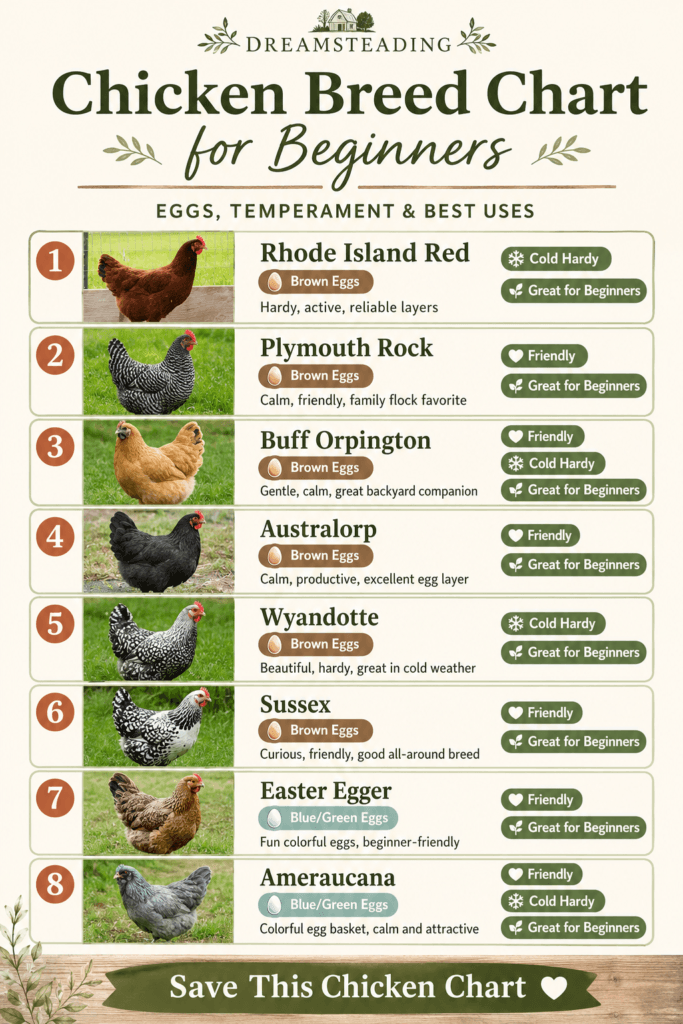
A beginner-friendly chicken breed should be manageable, hardy, and suited to your real backyard setup.
The first thing I look for is temperament. Calm chickens are easier to handle, easier to check for health problems, and less stressful for children or first-time flock owners.
The second thing is hardiness. A good beginner breed should handle normal backyard conditions well, especially if you are still learning coop management, weather protection, and daily care.
Egg production matters too, but it is not the only thing. Some breeds lay more eggs than others, but beginners often do better with steady, friendly hens than with the highest-production birds.
Climate is also important. Cold areas need breeds that tolerate lower temperatures well. Hot areas need shade, ventilation, and birds that can handle heat better. If you live somewhere with cold winters, breeds with very large combs may need extra care because large combs can be more prone to frostbite.
Finally, think about your purpose. Do you want lots of eggs, friendly hens, colorful eggs, a family-friendly flock, or dual-purpose birds?
If this is your first flock, my Beginner Chicken Setup Checklist is a good next step before you bring chicks home.
Beginner Chicken Breed Quick Chart
| Breed | Best For | Egg Color | Temperament | Beginner Rating |
|---|---|---|---|---|
| Rhode Island Red | Reliable eggs | Brown | Hardy, confident | Excellent |
| Plymouth Rock | Friendly backyard flock | Brown | Calm, easygoing | Excellent |
| Buff Orpington | Families and gentle hens | Brown | Very calm | Excellent |
| Australorp | Calm egg layer | Brown | Docile, quiet | Excellent |
| Wyandotte | Cold-hardy flocks | Brown | Steady, hardy | Very good |
| Sussex | Friendly mixed flock | Light brown | Curious, gentle | Very good |
| Easter Egger | Colorful eggs | Blue, green, tinted | Usually friendly | Very good |
| Ameraucana | Blue eggs | Blue | Calm, hardy | Very good |
| New Hampshire Red | Dual-purpose flock | Brown | Active, sturdy | Good |
| Brahma | Gentle large breed | Brown | Calm, slow-moving | Good |
| Leghorn | High egg production | White | Active, flighty | Good with experience |
| ISA Brown | Lots of eggs | Brown | Friendly, productive | Good short-term layer |
This chart is a simple starting point. Individual chickens can still have different personalities, even within the same breed.
12 Best Chicken Breeds for Beginners
1. Rhode Island Red
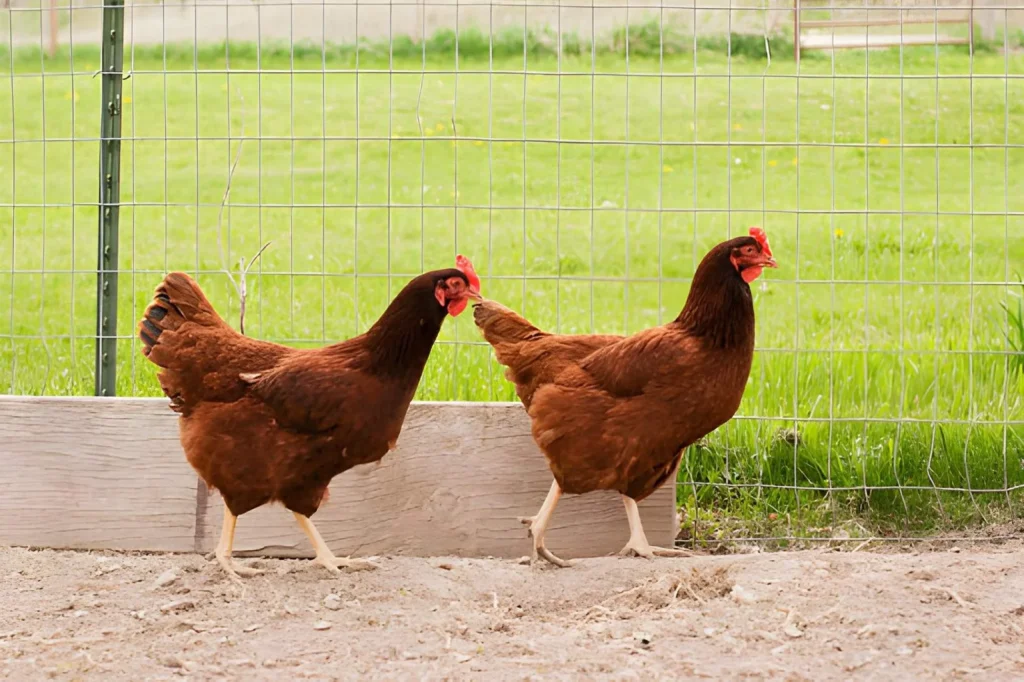
Rhode Island Reds are one of the most popular beginner chicken breeds because they are hardy, productive, and easy to find.
They are known for brown eggs, strong laying ability, and good adaptability in many backyard settings. If you want a practical first flock that can give you a steady egg basket, Rhode Island Reds are a strong choice.
They are not always the cuddliest birds, but they are confident and reliable. Some hens are friendly, while others are more independent. Roosters can be assertive, so many beginners prefer starting with hens only.
Rhode Island Reds are a good fit if you want dependable eggs and a breed that does not feel too delicate.
Best for:
Reliable brown eggs
Beginner backyard flocks
Hardy homestead chickens
Practical egg production
A beginner chicken keeping book can be helpful if Rhode Island Reds are your first breed because it will help you understand laying cycles, feeding, and basic flock care.
2. Plymouth Rock
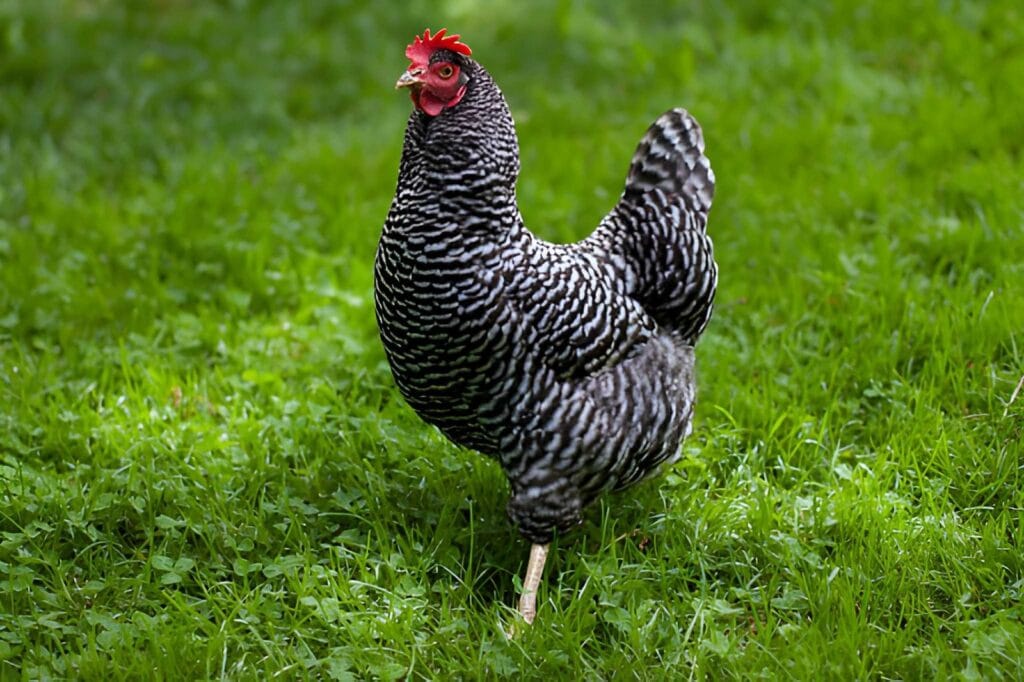
Plymouth Rocks, especially Barred Rocks, are one of my favorite recommendations for beginners.
They are usually calm, friendly, and easy to recognize with their black-and-white barred feathers. They are good brown egg layers and tend to do well in backyard flocks.
Plymouth Rocks are often a good balance between personality and productivity. They are not as intense as some high-production breeds, but they still give beginners a steady supply of eggs.
They are also a nice choice if you want chickens that feel comfortable around people.
Best for:
Friendly backyard flocks
Families
Brown eggs
Beginner chicken keepers
If you are planning your coop before choosing breeds, Backyard Chicken Coop Setup can help you make sure your flock has enough space, roosting area, and nesting boxes.
3. Buff Orpington
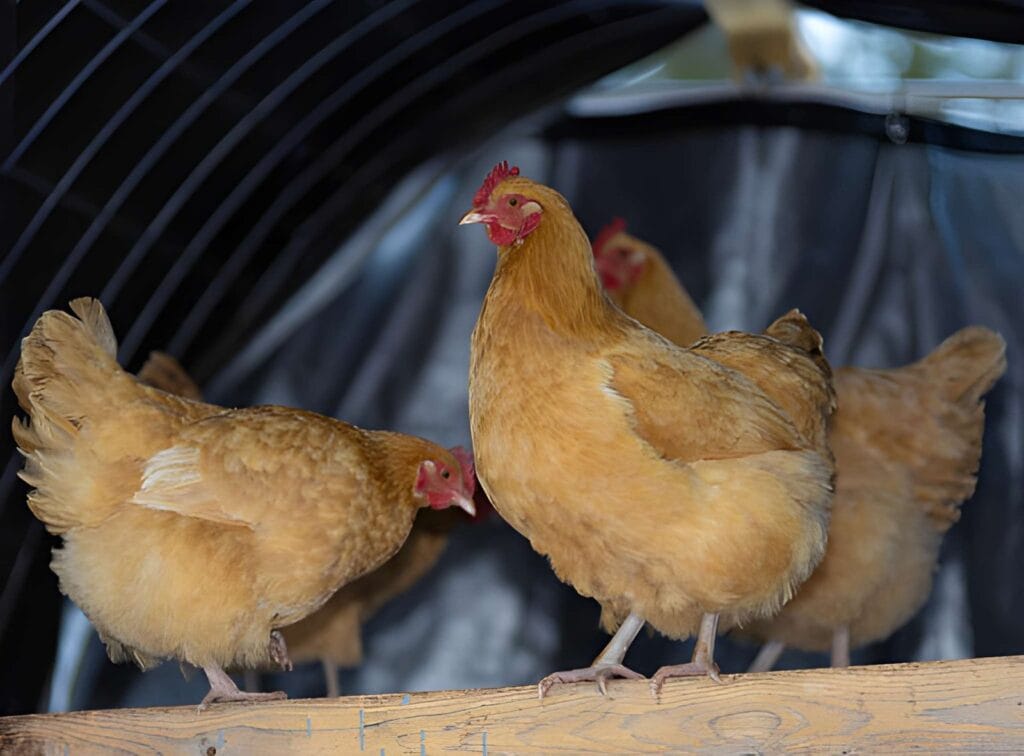
Buff Orpingtons are famous for their gentle temperament.
They are large, soft-looking golden chickens that are often calm, docile, and easy to handle. If you want chickens that feel friendly and peaceful, Buff Orpingtons are one of the best beginner choices.
They lay brown eggs and are considered a dual-purpose breed, but their biggest advantage for many beginners is temperament.
Because they are larger birds, they can handle cooler weather well, but they still need a dry, well-ventilated coop.
Buff Orpingtons can sometimes be lower in the pecking order, so avoid mixing them with overly aggressive breeds in a small space.
Best for:
Families with children
Calm backyard flocks
Cold-weather areas
Gentle beginner hens
Use good chicken coop bedding to keep the coop dry and comfortable, especially with heavier breeds like Orpingtons.
4. Australorp
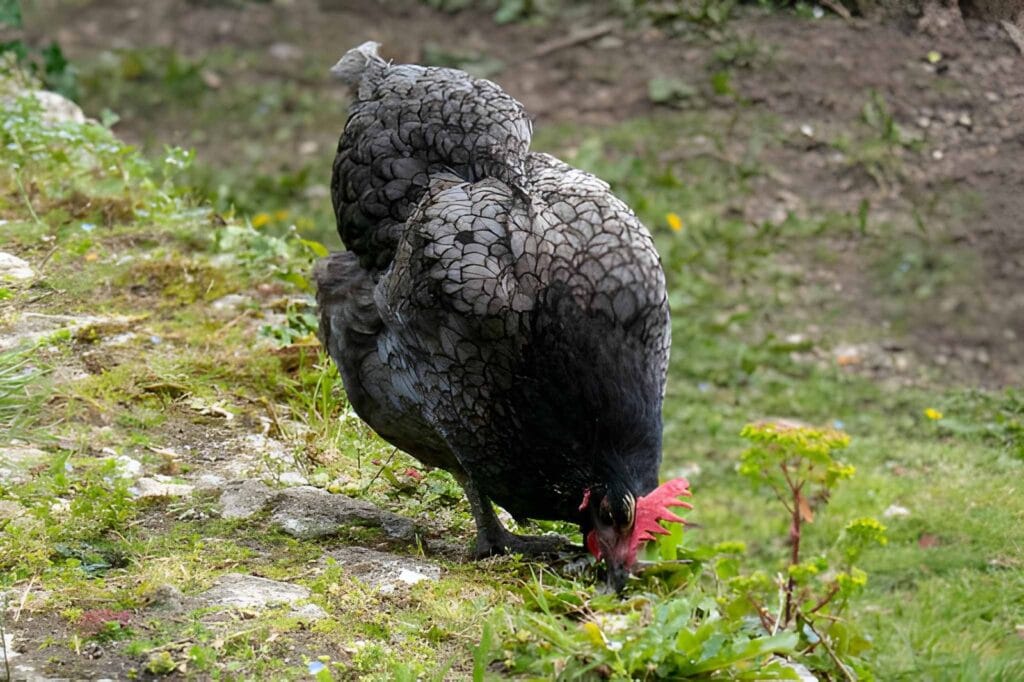
Australorps are excellent beginner chickens because they are usually calm, docile, and productive.
Black Australorps are especially popular. They lay brown eggs, do well in many backyard settings, and are often easy to handle.
I like Australorps for beginners who want a practical egg layer without choosing a nervous or flighty breed. They are steady, attractive birds that fit well into a small homestead flock.
They can be good for both eggs and a peaceful backyard environment.
Best for:
Calm egg layers
Small backyard flocks
Brown eggs
Beginner-friendly handling
A simple egg collecting basket makes daily egg gathering feel easier and keeps eggs from being carried around loose in your hands or pockets.
5. Wyandotte
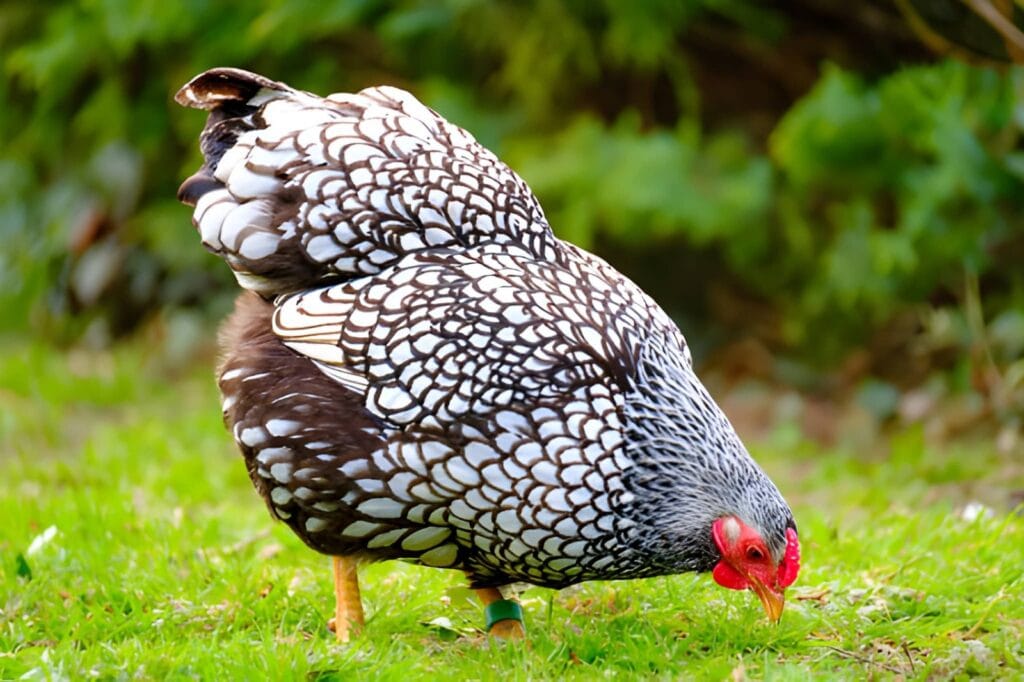
Wyandottes are hardy, beautiful chickens that can be a good choice for beginners, especially in colder climates.
They have a rounded body shape and many attractive color varieties, including Silver Laced and Golden Laced. They lay brown eggs and are considered dual-purpose birds.
One reason many homesteaders like Wyandottes is their cold hardiness. Their comb type can also be more practical in cold weather compared with breeds that have very large single combs.
Their personalities can vary. Some are friendly and calm, while others are more independent. They are usually manageable in a backyard flock when given enough space.
Best for:
Cold climates
Beautiful backyard flocks
Brown eggs
Hardy beginner chickens
If your winters are cold, a heated chicken waterer can make daily care easier and help prevent frozen water.
6. Sussex
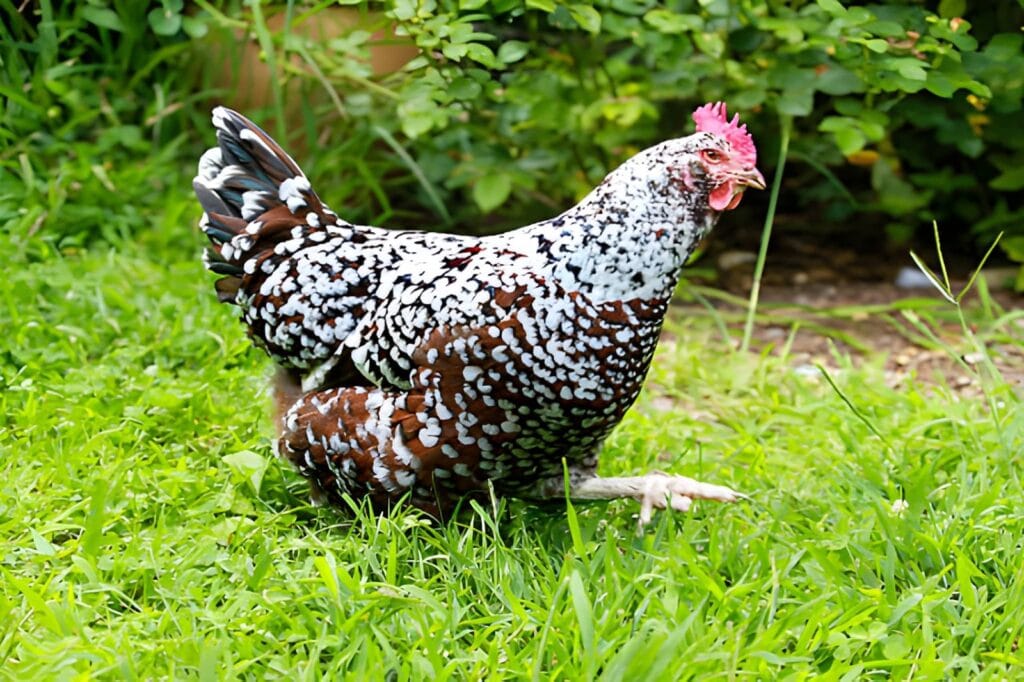
Sussex chickens are friendly, curious, and useful for beginner flocks.
The Speckled Sussex is especially popular because of its beautiful feather pattern and gentle personality. Sussex hens are usually good foragers and can lay light brown eggs.
They are a good choice if you want chickens that are active but not too difficult to handle. Many beginners enjoy them because they tend to be social and interested in people.
Sussex chickens can work well in a backyard or small homestead setup with enough room to roam.
Best for:
Friendly flocks
Beautiful feather patterns
Light brown eggs
Curious backyard chickens
If you plan to let chickens spend time in a run, make sure your enclosure uses coop predator-proof hardware cloth instead of weak chicken wire where predators may push through.
7. Easter Egger
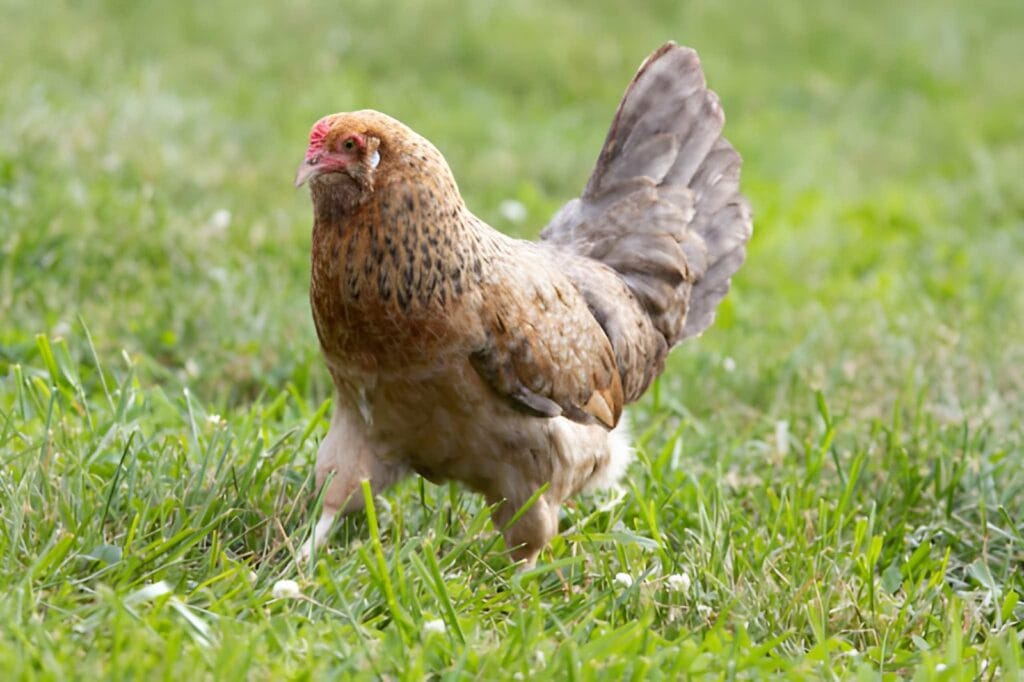
Easter Eggers are popular because they can lay blue, green, olive, cream, or tinted eggs.
They are not always a true standardized breed, but they are common in backyard flocks and hatcheries. Many beginners love them because they add color to the egg basket and personality to the flock.
Their temperament is usually friendly and manageable, though it can vary depending on the line.
Easter Eggers are a fun choice if you want your first flock to feel colorful and exciting without becoming too difficult.
Best for:
Colorful eggs
Family flocks
Fun beginner chickens
Mixed backyard flocks
If you are starting with chicks, a chick brooder kit can help you keep young birds warm, contained, and easier to manage during their first weeks.
8. Ameraucana
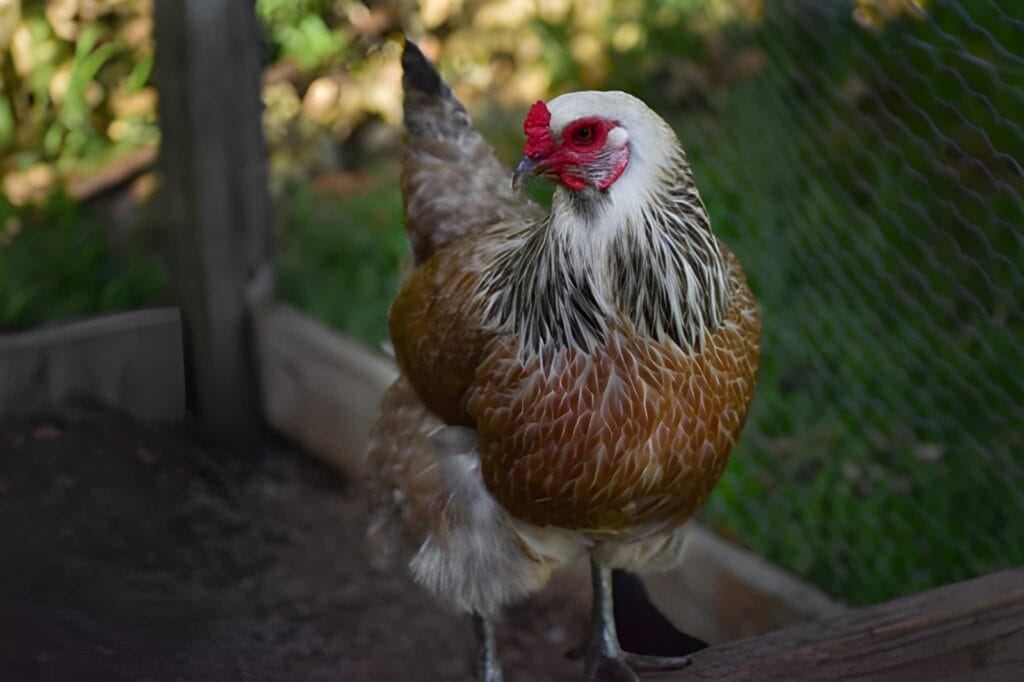
Ameraucanas are known for blue eggs and calm, hardy personalities.
They are sometimes confused with Easter Eggers, but true Ameraucanas are a recognized breed. For beginners, the main appeal is the blue egg color, manageable temperament, and good backyard adaptability.
They are usually not the highest-production birds, but they are enjoyable in a mixed flock.
Ameraucanas are a good choice if you want something a little special without choosing a breed that is too delicate or difficult.
Best for:
Blue eggs
Hardy backyard flocks
Mixed beginner flocks
Calm personalities
Use nesting box pads to keep eggs cleaner and reduce breakage, especially once your hens begin laying regularly.
9. New Hampshire Red
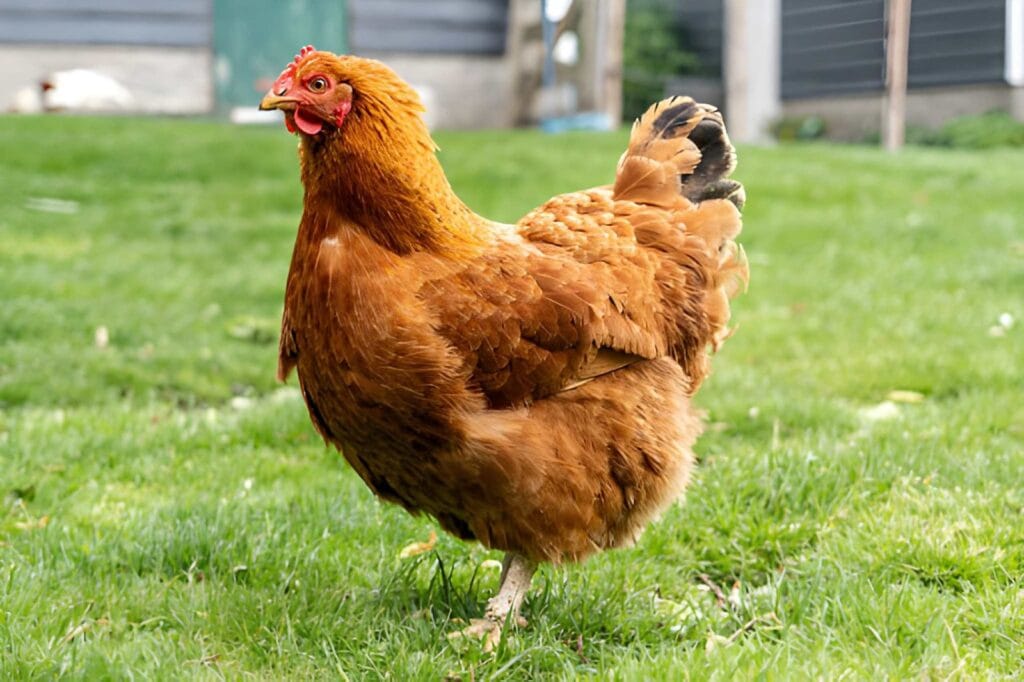
New Hampshire Reds are sturdy, useful birds that can work well for beginners who want a practical dual-purpose flock.
They are similar in some ways to Rhode Island Reds but are often considered a little faster-growing and more meat-oriented. They lay brown eggs and can be a good homestead bird.
Their temperament can vary. Many are calm enough for backyard flocks, but they may be more active and assertive than very gentle breeds like Buff Orpingtons.
Best for:
Dual-purpose flocks
Brown eggs
Hardy backyard chickens
Practical homestead use
If you are still learning the basic routine, read Raising Chickens for Beginners before choosing a larger mixed flock.
10. Brahma
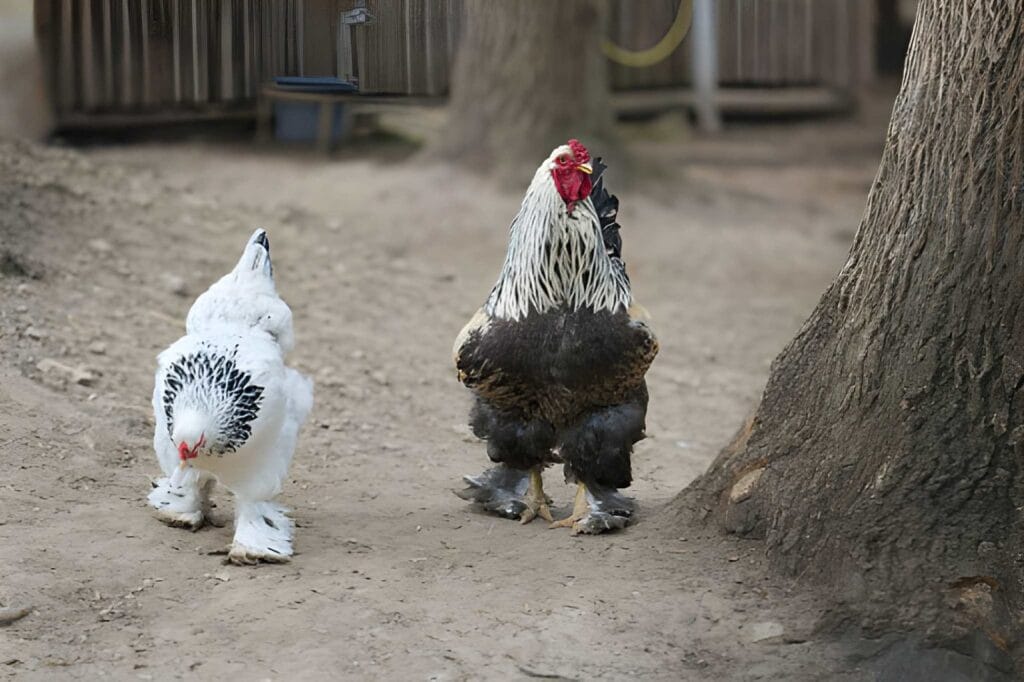
Brahmas are large, gentle chickens that many beginners enjoy because of their calm nature.
They are slower-moving, quiet, and impressive in size. They lay brown eggs and can handle cold weather well, though their feathered feet need dry conditions.
Brahmas are not usually the best choice if your main goal is maximum egg production. They are better for someone who wants a gentle, beautiful, cold-hardy backyard breed.
Because they are large, they need enough coop and roost space.
Best for:
Gentle flocks
Cold climates
Large calm chickens
Backyard pets with eggs
Keep their coop dry with good chicken coop bedding, especially if you live in a wet climate where feathered feet can get muddy.
11. Leghorn
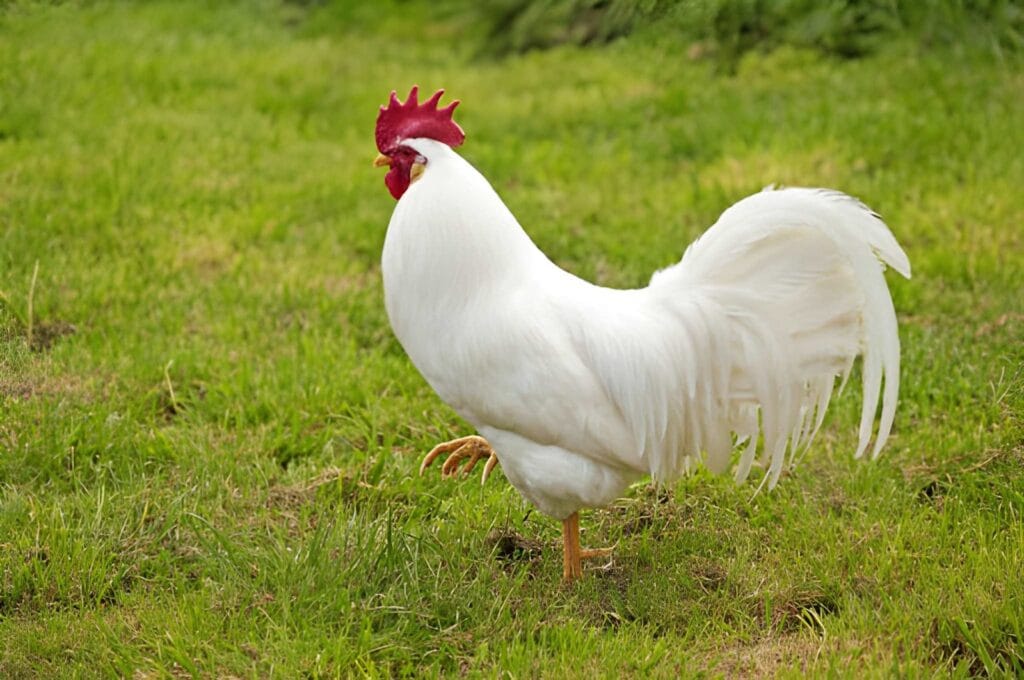
Leghorns are excellent egg layers, but they are not always the easiest beginner chickens.
They lay white eggs and are known for strong production. If your main goal is lots of eggs, Leghorns are worth considering.
The downside is temperament. They can be active, flighty, noisy, and less interested in being handled. That does not make them bad chickens, but they may not be the best first choice for families who want calm, pet-like hens.
They can be better for beginners who care more about egg numbers than cuddly personalities.
Best for:
High egg production
White eggs
Warm climates
Experienced or practical keepers
A secure run is important for active breeds. Again, coop predator-proof hardware cloth is a smart investment for safety.
12. ISA Brown
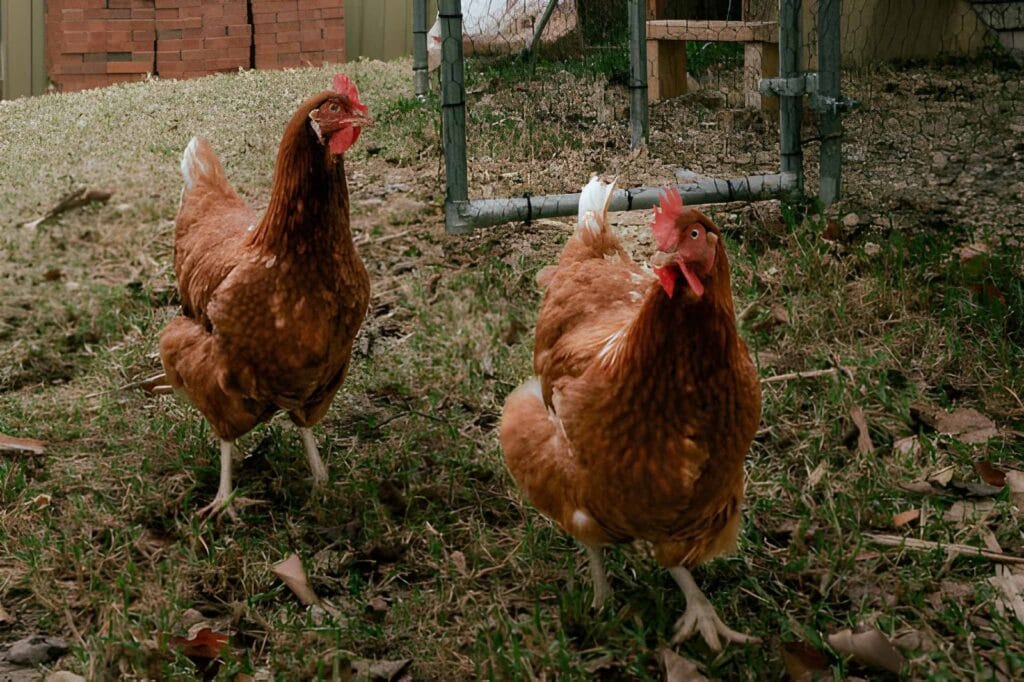
ISA Browns are very popular production layers because they lay a lot of brown eggs and are often friendly.
They are not a heritage breed in the same way as Rhode Island Reds or Plymouth Rocks. They are a hybrid layer bred for egg production.
For beginners who want eggs quickly and consistently, ISA Browns can be rewarding. They are usually calm and easy to keep.
The tradeoff is that high-production hybrid hens may have a shorter peak laying life than some heritage breeds. They are excellent for egg production, but they are not always the best choice if your goal is a long-term heritage homestead flock.
Best for:
Lots of brown eggs
Friendly hens
First-time egg production
Small backyard flocks
A chicken feed storage bin helps keep feed dry, clean, and protected from pests, which matters no matter which breed you choose.
Which Chicken Breed Should You Choose First?
If I were helping a beginner choose a first flock, I would not recommend starting with only one breed unless you already know exactly what you want.
A mixed flock gives you more personality, egg color, and learning experience.
For a very beginner-friendly flock, I would choose:
2 Plymouth Rocks
2 Buff Orpingtons
2 Australorps
1 or 2 Easter Eggers
This gives you calm hens, steady brown eggs, possible colorful eggs, and a balanced backyard flock.
If you live in a cold climate, I would lean toward Plymouth Rocks, Orpingtons, Wyandottes, Australorps, and Brahmas.
If you want the most eggs, I would consider Rhode Island Reds, Australorps, ISA Browns, and possibly Leghorns.
If you have children and want calm hens, I would start with Buff Orpingtons, Plymouth Rocks, Australorps, Sussex, or Brahmas.
If you want a beautiful egg basket, add Easter Eggers or Ameraucanas.
Before buying chicks, check local rules, coop requirements, and whether roosters are allowed. Many areas allow hens but not roosters.
Chicken Breeds Beginners May Want to Avoid at First
Not every chicken breed is ideal for a first flock.
Some breeds are beautiful but more delicate. Some are flighty. Some are aggressive. Some need special care because of feathered feet, crests, or extreme body types.
For beginners, I would be cautious with very nervous breeds, ornamental breeds with limited vision, and breeds known for being especially aggressive or hard to manage.
Polish chickens, for example, are beautiful, but their head feathers can block vision and make them more vulnerable in some backyard setups.
Tiny bantams can be friendly and fun, but they lay smaller eggs and may be more vulnerable to predators.
Game breeds are usually not the best choice for a peaceful beginner flock.
This does not mean those breeds are bad. It only means they are better once you have more experience.
For your first flock, choose easy, steady birds. You can always add special breeds later.
Supplies That Make a First Flock Easier
The right breed helps, but good supplies make chicken keeping much smoother.
A chick brooder kit helps you raise chicks safely before they move outside.
A chick feeder and waterer set keeps food and water cleaner during the brooder stage.
Good chicken coop bedding helps control moisture and odor.
Nesting box pads keep eggs cleaner and make nesting boxes easier to maintain.
A chicken feed storage bin protects feed from moisture, rodents, and waste.
A chicken first aid kit is helpful for small issues like minor wounds, mites, or basic flock checks.
If you live in a cold area, a heated chicken waterer can save time during winter.
If predators are a concern, coop predator-proof hardware cloth is one of the most important materials you can use.
Good supplies do not replace daily care, but they make it easier to stay consistent.
Final Thoughts
Choosing the best chicken breeds for beginners is about finding birds that match your life, not just picking the breed with the highest egg count.
For most first-time chicken keepers, the best choices are calm, hardy, friendly breeds that lay steadily and handle backyard life well.
If you want a simple first flock, start with Plymouth Rocks, Buff Orpingtons, Australorps, Rhode Island Reds, Sussex, Wyandottes, or Easter Eggers.
If you want colorful eggs, add Easter Eggers or Ameraucanas.
If you want maximum eggs, consider Rhode Island Reds, Australorps, ISA Browns, or Leghorns.
If you want gentle family birds, Buff Orpingtons, Plymouth Rocks, Australorps, Sussex, and Brahmas are strong choices.
Start small, choose good breeds, build a safe coop, and learn your flock’s daily rhythm.
Backyard chickens are one of the most rewarding beginner homesteading projects because they give you fresh eggs, useful manure for compost, and a daily connection to your home food system.
A good first flock does not need to be fancy.
It needs to be healthy, safe, manageable, and enjoyable.
Choose breeds that make you excited to walk out to the coop every morning.
FAQ: Best Chicken Breeds for Beginners
What is the best chicken breed for beginners?
Plymouth Rocks, Buff Orpingtons, Australorps, and Rhode Island Reds are some of the best chicken breeds for beginners because they are hardy, useful, and generally easy to manage.
What chicken breed is the friendliest?
Buff Orpingtons are often considered one of the friendliest beginner breeds. Plymouth Rocks, Australorps, Sussex, and Brahmas are also good choices for calm backyard flocks.
What chicken breed lays the most eggs?
Leghorns and ISA Browns are excellent egg layers. Rhode Island Reds and Australorps are also strong choices for beginners who want steady egg production.
What is the best chicken breed for brown eggs?
Rhode Island Reds, Plymouth Rocks, Buff Orpingtons, Australorps, Wyandottes, Sussex, and ISA Browns all lay brown or light brown eggs.
What chickens lay blue or green eggs?
Ameraucanas lay blue eggs. Easter Eggers can lay blue, green, olive, cream, or tinted eggs depending on the bird.
How many chickens should a beginner start with?
Most beginners do well starting with 4 to 6 hens. This gives you enough eggs for a small household without making daily care too overwhelming.
Are roosters good for beginners?
Most beginners do not need a rooster unless they want fertile eggs or flock protection. Many towns do not allow roosters, and roosters can be noisy or aggressive.
What breed is best for cold weather?
Buff Orpingtons, Plymouth Rocks, Wyandottes, Australorps, Brahmas, and Rhode Island Reds are good options for colder areas when they have a dry, draft-free, well-ventilated coop.
Related Posts
Raising Chickens for Beginners
Beginner Chicken Setup Checklist
Backyard Chicken Coop Setup
Raising Chickens Mistakes to Avoid
Homesteading for Beginners
Essential Homesteading Skills for Beginners
Beginner Garden Planning
Food Preservation Methods for Beginners