21 Simple Baking Soda Uses for Home and Garden
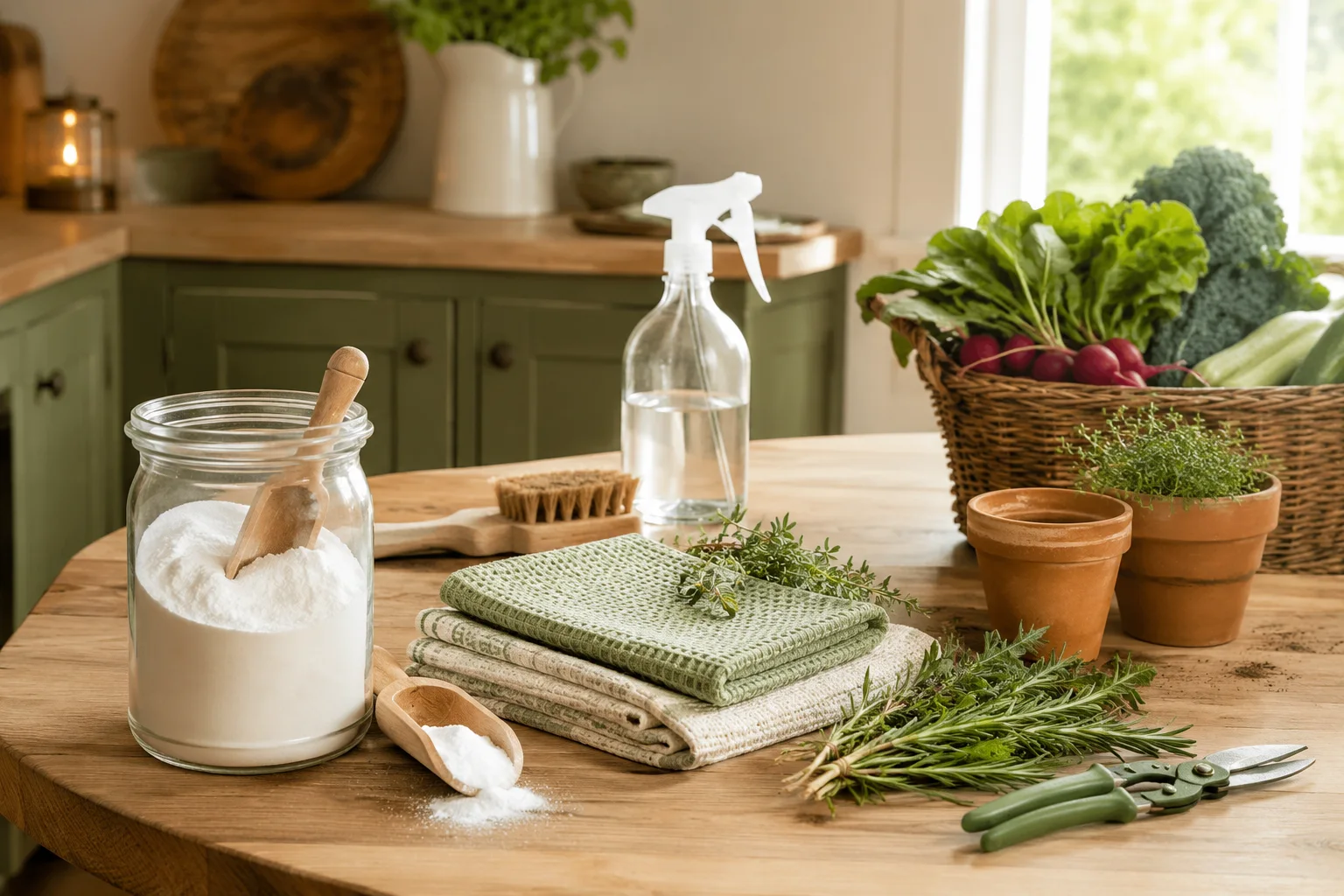
Baking soda uses for home and garden are some of the easiest simple-living tricks to learn because one affordable box can help with cleaning, deodorizing, scrubbing, freshening, and a few careful garden tasks. If you are building a more practical homestead home, baking soda is one of those basic pantry supplies that earns its place again and again.
I like baking soda because it is simple.
It does not need a complicated recipe. It does not take much space. It can sit in the pantry, cleaning cupboard, laundry room, or garden shed and still be useful in everyday life.
But baking soda also needs common sense.
It is not a miracle cure for every plant problem, and it should not be sprinkled heavily around the garden without thinking. It is mildly abrasive, alkaline, and salty, so it can help in the right place and cause problems in the wrong one.
This guide will walk you through practical baking soda uses for the home and garden, plus the mistakes to avoid so you can use it safely and confidently.
Affiliate Disclosure
This article may contain affiliate product recommendations. If you choose to purchase through those recommendations, I may earn a small commission at no extra cost to you. I only recommend simple home, cleaning, and garden supplies that fit a beginner-friendly homesteading lifestyle.
Table of Contents
What Is Baking Soda?
Baking soda is sodium bicarbonate, a simple white powder commonly used in baking, cleaning, and deodorizing.
In baking, it reacts with acidic ingredients to help dough or batter rise. Around the home, it is useful because it can absorb odors, gently scrub surfaces, and help loosen grime.
That makes it helpful for a beginner homesteader who wants fewer complicated products and more multi-use basics.
If you are trying to simplify your home, baking soda fits well beside other basic supplies like vinegar, castile soap, dish soap, lemon, salt, and reusable cloths.
This kind of practical, low-waste habit is a good starting point if you are building skills from Homesteading for Beginners and want your home to feel more self-sufficient one small step at a time.
Why Baking Soda Is Useful Around the Homestead
Baking soda is useful because it is affordable, easy to store, and gentle enough for many everyday jobs.
It can help with:
Odors
Light stains
Greasy residue
Kitchen surfaces
Trash cans
Laundry smells
Garden tools
Outdoor furniture
Produce washing
Small patio weeds
For home use, I like keeping bulk baking soda in a dry pantry container and refilling a small glass shaker jar for daily cleaning. That makes it easier to sprinkle just a little instead of dumping too much.
Baking soda is also beginner-friendly because most uses are simple. You sprinkle, scrub, rinse, or let it sit and vacuum.
The key is knowing when to use it and when to choose something else.
Baking Soda Uses for the Home
1. Freshen the Refrigerator
One of the easiest baking soda uses is refrigerator odor control.
Place a small open container of baking soda toward the back of the fridge. It can help absorb everyday food smells from onions, leftovers, cheese, and strong ingredients.
Change it every few months or sooner if the fridge smells stale.
Use a small labeled jar or the original box, but keep it away from children and pets.
2. Deodorize Trash Cans
Trash cans can hold odors even after you empty the bag.
Sprinkle a thin layer of baking soda at the bottom of the trash can before adding a new liner. You can also wash the can with warm water, baking soda, and a little dish soap.
This works especially well for kitchen bins, compost scrap containers, and outdoor garbage cans.
If you keep food scraps before composting, this is a useful habit to pair with Essential Homesteading Skills for Beginners because odor management makes simple home systems easier to maintain.
3. Clean Cutting Boards
Cutting boards can hold smells from onions, garlic, herbs, and strong foods.
Sprinkle baking soda on a damp board, scrub gently with a sponge or brush, then rinse well and dry.
For wooden boards, do not soak them. Use a damp cloth, clean quickly, and dry upright.
A set of reusable cleaning cloths is helpful because you can keep one cloth for food surfaces and another for general cleaning.
4. Scrub Sinks Gently
Baking soda works well as a gentle sink scrub.
Sprinkle a little into the sink, add a few drops of dish soap, scrub with a damp sponge or scrub brush set, then rinse thoroughly.
This works nicely on stainless steel and many ceramic sinks. Always test first if your sink has a special coating or delicate finish.
For a homestead kitchen where vegetables, herbs, eggs, and jars move through the sink often, a simple sink scrub routine keeps the space feeling fresh.
5. Freshen Drains
Baking soda can help freshen drains that smell stale.
Sprinkle a small amount into the drain, run warm water, and let it rinse through. This is mainly for odor control, not serious clogs.
For stubborn clogs, use proper plumbing methods instead of relying on baking soda.
Never mix random cleaning chemicals in the drain. Keep your cleaning routine simple and safe.
6. Clean Food Storage Containers
Plastic and glass containers can hold strong smells from sauces, onions, pickles, and leftovers.
Sprinkle baking soda into the container, add warm water, and let it sit for a while before washing.
For lingering smells, make a paste with baking soda and water, rub gently, rinse, and dry.
If you are working on a more organized pantry, airtight storage containers can help keep food fresher and reduce odor transfer.
This fits naturally with Food Preservation Methods for Beginners, especially if you are storing dried herbs, grains, beans, or homemade pantry staples.
7. Remove Odors From Carpets and Rugs
For everyday carpet odors, sprinkle a light layer of baking soda over the carpet.
Let it sit for 15–30 minutes, then vacuum thoroughly.
This can help freshen rugs near doors, living areas, pet spaces, and mudroom corners.
Do not use too much. Heavy baking soda can be hard to remove from carpet fibers and may not be ideal for every vacuum.
8. Freshen Mattresses
Baking soda can help freshen a mattress naturally.
Strip the bed, sprinkle a light layer over the mattress, let it sit for a few hours, then vacuum well.
This is a good seasonal cleaning task, especially when you are washing bedding, airing rooms, or refreshing a guest space.
Do not add essential oils directly to the mattress unless you know they are safe for your household, pets, and fabric.
9. Deodorize Shoes and Work Boots
Garden shoes, work boots, and barn shoes can get strong odors.
Sprinkle a little baking soda inside dry shoes, let it sit overnight, then shake it out before wearing.
This is especially useful for garden boots, chicken coop boots, and outdoor shoes.
If you keep separate boots for chicken chores, this habit pairs well with Backyard Chicken Keeping for Beginners because clean routines help keep the coop and home separated.
10. Freshen Laundry
Baking soda can help with sour towels, musty cloths, and work clothes.
Add a small amount to the wash along with your regular detergent.
It is especially useful for towels, cleaning cloths, aprons, and garden clothes that smell damp.
Always follow your washing machine instructions, and avoid using too much powder in front-loading machines.
11. Clean Pots and Pans
For cooked-on food, sprinkle baking soda into the pan, add hot water, and let it soak.
After a short soak, scrub gently and wash as usual.
This can help loosen stuck food without heavy scraping.
Avoid using baking soda heavily on aluminum cookware because it can discolor some metals with repeated or prolonged contact.
12. Freshen the Bathroom Sink and Tub
Baking soda can help clean bathroom sinks, tubs, and tiles when used gently.
Sprinkle a small amount, scrub with a damp sponge, rinse well, and dry.
It works best for light soap residue and everyday grime.
Do not use it on delicate stone, marble, or surfaces that scratch easily.
A small cleaning caddy with baking soda, cloths, a scrub brush, dish soap, and gloves makes weekly cleaning easier to keep consistent.
Baking Soda Uses for the Garden
13. Clean Garden Tools
Garden tools collect soil, sap, and plant residue.
Make a simple paste with baking soda and water, rub it on dirty hand tools, scrub gently, then rinse and dry completely.
This is useful for trowels, hand forks, garden scissors, and small metal tools.
After cleaning, dry tools well to help prevent rust.
A pair of garden gloves and a sturdy brush make this job easier, especially after a busy planting day.
14. Freshen Outdoor Furniture
Baking soda can help clean plastic or resin patio furniture.
Mix baking soda with warm water, wipe the furniture, scrub lightly where needed, then rinse.
This can help with dust, pollen, and mild outdoor grime.
Test first on painted, coated, or delicate materials.
If your garden sitting area is part of your outdoor living space, this is a simple task to add when planning around Small Garden Design Tips.
15. Wash Garden Harvest Baskets
Harvest baskets can collect soil, plant sap, and vegetable residue.
Use warm water, a little baking soda, and a cloth or brush to clean baskets, trays, and garden totes.
Rinse well and dry them in the sun.
This is especially useful after harvesting tomatoes, herbs, cucumbers, leafy greens, or root crops.
If you dry herbs at home, clean baskets and trays are helpful before bringing herbs inside. You can connect this habit with How to Dry Herbs at Home for a cleaner harvest-to-kitchen routine.
16. Clean Plant Pots Before Reusing
Old pots can hold soil, mineral residue, and dried plant matter.
Scrub empty pots with warm water and baking soda, rinse well, and let them dry before reusing.
For disease-prone plants, you may still need a stronger sanitizing method depending on the problem, but baking soda can help with everyday cleaning and residue.
This is especially useful before seed starting or transplanting.
17. Freshen Outdoor Trash and Compost Scrap Areas
Outdoor bins can smell stronger in warm weather.
Sprinkle a small amount of baking soda in the bottom of empty bins or use it when washing the bin with water and mild soap.
This is not a replacement for good compost balance, but it can help with container odor.
For compost, focus first on the basics: enough browns, not too many wet food scraps, and good airflow.
18. Use Carefully for Powdery Mildew Support
Baking soda is often mentioned as a home garden spray for powdery mildew, but it needs caution.
It may help slow powdery mildew when used early and properly diluted, especially when combined with better airflow, pruning, and removing badly affected leaves.
But baking soda does not magically cure fungal disease, and strong mixtures can burn leaves.
If you try it, test a small area first. Spray in the evening, avoid hot sun, and do not use it repeatedly without watching the plant carefully.
A gentle garden hand sprayer can help you apply light, even coverage instead of soaking leaves.
For healthier garden planning, combine good spacing and airflow with ideas from Companion Planting for Beginners and Beginner Garden Planning.
19. Clean Garden Labels
Reusable garden labels can get stained with soil, marker, and weather.
Rub them with a little baking soda paste, rinse, and dry.
This is a small task, but it helps keep your garden organized from season to season.
Clean labels are especially helpful if you grow several tomato, pepper, herb, or flower varieties.
20. Scrub Outdoor Sinks and Potting Benches
If you have an outdoor sink, potting bench, or garden work table, baking soda can help clean light dirt and residue.
Sprinkle a little on a damp cloth, scrub the surface, rinse, and dry.
Avoid using it on unfinished wood too often because repeated scrubbing may roughen the surface.
For a wooden potting bench, use baking soda only when needed and follow with drying.
21. Manage Weeds in Cracks Carefully
Baking soda can damage plants, so do not sprinkle it around garden beds.
If you use it for weeds, keep it only in cracks between pavers, walkways, or patio edges where you do not want anything growing.
Use a small amount and avoid windy days so it does not blow into the lawn or garden soil.
This is not my first choice for a food garden, but it can be useful for small cracks in hardscape areas.
Never use baking soda as a broad garden soil treatment.
What Not to Clean With Baking Soda
Baking soda is useful, but it is not safe for every surface.
Avoid using baking soda on:
Marble
Natural stone countertops
Delicate glass
Finished wood
Waxed surfaces
Aluminum cookware
Painted surfaces that scratch easily
Ceramic glass stovetops unless the manufacturer allows it
Because baking soda is mildly abrasive, it can dull or scratch delicate finishes.
When in doubt, test in a hidden spot first.
Baking Soda Safety Tips
Baking soda may feel simple and harmless, but it should still be used carefully.
Keep it away from children and pets, especially if you store it in jars instead of the original box.
Do not eat large amounts of baking soda.
Do not mix it with random cleaners.
Do not use it as a replacement for proper disinfecting when sanitation matters.
Do not use strong baking soda sprays on tender plants.
Do not add baking soda heavily to garden soil.
Use small amounts, rinse surfaces well, and keep your cleaning routine practical.
Simple living works best when it is also safe and thoughtful.
Best Supplies to Keep With Baking Soda
You do not need a complicated cleaning cabinet to use baking soda well.
A few simple supplies make it easier:
Bulk baking soda for refilling smaller containers
Glass shaker jar for controlled sprinkling
Reusable cleaning cloths for kitchen and bathroom surfaces
Scrub brush set for sinks, tubs, tools, and bins
Glass spray bottles for water or mild cleaning mixes
Cleaning caddy to keep supplies organized
Garden hand sprayer for careful plant-safe applications
Garden gloves for outdoor cleaning
Soil pH test kit if you are serious about checking soil instead of guessing
Airtight storage containers for pantry organization
I like keeping home cleaning supplies separate from garden supplies. It makes the routine easier and keeps everything cleaner.
Final Thoughts
Baking soda uses for home and garden are simple, affordable, and practical when you use them with common sense.
In the home, baking soda is best for deodorizing, gentle scrubbing, freshening fabrics, cleaning containers, and handling everyday grime.
In the garden, it is useful for cleaning tools, freshening outdoor bins, washing harvest baskets, cleaning pots, and very cautious mildew support.
The most important thing is not to overuse it.
Baking soda is helpful, but it is not a miracle product. It should not replace good garden spacing, healthy soil, proper cleaning, safe food handling, or common-sense home care.
Start with the easy uses first.
Freshen the fridge. Scrub the sink. Clean garden tools. Deodorize trash cans. Wash harvest baskets. Keep a small jar in your cleaning caddy.
Those small habits are exactly what make a home feel more capable and self-sufficient.
One simple box can do a lot when you use it wisely.
FAQ: Baking Soda Uses for Home and Garden
What is the best use for baking soda at home?
The best home uses for baking soda are deodorizing the fridge, freshening trash cans, cleaning sinks, scrubbing containers, and removing mild odors from carpets, mattresses, shoes, and laundry.
Can I use baking soda in the garden?
Yes, but carefully. Baking soda is best for cleaning tools, pots, harvest baskets, outdoor furniture, and bins. It can sometimes support powdery mildew management when diluted, but it can damage leaves or soil if overused.
Is baking soda safe for plants?
Baking soda is not automatically safe for all plants. Strong mixtures can burn leaves, and repeated use can add sodium to the soil. Always test a small area first and avoid using it as a regular soil treatment.
Does baking soda kill powdery mildew?
Baking soda may help slow powdery mildew when used early and properly diluted, but it does not reliably cure fungal disease by itself. Good airflow, spacing, pruning, and plant health are still important.
Can baking soda remove odors?
Yes. Baking soda is useful for absorbing and neutralizing many everyday odors in refrigerators, trash cans, shoes, carpets, food containers, and laundry.
What should you not clean with baking soda?
Avoid using baking soda on marble, delicate stone, finished wood, waxed surfaces, aluminum cookware, and surfaces that scratch easily.
Can I mix baking soda and vinegar?
You can mix baking soda and vinegar for some fizzy cleaning tasks, but the reaction quickly neutralizes both ingredients. For many jobs, baking soda works better as a scrub and vinegar works better separately as an acidic cleaner.
Can baking soda be used for weeds?
Baking soda may damage weeds in cracks, but it can also harm nearby plants and soil. Use it only in small hardscape areas like patio cracks, not in vegetable beds or lawns.
Related Posts
Homesteading for Beginners
Essential Homesteading Skills for Beginners
Beginner Garden Planning
Companion Planting for Beginners
Small Garden Design Tips
Food Preservation Methods for Beginners
Backyard Chicken Keeping for Beginners
How to Dry Herbs at Home