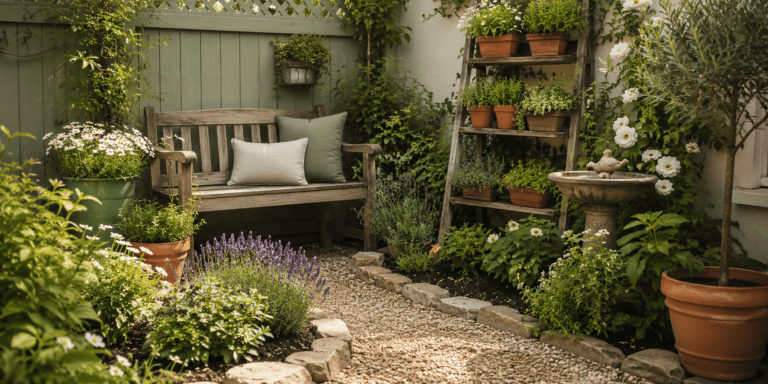
21 Inspiring Garden Types: Find Your Perfect Style
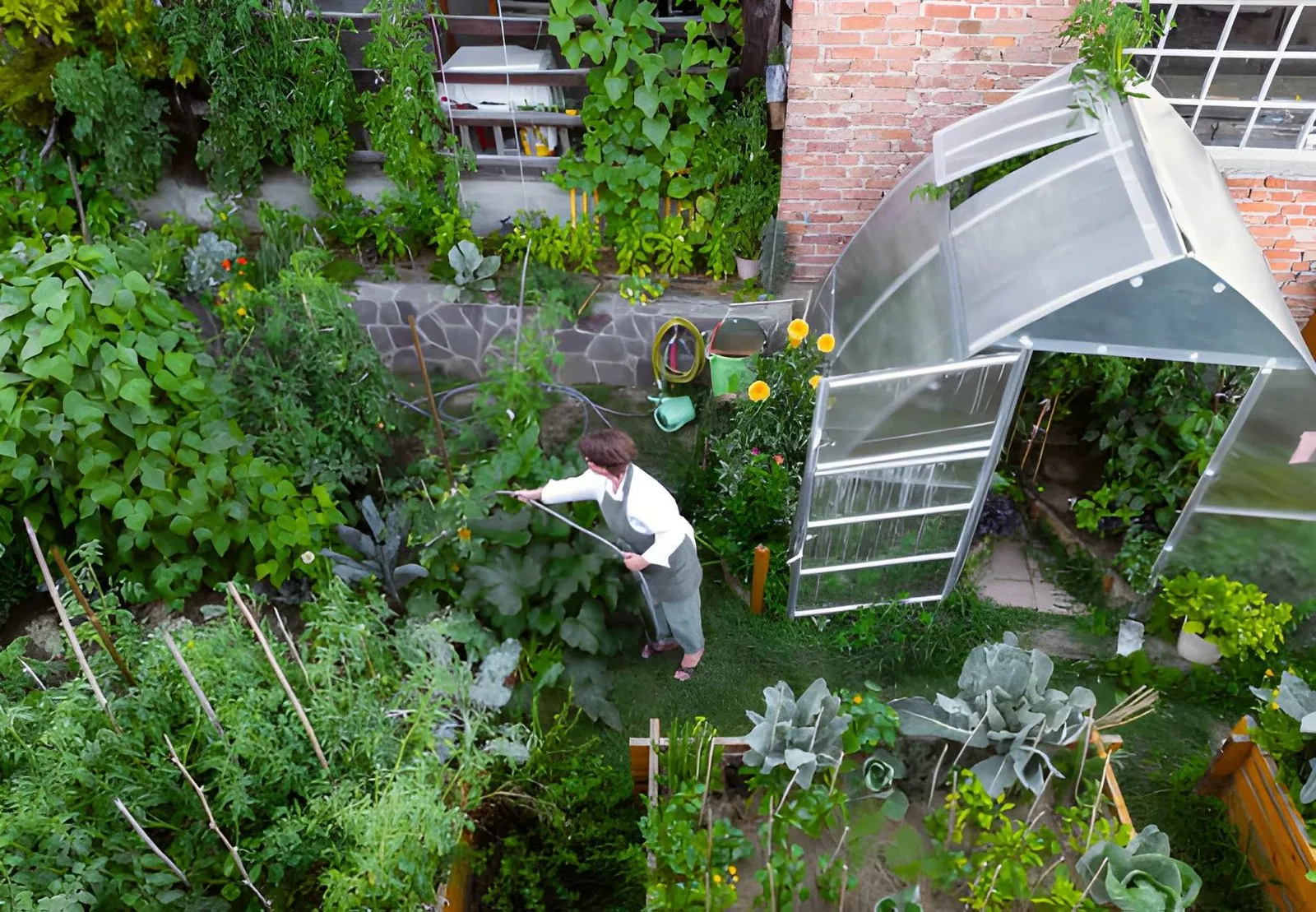
Garden types can be organized by what they produce, how they look, where they grow or what practical problem they solve. A vegetable garden produces food, a cottage garden creates informal beauty, a rain garden manages runoff, and a container garden brings plants into spaces where permanent beds are not practical.
The right choice depends on your sunlight, climate, available space, soil, water supply, budget and maintenance capacity. This guide compares 21 different garden types so you can select a realistic starting point instead of copying a design that does not suit your property or daily routine.
In Short
The main garden types include food-producing gardens, ornamental gardens, wildlife-focused gardens, water-management gardens and small-space growing systems. Beginners often find container, herb, raised-bed or modest mixed gardens easiest to manage. Choose a garden by first measuring the site, recording sunlight and drainage, identifying your main goal and deciding how much watering, pruning and seasonal replanting you can realistically maintain.
Key Takeaways
- Choose a garden by purpose and site conditions before selecting individual plants.
- Vegetable, herb, fruit and kitchen gardens focus primarily on useful harvests.
- Cottage, formal, flower and rock gardens are shaped mainly by their visual style.
- Native, pollinator, wildlife and rain gardens perform important ecological or water-management functions.
- Containers, raised beds, indoor gardens and hydroponics can make gardening possible where usable ground is limited.
How Garden Types Are Classified
Garden categories often overlap. A raised bed can hold vegetables, herbs, pollinator flowers or a formal arrangement. A cottage garden can include edible plants, while a container garden may function as a balcony herb garden.
The clearest way to classify a garden is by its primary purpose:
- Production: Vegetables, fruit, herbs or cut flowers
- Appearance: Cottage, formal, woodland, rock or flower designs
- Habitat: Native, pollinator and wildlife gardens
- Water management: Rain gardens and xeriscapes
- Space or growing method: Containers, raised beds, indoor growing and hydroponics
- Community use: Shared allotment, school or neighborhood gardens
Start by sketching the usable area in a garden planning notebook. Record its dimensions, sunlight, slopes, drainage, access routes, water source and existing plants. This simple inventory makes it easier to eliminate designs that conflict with the site.
If your property is compact, the small backyard garden ideas guide offers additional ways to combine planting, seating and circulation without overcrowding the space.
Quick Comparison of 21 Garden Types
| Garden type | Best for | Space needed | Maintenance |
|---|---|---|---|
| Vegetable garden | Growing food | Small to large | Moderate to high |
| Raised-bed garden | Defined growing soil and access | Small to medium | Moderate |
| Container garden | Patios, balconies and renters | Very small | Moderate |
| Herb garden | Culinary and aromatic plants | Very small to medium | Low to moderate |
| Kitchen garden | Mixed food near the home | Small to medium | Moderate |
| Fruit garden | Berries, vines and fruit trees | Small to large | Moderate to high |
| Flower garden | Seasonal color and ornament | Any size | Variable |
| Cottage garden | Informal layered planting | Small to large | Moderate |
| Formal garden | Symmetry and structure | Medium to large | High |
| Woodland garden | Shady properties | Small to large | Low to moderate |
| Native-plant garden | Locally adapted planting | Any size | Moderate during establishment |
| Pollinator garden | Nectar, pollen and habitat | Very small to large | Moderate |
| Wildlife garden | Food, water and shelter for wildlife | Small to large | Moderate |
| Rain garden | Managing runoff | Site-dependent | Moderate |
| Xeriscape | Water conservation | Any size | Moderate initially |
| Rock garden | Well-drained ornamental planting | Small to medium | Low to moderate |
| Sensory garden | Touch, scent, sound, color and taste | Any size | Variable |
| Cut-flower garden | Flowers for arrangements | Small to large | Moderate to high |
| Indoor garden | Houseplants and indoor herbs | Very small | Low to moderate |
| Hydroponic garden | Soilless indoor or outdoor growing | Very small to medium | Moderate to high |
| Community garden | Shared food and neighborhood space | Shared site | Depends on participation |
21 Inspiring Garden Types to Consider
1. Vegetable Garden
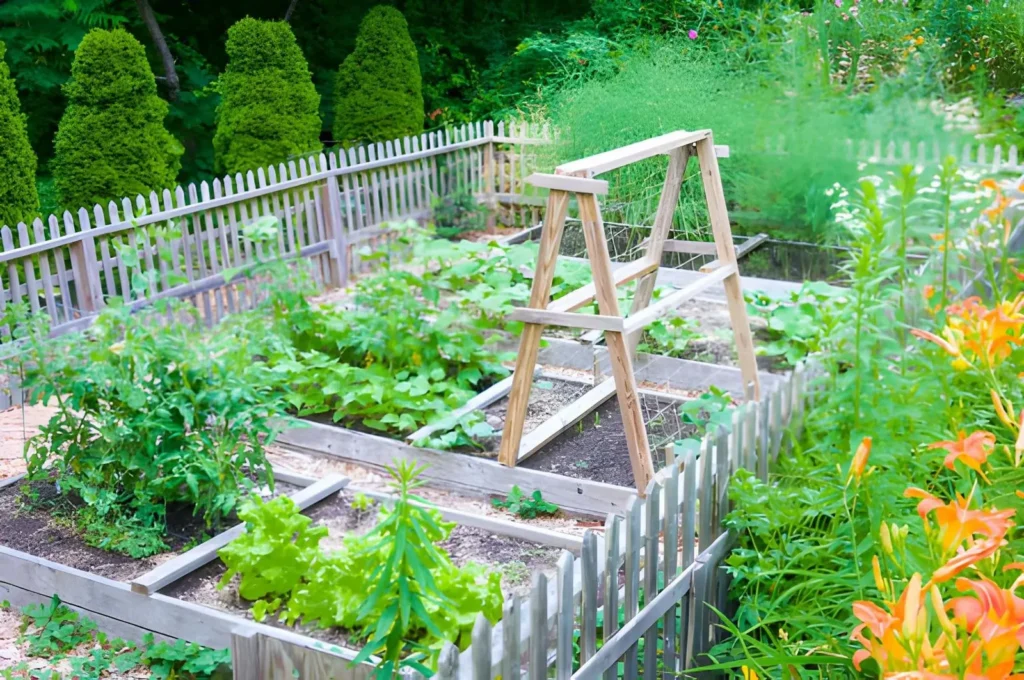
A vegetable garden is designed primarily to produce edible crops. It may consist of traditional rows, intensive beds, containers or a combination of growing areas.
Most fruiting vegetables need generous sunlight, dependable water and fertile, well-drained soil. Maintenance includes sowing, transplanting, watering, weeding, monitoring pests and harvesting. Begin with a manageable selection from these easy vegetables for beginners rather than planting every available crop.
2. Raised-Bed Garden
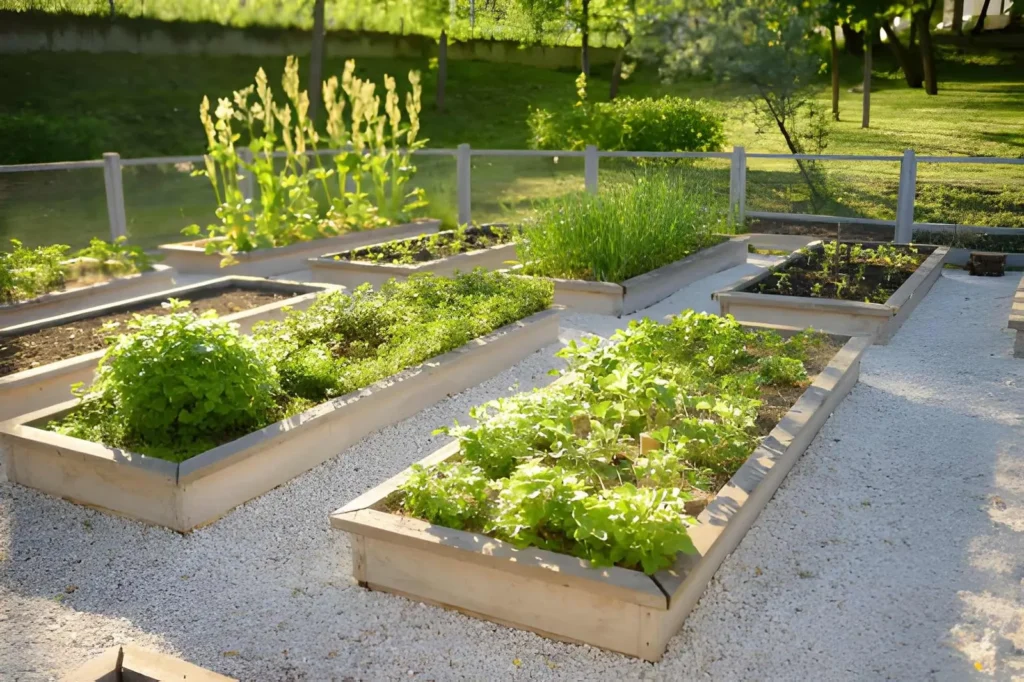
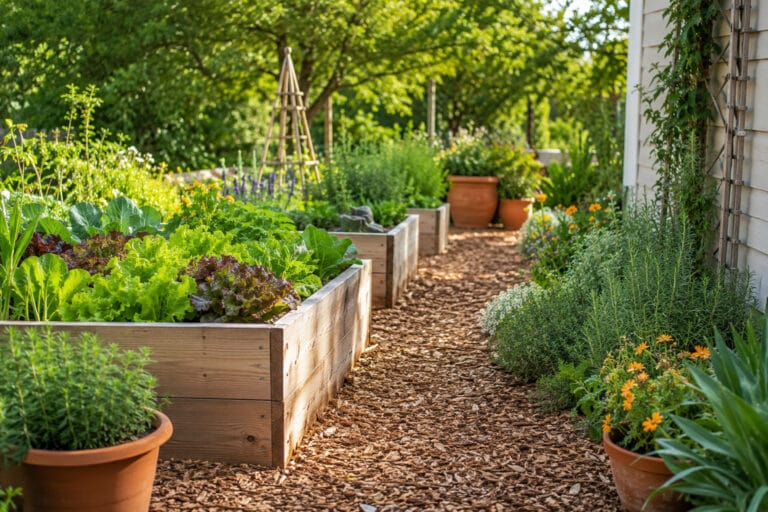
A raised-bed garden places the growing soil above the surrounding grade inside a defined frame or mound. It is useful where native soil is compacted, access needs to be improved or planting areas require clearer organization.
A prefabricated raised garden bed kit can reduce construction time, but the material, dimensions and fasteners still need to suit outdoor exposure. Review Dreamsteading’s raised-bed gardening guide before choosing bed width, soil depth and pathway spacing.
3. Container Garden
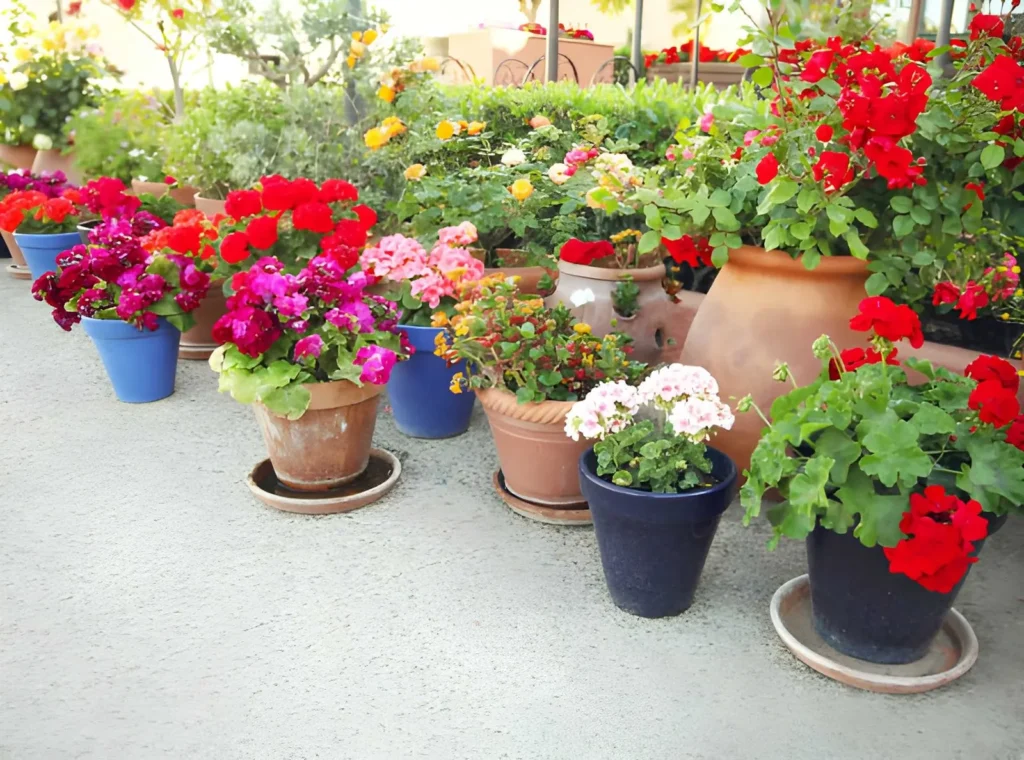
Container gardening makes flowers, herbs, vegetables and compact fruit plants possible on patios, balconies, steps and other hard surfaces. Every container needs appropriate drainage, stable placement and a potting medium designed for containers rather than heavy garden soil.
Containers dry faster than most in-ground beds. Large pots or self-watering planters can reduce watering pressure, although reservoirs still require monitoring. The plant-pot design guide can help you coordinate containers without sacrificing drainage or plant health.
4. Herb Garden
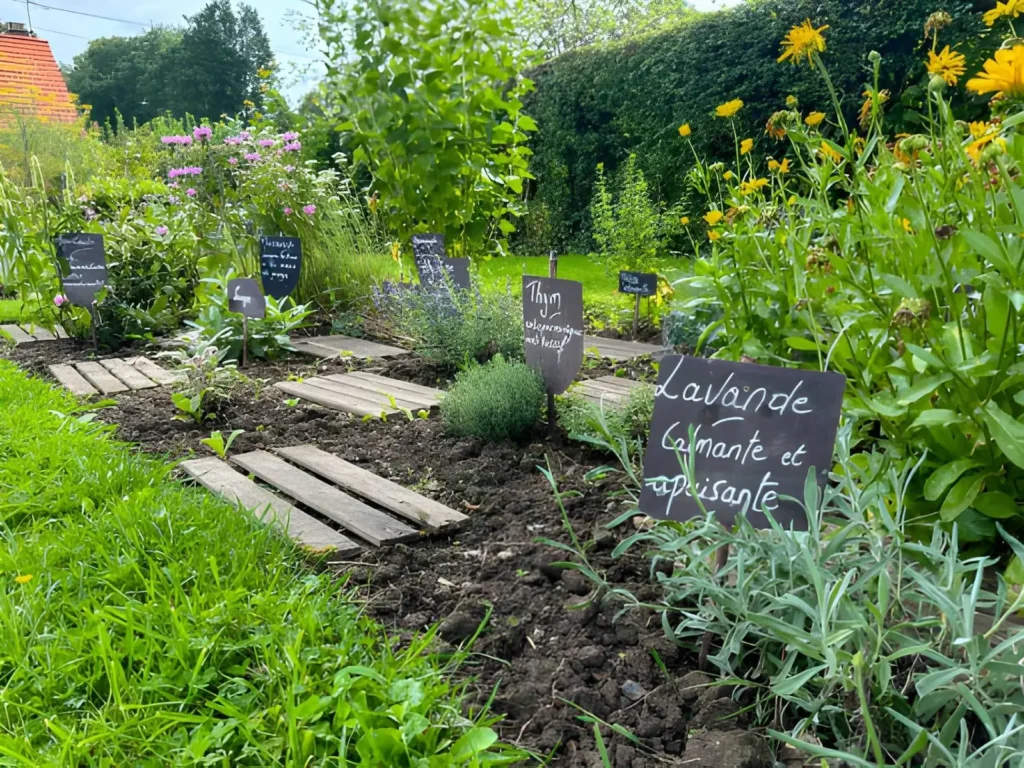
An herb garden contains culinary, aromatic, medicinal or ornamental herbs. It can occupy a permanent bed, a sunny border, a collection of containers or a window area.
Group herbs according to compatible sunlight, moisture and soil requirements rather than placing every species together. Mint, for example, may need containment because of its spreading habit. Explore these practical herb garden ideas for layouts suited to both small and larger spaces.
5. Kitchen Garden or Potager
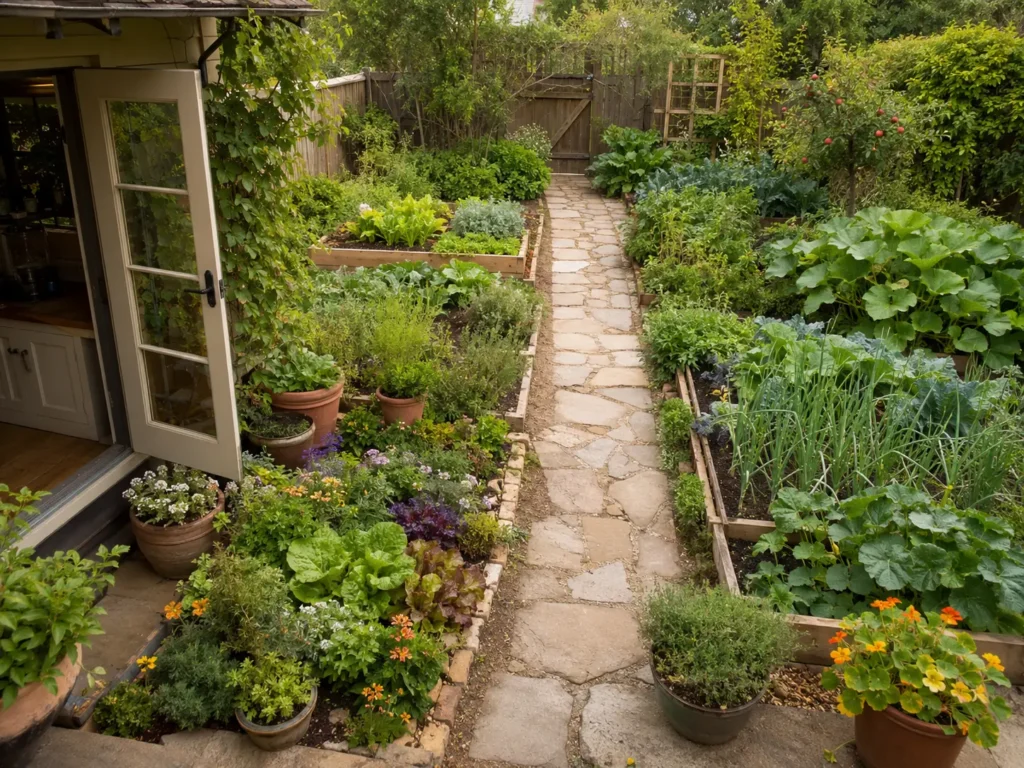
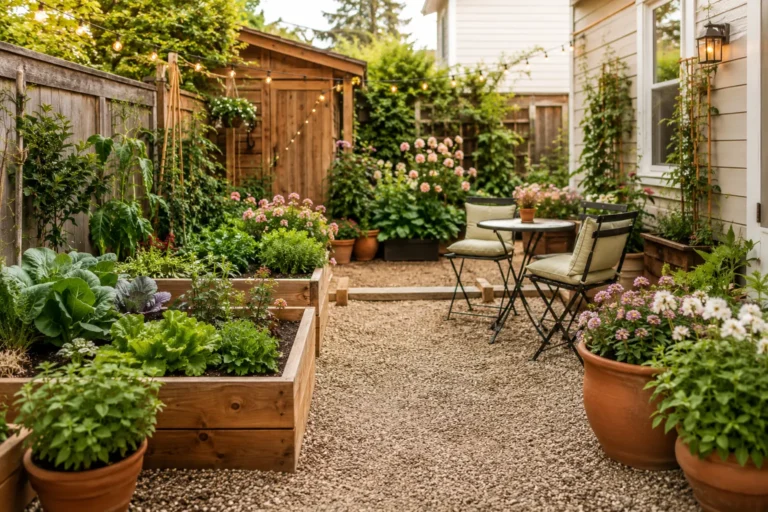
A kitchen garden combines vegetables, herbs, edible flowers and sometimes compact fruit close to the home. A potager adds stronger visual organization through paths, repeated shapes, edging and attractive crop combinations.
The goal is frequent household use rather than maximum production of one crop. Place regularly harvested herbs and greens near convenient access, then reserve less accessible areas for crops that require fewer visits.
6. Fruit Garden
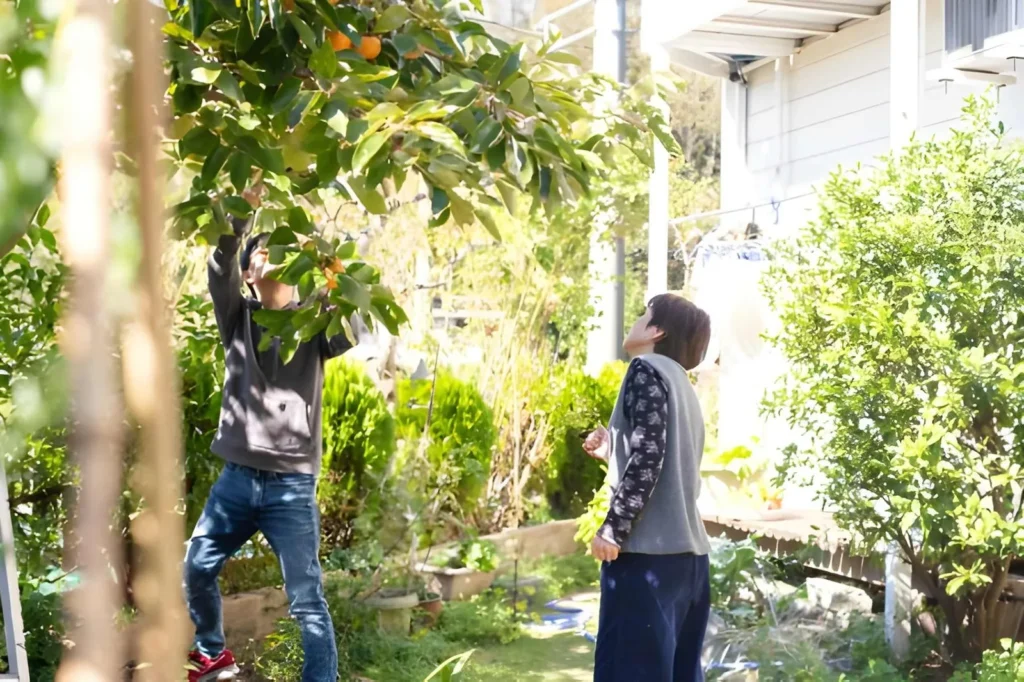
A fruit garden may include berries, grapes, dwarf fruit trees or espaliered plants. Unlike annual vegetable beds, many fruit plants require a multiyear commitment and may need pruning, training, pest management and compatible pollination partners.
Confirm mature dimensions, chill requirements, disease resistance and climate suitability before planting. Position long-lived plants where they will not shade vegetable beds or obstruct future access.
7. Flower Garden
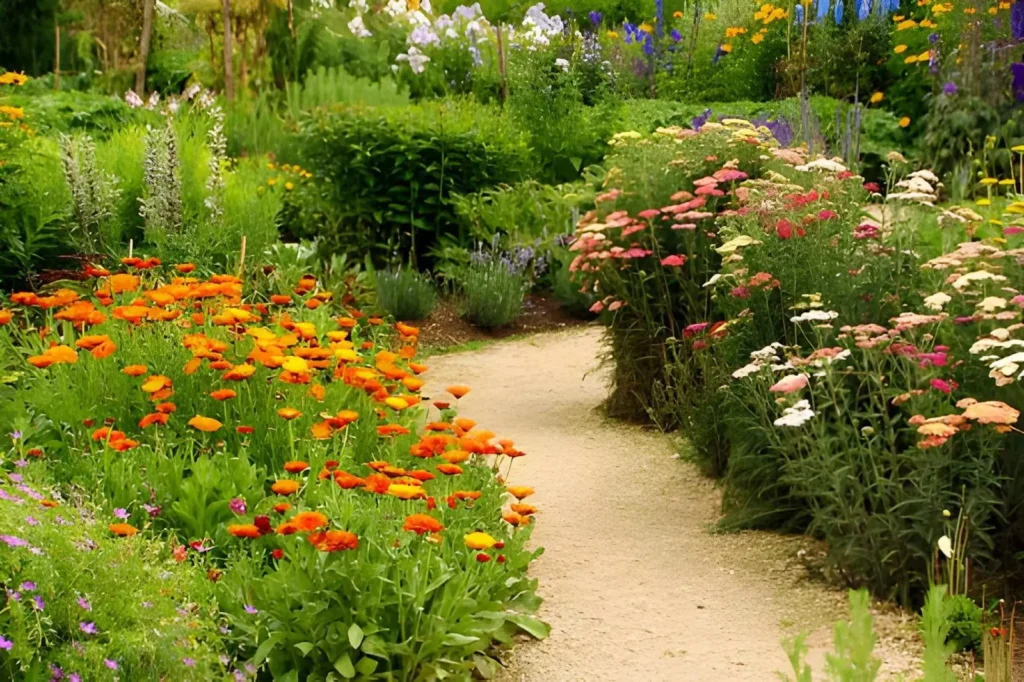
A flower garden is grown mainly for ornamental color, form, fragrance and seasonal interest. It may use annuals, perennials, bulbs, flowering shrubs or a combination of plant groups.
Plan for more than peak summer color. Combine plants with different flowering periods, foliage textures and winter structures so the bed remains useful throughout the year. Match every plant to the actual sunlight, drainage and climate.
8. Cottage Garden
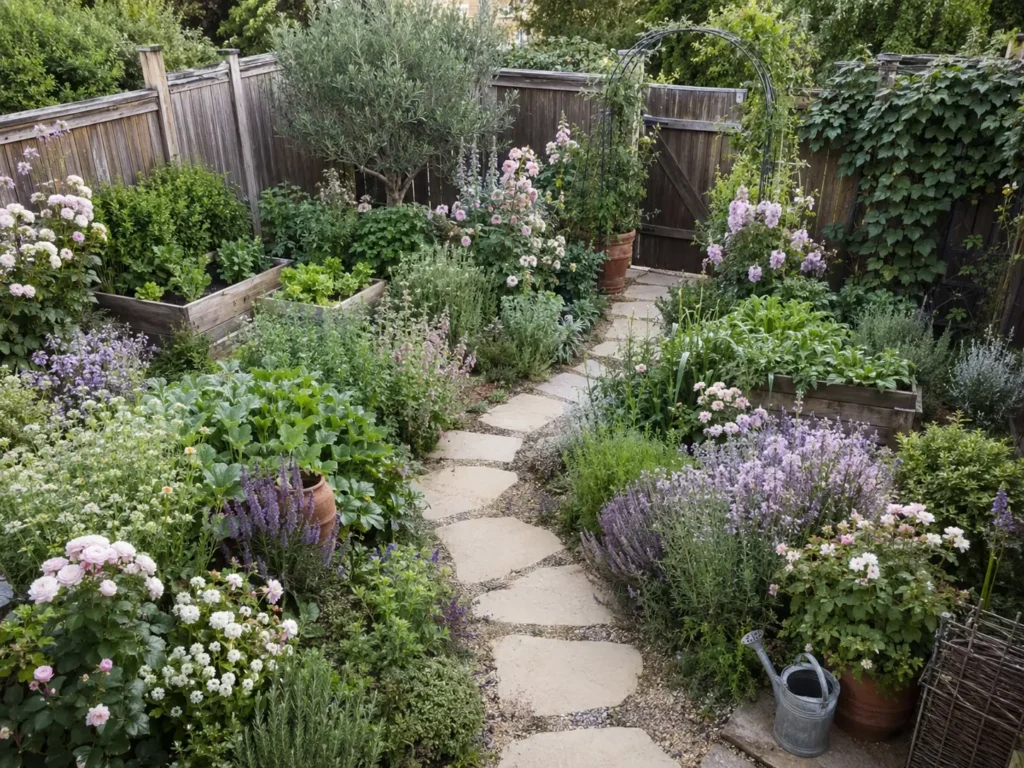
A cottage garden uses informal, layered planting with flowers, herbs, vegetables, vines and shrubs growing in generous groups. Paths, gates, arches and modest fences often provide structure beneath the abundant planting.
Informal does not mean unplanned. Mature height, airflow, pathway clearance and spreading behavior still matter. Repeat a limited palette of colors or plant forms to prevent a small cottage garden from appearing chaotic.
9. Formal Garden
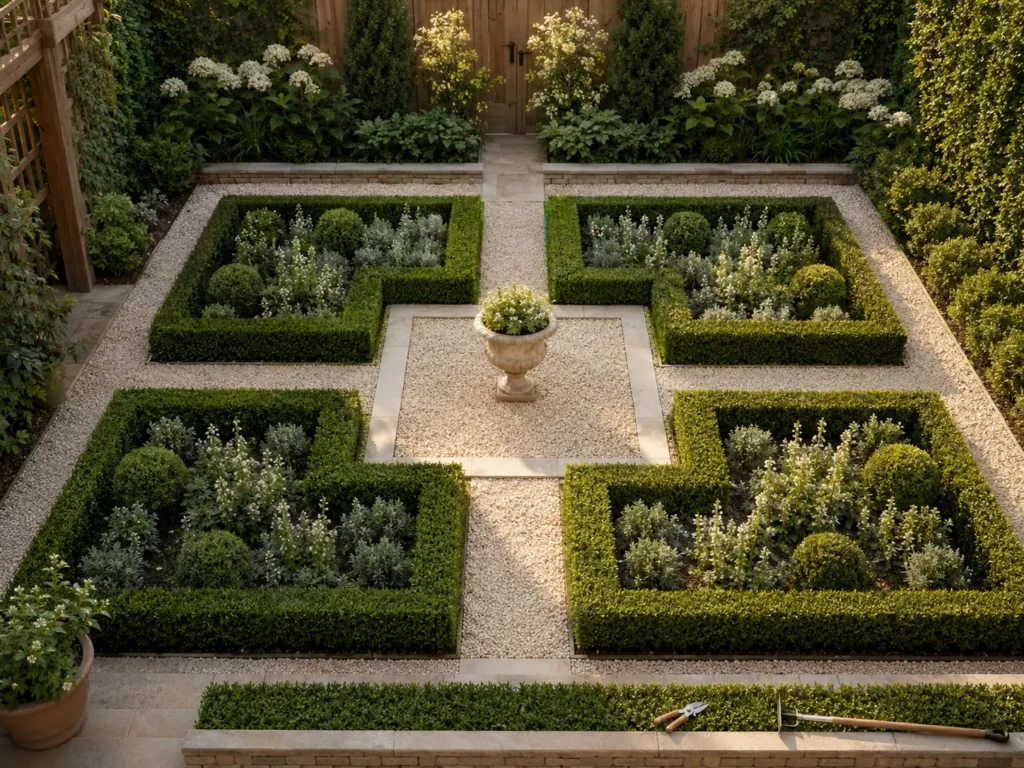
A formal garden emphasizes symmetry, straight axes, balanced proportions, clipped edges and repeated geometric shapes. Hedges, paths, focal points and carefully aligned beds establish the design.
This style can look calm and organized, but it often demands frequent trimming, edging and replacement to preserve its intended geometry. A small symmetrical entrance garden is more manageable than attempting a large formal landscape immediately.
10. Woodland or Shade Garden
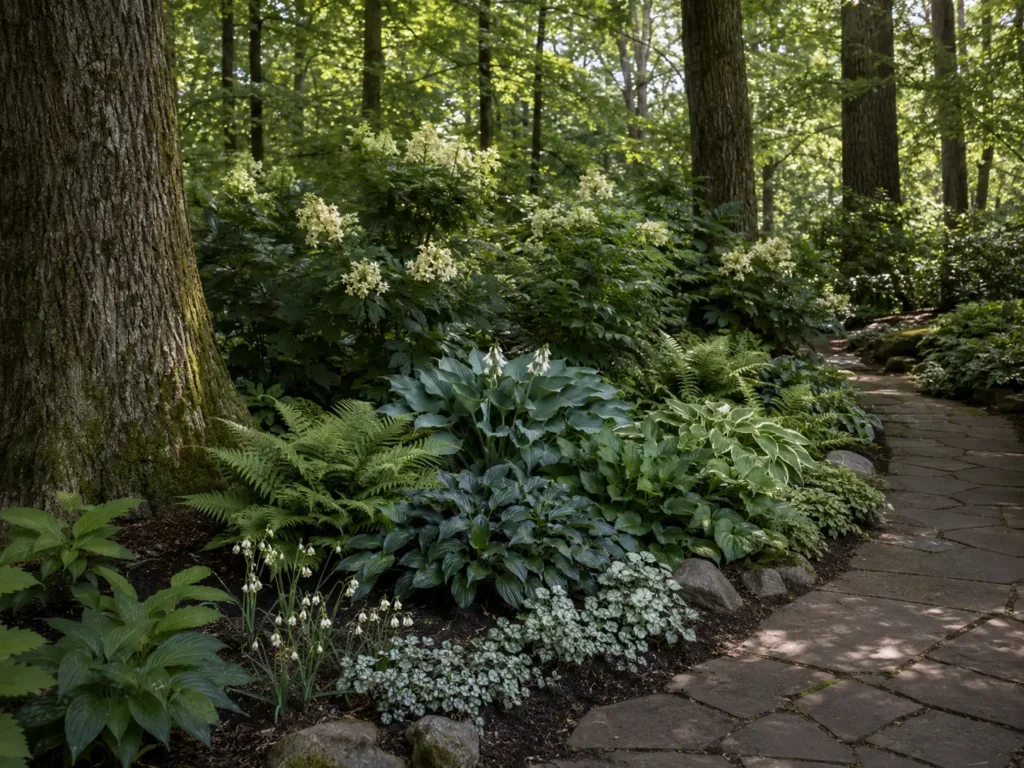
A woodland garden uses shade-tolerant trees, shrubs, perennials, groundcovers and bulbs to create layered planting beneath or beside tree canopies.
Shade levels change across the day and season. Tree roots also compete for moisture and nutrients, so avoid damaging major roots when preparing the site. Use containers where root competition makes in-ground planting impractical.
11. Native-Plant Garden
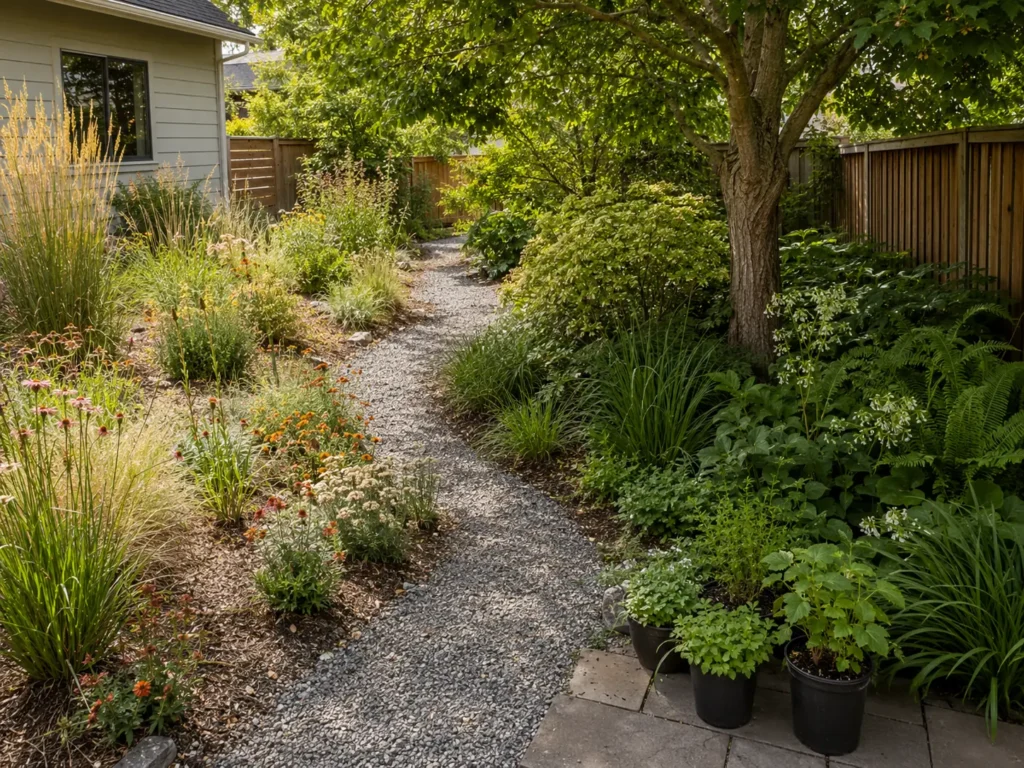
A native-plant garden emphasizes species native to the local ecological region. Properly selected native plants can contribute food, shelter and host-plant relationships for local wildlife.
Native status alone does not guarantee that a plant suits every property. Match each species to the site’s soil, moisture, sunlight and available space, and obtain plants from responsible sources rather than collecting them from wild populations.
12. Pollinator Garden
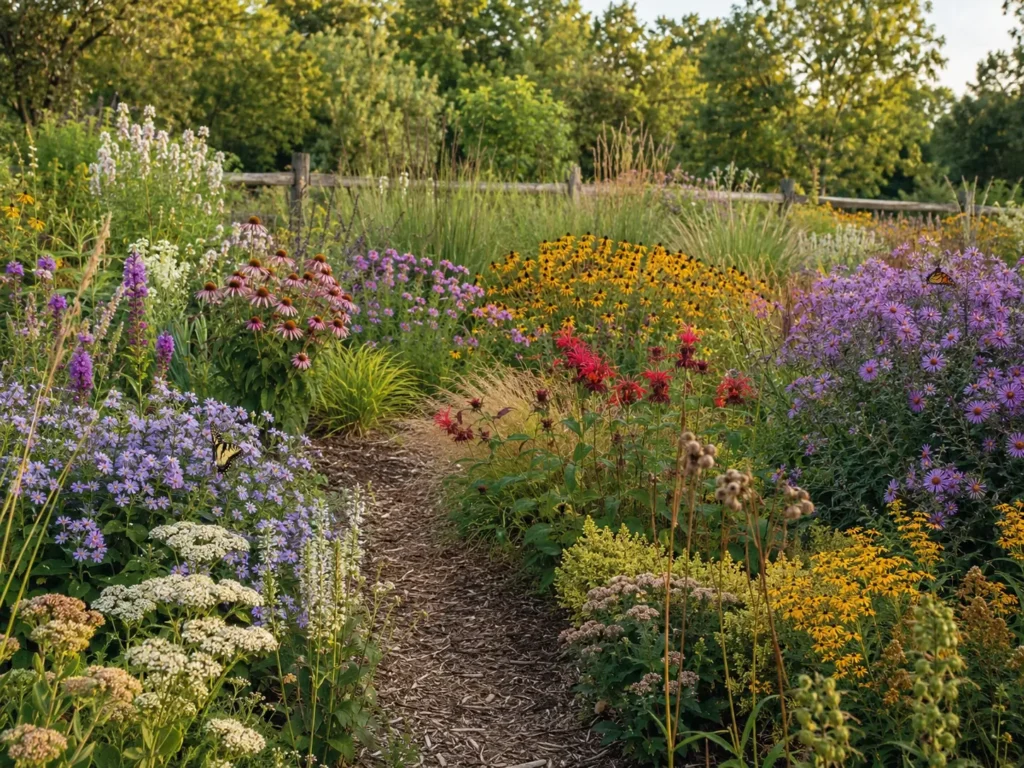
A pollinator garden supplies nectar, pollen, shelter and, where possible, larval host plants. Include varied flower shapes and overlapping bloom periods instead of relying on one brief seasonal display.
USDA guidance recommends locally appropriate native plants and groups of flowers that bloom at different times. Avoid unnecessary pesticide use and leave some protected stems, grasses or ground areas where local pollinators can shelter or nest.
13. Wildlife Garden
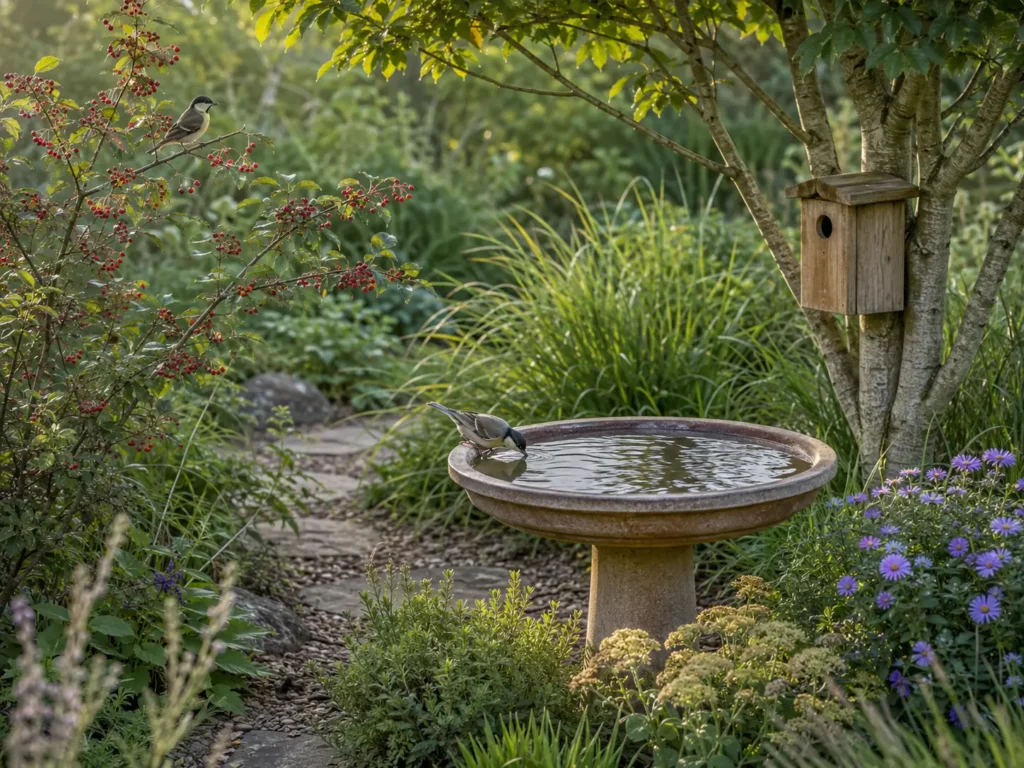
A wildlife garden provides a combination of food, water, cover and nesting opportunities. It may include native trees, berry-producing shrubs, dense grasses, flowers and a responsibly maintained water source.
Choose which wildlife you intend to support before changing the landscape. Features that attract birds and pollinators may also attract browsing animals. Protect food crops and avoid allowing standing water to become a mosquito-breeding problem.
14. Rain Garden
A rain garden is a shallow planted depression that receives runoff from a roof, driveway or other surface and allows water to soak into the ground. The EPA notes that rain gardens can reduce runoff while filtering some pollutants and providing habitat.
Location and sizing require careful planning. Keep the garden away from building foundations, septic systems and unsuitable slopes. Locate underground utilities before digging and obtain local guidance where stormwater rules or poorly draining soil complicate the project.
15. Xeriscape or Water-Wise Garden
Xeriscaping is water-conscious landscape design, not a garden made only from rocks and cactus. Its principles include thoughtful planning, suitable soil preparation, limited turf, efficient irrigation, climate-appropriate plants, mulch and ongoing maintenance.
Group plants with similar water needs and direct irrigation toward their root zones. A properly designed drip irrigation kit may improve control in planted beds, but it still needs pressure regulation, inspection and seasonal adjustment.
16. Rock or Alpine Garden
A rock garden uses stone, gravel and compact plants adapted to sharp drainage. Alpine gardens are a specialized version intended for small plants associated with mountainous environments.
The stones should appear structurally connected to the site rather than scattered across the surface. Avoid covering heavy, poorly drained soil with gravel and assuming drainage has been corrected. Plant crowns must remain protected from persistent moisture.
17. Sensory Garden
A sensory garden uses plants and materials that engage sight, scent, touch, sound and, where safe, taste. Oregon State University Extension notes that sensory design can help a wider range of people engage with a garden.
Use contrasting textures, fragrant herbs, moving grasses and clearly identified edible plants. Avoid toxic, thorny or irritating species in areas intended for close contact, and provide stable paths and reachable planting heights where accessibility is a priority.
18. Cut-Flower Garden
A cut-flower garden is organized to produce stems for arrangements. It commonly includes annual flowers, bulbs, foliage plants and selected perennials planted in accessible rows or blocks.
Plan for succession, stem length, vase life and repeated harvesting. Unlike a display border, a cutting bed will regularly contain gaps where stems have been removed. Place it where production matters more than continuous ornamental appearance.
19. Indoor Garden
An indoor garden may consist of houseplants, herbs, microgreens, seedlings or compact edible crops. Light is usually the main limitation, followed by drainage, humidity, temperature and pest monitoring.
Choose plants for the light you can actually provide rather than their appearance in a store. Dreamsteading’s indoor plants for beginners guide explains practical options for starting with a manageable collection.
20. Hydroponic Garden
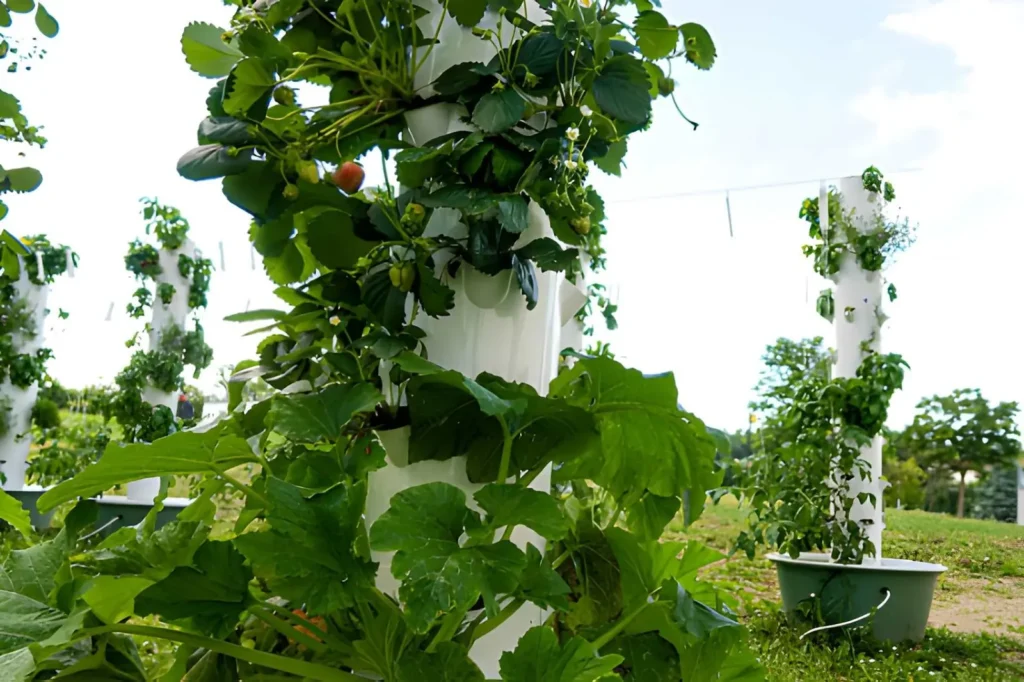
Hydroponics grows plants without soil by supplying water, oxygen and a carefully managed nutrient solution. Small systems can grow greens and herbs indoors or outdoors where conventional beds are unavailable.
An indoor hydroponic growing system can simplify lighting and circulation, but it does not eliminate maintenance. Water quality, nutrient concentration, pH, sanitation, temperature, root health and equipment reliability still require regular attention.
21. Community or Allotment Garden
A community garden divides shared land into individual or cooperative growing areas. These gardens can improve access to food production, outdoor activity, gardening knowledge and neighborhood connections.
Success depends on clear rules for plot assignment, water, tools, pathways, compost, pesticides, neglected plots and end-of-season cleanup. Confirm membership requirements and restrictions before purchasing plants or constructing permanent features.
How to Choose the Right Garden Type
- Define the main purpose. Decide whether food, appearance, wildlife, relaxation, stormwater control or accessibility matters most.
- Measure the space. Record bed dimensions, pathways, entrances and overhead or underground restrictions.
- Map sunlight. Observe the site at several times of day instead of relying on one quick inspection.
- Evaluate drainage. Note where water collects, where soil dries quickly and how runoff moves through the property.
- Confirm the water source. Consider hose reach, irrigation restrictions and how often containers or new plants will need attention.
- Set a maintenance limit. Include watering, pruning, weeding, harvesting, cleanup and seasonal replacement.
- Check local rules. Review rental agreements, homeowners’ association restrictions, utility locations, permits and water regulations where relevant.
- Start with one zone. Build a successful small garden before expanding into several unrelated projects.
The small garden design tips guide can help you organize vertical space, circulation, containers and focal points after choosing your primary garden type.
Can You Combine Different Garden Types?
Most home landscapes benefit from combining compatible types. A raised vegetable bed can sit beside a pollinator border. Containers can add herbs near the kitchen, while a rain garden handles runoff in a lower part of the property.
The key is to give each area a clear purpose and repeat a few materials, colors or plant forms across the property. This creates visual continuity without forcing every plant into the same bed.
Benefits
- Different areas can serve food, wildlife, beauty and water-management goals.
- Small specialized zones are often easier to adapt than one large uniform garden.
- Combining garden types can extend seasonal interest and make better use of sun and shade.
Considerations
- Too many unrelated styles can make a small property appear fragmented.
- Each additional garden system adds watering, maintenance and storage requirements.
- Plants with incompatible soil or moisture needs should not be forced into one irrigation zone.
Common Garden-Planning Mistakes
- Choosing by appearance alone: A beautiful reference garden may have different light, soil, climate and maintenance resources.
- Ignoring mature plant size: Young plants can quickly block paths, windows, utilities and neighboring plants.
- Starting several types at once: Multiple new systems create competing watering, soil and maintenance demands.
- Using the wrong soil in containers: Heavy garden soil can restrict drainage and root aeration.
- Underestimating water: Containers, new native plants and newly installed xeriscapes still require establishment watering.
- Forgetting access: Beds should remain reachable for planting, harvesting, pruning and repairs.
- Assuming low-water means no maintenance: Xeriscapes still need weed control, irrigation inspection and plant management.
- Neglecting local conditions: Native status, hardiness-zone labels and online photographs do not replace local site evaluation.
Frequently Asked Questions About Garden Types
Which garden type is easiest for a beginner?
A small container, herb or raised-bed garden is often manageable because the growing area is defined. The easiest option still depends on sunlight, water access and how frequently you can inspect the plants.
Which garden type works best in a small backyard?
Container gardens, vertical gardens, compact raised beds, herb gardens and mixed borders work well in limited spaces. Preserve enough room for walking, watering and maintenance instead of filling every available surface.
What is the difference between a cottage garden and a formal garden?
A cottage garden uses informal, densely layered planting, while a formal garden relies on symmetry, geometry, repetition and controlled edges. Cottage gardens appear looser but still require planning and maintenance.
Is a native garden automatically low maintenance?
No. Native plants need appropriate placement, establishment watering, weed control and periodic management. Once established in suitable conditions, some may require fewer inputs than poorly adapted plants.
Can a vegetable garden also support pollinators?
Yes. Include suitable flowering herbs, native flowering plants or dedicated pollinator strips without allowing them to compete excessively with crops. Provide blooms across the season and avoid unnecessary pesticide exposure.
Does a rain garden remain wet all the time?
A properly designed rain garden temporarily receives runoff and then allows it to infiltrate. It is not intended to function as a permanent pond. Soil, size, slope and outlet conditions must be evaluated before installation.
Can renters create a productive garden?
Yes. Containers, portable trellises and freestanding shelves can support herbs, greens and compact vegetables without permanent landscape changes. Confirm balcony loads, drainage rules and rental restrictions before setting up heavy containers.
Choose One Garden Type and Start Small
The best garden types are those that match their site and continue to serve a clear purpose after the first season. A small productive herb garden is more useful than an ambitious design that cannot be watered or maintained consistently.
Choose one primary goal, measure the space and build a realistic first section. Once that area is established, you can connect it to another compatible garden type through repeated materials, plants, paths or colors.
Related Dreamsteading Articles
- 25 Small Backyard Garden Ideas
- Small Garden Design Tips
- Raised Bed Gardening Guide
- Herb Garden Ideas
- Balcony Herb Garden
Sources and Further Reading
- US Environmental Protection Agency: Rain Gardens — explains how planted depressions collect runoff and allow water to infiltrate.
- USDA Natural Resources Conservation Service: The Importance of Pollinators — supports diverse flowers, seasonal bloom and native-plant selection.
- Colorado State University Extension: Xeriscaping — outlines the seven water-wise landscaping principles.
- University of Minnesota Extension: Container Gardening for Small Spaces — supports container drainage, potting media and small-space growing guidance.
- University of Minnesota Extension: Small-Scale Hydroponics — explains the basic requirements and limitations of soilless growing.
- Oregon State University Extension: Gardens Are for Everyone — supports sensory-garden and accessible-gardening guidance.