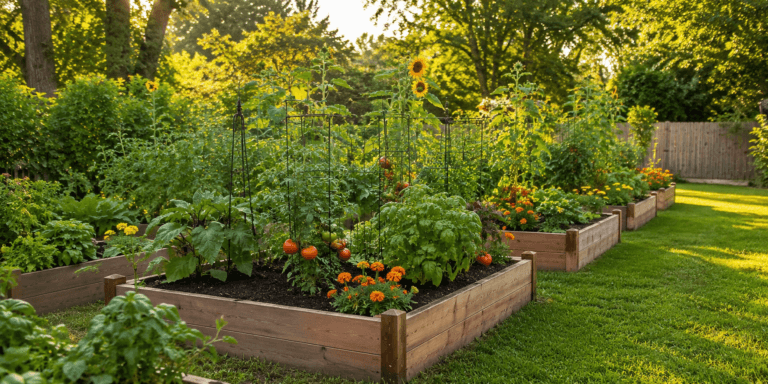
How to Harden Off Seedlings Step by Step: 10 Mistakes to Avoid
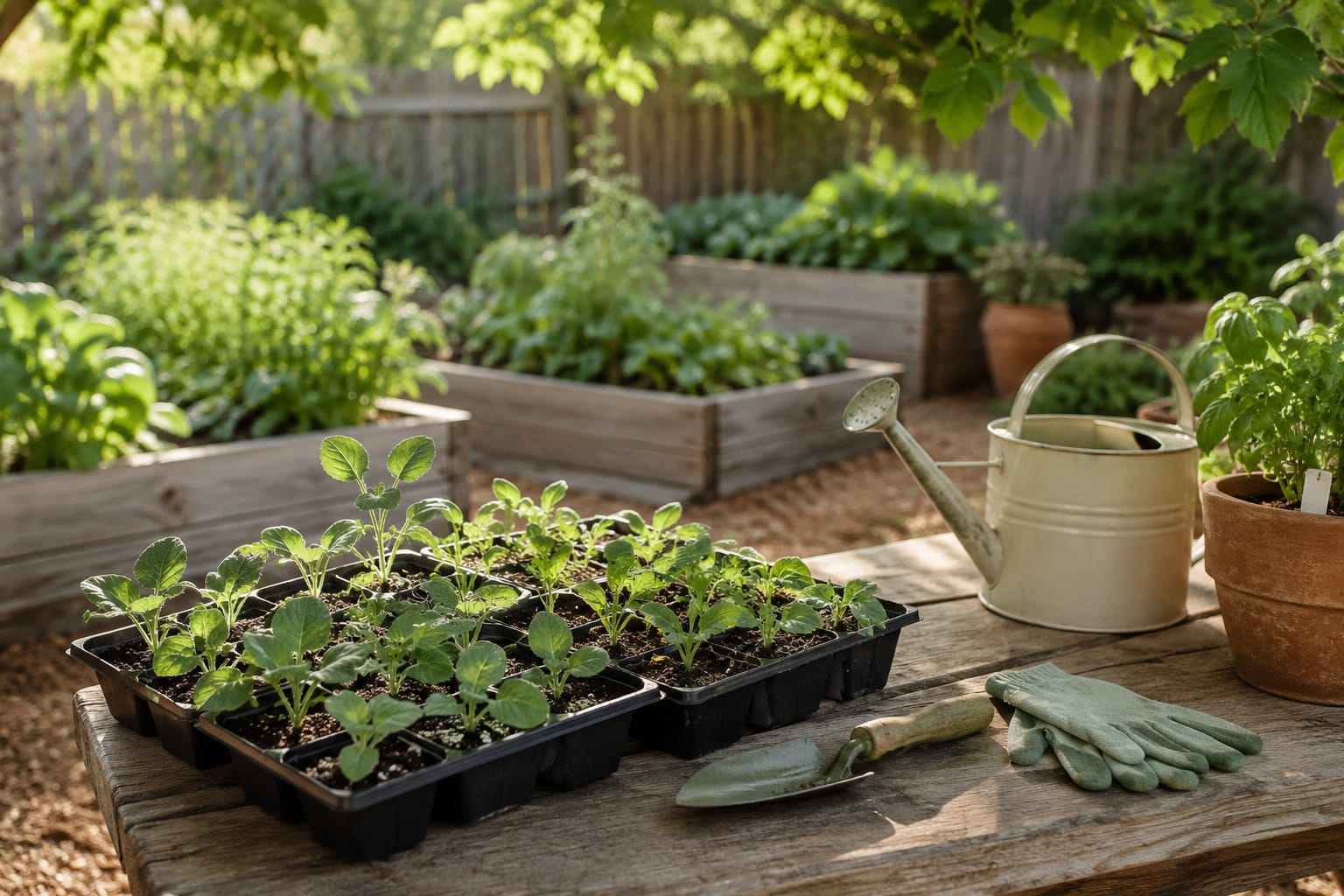
How to harden off seedlings is one of the most important skills to learn before transplanting young plants into the garden.
Seedlings grown indoors are protected from strong sun, wind, cold nights, and sudden temperature changes. They may look healthy under grow lights, but that does not mean they are ready to go straight into a raised bed or garden row.
If you move seedlings outside too quickly, they can wilt, burn, stop growing, or die from transplant shock.
The good news is that hardening off is simple once you understand the process. You only need a little patience, a protected outdoor spot, and a gradual schedule.
If you started your plants indoors, you may also want to read Seed Starting Indoors for Healthy Seedlings before transplanting.
Affiliate Disclosure
This post may contain affiliate links. If you buy through these links, Dreamsteading may earn a small commission at no extra cost to you. We only recommend practical gardening tools and supplies that fit a beginner-friendly homesteading lifestyle.
What Does Hardening Off Seedlings Mean?
Hardening off seedlings means slowly helping indoor-grown plants adjust to outdoor conditions.
Inside, seedlings live in a gentle environment. The light is controlled. The temperature is steady. There is no strong wind. The soil dries more slowly.
Outside, everything changes.
Seedlings must handle direct sunlight, wind, cooler nights, warmer afternoons, rain, and stronger air movement. Hardening off gives them time to build strength before they are planted into the garden permanently.
Think of it as training your seedlings for outdoor life.
Why Hardening Off Seedlings Matters
Skipping this step is one of the most common beginner gardening mistakes.
A seedling can look strong indoors but still be too soft for outdoor conditions. The leaves can burn in direct sun. Stems can bend in wind. Roots can struggle after a sudden temperature change.
Hardening off helps reduce:
- Transplant shock
- Sunburned leaves
- Wilting
- Broken stems
- Stunted growth
- Seedling loss after planting
This step is especially important for tomatoes, peppers, basil, cucumbers, squash, flowers, and other tender plants started indoors.
When to Start Hardening Off Seedlings
Start hardening off seedlings about 7 to 14 days before transplanting.
Do not begin too early if the weather is still cold or unstable. Tender seedlings should not be placed outside during freezing temperatures, strong wind, heavy rain, or very cold days.
Before starting, seedlings should have:
- Several true leaves
- A healthy root system
- Sturdy stems
- Moist but not soggy soil
- No serious signs of disease or weakness
Choose a mild day to begin. A cloudy or lightly shaded day is perfect.
Step-by-Step Hardening Off Schedule
This simple schedule works well for most beginner gardeners. Adjust it based on your weather, plant type, and how your seedlings respond.
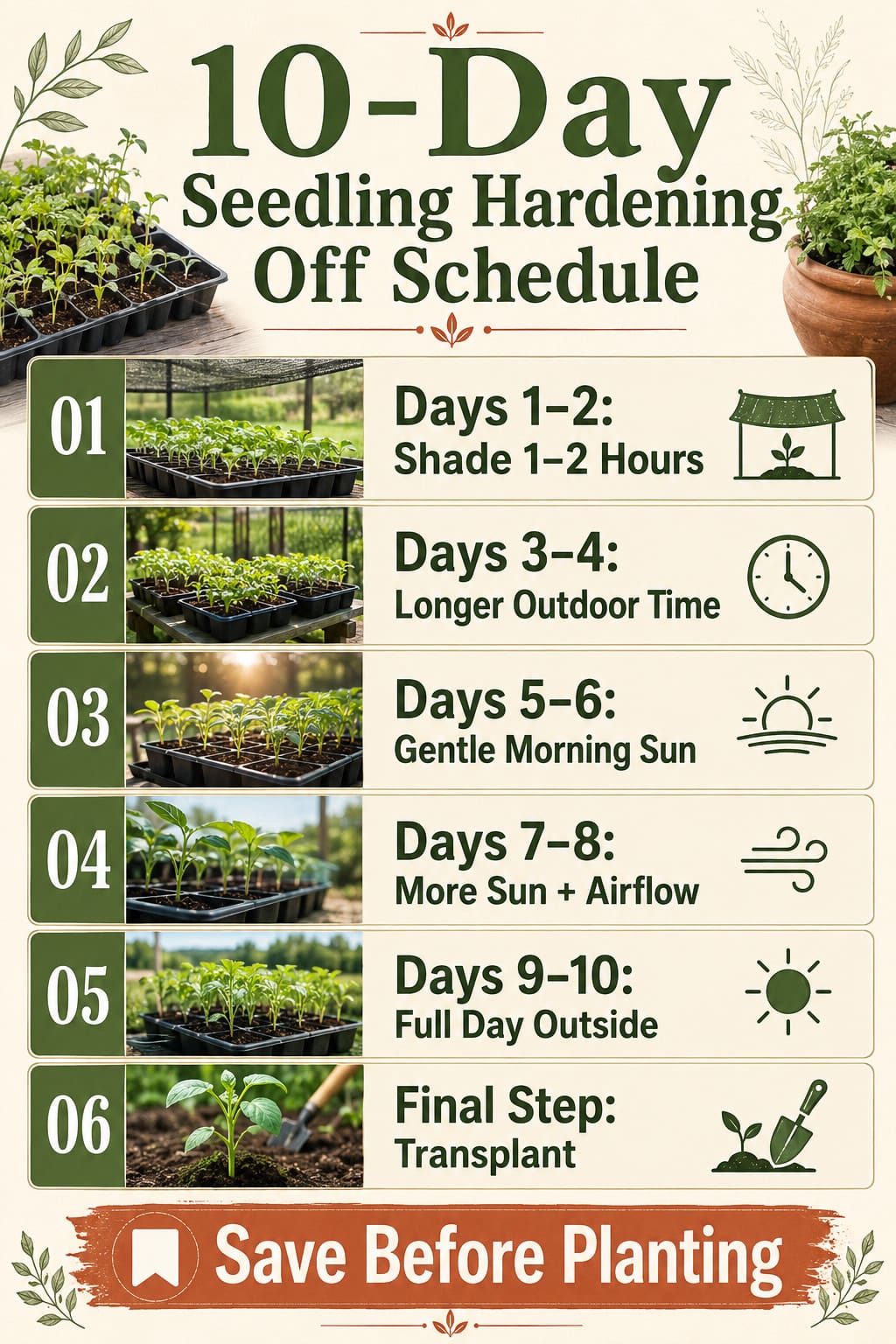
Day 1–2: Start in Shade for 1–2 Hours
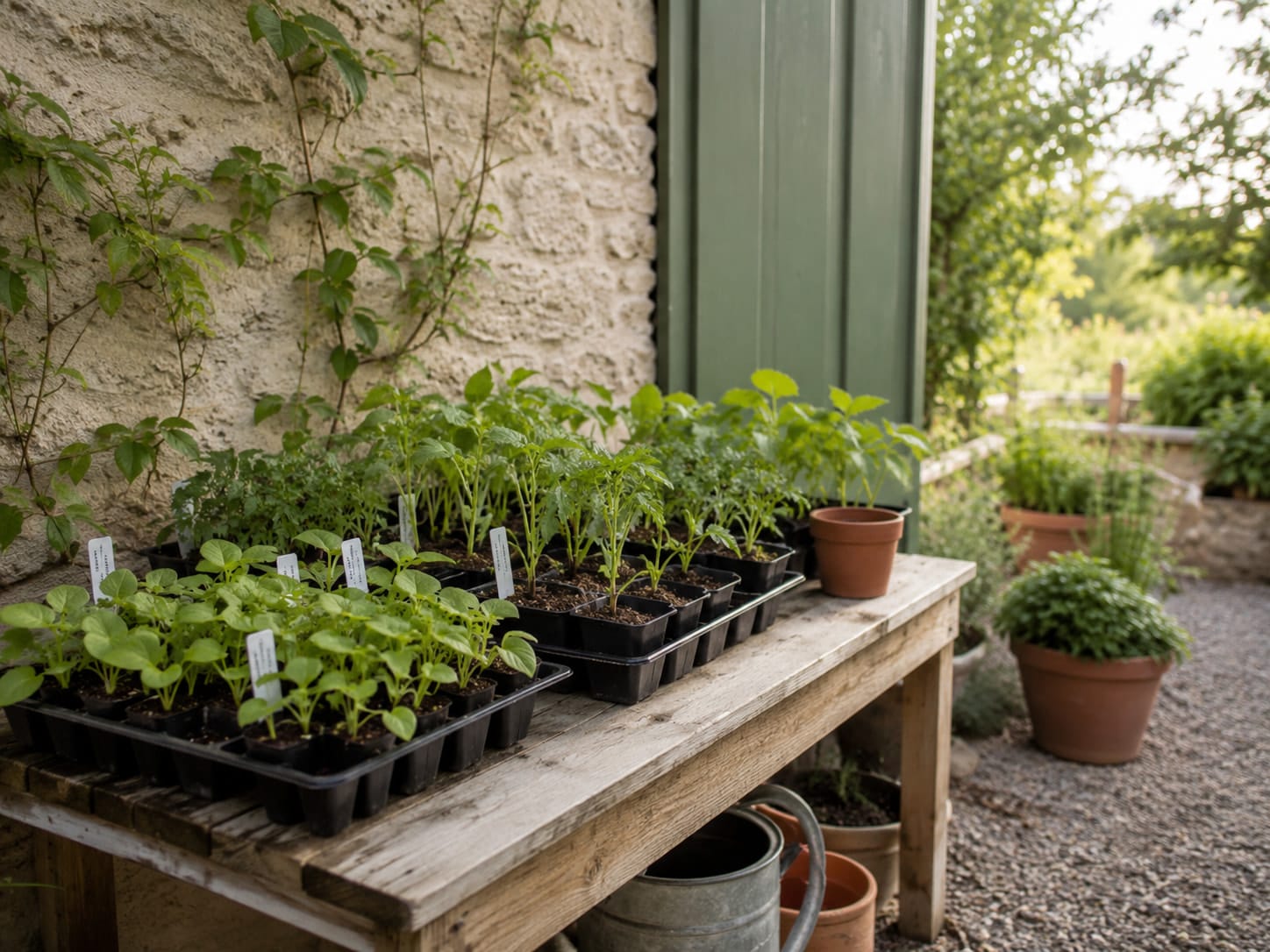
Place seedlings outside in a protected shady spot for 1 to 2 hours.
Avoid direct sun. Avoid wind. Avoid placing trays on hot concrete or metal surfaces.
A covered porch, shaded patio, or spot beside a wall can work well.
Bring the seedlings back inside after their short outdoor session.
Day 3–4: Increase Outdoor Time
Move seedlings outside for 2 to 4 hours.
Keep them mostly in shade or gentle filtered light.
Watch the leaves closely. If they wilt badly, curl, or look stressed, bring them back inside and slow down the schedule.
The goal is gradual adjustment, not forcing the plants to “toughen up” too quickly.
Day 5–6: Add Gentle Morning Sun
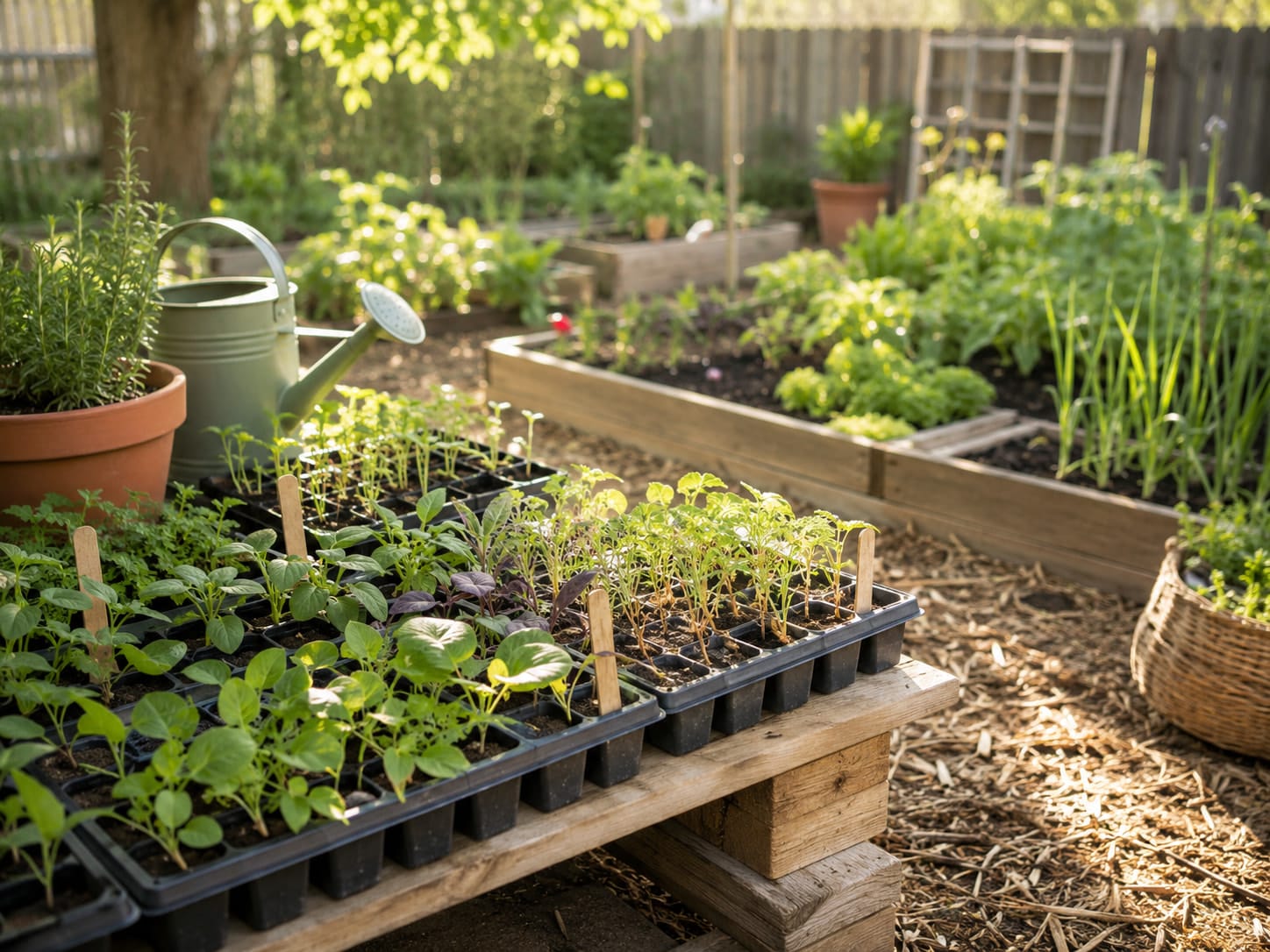
Give seedlings a little morning sun, then move them back to shade.
Morning sun is softer than afternoon sun and is usually easier for young plants to handle.
Avoid hot midday sun at this stage. Even one harsh afternoon can scorch tender leaves.
Day 7–8: Increase Sun and Outdoor Exposure
By now, seedlings can usually stay outside for much of the day if the weather is mild.
Give them more sun gradually, but still protect them from strong wind and sudden weather changes.
Check soil moisture often. Seedling trays dry out faster outdoors than they do indoors.
A gentle watering can, small hose setting, or bottom watering tray can help avoid knocking seedlings over.
Day 9–10: Leave Outside Longer
If seedlings look strong, leave them outside for most of the day.
They should be standing upright, holding their color, and recovering well after outdoor exposure.
If nighttime temperatures are mild enough for the crop, you can leave them outside overnight in a protected spot.
Do not leave tender warm-season crops outside on cold nights.
Final Day: Transplant Into the Garden
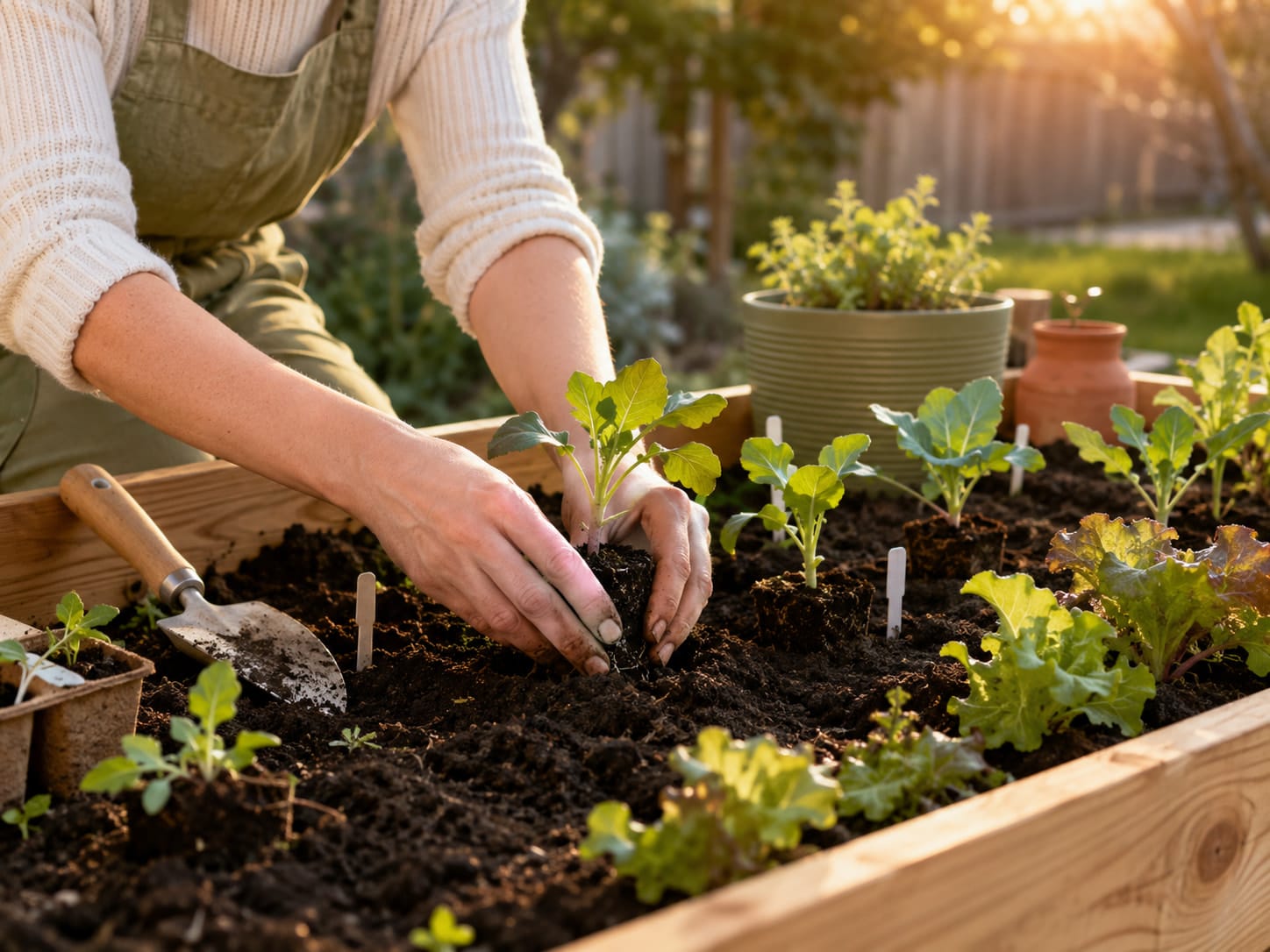
Transplant seedlings on a cloudy day, in the evening, or during a cooler part of the day.
Water them before transplanting. Handle roots gently. Plant them into prepared soil, then water deeply.
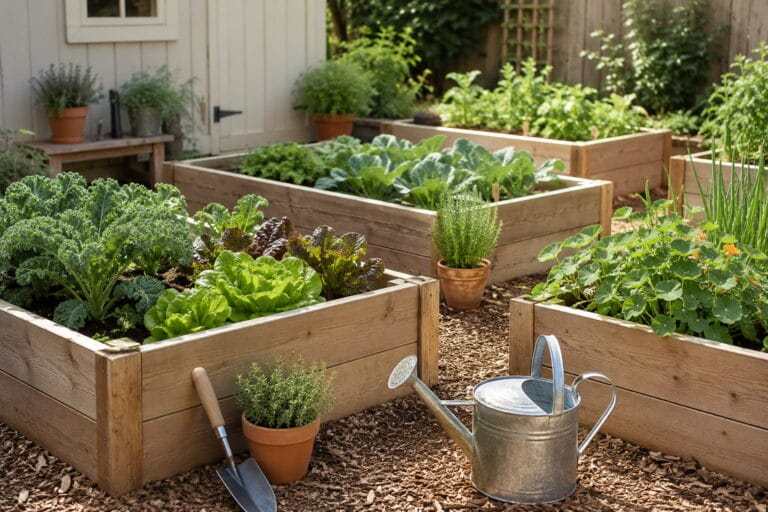
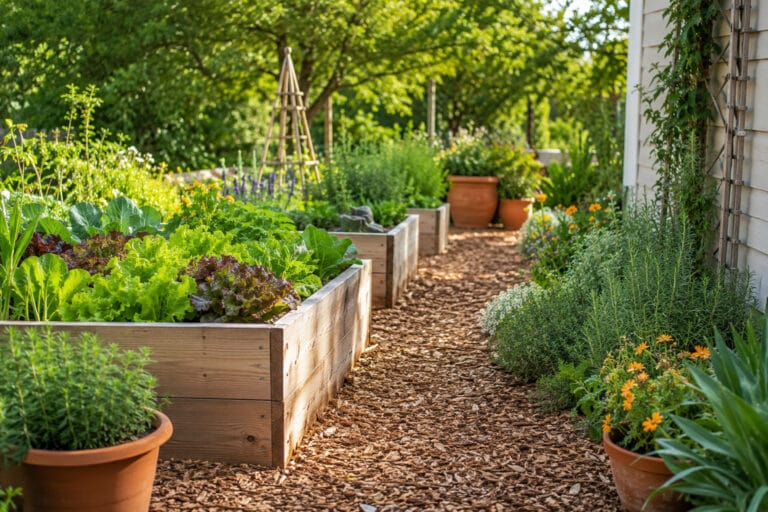
If you are planting into raised beds, prepare the soil and layout before transplant day. Follow my beginner’s guide to building raised garden beds to create a stable planting space with suitable drainage and access.
10 Mistakes to Avoid When Hardening Off Seedlings
1. Moving Seedlings Straight Into Full Sun
Indoor-grown seedlings are not ready for direct sun all day.
Start in shade, then add morning sun slowly.
2. Forgetting About Wind
Wind can dry out seedlings quickly and bend weak stems.
Choose a protected spot at first. Gradually expose plants to more airflow.
3. Starting on a Harsh Weather Day
Do not start hardening off during strong wind, heavy rain, extreme heat, or cold temperatures.
A mild, calm day is best.
4. Letting Seedlings Dry Out
Outdoor air and sun dry small containers quickly.
Check moisture every day, especially during warm weather.
5. Leaving Seedlings Outside Overnight Too Soon
Night temperatures can drop quickly.
Bring seedlings inside at night until they are strong enough and the weather is safe for that crop.
6. Rushing the Process
Hardening off usually takes about a week or more.
Rushing can cause shock and slow growth after transplanting.
7. Putting Trays on Hot Surfaces
Concrete, stone, and metal can heat up fast.
Place trays on a bench, wood surface, plant stand, or shaded ground.
8. Ignoring Plant Type
Cool-season crops like cabbage and broccoli can usually handle cooler conditions better than tomatoes, peppers, basil, cucumbers, and squash.
Tender warm-season crops need more protection.
9. Transplanting Immediately After Stress
If seedlings wilt badly or get sunburned, wait before transplanting.
Give them time to recover indoors or in shade.
10. Forgetting Protection After Planting
Hardening off helps, but new transplants may still need protection.
Use row cover, shade cloth, or a simple cloche if the weather changes suddenly.
What to Do If Seedlings Wilt During Hardening Off
A little temporary wilting can happen, especially on warm days.
Bring seedlings back into shade and check the soil moisture. If the soil is dry, water gently.
If the soil is already moist, the plant may simply be stressed by sun, wind, or temperature. Give it a break and continue more slowly the next day.
Do not fertilize stressed seedlings immediately. Let them recover first.
If leaves turn white, crispy, or papery, that is likely sunscald. The damaged leaves may not recover, but the plant can still survive if the growing tip is healthy.
Quick Hardening Off Checklist
Before transplanting, make sure your seedlings have:
- Spent several days outside gradually
- Handled morning sun
- Experienced gentle wind
- Stayed upright without severe wilting
- Been protected from cold nights
- Been watered consistently
- Recovered well after outdoor exposure
- Spent at least one full day outside in mild conditions
If most of these are true, your seedlings are likely ready for the garden.
FAQ About Hardening Off Seedlings
How long does it take to harden off seedlings?
Most seedlings need about 7 to 10 days. Some tender plants may need closer to two weeks, especially if indoor conditions were very protected.
Can I skip hardening off seedlings?
It is not recommended. Skipping hardening off can cause sunburn, wilting, transplant shock, and slow growth.
Should seedlings be hardened off in shade or sun?
Start in shade. Then gradually add gentle morning sun before exposing seedlings to longer periods of direct sunlight.
Can seedlings stay outside overnight?
Only when the weather is mild enough for that crop and the seedlings have already adjusted to outdoor conditions.
What temperature is too cold for seedlings?
It depends on the crop. Tender plants like tomatoes, peppers, basil, cucumbers, and squash need warmer conditions than cool-season crops. When in doubt, bring seedlings inside at night.
Should I water seedlings before hardening off?
Yes. Seedlings should be moist before going outside, but not sitting in soggy soil.
Final Thoughts
Hardening off seedlings may feel like an extra step, but it can make a big difference in your garden.
After weeks of caring for seedlings indoors, the last thing you want is to lose them during transplanting.
Go slowly. Start in shade. Add sun gradually. Watch the weather. Keep the soil moist. Protect your seedlings from cold, wind, and stress.
Once your plants are hardened off, they will be much better prepared to grow strong roots, handle outdoor conditions, and settle into the garden with less shock.
A little patience now can give you healthier plants and a better harvest later.