How to Start Homesteading in an Apartment
Learning how to start homesteading in an apartment is less about owning land and more about building practical skills. You can grow a few foods, cook from basic ingredients, preserve what you use, organize a useful pantry, reduce waste, make simple repairs, and prepare your household for disruptions. Apartment homesteading will not include every rural activity, but it can still make your daily life more capable, resourceful, and connected to the things you consume.
In Short
Start apartment homesteading with one small, repeatable system: grow herbs, cook more meals from pantry staples, organize food storage, learn basic repairs, reduce household waste, or build a simple emergency kit. Choose projects that fit your lease, available light, storage space, budget, and daily routine. You do not need acreage, livestock, or expensive equipment to begin.
Key Takeaways
- Apartment homesteading focuses on useful household skills, not property size.
- Grow only what your light, space, and schedule can support consistently.
- Check your lease and building rules before making changes to a balcony, installing fixtures, or storing bulky materials.
- Build a pantry around foods you already cook and rotate supplies regularly.
- Use tested guidance for food preservation and safe practices for emergency preparation.
What Apartment Homesteading Actually Means
Apartment homesteading is the practice of becoming more self-reliant within a small rented space. It can include growing herbs on a windowsill, cooking economical meals, storing food well, preserving small seasonal purchases, repairing household items, keeping reusable supplies organized, and preparing for short power or water disruptions.
It does not require you to raise chickens, install solar panels, keep bees, can hundreds of jars, or turn every square foot into a garden. In fact, trying to copy a large rural homestead in a small apartment often creates clutter, wasted money, and frustration.
The best approach is to begin with skills that solve an immediate problem. If groceries spoil before you use them, improve meal planning and freezer organization. If you rely on takeout because cooking feels difficult, learn five simple pantry meals. If you have a sunny window, grow herbs you already buy. These modest systems create real progress when they are repeated.
For the wider picture, the Homesteading for Beginners guide shows how food growing, preservation, practical home skills, and preparedness connect over time.
Start With Your Space, Lease, and Daily Routine
Your apartment is the starting point for every decision. Before buying containers, shelves, appliances, or supplies, look at the light, storage, ventilation, water access, balcony capacity, and building rules you already have.
Check your lease or ask management before hanging planters, attaching shelves, changing fixtures, placing heavy items on a balcony, keeping compost systems, or using outdoor cooking equipment. Building rules can vary widely, and safety requirements may apply to balcony storage, grilling, electrical devices, and hallway access.
Measure available areas instead of estimating. A narrow shelving unit, one kitchen cabinet, a sunny windowsill, or a small balcony can support a useful project when it stays organized. An overcrowded apartment is harder to clean, harder to maintain, and less safe during an emergency.
- Identify the brightest window and note how many hours of direct sun it receives.
- Find a dry, cool area for pantry storage away from heat sources.
- Choose a location for a small repair kit and emergency supplies.
- Keep exits, heaters, vents, smoke alarms, and electrical panels accessible.
- Use furniture, trays, and shelves that can be cleaned easily if you grow plants indoors.
Keep apartment projects renter-safe
Avoid changes that could damage the property, block exits, overload outlets, create moisture problems, or violate building rules. Do not use open flames, fuel-burning stoves, charcoal grills, or generators indoors or on a balcony unless your building and local regulations specifically allow the equipment and its use.
Grow Food in Containers and Windowsills
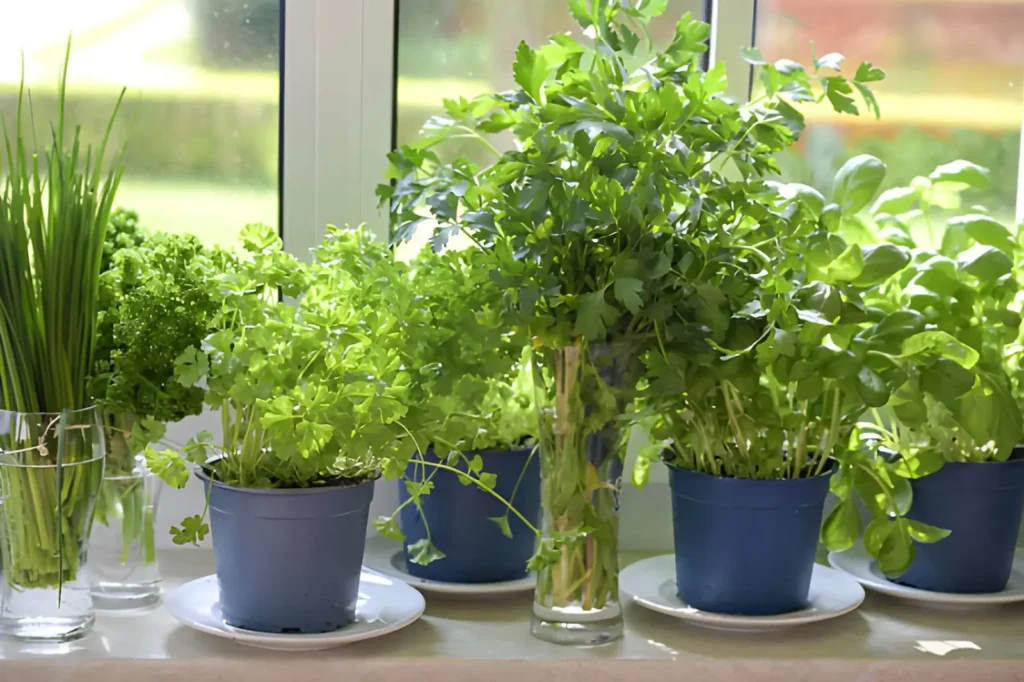
Growing food is one of the most rewarding apartment homesteading skills, but success depends on matching plants to the available light and space. Herbs, leafy greens, microgreens, sprouts, and some compact vegetables can work well in small areas. Fruiting crops such as tomatoes and peppers usually need stronger light, larger containers, regular feeding, and more room than beginners expect.
Start with herbs you use often. Basil, parsley, chives, thyme, oregano, mint, and rosemary can be productive when their light and watering needs are met. Choose containers with drainage holes, use potting mix rather than garden soil, and place saucers beneath pots to protect floors and furniture.
A balcony herb garden is an excellent first project because it is small, useful, and easy to adjust. If your apartment does not receive enough direct light, focus on low-light-tolerant houseplants, sprouts, or herbs under a suitable LED grow light rather than forcing sun-loving vegetables to struggle.
Water based on the potting mix, not a fixed calendar. Check the top inch of soil and water thoroughly when it feels dry for many common herbs and vegetables. Empty saucers after drainage has finished so roots do not remain in standing water.
For more realistic expectations about light, watering, and plant care, use the indoor plants for beginners guide. If basil is your first food crop, the beginner basil-growing guide can help you avoid common problems such as leggy growth, poor drainage, and repeated wilting.
Cook More Meals From Basic Ingredients

Cooking is often the most useful apartment homesteading skill because it creates immediate savings and reduces food waste. You do not need a large kitchen to make soups, bean dishes, roasted vegetables, sauces, breads, rice bowls, eggs, salads, and simple freezer meals.
Begin by learning a small set of flexible meals. A pot of soup can use vegetables that need to be eaten. Rice, beans, lentils, pasta, eggs, canned tomatoes, frozen vegetables, and basic seasonings can become many different meals. The goal is not to cook elaborate food every day; it is to become comfortable using the ingredients already in your kitchen.
Keep tools simple. A sharp knife, cutting board, saucepan, skillet, sheet pan, measuring spoons, storage containers, and a cast-iron skillet or other dependable pan are enough for many beginner meals. Buy specialized appliances only after you know they will be used regularly.
Choose one cooking habit to practice each week. You might prepare breakfast at home, make a double batch of soup, cook beans for several meals, or turn leftover vegetables into a frittata. Repeating one habit is more effective than attempting a complete kitchen overhaul.
Build a Small, Rotating Pantry
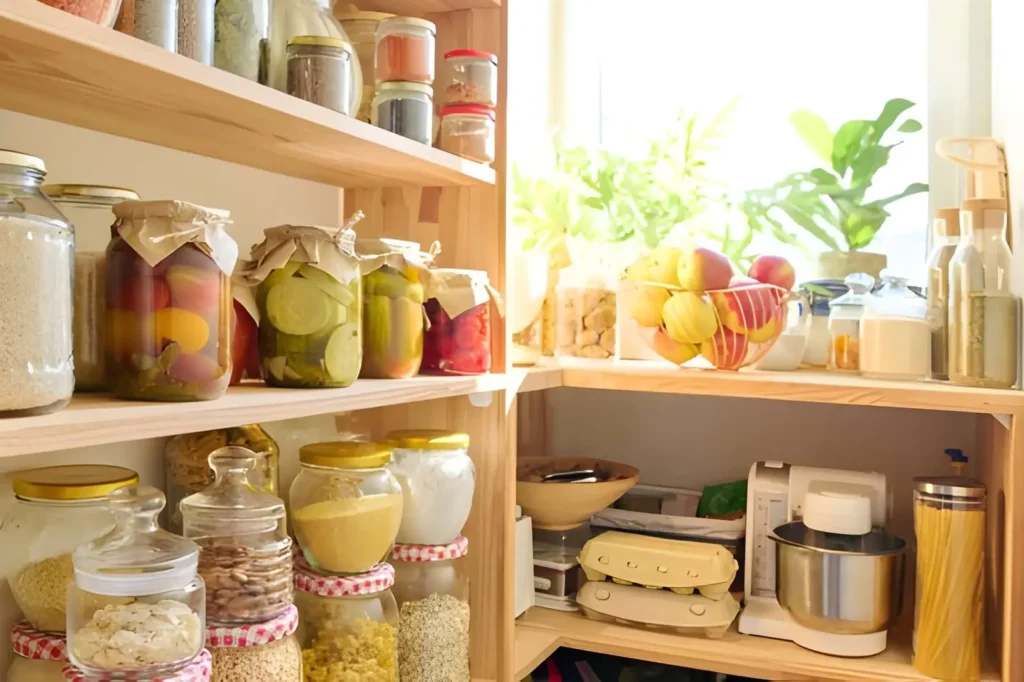
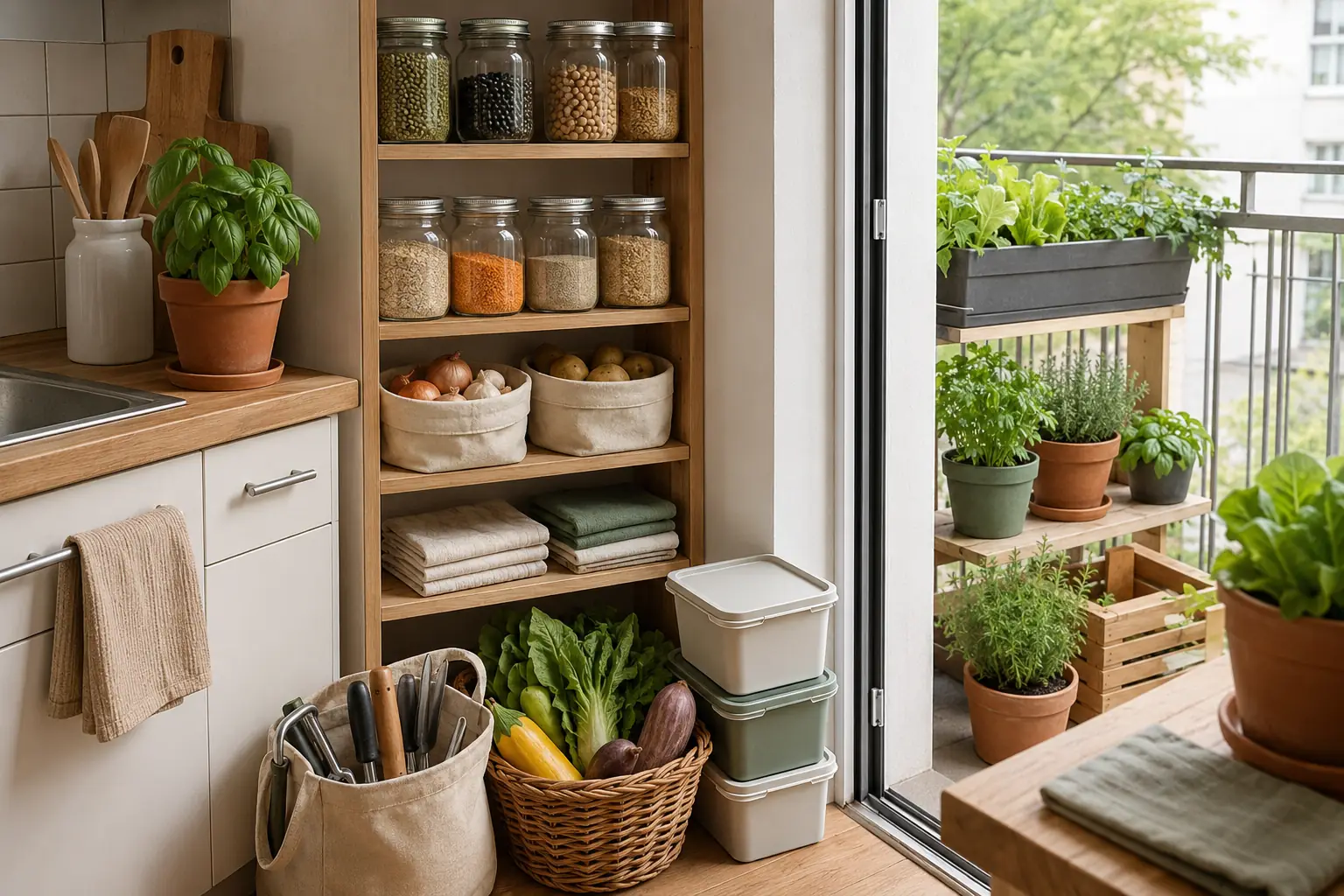
A useful pantry is not a room full of unfamiliar emergency food. It is an organized supply of ingredients, household goods, and meals your household actually uses. Start with a written list of the foods you use during a typical two-week period, then keep a modest rotating reserve of those items.
Store dry goods in clean containers or their original sealed packaging. Keep labels facing forward, place newer items behind older ones, and check for pests, broken seals, moisture, and expired products. If cabinet space is limited, use shallow bins, shelf risers, clear containers, or a narrow rolling cart that can be secured and does not obstruct pathways.
A practical apartment pantry may include grains, beans, canned tomatoes, cooking oil, seasonings, tea or coffee, shelf-stable milk alternatives if used, pasta, soups, snacks, and ingredients for several familiar meals. Add only foods you enjoy and know how to prepare.
Keep an inventory list on the inside of a cabinet door or in a simple phone note. When you finish an item, add it to the shopping list. This small habit prevents accidental duplicates and makes pantry rotation much easier.
Preserve Food on a Small Scale
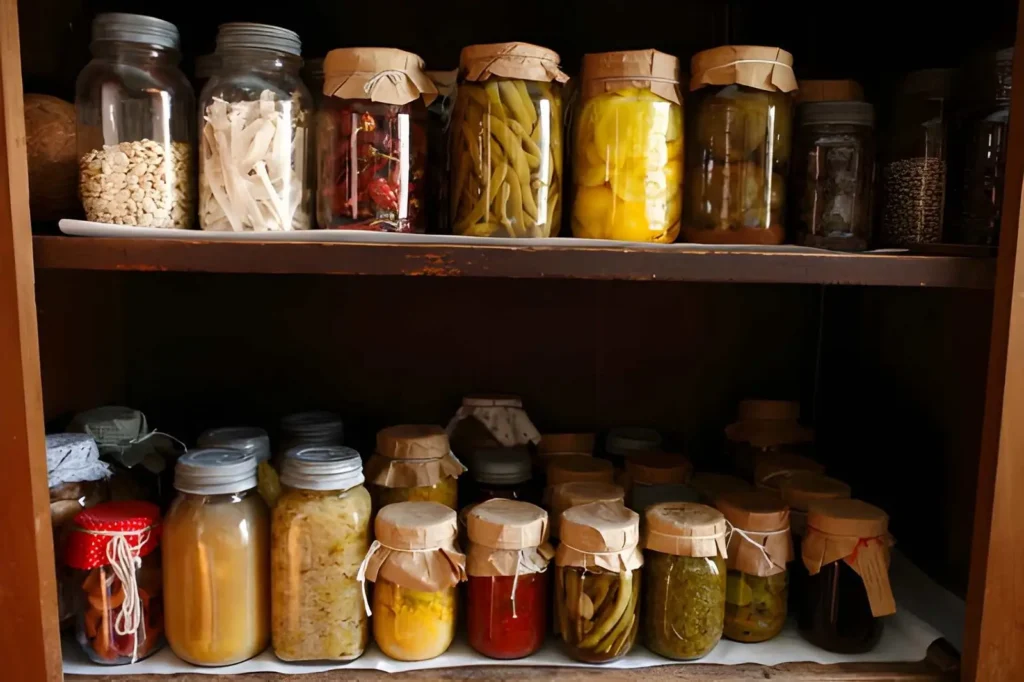
Apartment homesteading can include food preservation, but the method needs to match your equipment, storage space, and safety knowledge. Freezing is often the simplest first option because it works well for herbs, fruit, vegetables, cooked beans, soups, sauces, and many prepared meals.
The National Center for Home Food Preservation recommends freezing food at 0°F or lower for best quality and maintaining an inventory near the freezer. Pack food in suitable containers, label each item with the contents and date, and avoid overloading a small freezer with too much warm food at once.
Drying herbs is another apartment-friendly project. Harvest clean, dry herbs, remove damaged leaves, and dry them using an appropriate method for the herb and your conditions. Store dried herbs in airtight containers away from heat and strong light.
Water-bath canning and pressure canning require more equipment, ventilation, careful timing, and tested recipes. They may be possible in some apartments, but never improvise a preservation process or use a method that conflicts with your lease, stove limitations, or building safety rules.
The food-preservation methods guide can help you choose the right method before buying equipment or filling cabinets with jars.
Follow tested preservation guidance
Use current, tested instructions for home canning and preservation. Never change processing times, substitute jar sizes, reduce acidity, or rely on an unverified recipe for shelf-stable food. If you are unsure whether a food was preserved safely, do not taste it.
Reduce Waste Without Creating More Clutter
Low-waste homesteading works best when it makes your home easier to manage. Start by using what you already own, repairing items that are worth repairing, storing food properly, and avoiding disposable replacements when a durable option fits your routine.
Choose one waste category at a time. You might reduce food waste by freezing surplus ingredients, reduce paper-towel use with washable cloths, keep a container for vegetable scraps if you have an approved compost outlet, or maintain a small sewing kit for simple repairs.
Do not collect jars, containers, fabric scraps, or packaging simply because they might be useful one day. In a small home, every stored item needs a clear purpose and a designated place. Reuse becomes genuinely useful when it supports a repeated task, not when it creates piles of undecided materials.
For cleaning, use products according to their labels and avoid mixing chemicals. Keep supplies secured from children and pets, and never assume that a common pantry item is safe or effective for every surface or problem.
Learn Basic Repairs and Maintenance
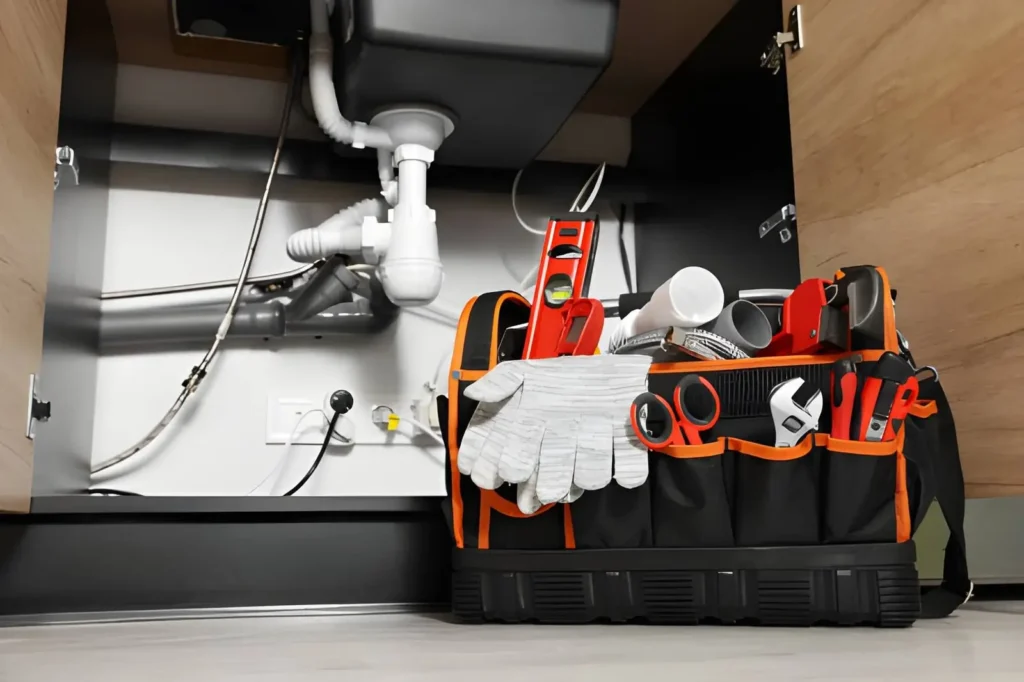
Being more self-reliant does not mean taking responsibility for repairs that belong to a landlord or require a licensed professional. It means learning basic maintenance, noticing problems early, and handling simple tasks safely.
Useful beginner skills include tightening loose screws, changing batteries in permitted devices, unclogging a sink with a plunger where appropriate, replacing a showerhead if your lease allows it, mending clothing, cleaning a vacuum filter, maintaining hand tools, and reporting leaks promptly.
A compact kit with a tape measure, screwdriver set, hammer, adjustable wrench, pliers, utility knife, level, flashlight, cordless drill-driver, safety glasses, and work gloves can handle many small tasks. Store sharp tools safely and keep manuals, spare parts, and receipts together.
Never perform electrical-panel work, gas repairs, major plumbing, structural modifications, or repairs that require permits unless you are qualified and authorized to do so. Report water leaks, mold concerns, damaged wiring, heating failures, and pest issues to property management quickly.
Prepare for Everyday Disruptions
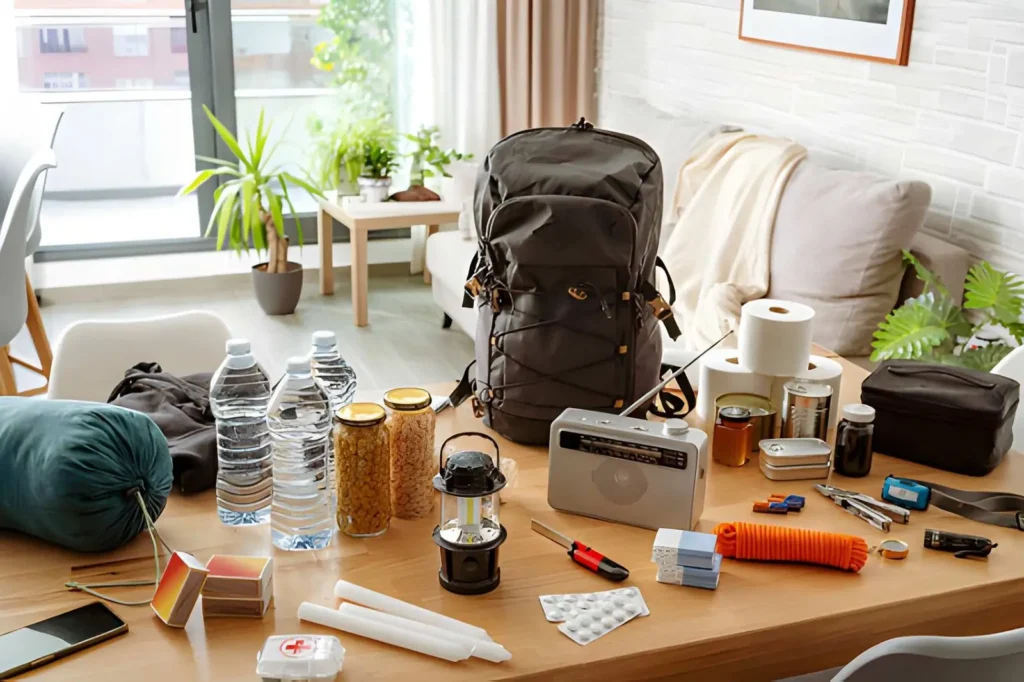
Preparedness belongs in apartment homesteading because renters can experience storms, power cuts, water interruptions, elevator failures, building repairs, illness, or temporary road closures just like anyone else. A modest supply of essentials can make these events easier to manage.
Start with drinking water, shelf-stable food you already eat, flashlights, batteries, a charged power bank, medications as appropriate, first-aid supplies, hygiene items, pet supplies, and copies of important documents. Keep supplies where you can reach them safely if the lights are out.
Know where your building exits are, how to contact management, and how your household will communicate if mobile networks are busy. Keep hallways and exits clear at all times. If you rely on powered medical equipment or an elevator for accessibility, create a specific preparedness plan with your healthcare provider, building management, and local emergency resources.
The guide to preparing for a power outage provides a practical next step for food safety, lighting, communication, and household planning.
Create a Simple Monthly Homesteading Routine
Apartment homesteading becomes sustainable when it is built into normal household routines. A short monthly check can prevent pantry waste, neglected plants, cluttered supplies, and small maintenance problems from growing larger.
- Check pantry items and use the oldest foods first.
- Review freezer contents and plan meals around what needs to be used.
- Inspect plants for dry soil, pests, overcrowded roots, or poor light.
- Wash reusable cloths, storage containers, and produce bags.
- Check flashlights, batteries, first-aid supplies, and water storage.
- Sharpen or clean tools, replace worn supplies, and review repair needs.
- Choose one new skill or small project for the following month.
Keep a short notebook or digital record of what worked. Note which herbs grew well, which meals your household repeated, what food spoiled, which supplies ran low, and which projects took more effort than expected. These notes make future decisions more useful than copying a generic checklist.
Common Apartment Homesteading Mistakes
Starting Too Many Projects at Once
Buying seeds, jars, tools, shelves, dehydrators, storage bins, and compost supplies before building a routine often creates clutter. Start with one system, make it work, and then expand.
Growing Plants Without Enough Light
A plant label cannot overcome a dark apartment. Match crops to the available light or use an appropriate grow light. Choose herbs, greens, or houseplants that suit the conditions you actually have.
Buying Emergency Food You Will Not Eat
Preparedness supplies should be familiar, rotated, and easy to prepare. A practical pantry uses ordinary foods your household already enjoys.
Ignoring Lease and Safety Rules
Heavy balcony containers, blocked exits, unapproved fixtures, indoor combustion equipment, and overloaded outlets can create serious problems. Keep your projects renter-safe and easy to remove if needed.
Treating Homesteading as a Shopping Project
Tools and supplies can help, but the real value comes from skills. Learn to grow, cook, store, repair, and plan before purchasing more equipment.
Frequently Asked Questions
Can you homestead while renting an apartment?
Yes. Apartment homesteading can include cooking, pantry organization, food storage, container gardening, simple repairs, low-waste habits, emergency preparation, and practical household skills. Keep projects removable, safe, and consistent with your lease.
What can I grow in an apartment?
Herbs, microgreens, sprouts, lettuce, and some compact vegetables can work well when the apartment has suitable light. Start with crops you use often and choose containers with drainage.
Can I compost in an apartment?
Possibly, depending on your building rules, available space, odor control, and local collection options. Many apartment dwellers use a municipal food-scrap program, a community garden drop-off, or a compact approved system rather than a large outdoor pile.
Do I need a balcony to start homesteading?
No. You can begin with cooking, pantry rotation, food preservation, low-waste habits, repair skills, emergency preparation, and windowsill herbs. A balcony is useful but not required.
What is the cheapest way to start apartment homesteading?
Use what you already have. Cook meals from pantry staples, organize food before buying more, grow one herb in a reused container with drainage, learn one repair skill, and build emergency supplies gradually.
How do I keep apartment homesteading from becoming cluttered?
Give every project a defined space, limit supplies to what you use regularly, review storage monthly, and avoid collecting items without a clear purpose. Expand only after your current routine is working well.
Final Thoughts
You can start homesteading in an apartment by making your household a little more capable each month. Grow a few useful plants, cook familiar meals from basic ingredients, keep a rotating pantry, preserve small amounts of food safely, learn simple repairs, and prepare for disruptions.
The goal is not to recreate a rural homestead in a rented space. It is to build practical skills that travel with you wherever you live. For the next stage of your journey, return to the Homesteading for Beginners guide and choose one skill to practice this month.
Sources and Further Reading
- Ready.gov — Build a Kit — guidance for assembling practical emergency supplies.
- Ready.gov — Power Outages — household preparedness and power-outage safety guidance.
- National Center for Home Food Preservation — Freezing — research-based freezing and food-quality guidance.
- National Center for Home Food Preservation — Freezer Management — freezer temperature, inventory, and storage guidance.
- National Center for Home Food Preservation — Home Preservation Methods — tested information on canning, freezing, drying, and food storage.