Companion Planting For Beginners: 15 Easy Garden Pairings
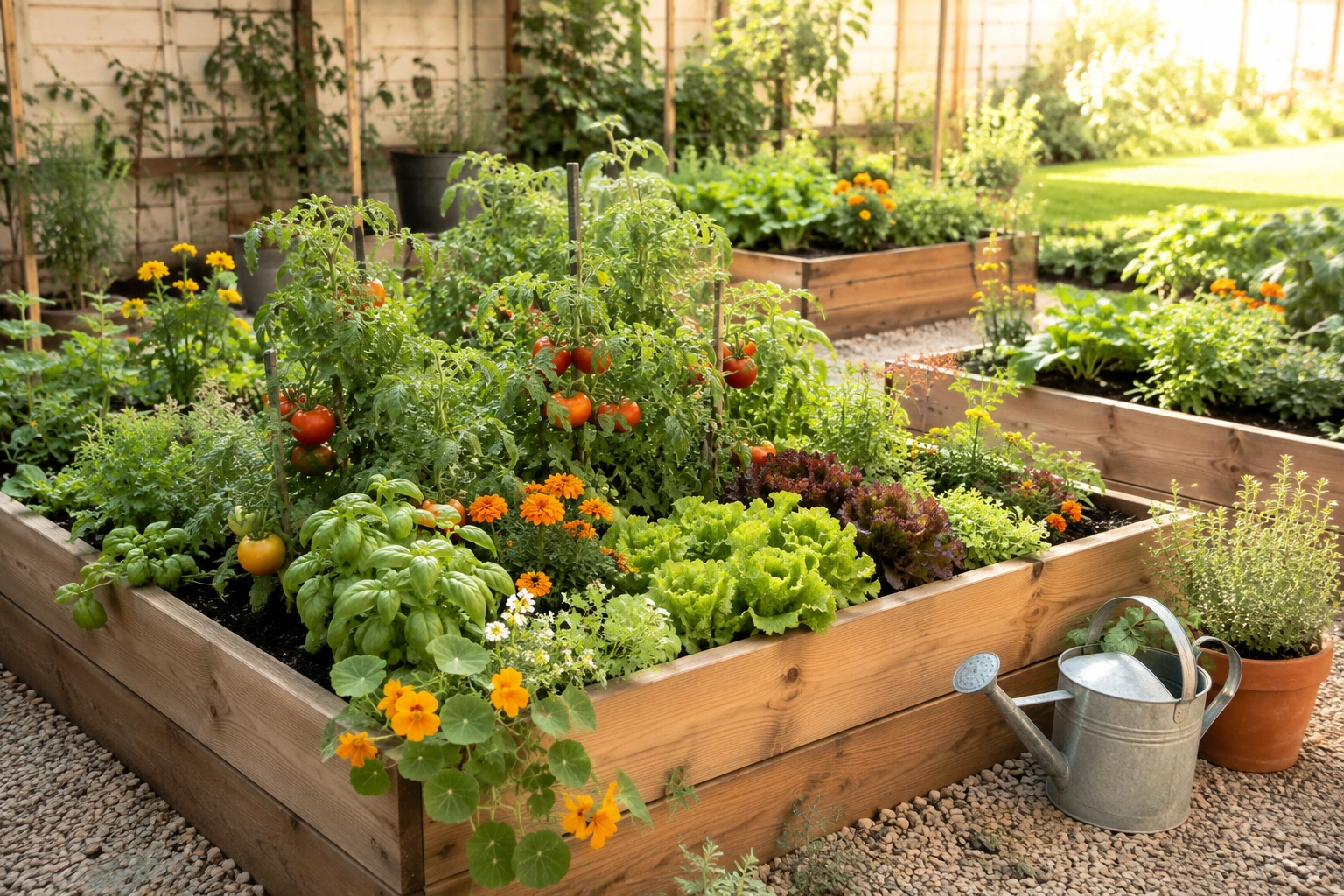
Companion planting for beginners is a simple way to grow a healthier garden by placing vegetables, herbs, and flowers together in thoughtful combinations. Instead of planting every crop alone, you use plant pairings that can help with pollination, shade, space-saving, soil coverage, and garden diversity.
When I first started gardening, companion planting felt confusing. Every chart seemed to say something different.
Companion planting is not magic. It is a garden-planning method that helps you create a more balanced growing space. Some plants attract pollinators, some bring in beneficial insects, some shade the soil, and some make better use of vertical space.
For beginners, the goal is not to memorize hundreds of combinations. The goal is to start with a few smart pairings that make sense in a real backyard garden, raised bed, or small homestead space.
This guide walks through 15 easy pairings you can use to grow a healthier, more productive garden with less guesswork.
Affiliate Disclosure
This article may contain affiliate recommendations. If you choose to purchase through those recommendations, I may earn a small commission at no extra cost to you. I only mention practical garden supplies that fit a beginner-friendly home garden.
Table of Contents
What Is Companion Planting?
Companion planting is the practice of growing different plants near each other because they can support the garden in different ways.
That support may come from attracting bees, creating shade, filling empty spaces, improving garden structure, or making harvesting easier.
A simple example is tomatoes and basil. They grow in the same warm season, fit well in the same bed, and are useful together in the kitchen. Basil can also flower if you let a few stems bloom, which helps bring more insect activity into the garden.
Another classic example is corn, pole beans, and squash. Corn grows tall, beans climb, and squash spreads over the soil. Each plant has a different shape and role.
That is the best way to understand companion planting: how can these plants share space in a helpful way?
If you are still setting up your first growing area, my Raised Bed Gardening Guide is a good place to start because companion planting is easier when your beds are organized from the beginning.
Why Companion Planting Helps Beginner Gardeners
Companion planting helps you see the garden as a small living system instead of a group of separate plants.
It can help attract pollinators, which is important for crops like cucumbers, squash, pumpkins, melons, and many fruiting vegetables.
It can also support beneficial insects and create a more active, balanced garden.
Companion planting can make better use of space too. In raised beds and small gardens, you can tuck quick crops between slower crops, grow climbing plants upward, and use low flowers around the edges.
If your growing space is limited, the same ideas in Small Garden Design Tips work very well with companion planting because both focus on using space wisely.
Companion planting also helps reduce bare soil, which can make beds look better and give weeds fewer open spaces.
Most importantly, companion planting helps you observe what attracts bees, what gets crowded, and what you want to repeat.
That kind of observation is one of the most valuable homesteading skills for beginners because it builds confidence season after season.
Companion Planting Chart for Beginners
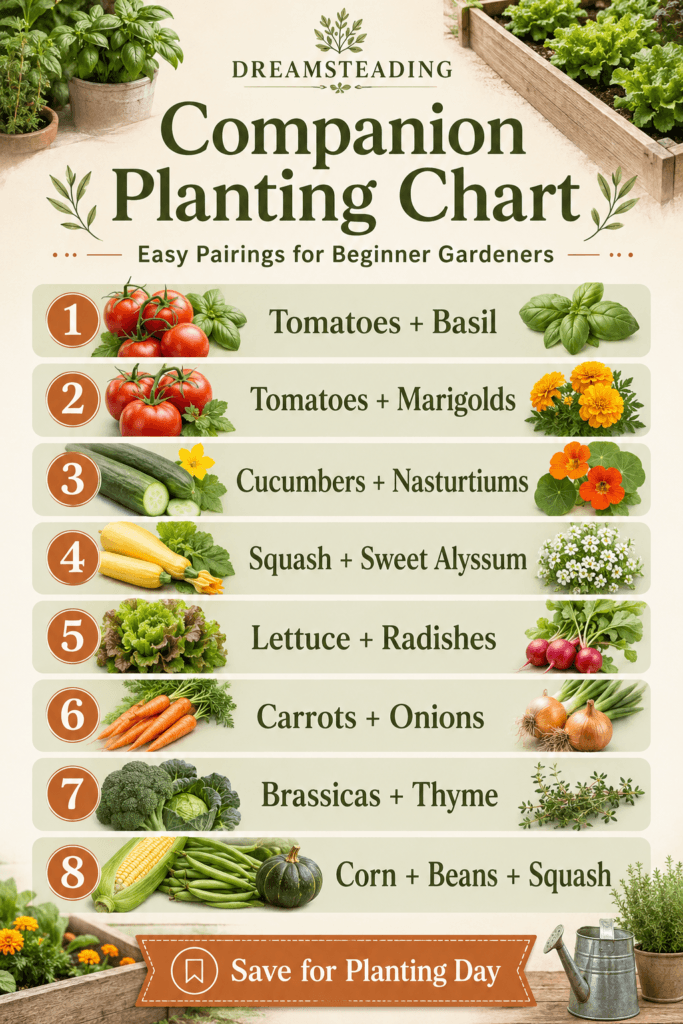
Use this companion planting chart for beginners as a simple starting point.
| Main Crop | Good Companion Plants | Main Benefit |
|---|---|---|
| Tomatoes | Basil, marigolds, parsley | Garden diversity and easy harvesting |
| Peppers | Basil, marigolds, onions | Space use and flowering support |
| Cucumbers | Nasturtiums, dill, calendula | Pollinator support |
| Squash | Nasturtiums, sweet alyssum, marigolds | Pollinators and beneficial insects |
| Corn | Pole beans, squash | Vertical growth and soil coverage |
| Lettuce | Radishes, carrots, tomatoes | Quick harvests and light shade |
| Carrots | Onions, lettuce, radishes | Space-saving planting |
| Brassicas | Thyme, sage, nasturtiums | Diversity and pest confusion |
| Beans | Corn, calendula, marigolds | Vertical growth and flowers |
| Strawberries | Borage, calendula, sweet alyssum | Pollinator support |
This chart is not a strict rulebook. Always leave enough space for mature plant size, airflow, watering, and harvesting.
A simple garden planner can help you sketch your beds before planting so your companion planting layout feels organized instead of crowded.
15 Smart Companion Planting Pairings for Beginners
1. Tomatoes and Basil
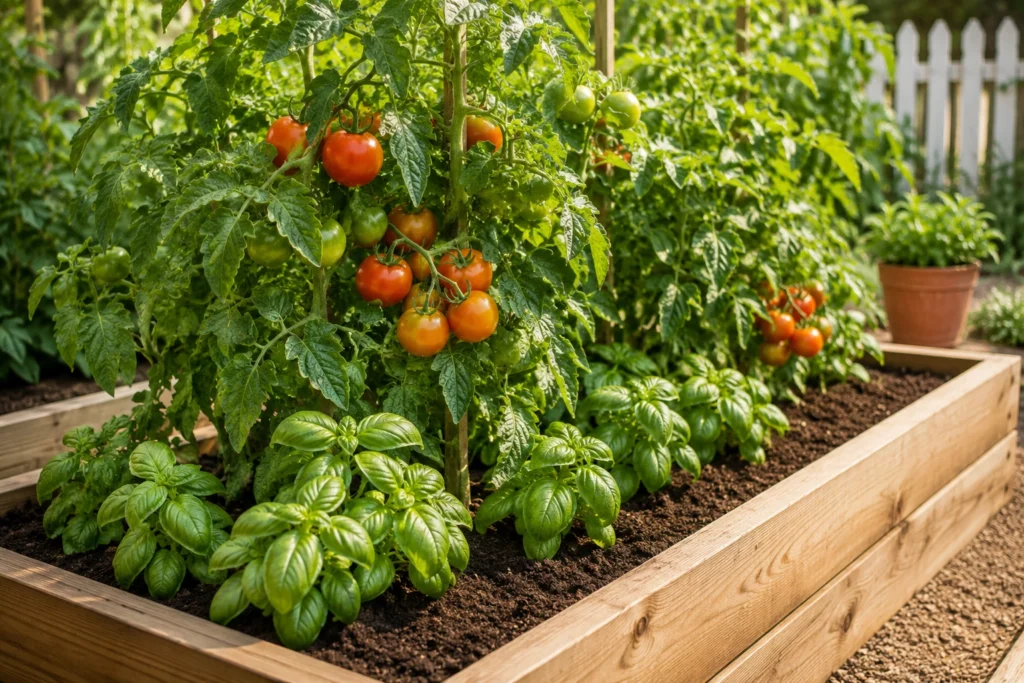
Tomatoes and basil are one of the easiest companion planting pairings for beginners.
They grow in similar warm-season conditions, fit well together in raised beds, and are useful together in the kitchen. I like planting basil near the front or sides of tomato plants so it stays easy to harvest.
Keep basil trimmed so it grows bushy instead of tall and leggy. If you are starting from seed, organic basil seeds are an easy way to add this pairing to your tomato bed.
2. Tomatoes and Marigolds
Marigolds are one of my favorite flowers to grow around tomato beds because they are cheerful, easy, and beginner-friendly.
They add color, attract garden life, and help create a more diverse planting area. I like using compact marigolds around the edges of tomato beds instead of crowding them right against tomato stems.
Choose French marigold seeds if you want a neat, easy border for a raised bed.
3. Peppers and Basil
Peppers and basil make another simple warm-season pairing.
Both enjoy sun, warmth, and steady watering. Basil stays fairly compact when harvested often, so it can grow near pepper plants without taking over the bed.
This pairing is especially useful in a kitchen garden for sauces, salads, and summer meals.
If you grow several pepper varieties, reusable garden labels keep sweet peppers, hot peppers, and herbs organized.
4. Cucumbers and Nasturtiums
Cucumbers need good pollination to produce well, so adding flowers nearby is a smart choice.
Nasturtiums are beautiful, fast-growing flowers that can trail around the base of cucumber plants while cucumbers climb upward.
A simple cucumber trellis makes this pairing more productive because it keeps vines off the soil and makes harvesting easier. Add nasturtium seeds near the base or edge of the bed so the flowers can spread without smothering young cucumber plants.
5. Squash and Nasturtiums
Squash plants are large, so they need space. Nasturtiums can grow around the edges of a squash bed and add bright flowers that help attract pollinators.
This pairing works best in a larger raised bed or in-ground garden. For small gardens, choose compact bush squash varieties.
Do not plant nasturtiums too close to young squash seedlings. Give the squash its space first, then let the flowers trail around the outside.
If squash is new to you, my 10 Easy Vegetables to Grow for Beginners guide can help you choose simple crops before you try more complicated layouts.
6. Squash and Sweet Alyssum
Sweet alyssum is a low-growing flower with tiny blooms that fits nicely near squash, zucchini, and cucumbers.
It adds flowers without becoming tall or bulky, which makes it useful along the edges of raised beds.
A pollinator flower seed mix is a simple way to add sweet alyssum and other beginner-friendly flowers without buying many separate packets.
7. Corn, Pole Beans, and Squash
Corn, pole beans, and squash are the classic Three Sisters planting combination.
Corn grows tall, beans climb, and squash spreads across the soil. Each plant has a different role, which makes the pairing useful and interesting.
This combination needs space and timing. Let the corn grow strong before the beans climb, and give the squash room to spread.
If you want to try it, start with a small patch and use a Three Sisters seed collection so the varieties are chosen for this style of planting. For beginners, this works best as a learning experiment rather than the entire garden plan.
8. Lettuce and Radishes
Lettuce and radishes are perfect for beginners because they grow quickly and work well in cool weather.
Radishes mature fast, often before lettuce needs more room. You can sow radishes between lettuce rows, harvest them young, and then give the lettuce more space as it grows.
This is a great pairing for spring and fall gardens.
A cool-season vegetable seed packet with lettuce, radishes, and other quick crops is a simple way to start. It also works well in containers, balcony gardens, and small raised beds.
9. Lettuce and Tomatoes
Lettuce and tomatoes can work well when you time them correctly.
Plant lettuce early while tomato plants are still small. As tomatoes grow taller, they can create light shade that helps lettuce last a little longer before the weather gets too hot.
Harvest lettuce before tomato plants become too large and before summer heat makes lettuce bitter.
If you are learning how to time plantings, Seed Starting Indoors for Beginners can help you understand when to start warm-season crops like tomatoes so they are ready for the garden at the right time.
10. Carrots and Onions
Carrots and onions are useful together because they use space differently.
Carrots grow underground with fine foliage. Onions grow upright and narrow. This makes them easier to fit together than two large spreading crops.
I like planting onions along bed edges and carrots in rows nearby. Keep the soil evenly moist until carrot seedlings germinate.
A simple seed spacing ruler can help beginners plant rows more evenly and avoid wasting space.
11. Carrots and Radishes
Carrots germinate slowly. Radishes germinate quickly.
Radishes can help mark the carrot row while you wait for the carrots to appear. Then you harvest the radishes early, leaving more room for carrots.
Harvest radishes promptly so they do not crowd the carrots. If you keep a garden journal, write down your planting and harvest dates so you can repeat the timing next season.
12. Brassicas and Thyme
Brassicas include cabbage, broccoli, kale, cauliflower, collards, and Brussels sprouts.
These crops can attract pest pressure, so adding nearby herbs can create a more diverse planting area. Thyme stays low and fits well around larger brassicas.
Let some thyme flower if you can so the bed feels more alive.
For brassicas, lightweight garden row cover can also be helpful when pests are heavy. Companion planting can support the garden, but young plants sometimes need extra protection.
13. Brassicas and Nasturtiums
Nasturtiums can be useful near cabbage, kale, and broccoli because they add flowers, ground coverage, and diversity.
They can also act as a watch plant. If aphids show up on nasturtiums, you may notice the problem earlier.
Check the leaves often. If you see pests, prune damaged leaves or spray them off with water.
A small handheld garden sprayer is useful for gentle pest management, especially if you want to avoid harsh sprays in a beginner vegetable garden.
14. Beans and Corn
Beans and corn can work together when you choose pole beans and give the corn a head start.
Corn can act as a natural support, but only if it is strong enough before the beans start climbing.
Plant corn first. Add pole beans after the corn has enough height and strength.
If you are already comfortable with the basics from Vegetables to Plant in June, this can be a fun warm-season pairing to try in a larger garden area.
15. Strawberries and Borage
Strawberries and borage make a beautiful pollinator-friendly pairing.
Borage produces blue flowers that bees love, and strawberries benefit from pollinator activity when they flower.
Borage can reseed and grow larger than beginners expect, so give it space.
Use borage seeds near strawberry beds if you want a simple pollinator-friendly addition. If you are planting a new strawberry patch, bare-root strawberry plants are often an affordable way to start with more plants at once.
Companion Planting Mistakes to Avoid
Companion planting works best when you avoid a few common mistakes.
The first mistake is overcrowding. Companion planting does not mean packing every open inch with plants. Vegetables still need light, airflow, root space, and room for harvesting.
The second mistake is ignoring sunlight. A tall tomato plant can help shade lettuce, but it may shade peppers too much if planted close.
The third mistake is mixing plants with very different water needs. Rosemary prefers drier conditions than lettuce or cucumbers, so do not force them into the same watering routine.
Another mistake is planting mint directly in a garden bed. Mint is useful, fragrant, and loved by pollinators, but it spreads aggressively. Grow it in a large container herb planter instead so it stays controlled.
Also be careful with onions, garlic, beans, and peas. Many gardeners prefer to keep alliums away from beans and peas, especially in beginner gardens where simple planting sections are easier to manage.
Do not expect companion planting to replace good garden care. You still need healthy soil, proper spacing, steady watering, enough sunlight, and regular observation.
If you are building your garden from the beginning, start with How to Build Raised Garden Beds before trying complicated layouts. A well-built bed with good soil will help more than any companion chart.
How to Plan a Beginner Companion Planting Garden
The easiest way to plan a companion planting garden is to start small.
First, choose three to five vegetables you actually want to eat. Good beginner choices include tomatoes, peppers, lettuce, radishes, beans, cucumbers, zucchini, kale, and herbs.
Next, add one herb. Basil, parsley, thyme, dill, cilantro, and chives are all useful beginner herbs.
Then add one flower. Marigolds, nasturtiums, calendula, sweet alyssum, borage, and zinnias are all good choices for a beginner-friendly garden.
After that, think about height. Place tall crops where they will not block too much light. Use trellises for cucumbers, peas, and pole beans so you can grow upward and save space.
Finally, leave room to harvest. A garden can look beautiful and still become frustrating if you cannot reach the food.
Here is a simple raised bed idea:
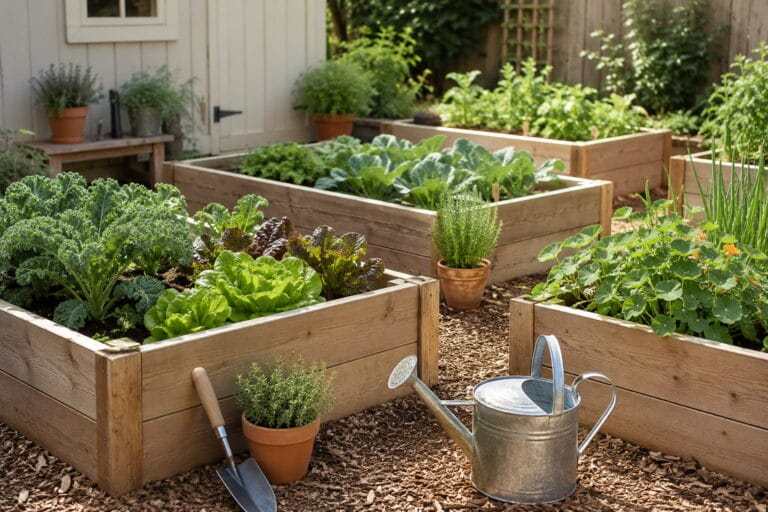
Plant tomatoes with basil toward the back. Add peppers with marigolds in the middle. Grow lettuce, radishes, and carrots near the front. Use nasturtiums or sweet alyssum along the edges.
This gives you height, herbs, flowers, quick crops, and easy harvesting in one bed.
To make the setup easier, combine this plan with organic compost, reusable garden labels, and a simple watering system like a drip irrigation kit. Those small tools can make a beginner garden feel more organized.
Best Supplies for Companion Planting
You do not need many supplies to start companion planting, but a few simple tools make planning easier.
A companion planting garden planner helps you map your beds before planting. This is especially useful when you are mixing vegetables, herbs, and flowers in the same space.
Seed starting trays help you grow basil, marigolds, tomatoes, peppers, and other warm-season plants before transplanting.
Reusable garden labels help you remember what you planted when seedlings are small.
Organic compost supports healthy soil, which matters more than any companion planting chart.
A simple drip irrigation kit helps keep raised beds evenly watered during warm weather.
A pollinator flower seed mix is one of the easiest ways to add beauty, diversity, and insect activity to your vegetable garden.
Start with the basics and add more tools as your garden grows.
Final Thoughts
Companion planting for beginners does not have to be complicated.
You do not need a huge chart or a perfect plan. Start with a few simple pairings that make sense.
Plant tomatoes with basil. Add marigolds around vegetable beds. Grow nasturtiums near cucumbers or squash. Tuck radishes between lettuce. Let herbs and flowers bring more life into the garden.
Then watch what happens.
The best companion planting lessons come from observing your own garden. Notice what grows well, what gets crowded, and what you want to repeat next season.
A healthy garden is not just a row of vegetables. It is a living space filled with food, flowers, insects, soil, and small lessons.
Start simple, plant thoughtfully, and let your garden teach you.
FAQ: Companion Planting for Beginners
What is the easiest companion planting combination for beginners?
Tomatoes and basil are one of the easiest combinations for beginners. They grow in similar warm-season conditions, fit well together in raised beds, and are useful together in the kitchen.
Do marigolds really help in the vegetable garden?
Marigolds can be useful because they add flowers, diversity, and beneficial insect activity. They are not a magic solution for every pest, but they are easy to grow and helpful around vegetable beds.
Can companion planting stop all garden pests?
No. Companion planting can support a healthier garden, but it will not stop every pest. You still need good spacing, healthy soil, regular watering, and careful observation.
What should beginners avoid planting together?
As a simple beginner rule, keep onions and garlic away from beans and peas. Also avoid planting crops together if they need very different water, sun, or spacing conditions.
What flowers are best for companion planting?
Marigolds, nasturtiums, calendula, sweet alyssum, borage, and zinnias are all beginner-friendly flowers for companion planting.
Is companion planting good for raised beds?
Yes. Companion planting works very well in raised beds because it helps use space efficiently. Just make sure you do not overcrowd the bed.
Can I use companion planting in containers?
Yes. Simple combinations like tomato and basil, pepper and basil, lettuce and radishes, or strawberries and borage can work in containers if the pot is large enough and has good drainage.
What is the best herb for companion planting?
Basil is one of the best beginner herbs, especially near tomatoes and peppers. Thyme, parsley, dill, cilantro, and chives are also useful in vegetable gardens.