23 Powerful Organic Fertilizer Types and How to Use Them
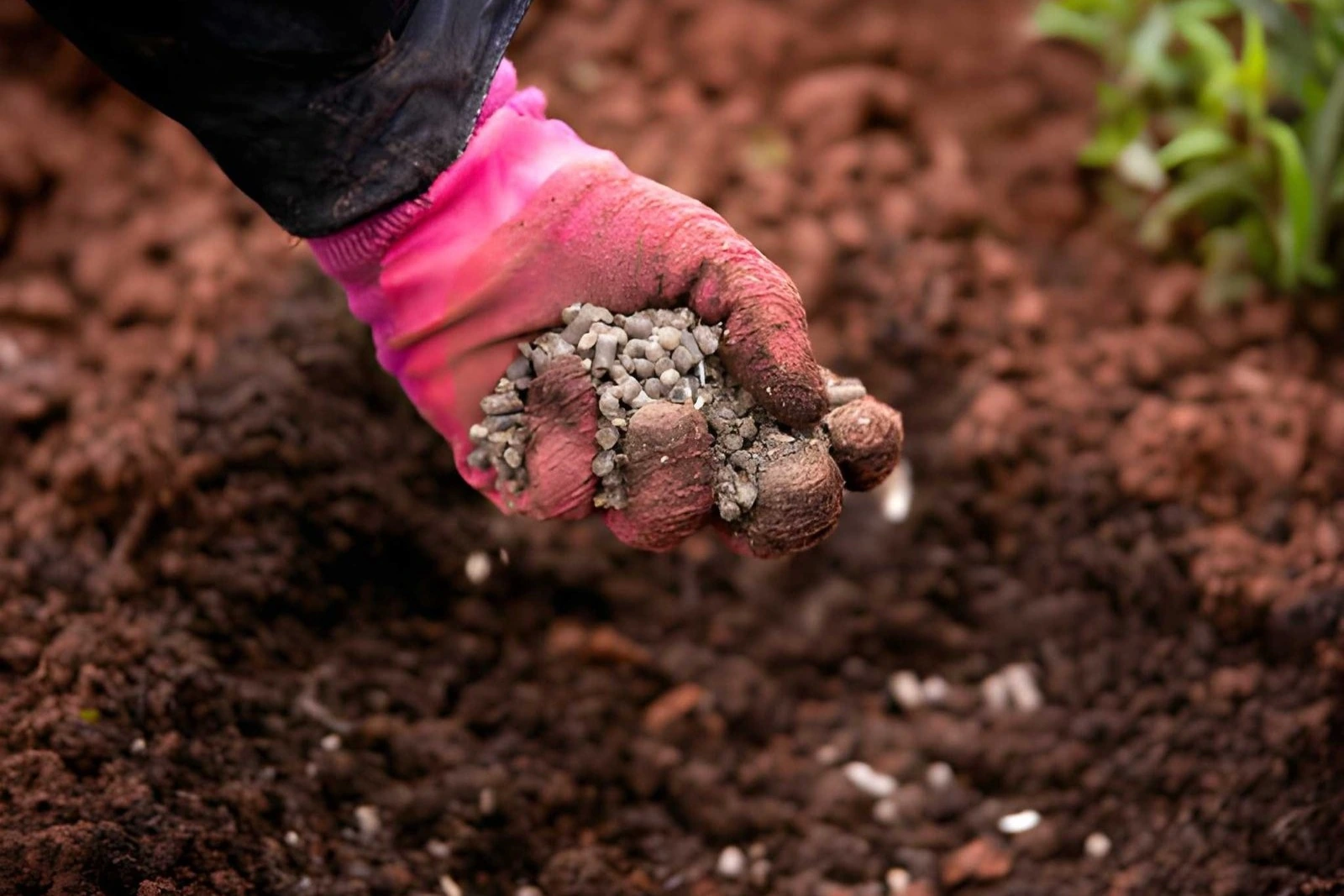
Organic fertilizer types range from mild soil-building composts to concentrated meals and mined mineral products. Each material behaves differently. Some release nitrogen relatively quickly, some supply phosphorus or potassium, and others primarily improve organic matter or provide trace minerals.
The best choice is not necessarily the product with the longest ingredient list or highest nutrient analysis. It is the one that matches your soil-test results, crop requirements and preferred application method. This guide compares 23 organic fertilizer types and explains how to use them without causing nutrient buildup, damaging roots or spending money on nutrients your soil does not need.
In Short
Start with a laboratory soil test, then choose an organic fertilizer that supplies the nutrients your soil actually needs. Compost and vermicompost provide organic matter and gradual nutrition. Blood meal, feather meal, fish products and plant meals supply more concentrated nitrogen. Bone meal and rock phosphate supply phosphorus, while kelp, greensand, langbeinite and carefully measured wood ash have more specialized uses. Always follow the product label because nutrient analyses and application rates vary.
Key Takeaways
- A soil test should guide fertilizer selection, especially for phosphorus, potassium, soil pH and soluble salts.
- The three fertilizer-label numbers represent nitrogen, phosphate and potash in that order.
- Many organic fertilizers release nutrients gradually because soil organisms must decompose their ingredients.
- Compost improves soil, but repeated heavy applications can still create excessive phosphorus, potassium or salts.
- Raw manure requires strict food-safety timing and should not be used casually around actively harvested crops.
- The product label overrides generalized application rates because products with the same ingredient can have different analyses.
What Makes an Organic Fertilizer Different?
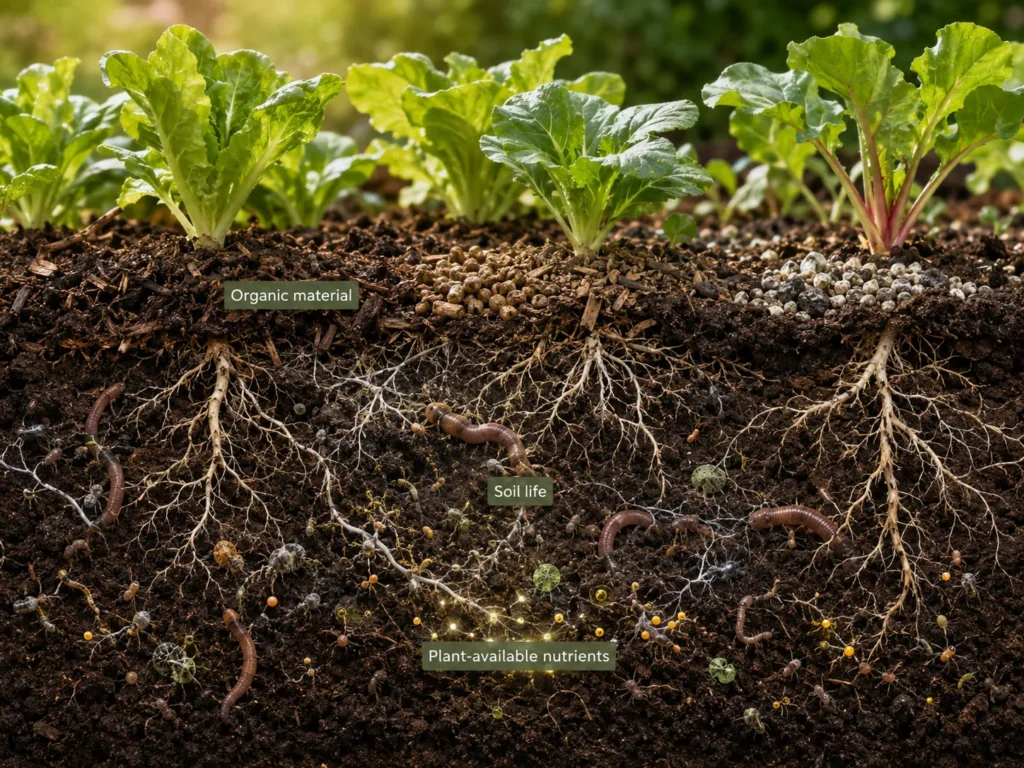
In everyday gardening, an organic fertilizer is generally made from plant, animal or naturally occurring mineral materials. Plants do not absorb compost, meals or pellets in their original form. Soil organisms and natural chemical processes must convert many of their nutrients into forms that roots can use.
This explains why temperature, moisture and soil biology matter. A dry or cold garden may release nutrients from organic materials more slowly than warm, biologically active soil. Quick visual results are therefore not guaranteed, particularly with feather meal, bone meal, rock phosphate and other slow-release materials.
The word “organic” can also refer to regulated agricultural production. The USDA National List of Allowed and Prohibited Substances determines which materials may be used in certified organic operations. A natural material is not automatically acceptable in every formulation, and certified growers must confirm individual products with their certifier.
Myth
Organic fertilizer cannot burn plants or damage soil
Reality
Concentrated organic fertilizer can injure roots, contribute excess salts, produce ammonia, disrupt nutrient balance or pollute water when it is overapplied. Natural origin does not eliminate the need to measure the product and follow its label.
How to Choose Among Organic Fertilizer Types
Begin with a soil test from a recognized laboratory. A basic garden test commonly reports pH, organic matter, phosphorus and potassium before providing recommendations based on the crop or intended use. The University of Minnesota Extension cautions that repeated compost and manure applications can cause phosphorus and potassium to accumulate even when the materials appear mild.
A sturdy soil sample probe can help you collect consistent samples from several parts of the garden. Combine the samples according to the laboratory’s directions rather than testing soil from only one convenient location. Remove mulch from the surface before sampling and use clean equipment that will not contaminate the soil.
Read the guaranteed analysis next. A label such as 5-3-2 contains 5% nitrogen, 3% phosphate and 2% potash by weight. These numbers do not show how quickly each nutrient becomes available, so also review the ingredient list, application timing, release information and directions.
If your soil test recommends several nutrients in similar proportions, a balanced granular organic fertilizer can simplify the application. Compare its guaranteed analysis with the recommendation and avoid combining it with other complete fertilizers that supply the same nutrients.
| Fertilizer family | Typical role | Best situation | Main limitation |
|---|---|---|---|
| Composts and castings | Organic matter and gradual nutrition | Routine soil improvement | Variable nutrient content |
| Plant meals | Mostly slow-release nitrogen | Preplant or early-season feeding | Release depends on soil conditions |
| Animal meals | Concentrated nitrogen or phosphorus | Correcting a documented need | Odor, pet attraction and overapplication risk |
| Fish and seaweed products | Liquid feeding or trace nutrients | Containers and established transplants | Analysis varies widely |
| Mined minerals | Targeted phosphorus, potassium or magnesium | Deficiency confirmed by testing | Some minerals release very slowly |
| Wood ash | Potassium and a liming effect | Acidic, potassium-deficient soil | Can raise pH excessively |
If you garden in constructed beds, review the raised-bed gardening guide before adding fertilizer. Imported soil and repeated compost applications can create a nutrient profile that differs considerably from the surrounding native soil.
23 Organic Fertilizer Types and Their Best Uses
1. Finished Compost
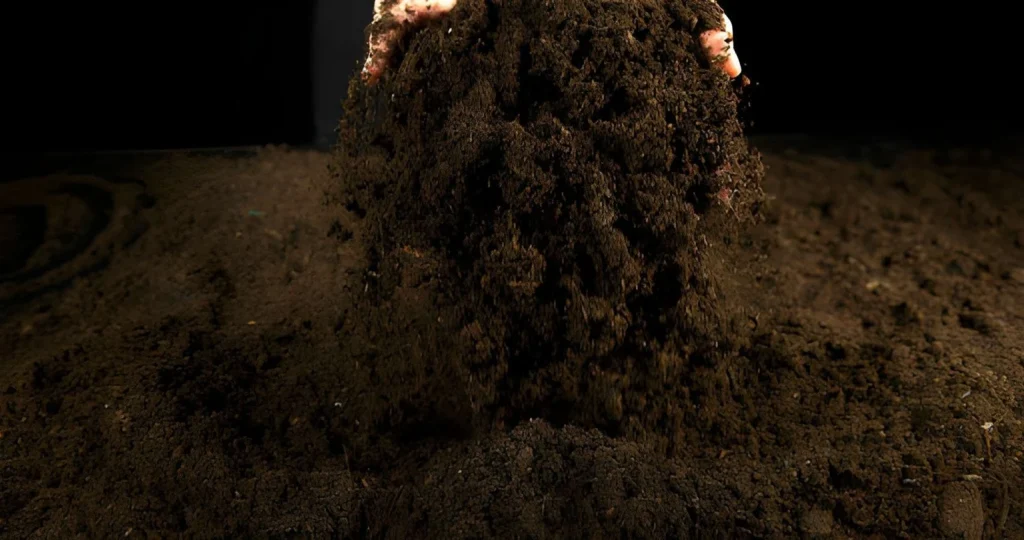
Finished compost contributes stable organic matter, modest nutrients and improved water-holding capacity. Spread a measured layer over the bed or incorporate it before planting according to your soil-test recommendation.
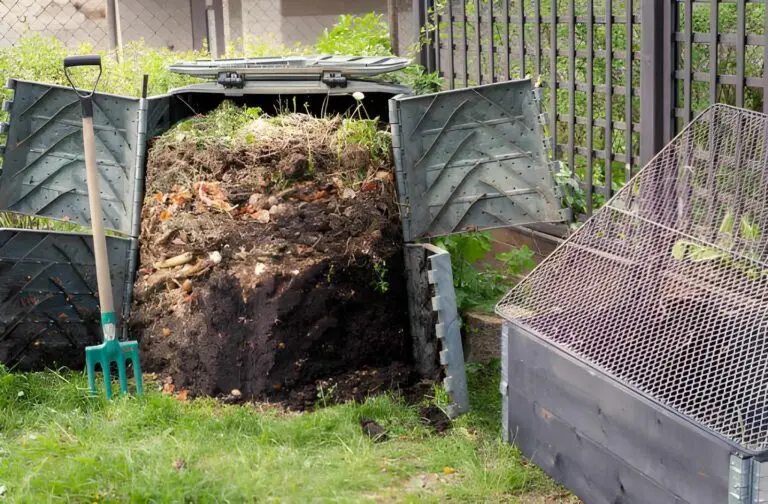
Compost is not automatically a complete fertilizer, and annual heavy layers can raise phosphorus and potassium. The beginner composting guide explains how to produce a mature, earthy material instead of adding unfinished scraps directly to the garden.
2. Vermicompost or Worm Castings
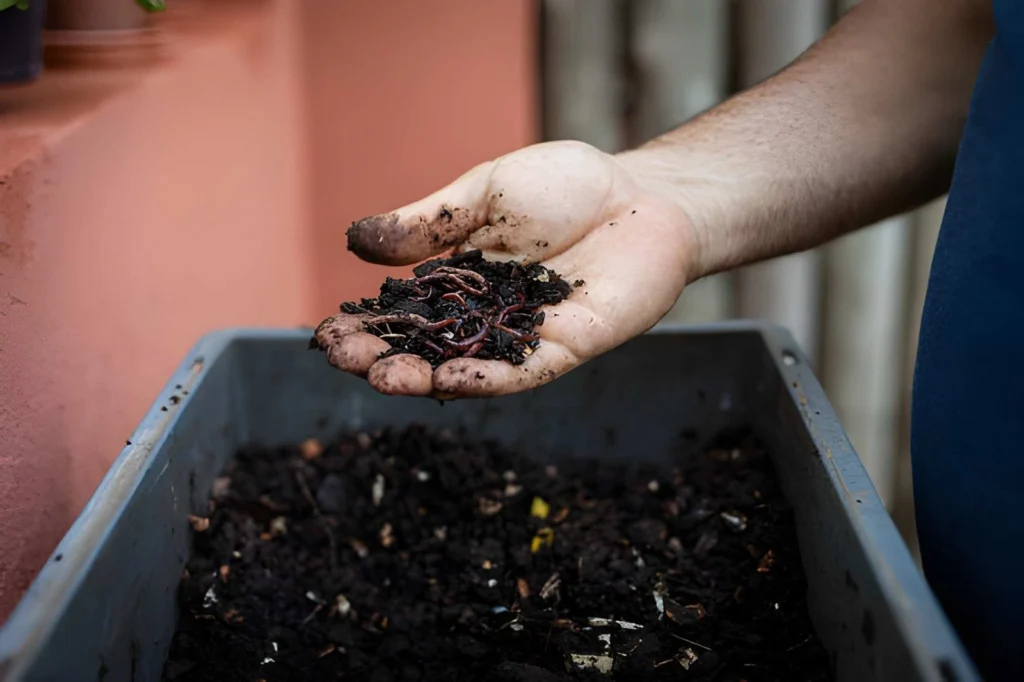
Vermicompost is organic material processed by composting worms. It is generally used as a mild amendment in seed-starting mixes, containers or planting areas rather than as the only fertilizer for a demanding crop.
Blend it evenly with the growing medium or use a thin surface application. Check the product analysis because moisture, worm feedstock and processing methods affect the final nutrient content.
3. Composted Poultry Manure
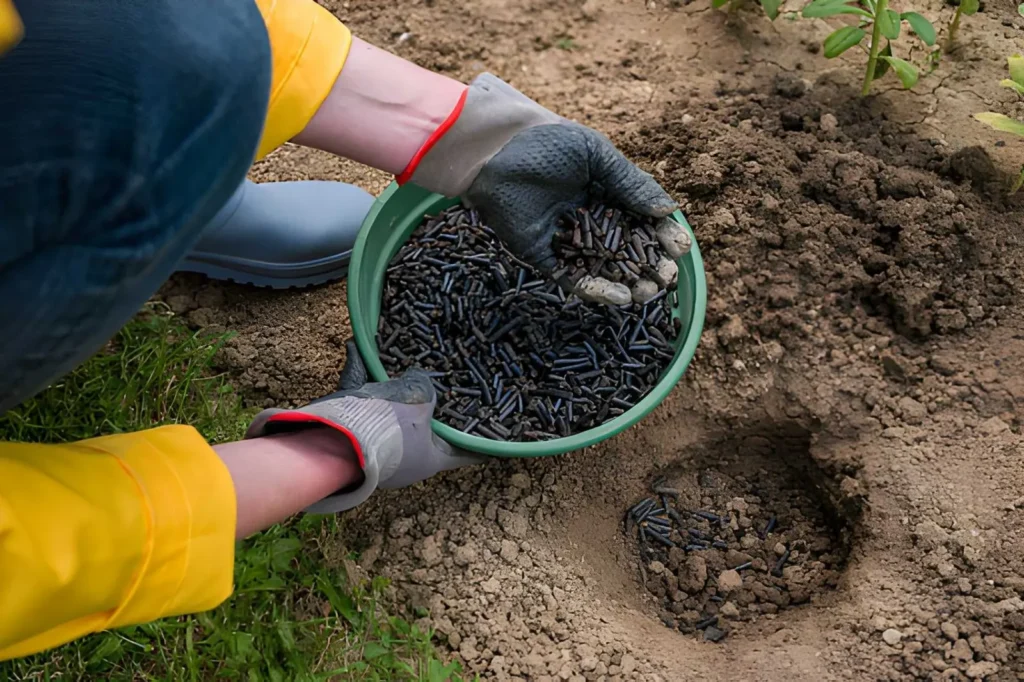
Poultry manure products can contain meaningful nitrogen and phosphorus. Properly composted or processed material is easier to handle than raw manure, but it can still be concentrated.
Apply it according to its guaranteed analysis and your soil-test recommendation, preferably before planting. Avoid treating poultry manure as an unlimited source of organic matter when soil phosphorus is already high.
4. Composted Cattle or Horse Manure
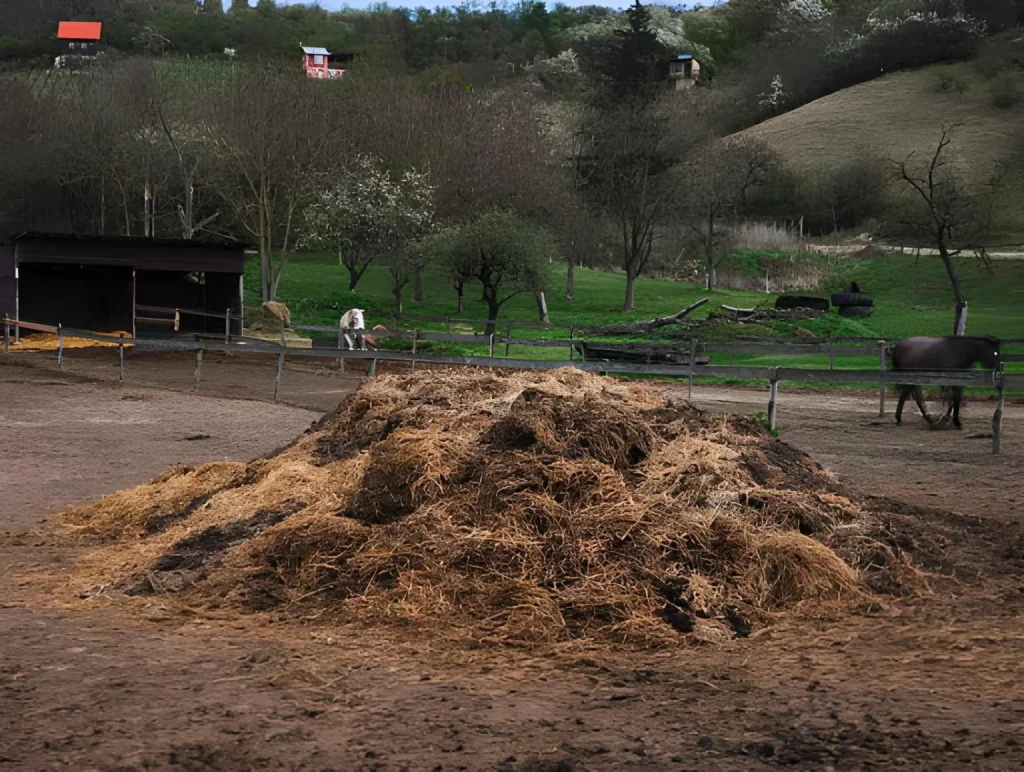
Composted cattle and horse manure usually provide organic matter with relatively modest nutrient concentrations. Use mature material from a reliable source and ask about bedding, herbicide residues, salts and laboratory analysis when buying in bulk.
Mix it into an empty bed or apply a restrained top-dressing. Nutrient content, weed-seed survival and salt levels can vary considerably among sources.
5. Pelletized or Heat-Processed Manure
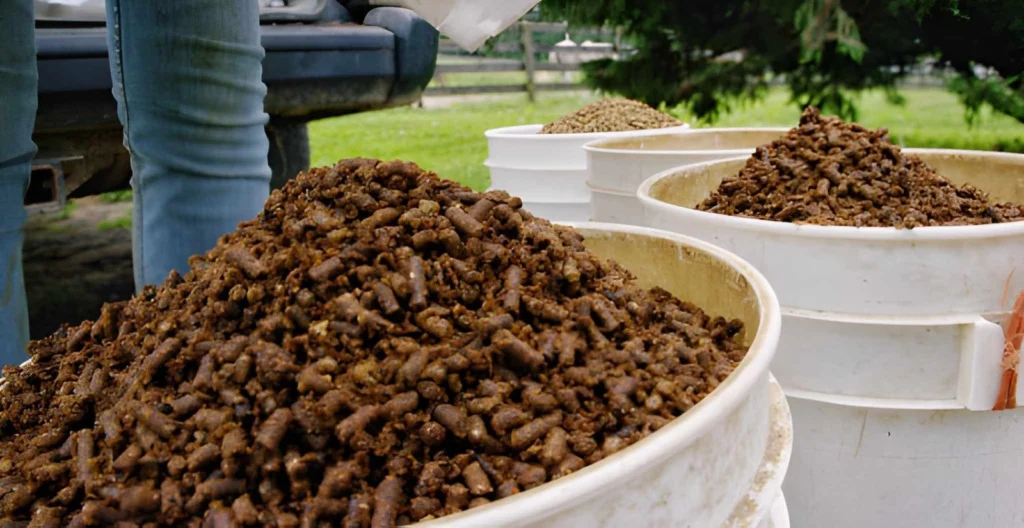
Processed manure is dried or pelletized for easier storage and measured application. It is less bulky than composted manure and may carry a more dependable fertilizer analysis.
Distribute it evenly and water after application when the label directs you to do so. Do not assume processing makes every product suitable for direct contact with seeds, stems or tender roots.
Raw manure requires careful harvest timing
USDA organic-production rules require raw, uncomposted livestock manure to be incorporated at least 120 days before harvesting crops whose edible portions contact soil and at least 90 days before harvesting other food crops. Home gardeners can reduce avoidable risk by favoring properly composted or appropriately processed products and following local food-safety guidance.
6. Green Manure and Legume Cover Crops
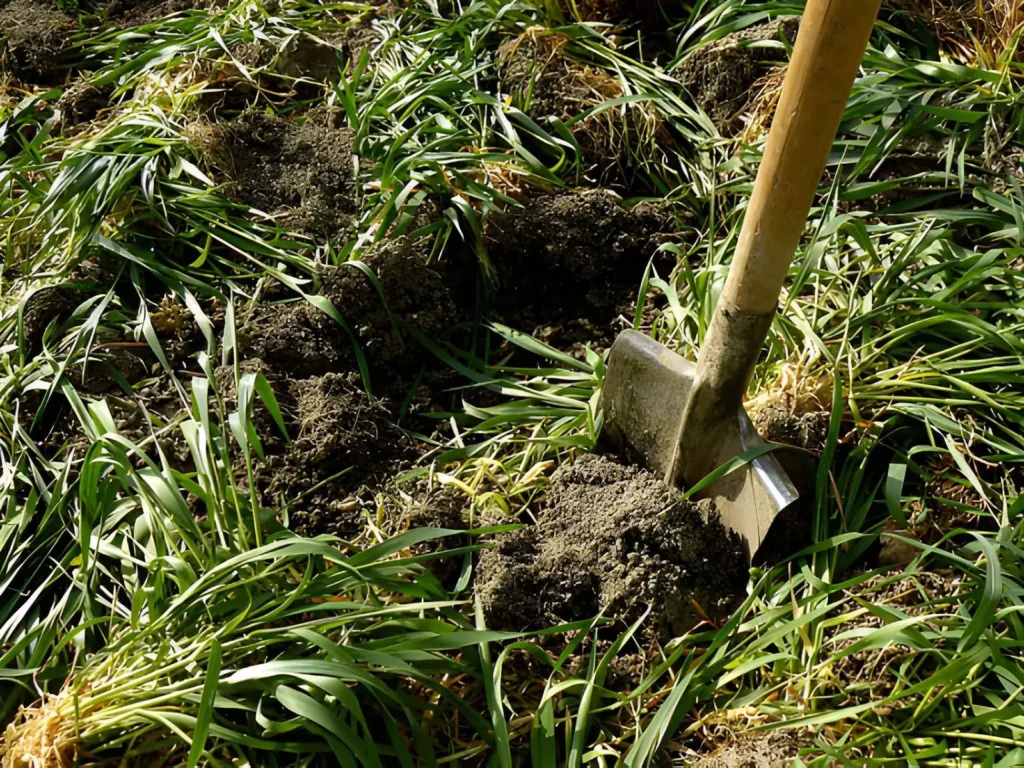
A green manure is a crop grown primarily to protect and improve the soil. Legumes can contribute biologically fixed nitrogen when compatible bacteria form effective nodules on their roots.
Terminate the crop at the appropriate growth stage and allow the residue to decompose before planting. Combine cover crops with sensible crop-rotation planning, then select from these easy vegetables for beginner gardens.
7. Alfalfa Meal or Pellets
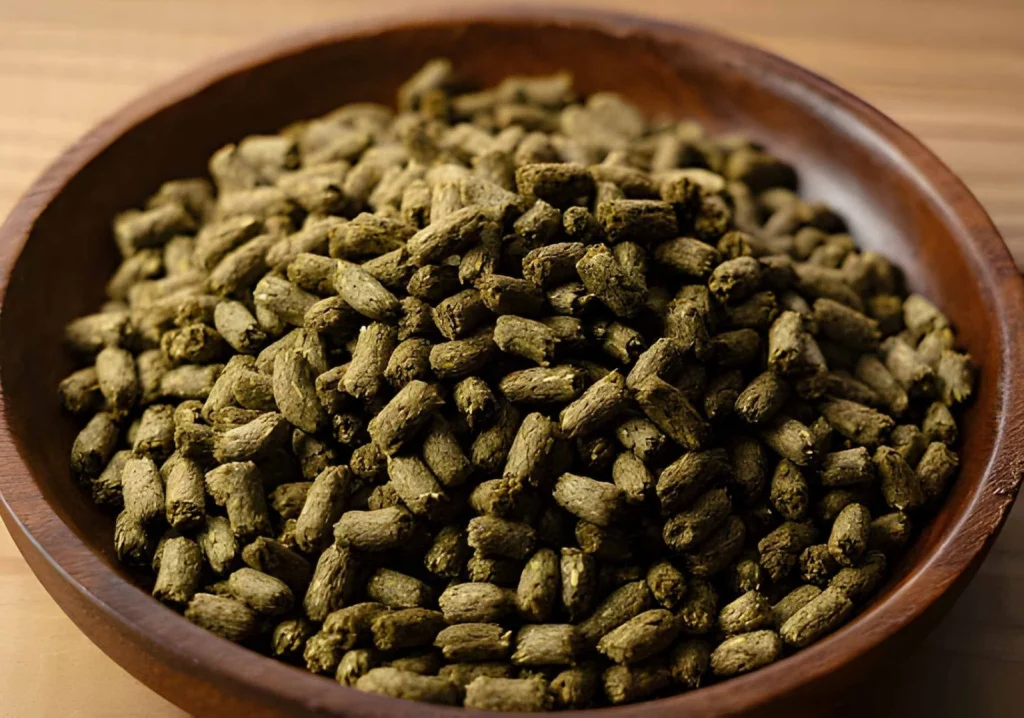
Alfalfa meal is a plant-based material that supplies modest nitrogen along with organic matter. Mix it into the soil before planting or cultivate a labeled amount lightly around established plants.
Pellets should be moistened or incorporated so they can expand and break apart. Avoid placing a concentrated band directly against roots, stems or plant crowns.
8. Soybean Meal
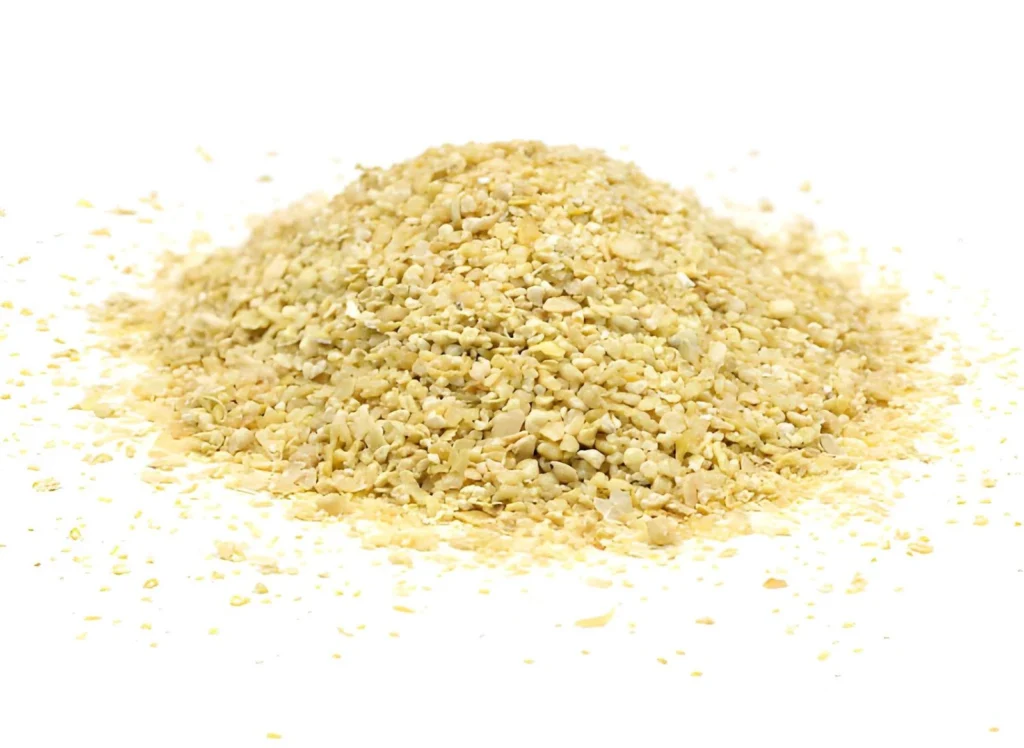
Soybean meal is a relatively nitrogen-rich plant meal that releases nutrients as microbes decompose it. It works best when incorporated before vigorous crop growth begins.
Choose a garden-labeled product with a guaranteed analysis. Because its release is biological, cold soil can delay the response, while excessive application may create odors or temporary plant stress.
9. Cottonseed Meal
Cottonseed meal generally supplies nitrogen with smaller quantities of phosphorus and potassium. It can be used as a preplant amendment or carefully measured side-dressing.
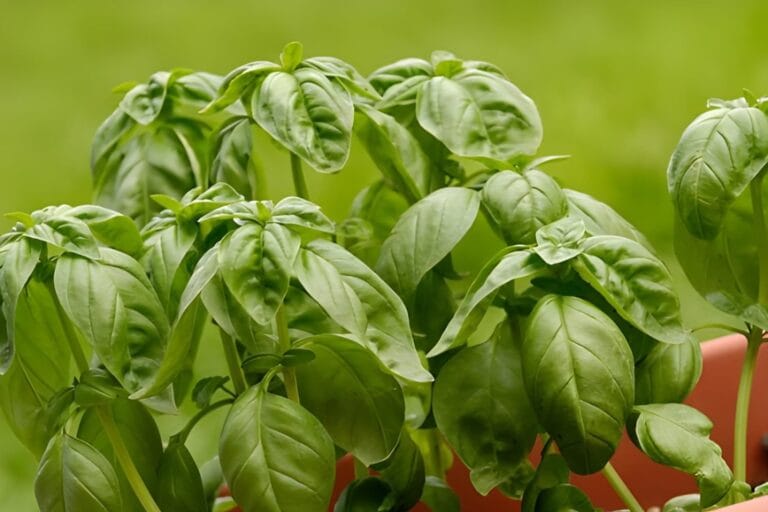
Do not rely on it to acidify soil predictably. Follow the product label and confirm that its source and formulation meet your gardening requirements. Herbs such as those covered in the beginner basil-growing guide normally need restrained feeding rather than repeated heavy applications.
10. Corn Gluten Meal
Corn gluten meal contains nitrogen, but it is also marketed as a preemergent weed-control material. That makes application timing particularly important because it can interfere with desirable garden seeds as well as weeds.
Use it only where the label permits, keep it away from newly seeded beds and do not expect it to control weeds that have already emerged.
11. Blood Meal
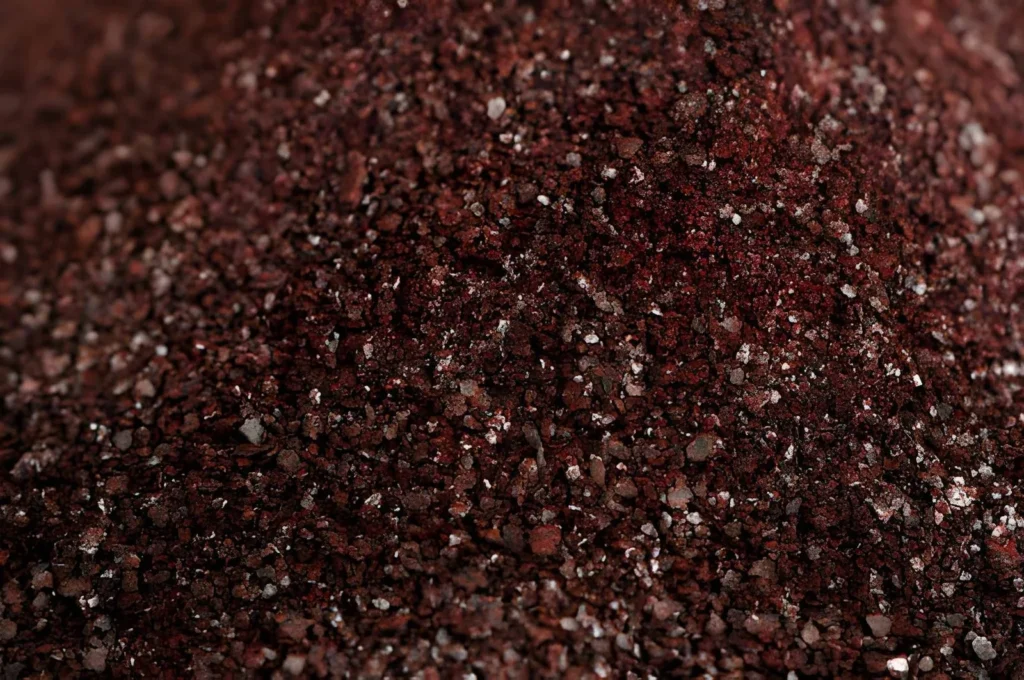
Blood meal is a concentrated and relatively fast organic nitrogen source. It is most appropriate when a soil test or crop recommendation calls for nitrogen without additional phosphorus.
Measure it carefully, distribute it evenly and keep it away from plant stems. Excess blood meal can damage plants or promote excessive leafy growth at the expense of flowers, roots and fruit.
12. Feather Meal
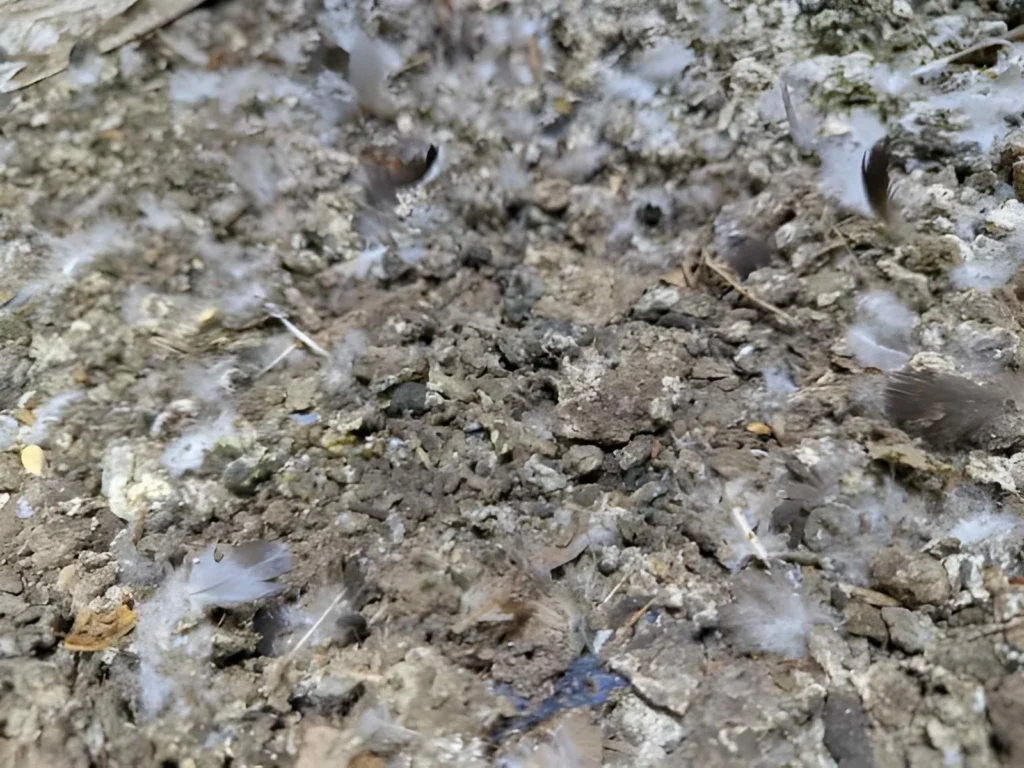
Feather meal contains substantial nitrogen but normally releases it more slowly than blood meal. Incorporate it before planting or early in the growing period so decomposition can begin before peak crop demand.
It can be useful where phosphorus is already sufficient or excessive. Label analysis and release claims vary with processing, so avoid substituting a generalized application rate for the manufacturer’s directions.
13. Fish Meal
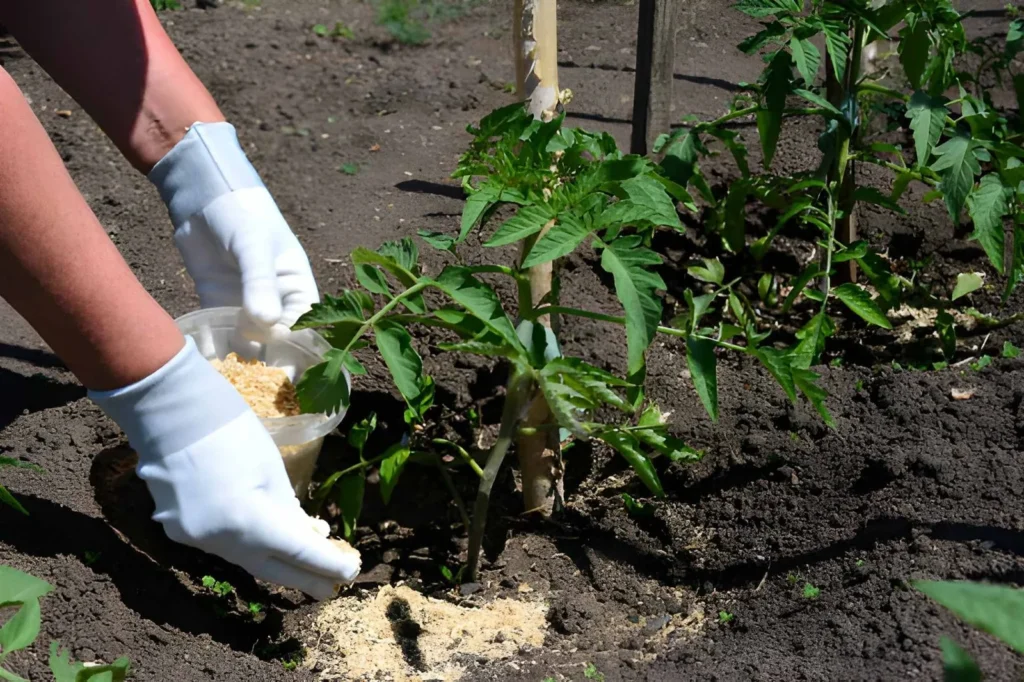
Fish meal is a dry, concentrated material that commonly supplies nitrogen and phosphorus. Mix it into the soil before planting instead of leaving it exposed on the surface.
Its odor can attract pets and wildlife, and unnecessary use can worsen excessive phosphorus. Select fish meal when both nitrogen and phosphorus are needed instead of treating it as a general cure for weak growth.
14. Fish Emulsion or Fish Hydrolysate
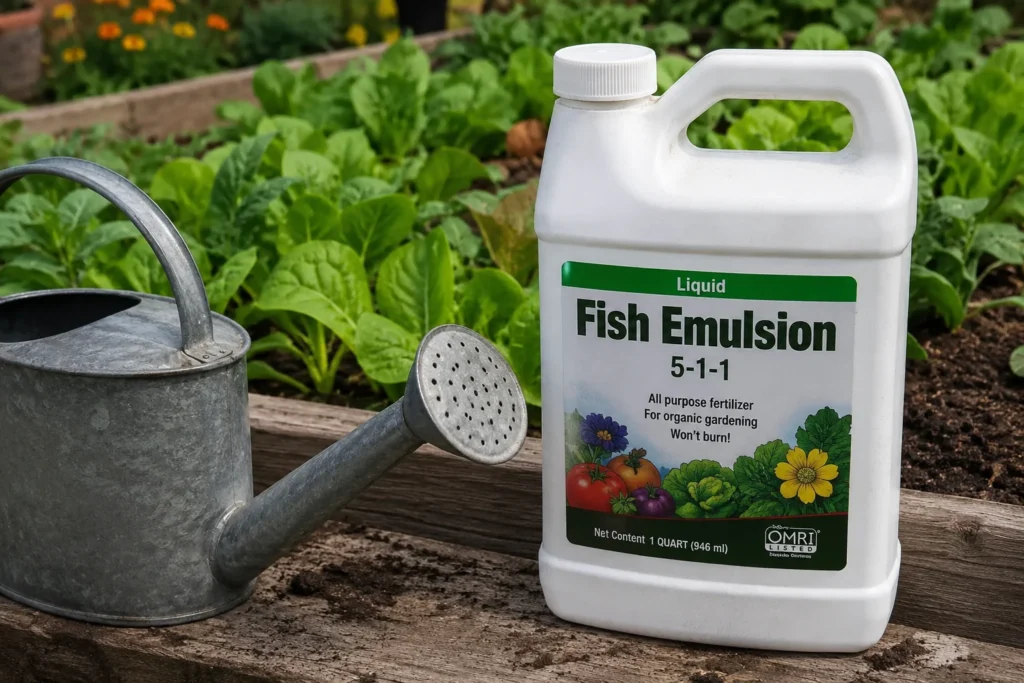
Fish emulsions and hydrolysates are liquid products that are diluted with water and used for established plants, containers or transplants. Their analyses and manufacturing methods differ, so treat them as individual products even when the names appear interchangeable.
A fish emulsion fertilizer concentrate should always be diluted according to its label. When starting seeds indoors, wait until seedlings are established and use only an appropriately diluted product if supplemental feeding is needed.
15. Bone Meal
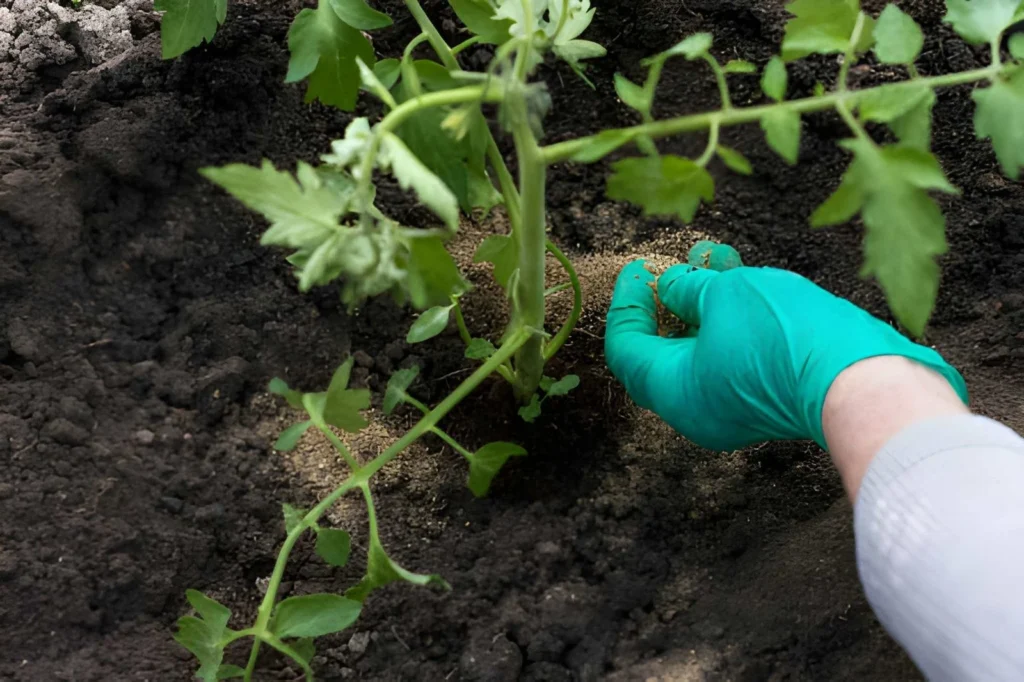
Bone meal supplies phosphorus and calcium, but it should be used only when testing indicates a need. Phosphorus availability from bone meal is limited in alkaline soil, making it a poor universal planting-hole amendment.
Incorporate the measured quantity into the soil rather than leaving it on the surface. Do not add bone meal automatically to every bulb, tomato plant or raised bed.
16. Rock Phosphate
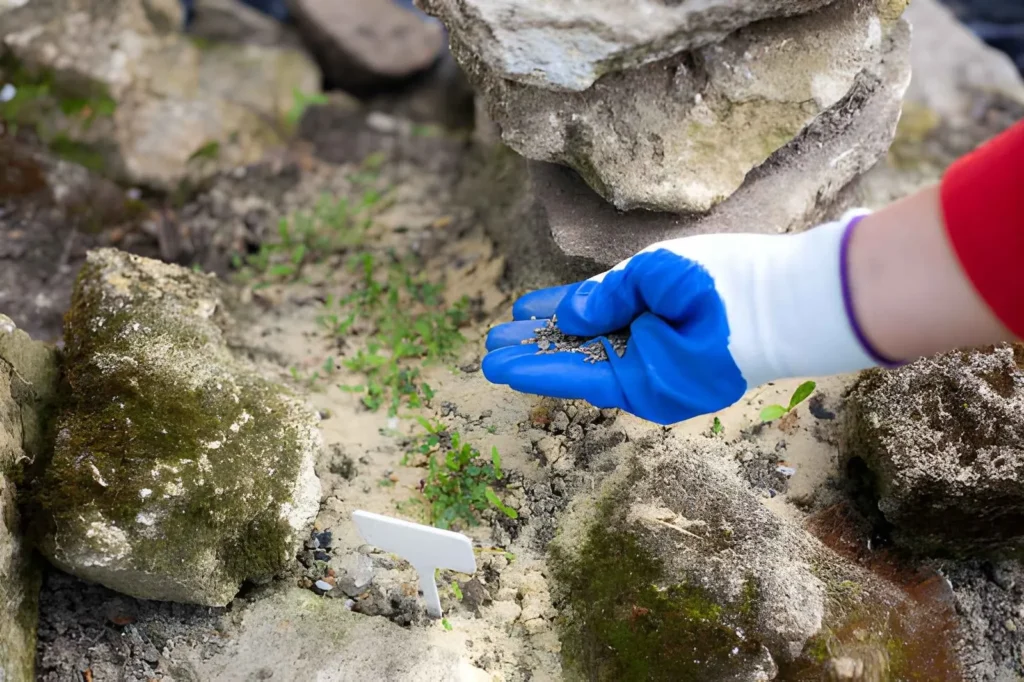
Rock phosphate is a mined phosphorus source with slow and soil-dependent availability. It is most useful where a test confirms low phosphorus and the soil conditions allow gradual nutrient release.
It will not provide a rapid correction in every garden, particularly in alkaline soil. Because phosphorus can accumulate and move into water, do not apply rock phosphate simply because it is naturally occurring.
17. Crab or Shellfish Meal
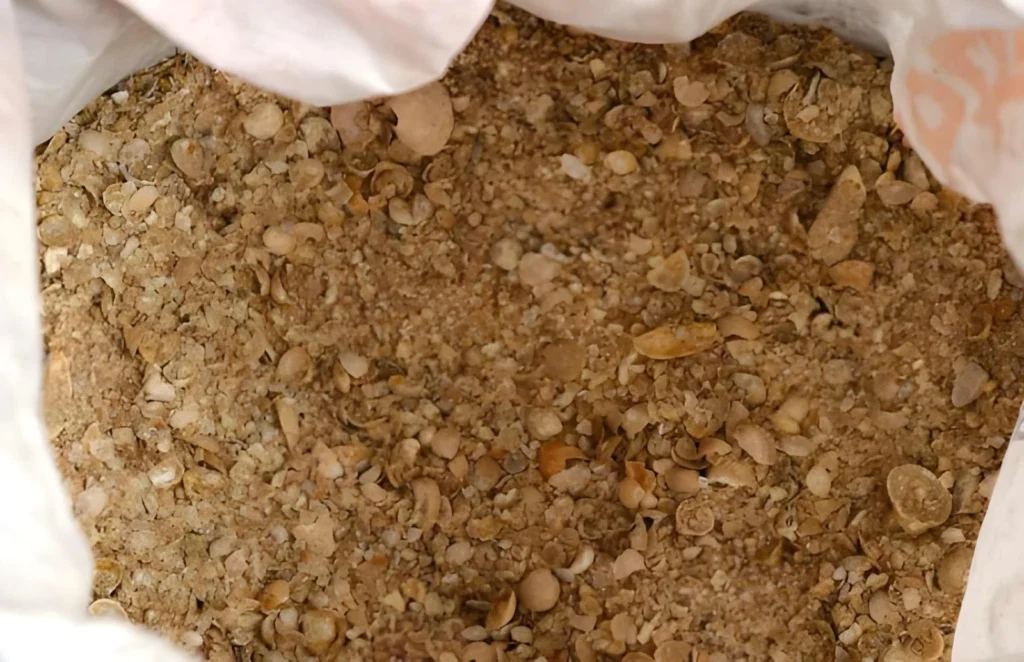
Shellfish meals can supply nitrogen, phosphorus and calcium in varying proportions. Mix a labeled product into the soil before planting or apply it as directed around established crops.
Do not assume it controls insects or plant diseases unless a registered product label specifically supports that use. Store shellfish meal securely because its animal-derived odor may attract pets and wildlife.
18. Bat or Seabird Guano
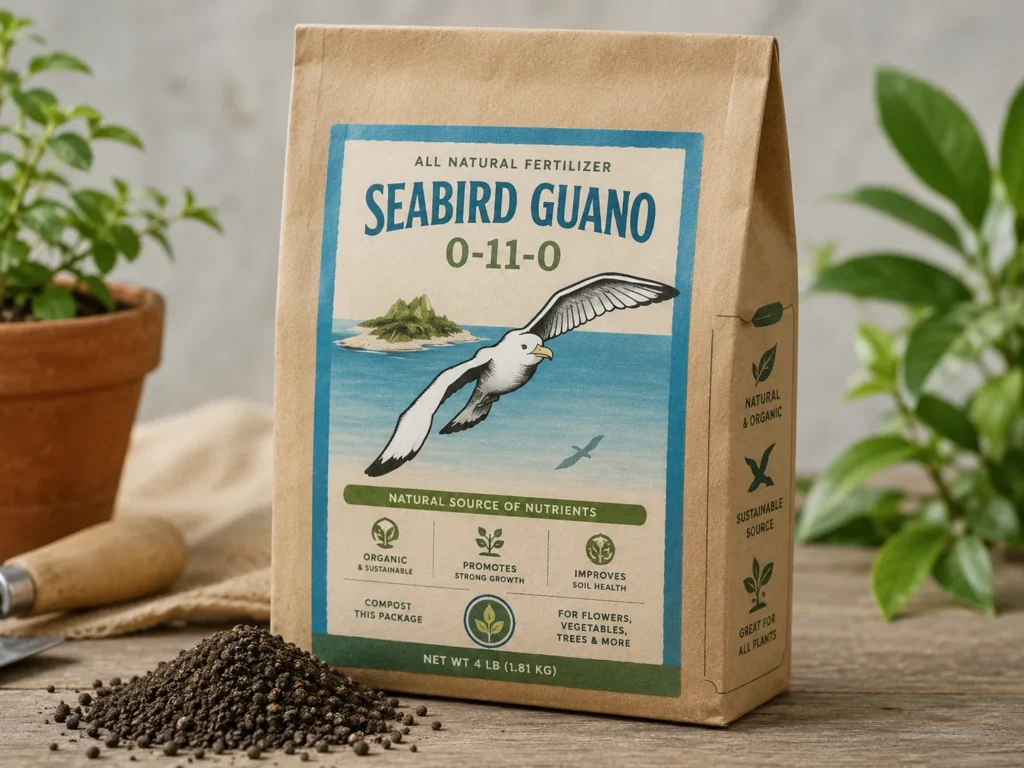
Guano products vary dramatically. Some emphasize nitrogen, while others contain more phosphorus. Choose a product by its guaranteed analysis instead of relying on the general name.
Measure it carefully and verify how it was processed. USDA guidance treats uncomposted or insufficiently processed guano as subject to raw-manure restrictions, which is important when it is applied around food crops.
19. Kelp Meal
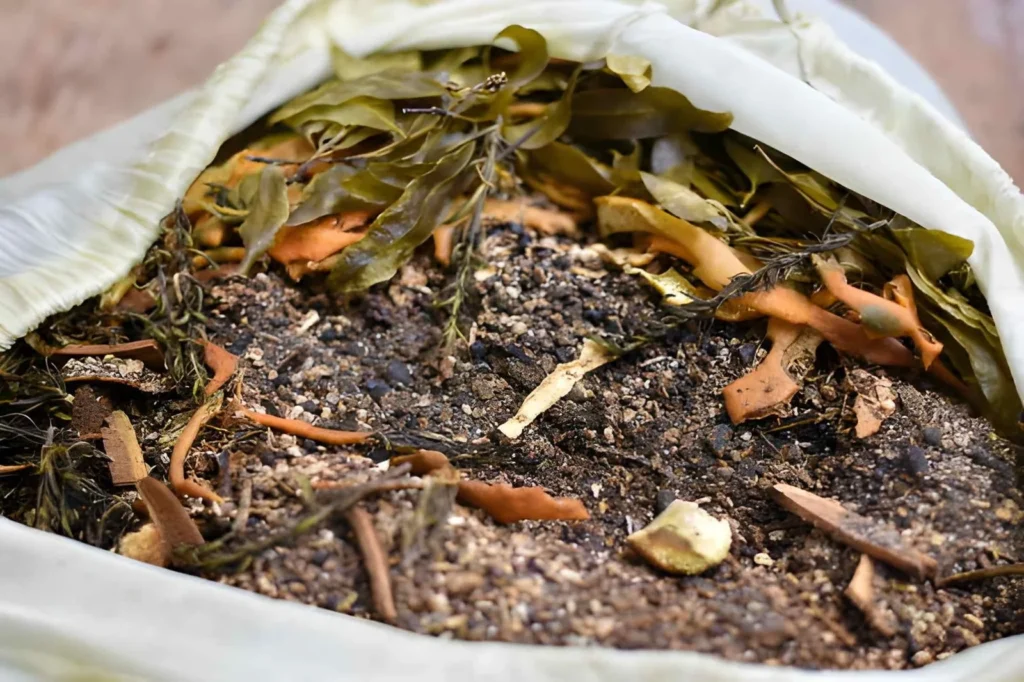
Kelp meal is a dry seaweed product used mainly for potassium and trace minerals, depending on its analysis. It is not normally a strong source of nitrogen or phosphorus.
Incorporate it before planting or cultivate a labeled amount into the soil surface. Avoid unsupported claims that kelp meal can replace every major nutrient or guarantee resistance to drought, pests or plant diseases.
20. Liquid Seaweed or Kelp Extract
Liquid seaweed products are convenient for containers and established transplants, but many contain only small quantities of the three major nutrients.
Dilute and apply them exactly as labeled. Consider liquid seaweed a supplement rather than a complete feeding program unless its guaranteed analysis demonstrates otherwise. More frequent application is not automatically more effective.
21. Greensand
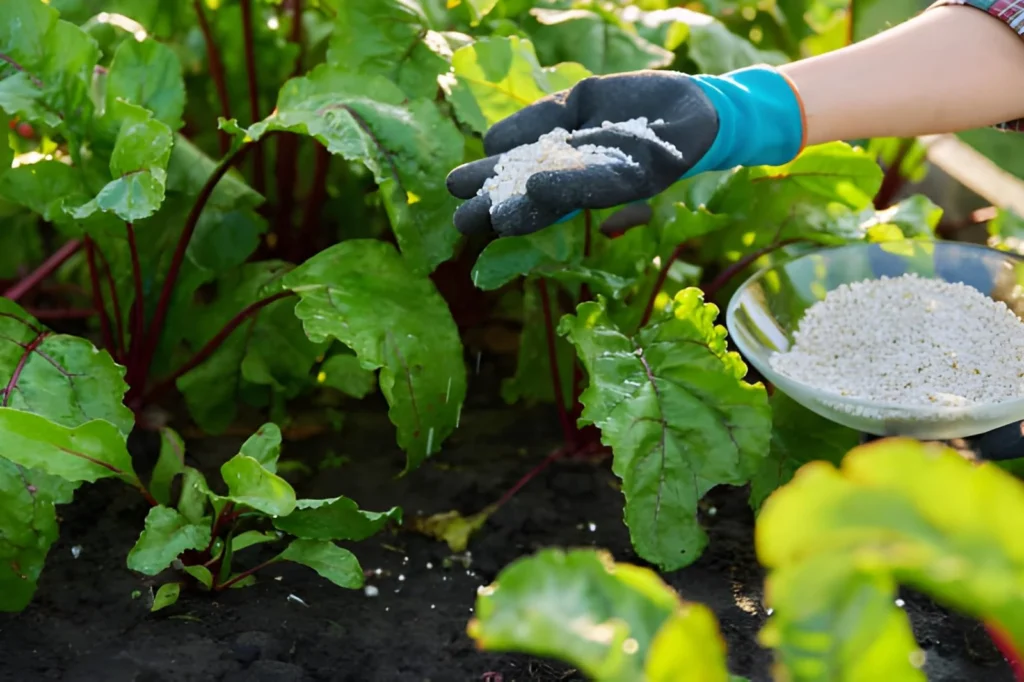
Greensand is a mined mineral material commonly promoted as a potassium and trace-mineral source. Its nutrient release is slow, and its practical value depends on the product, soil chemistry and crop requirements.
Use it only when the soil test and product label support the application. Greensand is not a quick treatment for visible potassium deficiency during active plant growth.
22. Langbeinite or Sulfate of Potash-Magnesia
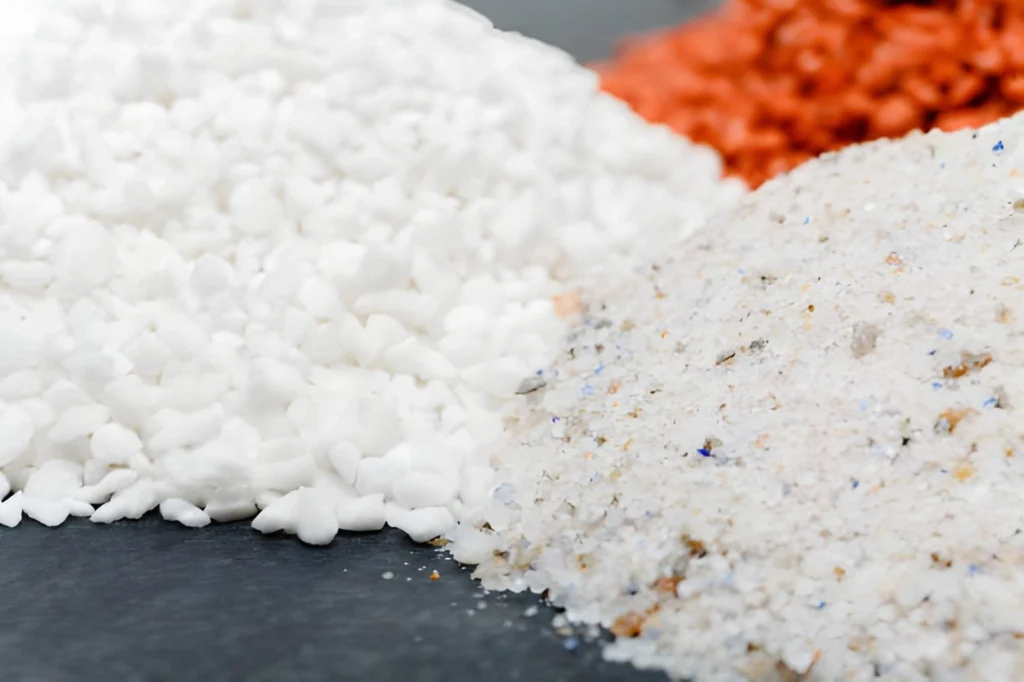
Langbeinite is a naturally occurring mineral that supplies potassium, magnesium and sulfur without adding phosphorus. It can be useful when testing shows that combination of nutrient deficiencies.
Because it is relatively concentrated, weigh or measure it accurately and distribute it evenly through the treatment area. Do not apply langbeinite where magnesium or potassium is already sufficient or excessive.
23. Clean Wood Ash
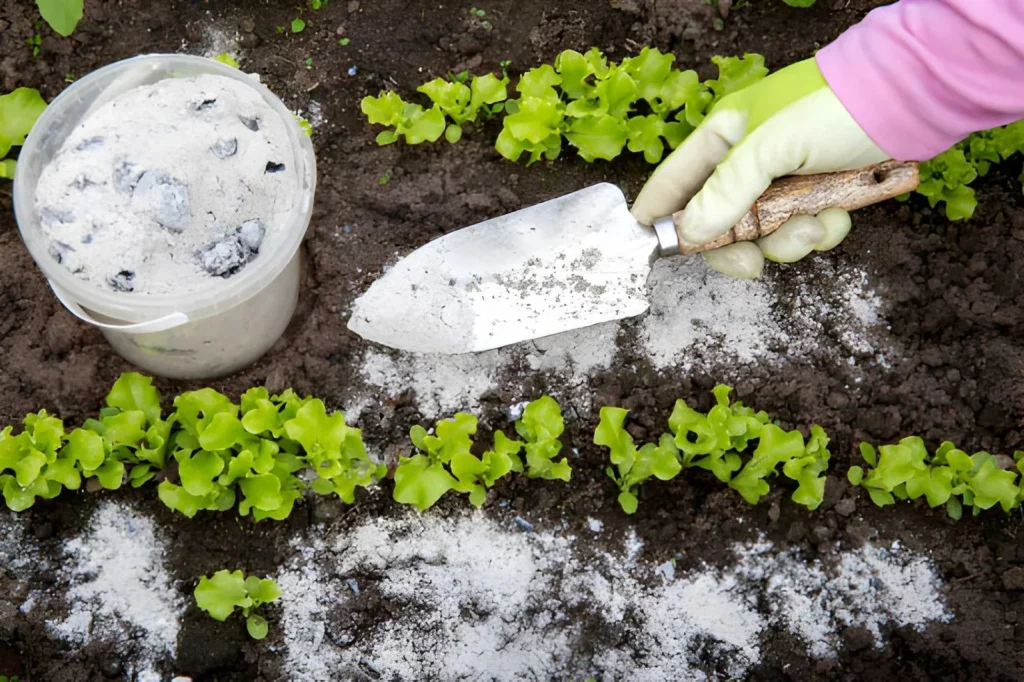
Wood ash contains potassium, calcium and other minerals, but it also acts as a liming material and can raise soil pH. Use it only where testing shows both acidic soil and a potassium need.
Oregon State University Extension advises against applying wood ash where soil pH is already 7.0 or higher. Use only ash from clean, untreated wood. Never use coal ash, trash ash or ash from painted, stained or chemically treated lumber.
How to Apply Organic Fertilizer Types Safely
- Test the soil. Match the fertilizer to the documented nutrient and pH recommendation.
- Read the analysis. Compare nitrogen, phosphate and potash rather than relying on marketing language.
- Measure the growing area. Calculate the actual bed or container area before converting the label rate.
- Use an accurate measure. Do not estimate concentrated meals or mineral fertilizers by the handful.
- Keep fertilizer away from stems. Spread it through the recommended root zone instead of piling it against the plant crown.
- Incorporate it when directed. Dry meals often work better when mixed into moist soil instead of remaining exposed.
- Water appropriately. Follow the label and avoid applying before heavy rain that may wash nutrients away.
- Record the application. Note the product, analysis, quantity, treated area and date so it is not accidentally applied twice.
A garden fertilizer measuring scoop helps you apply repeatable quantities instead of estimating by hand. Use separate tools for garden products and food, and wash reusable equipment after the application is complete.
Return unused material to its original package or place the sealed package inside an airtight fertilizer storage container. Store it in a dry, secure location away from children, pets, animal feed, seeds and household food-storage areas.
Protect children, pets and wildlife
Blood meal, bone meal, fish meal, guano and manure-based fertilizers can attract animals. Store products in sealed containers, clean spills immediately and restrict access to recently treated areas as directed by the label. The ASPCA advises that fertilizer ingestion can cause serious illness in pets. Contact a veterinarian or animal poison-control service promptly if ingestion is suspected.
Common Organic Fertilizer Mistakes
- Skipping the soil test: Symptoms such as yellow leaves can result from watering, root, pH, disease or temperature problems—not only nutrient deficiency.
- Adding phosphorus automatically: Bone meal, manure, guano and fish meal can worsen existing phosphorus buildup.
- Treating compost as unlimited: Compost can contribute salts and nutrients even when its N-P-K numbers appear low.
- Ignoring release speed: A slow meal may not correct an immediate deficiency, while a concentrated liquid can overwhelm sensitive roots.
- Mixing several complete products: Combining fertilizers can duplicate nutrients and exceed the intended application rate.
- Fertilizing dry or stressed plants: Correct watering, root damage, compaction or extreme-temperature problems before assuming plants need more fertilizer.
- Using home remedies as complete fertilizers: Coffee grounds and eggshells are better directed into a managed compost system than treated as predictable, balanced plant food.
- Ignoring runoff: Keep fertilizer off pavement and away from wells, drains, streams and other surface water.
Frequently Asked Questions About Organic Fertilizer Types
Which organic fertilizer is best for a vegetable garden?
There is no universal best product. Finished compost is useful for organic matter, but a soil test may call for additional nitrogen without phosphorus. In that situation, a labeled blood meal, feather meal or suitable plant meal may be more appropriate than manure or bone meal.
How often should organic fertilizer be applied?
Follow the product label and crop-specific soil-test recommendation. Liquid products may require more frequent diluted applications, while slow-release meals may be incorporated once before planting. Do not reapply merely because an arbitrary number of weeks has passed.
Can organic fertilizer burn plants?
Yes. Concentrated fertilizer, fresh manure, excessive salts or material placed directly against roots and stems can damage plants. Measure every product, distribute it evenly and water according to the label.
Is compost enough fertilizer for every garden?
No. Compost composition varies, and a mature garden may already contain excessive phosphorus or potassium from repeated applications. Use compost to improve soil where appropriate, then let testing determine whether a more targeted nutrient source is needed.
Are coffee grounds a good organic fertilizer?
Coffee grounds contribute organic material and small quantities of nutrients, but they are not a dependable complete fertilizer and do not consistently acidify soil. Composting modest quantities with other ingredients is usually more practical than applying thick layers directly around plants.
Can several organic fertilizers be mixed together?
Only when the combined nutrient calculation and product labels support the mixture. Blending compost, manure, bone meal and a complete fertilizer can unintentionally multiply phosphorus or potassium. Beginners will usually find one targeted product easier to measure and evaluate.
Does natural fertilizer qualify for certified organic gardening?
Not automatically. Certified operations must comply with USDA organic regulations and the National List, including restrictions connected to processing methods, additives and manure handling. Confirm every commercial input with the certifier before use.
Choose Organic Fertilizer by Need, Not Popularity
The most useful lesson from comparing these 23 organic fertilizer types is that every material has a specific role. Compost and cover crops support long-term soil management. Meals and liquid feeds deliver more concentrated nutrients. Mined minerals and wood ash should address documented soil conditions instead of becoming routine additions.
Start with a soil test, select the narrowest product that meets the recommendation and record what you apply. If your goal is to reduce purchased inputs while improving garden soil, continue with Dreamsteading’s practical composting guide for beginners.
Get More Practical Dreamsteading Guidance
Join the Dreamsteading newsletter for beginner-friendly gardening, food-preservation, homesteading and outdoor-project guidance presented in a practical, manageable format.
Related Dreamsteading Articles
- Composting for Beginners
- Raised Bed Gardening Guide
- Crop Rotation for Beginners
- 10 Easy Vegetables to Grow for Beginners
Sources and Further Reading
- Utah State University Extension: Selecting and Using Organic Fertilizers — explains fertilizer labels, nutrient selection and common organic fertilizer materials.
- University of Minnesota Extension: Soil Testing for Lawns and Gardens — supports soil-test interpretation and cautions about nutrient accumulation from compost and manure.
- Colorado State University Extension: Organic Fertilizers — compares nutrient analyses, release periods and uses of common organic fertilizers.
- USDA Agricultural Marketing Service: Soil Building—Manures and Composts — provides the 90- and 120-day raw-manure requirements.
- Oregon State University Extension: Fertilizing Your Garden — covers garden nutrient management, organic materials and wood-ash precautions.
- USDA National List of Allowed and Prohibited Substances — explains material restrictions in certified organic production.
- ASPCA: Tips for a Pet-Safe Yard and Garden — supports precautions for animal-derived fertilizers around pets.