Homesteading for Beginners: 15 Simple Steps to Start a Self-Sufficient Life
Homesteading for beginners does not have to start with a farm, a big piece of land, or a perfect country house.
You can start homesteading from where you are right now.
You can grow herbs on a windowsill, cook more meals from scratch, start a few seeds indoors, build a small pantry, learn to preserve food, compost kitchen scraps, repair simple things, or plan a backyard garden one step at a time.
That is what I love about modern homesteading.
It is not about doing everything at once.
It is about becoming more capable, more intentional, and more connected to the food and systems that support your home.
Maybe you live in an apartment. Maybe you have a small backyard. Maybe you are in the suburbs. Maybe you dream of land someday. Wherever you are, you can begin building homesteading skills now.
This guide will walk you through the best beginner steps, what to learn first, what mistakes to avoid, and how to create a realistic homesteading plan that fits your life.
Affiliate Disclosure
This post may contain affiliate links. If you buy through these links, Dreamsteading may earn a small commission at no extra cost to you. I only recommend practical homesteading tools, supplies, books, and resources that fit a beginner-friendly self-sufficient lifestyle.
Table of Contents
What Is Homesteading?
Homesteading is a lifestyle focused on becoming more self-sufficient at home.
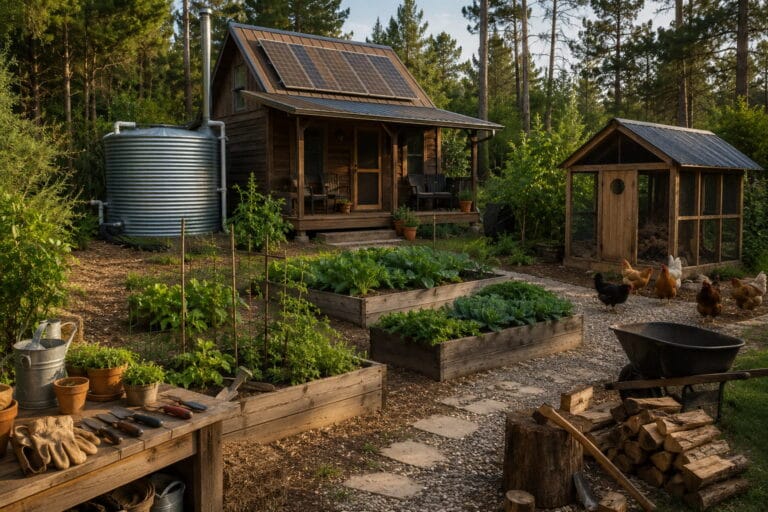
For some people, that means living on land, growing most of their food, raising animals, preserving harvests, and using off-grid systems.
For others, it means growing herbs on a balcony, cooking from scratch, building a pantry, reducing waste, learning simple repairs, and relying less on convenience.
Modern homesteading can include:
- Gardening
- Seed starting
- Food preservation
- Pantry building
- Cooking from scratch
- Composting
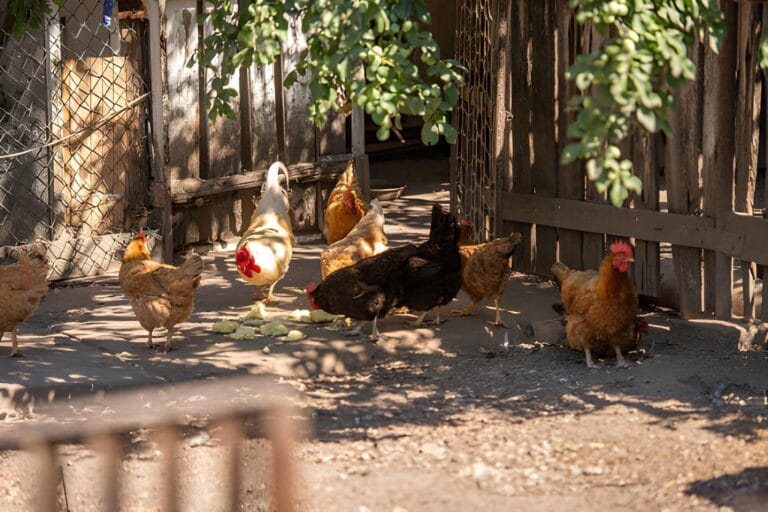
- Raising chickens
- Basic DIY skills
- Simple living
- Budgeting
- Off-grid skills
- Natural home routines
- Small backyard projects
You do not need to do all of these at once.
A beginner homestead is built one habit and one skill at a time.
If you want a clear skill path, Essential Homesteading Skills for Beginners is a good place to continue after this guide.
Can You Start Homesteading Without Land?
Yes, you can absolutely start homesteading without land.
This is one of the biggest mindset shifts for beginners.
You do not need acreage to begin. You can start with what you have.
If you live in an apartment, you can grow herbs, start a pantry, cook from scratch, preserve small batches of food, dry herbs, reduce waste, and learn practical skills.
If you have a balcony, you can grow herbs, lettuce, peppers, strawberries, and container vegetables.
If you have a backyard, you can add raised beds, compost, chickens if allowed, rainwater collection if legal in your area, and small DIY projects.
If you live in the suburbs, you can build a very productive small homestead with containers, raised beds, pantry storage, and seasonal routines.
Homesteading is not only about land.
It is about learning how to take more responsibility for your food, home, and daily life.
If you are starting in a small space, How to Start Homesteading in an Apartment and Balcony Herb Garden will help you build useful skills before you ever move.
The Best Way to Start Homesteading as a Beginner
The best way to start homesteading is to choose one simple goal first.
Do not try to garden, can, raise chickens, bake bread, install solar power, build a coop, and start composting all in the same month.
That is how beginners burn out.
Start with one area:
- Grow food
- Preserve food
- Build a pantry
- Learn basic tools
- Cook from scratch
- Start composting
- Plan chickens
- Learn off-grid basics
Then choose one small project inside that area.
For example, instead of saying, “I want to grow all my food,” start with, “I will grow basil, lettuce, and tomatoes this season.”
Instead of saying, “I want to preserve everything,” start with, “I will learn refrigerator pickles or dried herbs.”
Instead of saying, “I want chickens,” start with, “I will research local rules, coop needs, feed costs, and beginner breeds.”
A homesteading planner can help you organize your goals, seasonal tasks, garden notes, pantry inventory, and skill-building plan.
The simpler your first step is, the more likely you are to keep going.
Start With Food: Grow Something Simple
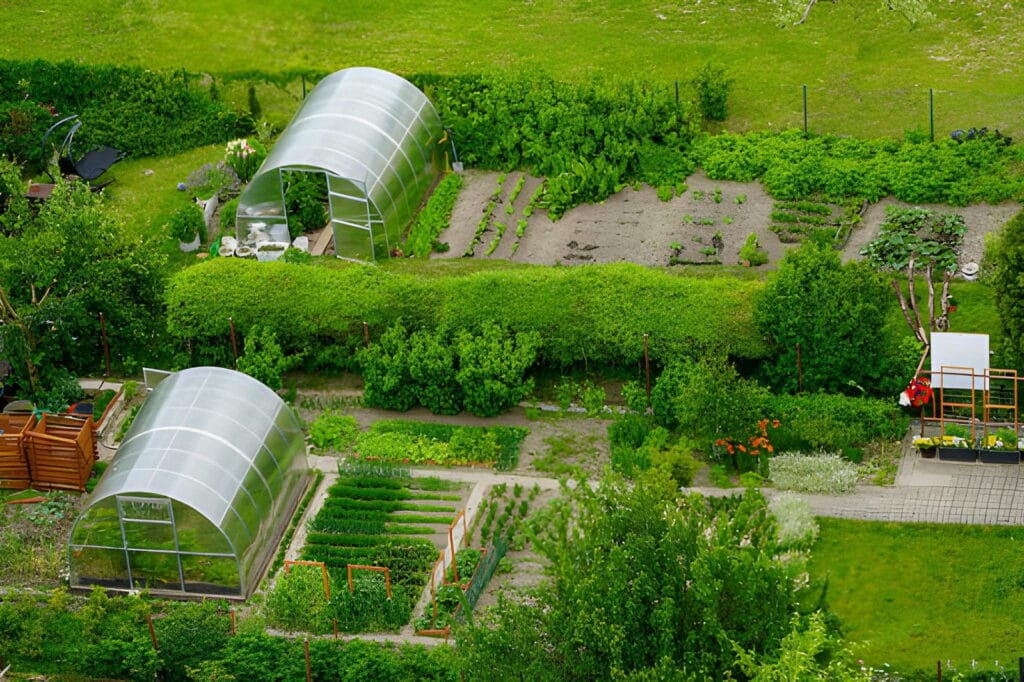
Food is one of the best places to begin homesteading.
Growing even a small amount of food changes the way you see your home. It teaches patience, observation, and appreciation for simple meals.
Start with easy crops.
Good beginner options include:
- Basil
- Mint
- Parsley
- Lettuce
- Radishes
- Green onions
- Cherry tomatoes
- Peppers
- Spinach
- Kale
- Bush beans
If you are brand new, herbs are the easiest place to start. They grow well in pots, they are useful in the kitchen, and they help you feel successful quickly.
A beginner gardening tool set, gardening gloves, and soil test kit can make your first garden easier to manage without buying too many supplies.
If you have outdoor space, a raised bed garden kit can give you a clean, organized growing area. Raised beds are especially helpful if your native soil is poor or you want a beginner-friendly layout.
For more help choosing easy crops, read 10 Easy Vegetables to Grow for Beginners.
If you want a full raised bed setup, Raised Bed Gardening Guide will help you understand bed size, soil, materials, and planting basics.
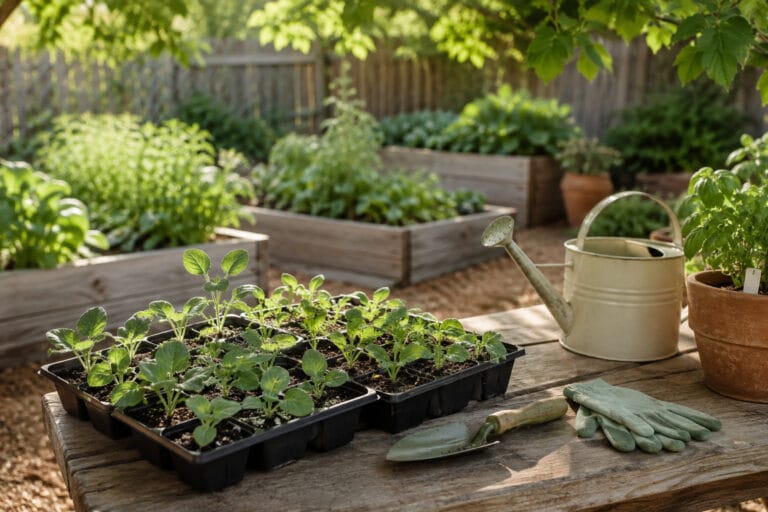
If you want to grow from seed, Seed Starting Indoors is a useful skill because it lets you grow more varieties for less money.
Learn Basic Food Preservation
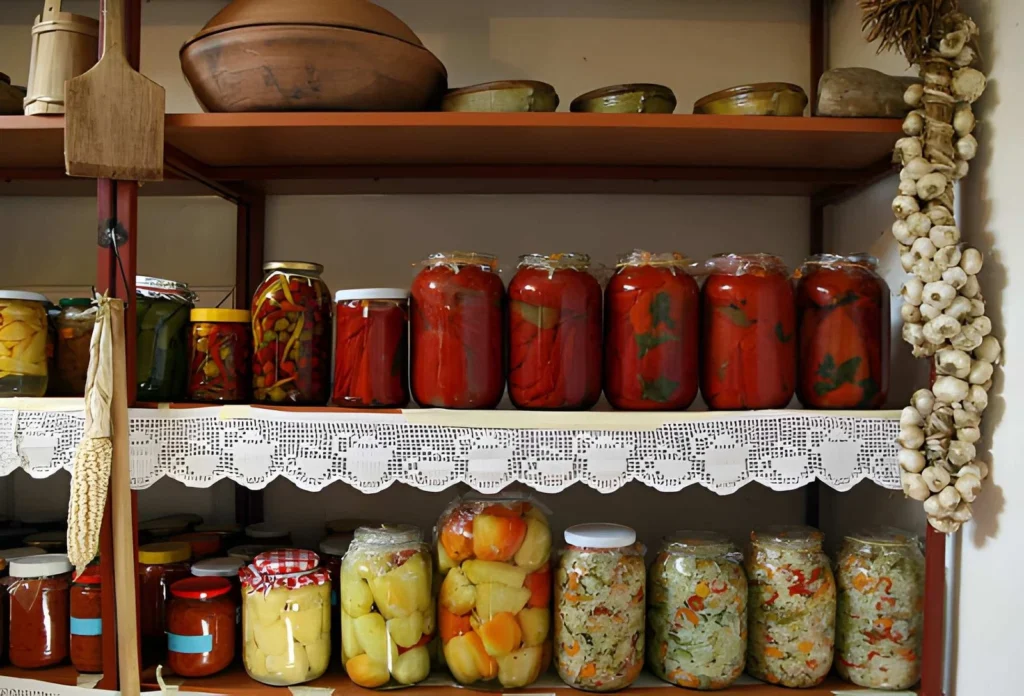
Food preservation is one of the most valuable homesteading skills.
It helps you waste less food, save seasonal produce, and build a more useful pantry.
Beginners can start with simple methods before moving into advanced canning.
Good beginner preservation methods include:
- Freezing vegetables and fruit
- Drying herbs
- Making refrigerator pickles
- Dehydrating fruit or herbs
- Water bath canning high-acid foods
- Storing pantry staples properly
A food dehydrator is helpful for herbs, fruit, vegetables, and simple dried snacks.
A herb drying rack is useful if you grow herbs and want a simple way to preserve them for cooking.
If you want to dry herbs from your garden, read How to Dry Herbs.
If you want to learn the bigger picture, Food Preservation Methods for Beginners explains the main preservation options and helps you choose where to start.
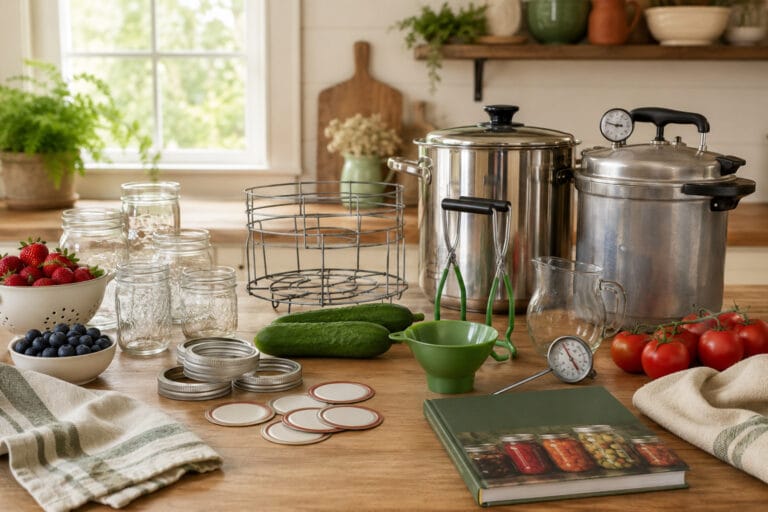
For shelf-stable jars, begin carefully. A water bath canning kit, wide-mouth mason jars, and safe tested recipes are helpful supplies, but food safety matters.
Start with Water Bath Canning for Beginners, then read Home Canning Essentials before making pantry-stable jars.
Build a Simple Homestead Pantry
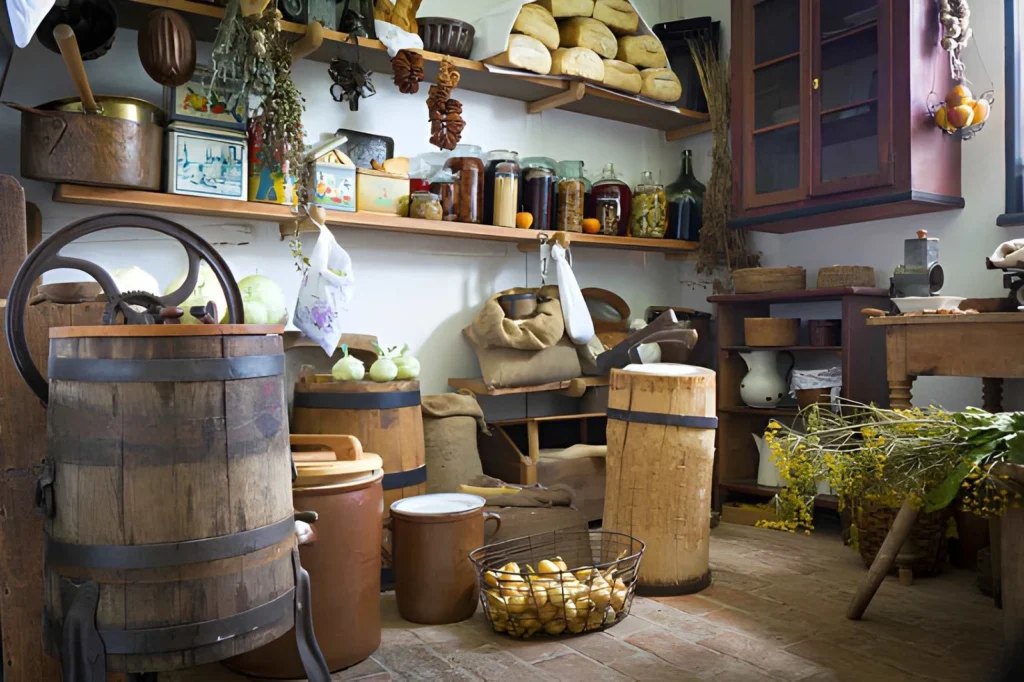
A homestead pantry is not just a pretty shelf of jars.
It is a practical system that helps you cook better, waste less, and feel more prepared.
A beginner pantry can include:
- Rice
- Pasta
- Oats
- Beans
- Lentils
- Flour
- Sugar
- Salt
- Vinegar
- Canned tomatoes
- Broth
- Spices
- Dried herbs
- Jam
- Pickles
- Dehydrated foods
- Baking basics
Start with foods you already eat.
Do not buy 50 pounds of something your family dislikes just because it looks “homesteady.”
A good pantry should match your real meals.
Use jars, bins, labels, and a simple list to track what you have. This helps you avoid buying duplicates and forgetting what is already stored.
You can also use a homesteading planner to track pantry inventory, food preservation dates, and seasonal storage goals.
A pantry gives you flexibility.
When you have basic ingredients at home, it becomes easier to cook from scratch, preserve harvests, and reduce grocery stress.
Learn to Cook More From Scratch
Cooking from scratch is one of the most practical homesteading habits.
You do not need to become a professional baker or make every single item from zero.
Start with simple meals and basic skills.
Learn how to make:
- Soup
- Bread
- Beans
- Rice dishes
- Roasted vegetables
- Simple sauces
- Salad dressings
- Pickles
- Jam
- Herb butter
- Pantry meals
Cooking from scratch helps you use what you grow, what you preserve, and what you store.
Fresh herbs from your balcony can flavor soup.
Dried herbs can season winter meals.
Canned tomatoes can become sauce.
Pickles can brighten sandwiches.
A jar of preserved jam can make breakfast feel special.
This is where homesteading starts to feel connected. Gardening, pantry building, food preservation, and cooking all begin to work together.
Compost and Improve Your Soil
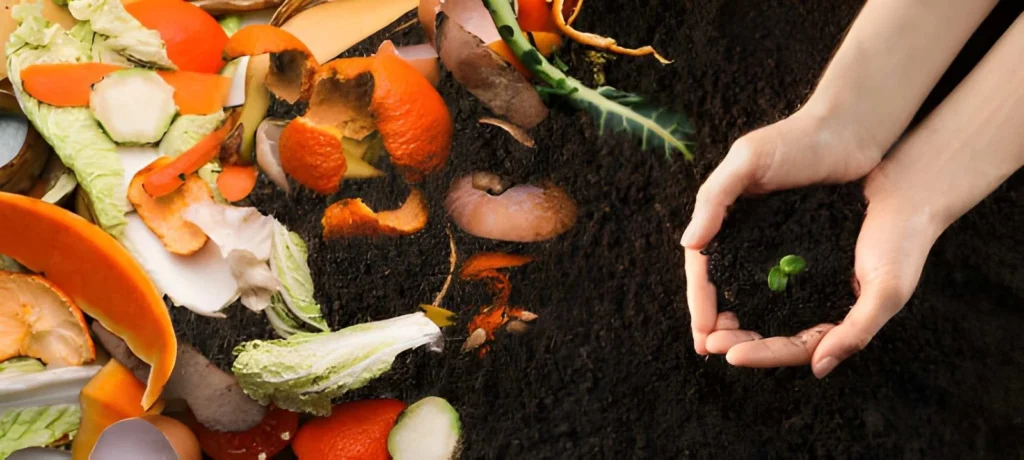
Good soil is the foundation of a productive homestead garden.
Composting turns kitchen scraps, leaves, and yard waste into organic matter that can improve your garden over time.
You can compost in many ways:
- Outdoor compost pile
- compost bin
- Tumbler composter
- Worm bin
- Small-space compost system
- Community composting
For beginners, a compost bin is often the easiest way to keep the process contained and organized.
Compost can help improve soil structure, moisture retention, and nutrient availability. That means healthier soil and stronger plants.
Start with basic compost materials:
- Fruit and vegetable scraps
- Coffee grounds
- Eggshells
- Dry leaves
- Shredded cardboard
- Grass clippings
- Plant trimmings
Avoid adding meat, dairy, oily foods, pet waste, or diseased plants to a beginner compost pile.
If composting feels confusing, start with Composting for Beginners and keep it simple.
You do not need perfect compost to begin learning.
You only need to start paying attention to soil.
Raise Chickens Only When You Are Ready
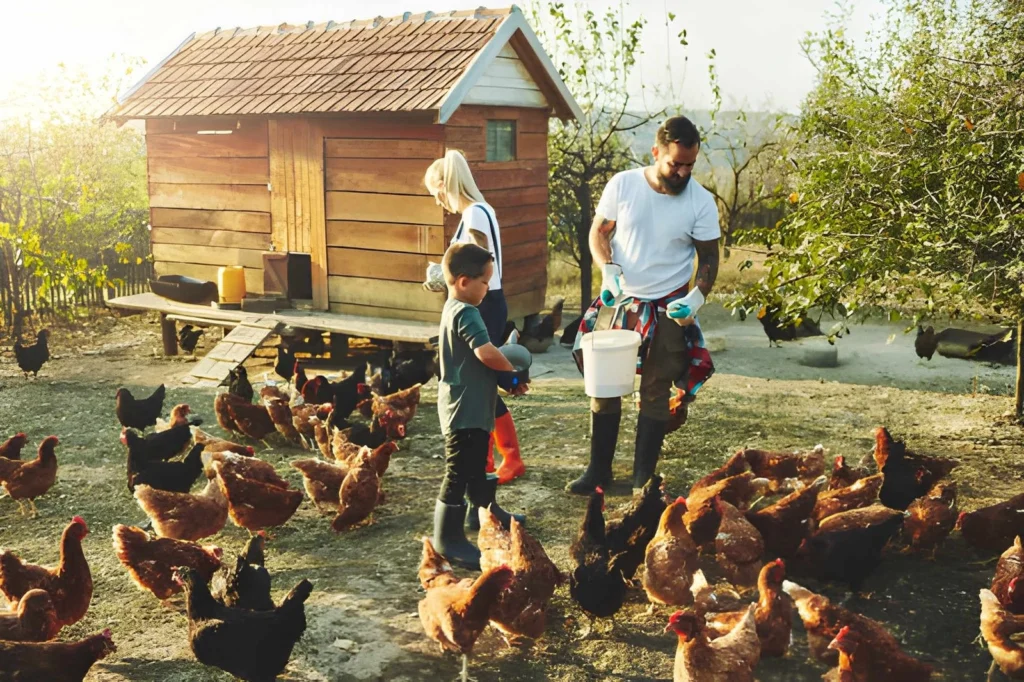
Chickens are exciting, but they are not the first step for everyone.
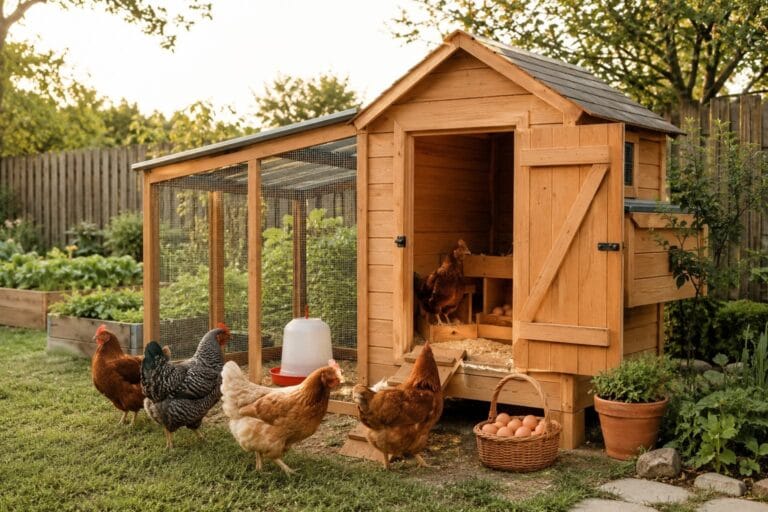
Before getting chickens, you need to understand local rules, coop requirements, feed costs, predator protection, daily care, bedding, cleaning, and health basics.
Chickens need:
- A secure coop
- A safe run
- Clean water
- Balanced feed
- Bedding
- Nesting boxes
- Predator protection
- Daily care
- Regular cleaning
- Basic first aid awareness
A chicken feeder and waterer is essential before bringing hens home.
You will also need bedding, feed storage, nesting materials, cleaning tools, and a safe coop setup.
Do not buy chickens because they look cute online.
Research first.
Read Raising Chickens for Beginners to understand the full responsibility.
Then read Backyard Chicken Keeping for supplies, setup, and beginner mistakes.
Chickens can be a wonderful part of a homestead, but they should come after you are prepared.
Learn Practical Homesteading Skills
Homesteading is not only about food.
It is also about skills.
The more skills you learn, the more confident you become at home.
Useful beginner homesteading skills include:
- Growing vegetables
- Starting seeds
- Composting
- Cooking from scratch
- Preserving food
- Pantry organization
- Basic sewing
- Simple repairs
- Tool use
- Budgeting
- Planning
- Chicken care
- Water storage
- Seasonal routines
- Simple DIY projects
A few good tools can help you start repairing and building small projects.
You do not need a full workshop, but basic items like gloves, a hammer, measuring tape, screwdriver set, hand trowel, pruners, and storage bag are useful.
If you want to learn more self-sufficient systems later, Off Grid Living for Beginners can help you understand power, water, food, tools, and safety in a realistic way.
If you want to keep learning from trusted resources, Best Homesteading Books for Beginners can help you build a small practical library.
If you want your homesteading skills to become income someday, Homesteading Jobs for Beginners can give you ideas for turning simple skills into side income.
Build a Beginner Homestead Plan
A homestead plan keeps you from doing too much at once.
You do not need a complicated binder.
You need a simple path.
30-Day Beginner Plan
Week 1: Choose Your First Homesteading Goal
Pick one focus.
Examples:
- Grow herbs
- Start a pantry
- Learn food preservation
- Begin composting
- Cook from scratch
- Research chickens
- Learn basic tools
Write down why this goal matters to you.
Then choose one small action.
Week 2: Start One Food-Growing Project
Plant one herb, start lettuce, set up a container garden, or start seeds indoors.
Use seed starting trays if you want to grow from seed.
Keep the project small enough to manage.
Week 3: Learn One Food Preservation Method
Choose one simple method.
You could dry herbs, freeze chopped vegetables, make refrigerator pickles, or learn the basics of water bath canning.
Start with something low-pressure.
Week 4: Organize Your Pantry and Plan the Next Skill
Look at what you already have.
Organize dry goods, label jars, write a basic inventory, and choose your next skill for the next month.
90-Day Beginner Plan
In 90 days, you can make real progress without overwhelming yourself.
Focus on:
- Growing one to three simple crops
- Building a basic pantry
- Learning one preservation method
- Starting compost
- Cooking more from scratch
- Reading one beginner homesteading book
- Tracking expenses
- Planning seasonal goals
1-Year Beginner Plan
In one year, your goal is not perfection.
Your goal is rhythm.
By the end of the year, you may have:
- Grown several herbs or vegetables
- Started composting
- Preserved one or more foods
- Built a small pantry
- Learned basic tools
- Cooked more from scratch
- Researched chickens
- Planned future garden beds
- Created seasonal routines
- Learned what you actually enjoy
That is real progress.
Common Homesteading Mistakes Beginners Make
Taking on Too Much at Once
This is the most common beginner mistake.
Homesteading is exciting, but too many new projects at once can become stressful.
Start with one or two skills.
Build slowly.
Thinking You Need Land First
Land can be useful, but it is not required to begin.
You can learn many homesteading skills in a kitchen, balcony, backyard, or small home.
Buying Too Many Tools and Supplies
Do not buy everything at once.
Start with practical basics like a beginner gardening tool set, gardening gloves, seed starting trays, or wide-mouth mason jars based on your first project.
Buy tools because you need them, not because they look nice.
Ignoring Local Rules
Before raising chickens, collecting rainwater, building structures, or selling homemade goods, check local rules.
This protects you from expensive mistakes.
Skipping Food Safety
Food preservation is useful, but it needs to be done safely.
Use trusted recipes for canning, correct jars, proper processing, and safe storage.
Comparing Your Journey to Others
Do not compare your small beginning to someone else’s established homestead.
You are seeing their current season, not their first season.
Your job is to start where you are.
Beginner Homesteading Checklist
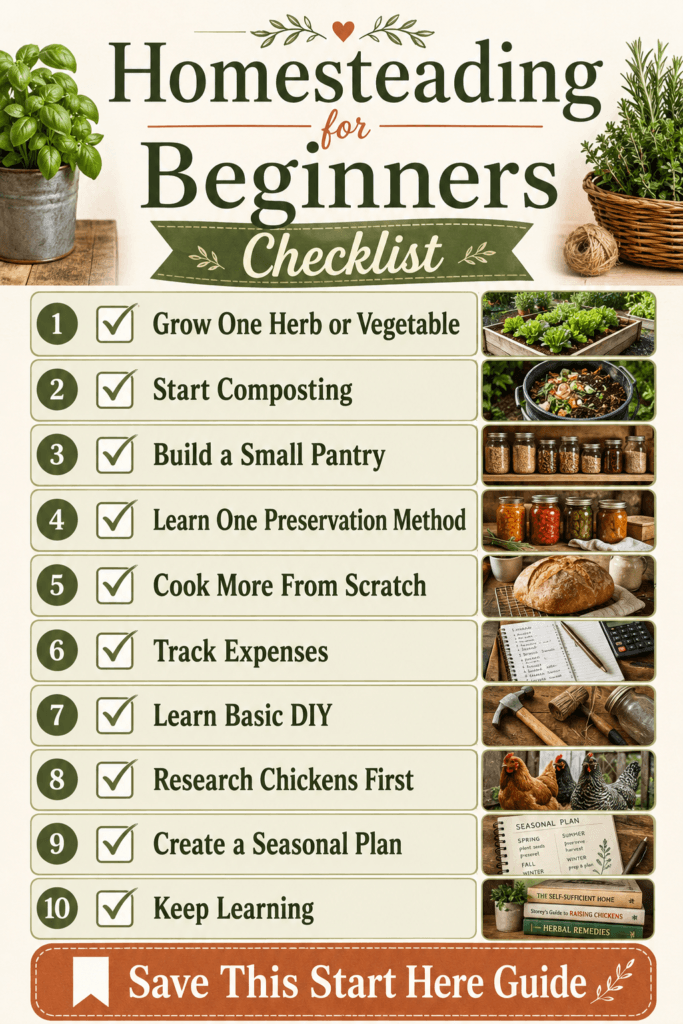
Use this simple checklist to begin.
- Grow one herb or vegetable.
- Start composting.
- Build a small pantry.
- Learn one preservation method.
- Cook more from scratch.
- Track expenses.
- Learn basic DIY.
- Research chickens before buying them.
- Create a seasonal plan.
- Keep learning.
- Start seeds indoors.
- Store basic pantry staples.
- Organize jars and labels.
- Read one beginner homesteading book.
- Make one small backyard or kitchen improvement.
- Learn how to reduce waste.
- Practice using simple tools.
- Plan your next season before buying supplies.
Do not treat this checklist like a race.
Choose one item and start.
What to Learn Next
Once you finish this guide, choose your next topic based on your current situation.
If you want to grow food, start with 10 Easy Vegetables to Grow for Beginners, Raised Bed Gardening Guide, and Seed Starting Indoors.
If you live in a small space, read How to Start Homesteading in an Apartment and Balcony Herb Garden.
If you want to preserve food, begin with Food Preservation Methods for Beginners, then move into Water Bath Canning for Beginners and Home Canning Essentials.
If you want chickens, start with Raising Chickens for Beginners and Backyard Chicken Keeping before buying birds.
If you want a more self-sufficient lifestyle, read Essential Homesteading Skills for Beginners and Off Grid Living for Beginners.
If you want a deeper learning path, Best Homesteading Books for Beginners can help you choose practical books for gardening, preserving, chickens, DIY, and simple living.
FAQ About Homesteading for Beginners
What is homesteading for beginners?
Homesteading for beginners means starting simple self-sufficient habits at home, such as growing food, cooking from scratch, preserving food, composting, building a pantry, learning basic repairs, and planning future skills.
Do I need land to start homesteading?
No, you do not need land to start homesteading.
You can begin with herbs, containers, pantry building, food preservation, composting, simple cooking, and learning practical skills from your current home.
What is the easiest homesteading skill to start with?
Growing herbs is one of the easiest skills to start with.
Cooking from scratch, building a pantry, and drying herbs are also beginner-friendly.
What should I buy first for homesteading?
Buy supplies based on your first project.
Good beginner options include a beginner gardening tool set, seed starting trays, gardening gloves, wide-mouth mason jars, or a homesteading planner.
Can I homestead in an apartment?
Yes, apartment homesteading is possible.
You can grow herbs, build a pantry, preserve small batches of food, cook from scratch, reduce waste, and learn practical skills.
Should beginners get chickens?
Only when they are ready.
Chickens need a secure coop, daily care, feed, clean water, bedding, predator protection, and local rule approval.
How do I start food preservation?
Start with simple methods like freezing, drying herbs, refrigerator pickles, or dehydrating.
Move into water bath canning only after learning safe methods.
Is homesteading expensive?
It can be expensive if you buy too much too soon.
Start small, use what you have, learn skills first, and buy supplies only for projects you are ready to do.
What is the best beginner homesteading plan?
The best beginner plan is to choose one goal, start one food-growing project, learn one preservation method, organize your pantry, and build slowly from there.
How long does it take to become self-sufficient?
Self-sufficiency is a long-term process.
You can learn useful skills in a few weeks, build routines in a year, and continue improving for many seasons.
Final Thoughts
Homesteading for beginners is not about doing everything perfectly.
It is about starting.
Grow one herb.
Cook one meal from scratch.
Store one pantry staple.
Preserve one small batch.
Start one compost bin.
Read one useful book.
Learn one repair.
Plan one season.
These small steps may not look dramatic, but they build real confidence.
The more you practice, the more capable you become.
You do not need to wait for land, a perfect house, or a perfect season. You can start homesteading right where you are, with the space, budget, and skills you have today.
Start small.
Build slowly.
Let each skill lead you to the next one.
That is how a self-sufficient life begins.