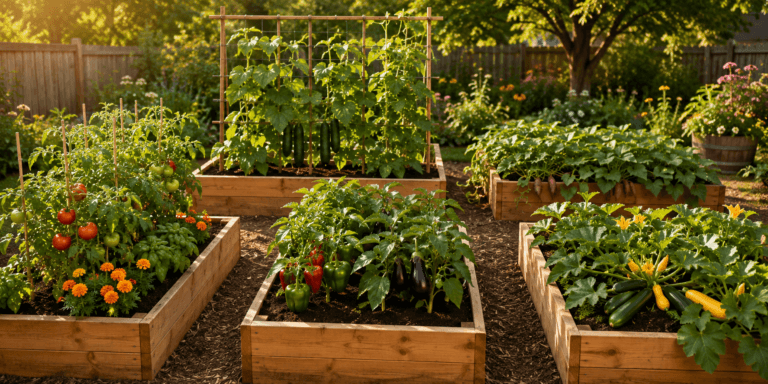
Garden Pest Control for Beginners: 15 Simple Ways to Protect Your Plants Naturally
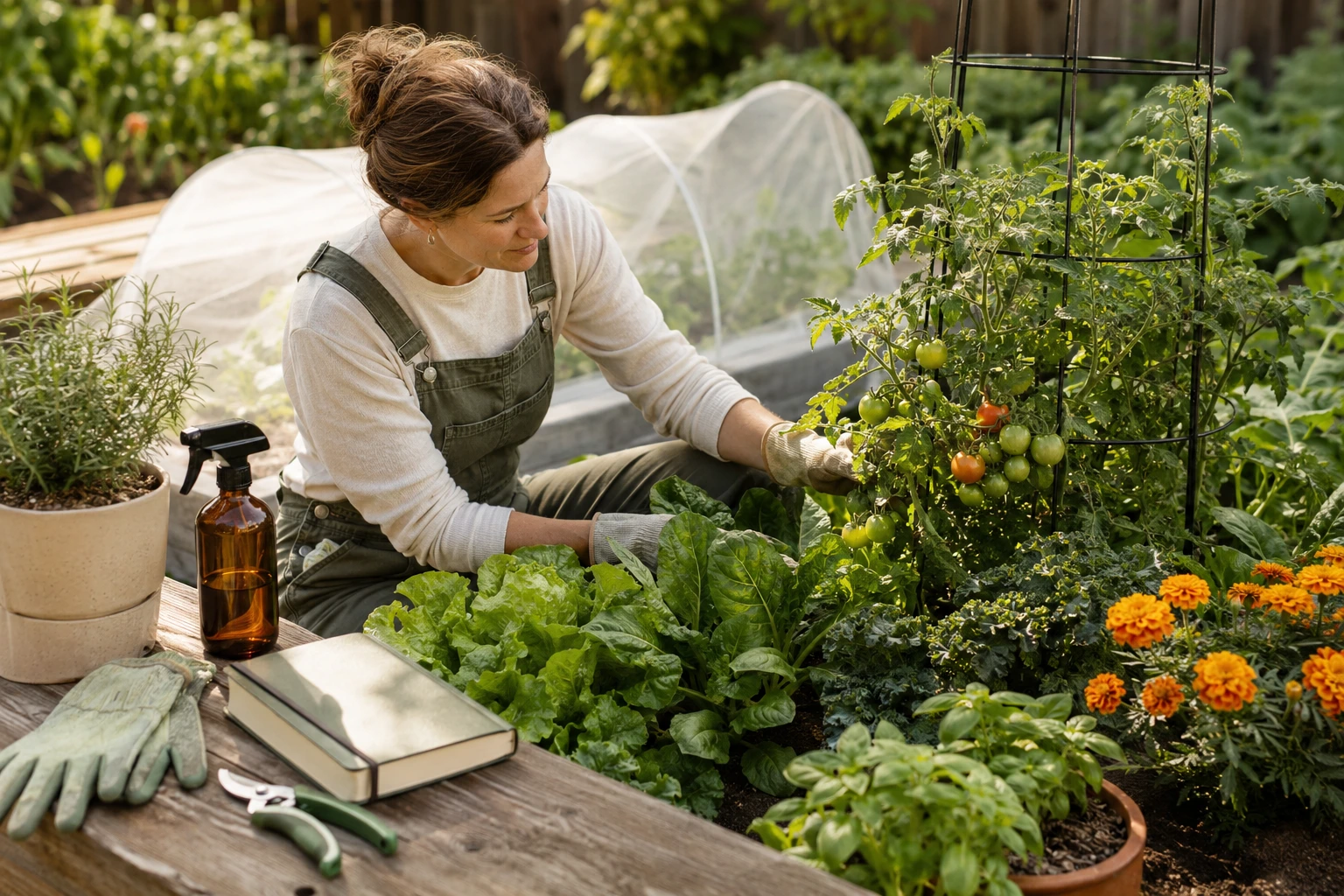
Garden pest control for beginners starts with one simple habit: look closely before you react. When you see holes in leaves, sticky stems, chewed seedlings, or tiny bugs on the underside of plants, it is easy to panic and want to spray everything right away.
But the best garden pest control usually starts slower than that.
First, identify what is happening. Then decide whether the damage is serious. After that, choose the safest and simplest control method that actually fits the problem.
A healthy garden will always have some insects. Not every bug is bad, and not every chewed leaf means the plant is in danger. Some insects pollinate flowers. Some eat pests. Some are just passing through.
The goal is not to create a bug-free garden.
The goal is to grow strong plants, reduce serious damage, and handle pest problems before they get out of control.
In this beginner-friendly guide, I’ll walk you through simple garden pest control methods that work well in vegetable gardens, raised beds, backyard homesteads, and small garden spaces.
Affiliate Disclosure
This article may contain affiliate product recommendations. If you choose to purchase through those recommendations, I may earn a small commission at no extra cost to you. I only recommend practical garden supplies that fit a beginner-friendly homestead garden.
Table of Contents
What Is Garden Pest Control?
Garden pest control is the process of preventing, identifying, and managing insects or animals that damage your plants.
In a vegetable garden, common pests may include aphids, cabbage worms, flea beetles, cutworms, squash bugs, tomato hornworms, slugs, snails, whiteflies, and cucumber beetles.
Some pests chew leaves. Some suck sap from tender stems. Some damage roots. Some spread plant diseases.
Beginner gardeners often think pest control means spraying. But spraying is only one tool, and it is not always the best first step.
A better approach is to use simple layers:
Healthy soil
Good spacing
Crop rotation
Companion planting
Hand-picking pests
Physical barriers
Beneficial insects
Careful watering
Regular garden checks
Targeted treatments only when needed
This type of approach fits naturally with Essential Homesteading Skills for Beginners because it teaches you to observe first and act with intention.
Why Beginners Should Start With Prevention
The easiest pest problem to manage is the one that never becomes serious.
Prevention does not mean you will never see pests. It means your plants are healthier, your garden is easier to inspect, and pests are less likely to take over unnoticed.
Weak plants attract problems faster. Crowded plants hide pests. Wet leaves encourage disease. Weeds create hiding places. Garden debris can protect overwintering pests.
That is why pest control begins with simple garden care.
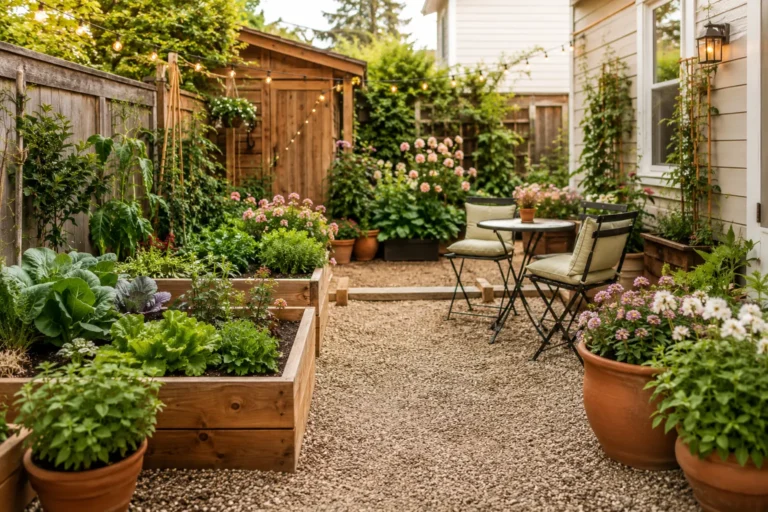
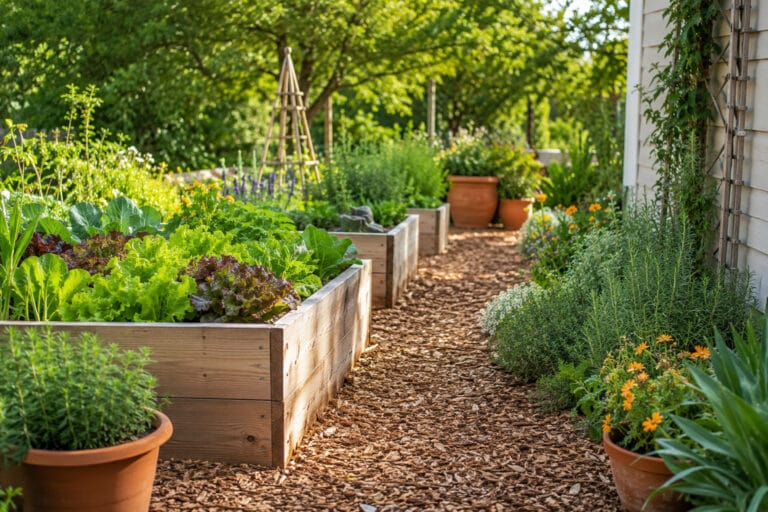
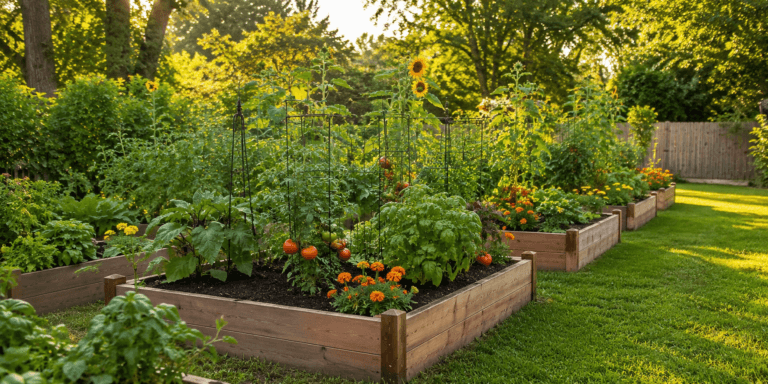
If you are still building your growing space, a clean layout from a Raised Bed Gardening Guide can make pest checks much easier. Raised beds give you defined spaces, better access, and fewer hidden corners.
Good planning also helps. When you know what you planted and where, it becomes easier to notice problems early. This is where Beginner Garden Planning and a simple garden journal are useful.
Common Garden Pests to Watch For
You do not need to know every garden pest to start. Begin with the most common ones.
Aphids are tiny soft-bodied insects that cluster on tender growth and leaf undersides. They can leave sticky residue and cause curled leaves.
Cabbage worms are green caterpillars that chew holes in cabbage, kale, broccoli, and other brassicas.
Flea beetles are tiny jumping beetles that create small shot-hole damage in leaves, especially on young seedlings.
Cutworms can cut young seedlings near the soil line.
Squash bugs feed on squash and pumpkin plants and can cause wilting damage.
Tomato hornworms are large green caterpillars that can strip tomato leaves quickly.
Slugs and snails chew ragged holes and often feed at night.
Whiteflies are tiny white insects that fly up when plants are disturbed.
Cucumber beetles chew cucumbers, squash, and melons and can spread disease.
Once you recognize the type of damage, garden pest control becomes much less overwhelming.
15 Simple Garden Pest Control Tips
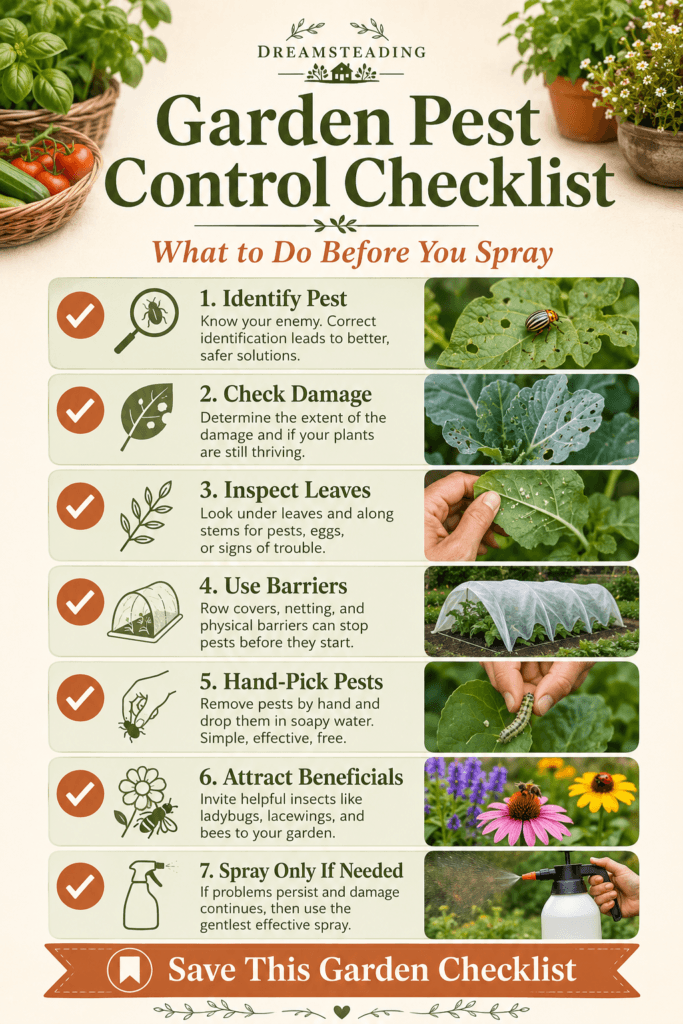
1. Check Your Garden Often
The most useful pest control habit is regular observation.
Walk through your garden every day or every few days. Look at the tops and undersides of leaves. Check new growth. Look near stems and soil level.
Small problems are easier to manage than large infestations.
A few aphids can be sprayed off with water. A few caterpillars can be removed by hand. A few damaged leaves can be pruned.
But if you ignore the garden for two weeks, the same problem can become much harder to control.
Keep a garden journal nearby and write down what you see. Over time, you will notice patterns.
2. Learn to Identify the Pest Before Treating
Do not treat a plant until you know what you are treating.
Leaf holes, yellow leaves, and wilting can have different causes. They may come from insects, disease, heat stress, poor watering, nutrient problems, or transplant shock.
A garden pest identification book can help you compare damage and recognize common insects.
You can also take clear photos of the pest, the damaged plant, and the full growing area. This helps you research the problem more accurately.
When you know the pest, you can choose a better solution.
3. Start With Healthy Soil
Healthy plants handle pest pressure better than stressed plants.
Add compost, avoid over-fertilizing, water consistently, and protect the soil from drying out completely.
A plant growing in poor soil may become weak, pale, or slow. Weak plants are easier targets.
Healthy soil does not prevent every pest, but it gives your garden a stronger foundation.
If you are just starting, combine pest control with 10 Easy Vegetables to Grow for Beginners so your first crops are manageable and rewarding.
4. Give Plants Enough Space
Crowded plants are harder to inspect and easier for pests to hide in.
Good spacing improves airflow, helps leaves dry faster, and makes it easier to see pest damage early.
This matters especially for tomatoes, squash, cucumbers, cabbage, peppers, and leafy greens.
If you are growing in a small space, use vertical supports, trellises, and smart layouts from Small Garden Design Tips instead of squeezing plants too tightly.
A tidy garden is not only prettier. It is easier to protect.
5. Use Row Covers Early
A floating row cover or insect netting can protect young plants before pests arrive.
This works well for cabbage, kale, broccoli, radishes, carrots, and young seedlings that are vulnerable to chewing insects.
The key is timing. Row covers work best when installed early, before pests are already on the plants.
For crops that need pollination, like squash, cucumbers, melons, and pumpkins, remove covers when flowers open so pollinators can reach them.
Secure the edges well so insects cannot crawl underneath.
6. Hand-Pick Larger Pests
Some pests are easiest to control by hand.
Tomato hornworms, cabbage worms, squash bug eggs, Japanese beetles, and larger caterpillars can often be removed manually.
Wear garden gloves if you do not like touching insects.
Drop pests into a container of soapy water or remove egg clusters from leaves.
This method takes a few minutes, but it is simple, cheap, and very targeted.
It also teaches you to understand your garden better.
7. Spray Aphids Off With Water
Aphids often cluster on soft new growth.
If you catch them early, a strong spray of water can knock them off the plant.
Use a hose or a simple garden hand sprayer for smaller plants. Focus on the underside of leaves and tender stems.
Repeat as needed.
Avoid blasting delicate seedlings too hard. The goal is to remove pests, not damage the plant.
After spraying aphids, keep checking the plant every few days.
8. Prune Badly Infested Leaves
Sometimes the simplest solution is to remove the worst leaves.
If a few leaves are covered in eggs, aphids, leaf miners, or disease-like damage, prune them off and remove them from the garden.
Use clean pruning shears and avoid spreading problems from plant to plant.
Do not over-prune. Plants need leaves to grow. Remove only what is badly affected or no longer useful.
This is especially helpful for lower leaves touching soil, heavily damaged brassica leaves, or small early infestations.
9. Attract Beneficial Insects
Not every insect is your enemy.
Lady beetles, lacewings, hoverflies, parasitic wasps, ground beetles, and spiders can help control pests naturally.
You can support beneficial insects by planting flowers and herbs near your vegetables.
Good choices include:
Sweet alyssum
Calendula
Dill
Cilantro
Parsley
Marigolds
Nasturtiums
Yarrow
Borage
This connects well with Companion Planting for Beginners, especially if you want a garden that feels beautiful and useful.
A small beneficial insect hotel can also add habitat, but flowers and reduced spraying are often more important.
10. Rotate Crops Each Season
Some pests and diseases build up when you plant the same crop family in the same spot every year.
For example, avoid planting tomatoes, peppers, potatoes, and eggplants in the same bed year after year. They are all in the nightshade family.
Move cabbage, kale, broccoli, and other brassicas when possible too.
Crop rotation is not always perfect in small gardens, but it helps.
My Crop Rotation for Beginners guide is a helpful next step if you want to organize your garden by plant family.
11. Keep Weeds and Debris Under Control
Weeds can hide pests, compete with vegetables, and make the garden harder to inspect.
Remove weeds while they are small.
Also clean up fallen fruit, dead leaves, badly damaged plants, and old crop debris. Do not leave pest-filled plant material lying beside the bed.
At the end of the season, remove plants that had serious pest or disease problems.
A clean garden does not mean bare soil everywhere. Mulch is useful. But old, pest-heavy debris should not sit around your vegetable beds.
12. Water at the Base of Plants
Wet leaves can create extra plant stress and make some problems worse.
Whenever possible, water near the soil instead of spraying the whole plant.
A drip irrigation kit can help keep water close to the roots, reduce leaf wetness, and make watering more consistent.
This is especially useful in raised beds, tomato beds, pepper beds, and small gardens.
Consistent watering also helps plants stay stronger, which makes pest control easier.
13. Use Traps Carefully
Traps can help you monitor pests, but they should not replace good garden care.
Yellow sticky traps can help you notice whiteflies, fungus gnats, and other small flying pests. Use them carefully so they do not catch too many beneficial insects.
Place traps near problem areas, not everywhere.
For slugs, you can use boards, shallow traps, or evening checks to find where they are hiding.
Traps are best as a monitoring tool. They help you understand what is active in the garden.
14. Use Organic Sprays Only When Needed
Organic does not automatically mean harmless.
Even organic sprays can affect beneficial insects, pollinators, or tender plants if used incorrectly.
If you need a treatment, choose the most targeted option for the pest.
Insecticidal soap may help with soft-bodied pests like aphids and whiteflies when sprayed directly.
Organic neem oil spray is sometimes used for certain pests, but it should be applied carefully, away from pollinator activity, and according to label directions.
Never spray flowers when bees are active.
Always read the label, test a small area first, and avoid spraying in hot sun.
Sprays should be a last step, not the first habit.
15. Accept a Little Damage
A perfect garden does not exist.
A few holes in leaves are normal. A few aphids are normal. A few insects in the garden are normal.
If the plant is still growing well, flowering, fruiting, and producing food, you may not need to do anything.
The goal is to stop serious damage, not remove every insect.
This mindset makes gardening calmer. You learn to respond instead of panic.
Natural Pest Control Mistakes to Avoid
The biggest beginner mistake is spraying before identifying the pest.
The second mistake is killing beneficial insects by using broad sprays too often.
Another mistake is waiting too long to inspect plants. Pest control is much easier when problems are small.
Do not assume homemade sprays are always safe. Some homemade mixtures can burn leaves or damage soil.
Do not use row covers without checking underneath them. If pests are trapped under the cover, they can multiply quickly.
Do not overcrowd plants and expect pest control to be easy.
Do not forget to clean up infested plant debris.
Most of all, do not expect one method to solve everything. Good pest control is a system.
Best Supplies for Beginner Garden Pest Control
You do not need a shelf full of chemicals to manage garden pests.
Start with simple supplies:
Floating row cover for early protection
Insect netting for pest-prone crops
Garden gloves for hand-picking pests
Pruning shears for removing damaged leaves
Garden hand sprayer for water sprays or targeted treatments
Yellow sticky traps for monitoring flying pests
Garden pest identification book for learning what you see
Garden journal for tracking pest patterns
Drip irrigation kit for healthier watering
Insecticidal soap for soft-bodied pests when needed
Organic neem oil spray for careful targeted use when appropriate
Start small. Learn your garden first. Then add supplies based on the problems you actually see.
Final Thoughts
Garden pest control for beginners is not about fighting every bug in the garden.
It is about growing strong plants, checking often, identifying problems early, and choosing the safest effective method.
Start with prevention.
Use healthy soil, good spacing, crop rotation, companion planting, row covers, and regular garden walks.
When pests appear, identify them before treating. Remove what you can by hand. Spray aphids with water. Prune badly affected leaves. Support beneficial insects. Use organic sprays only when truly needed.
A healthy garden will always have life in it.
Some of that life will chew a few leaves. Some of it will pollinate your flowers. Some of it will protect your plants.
The more you observe, the better your pest control decisions become.
Start simple, stay consistent, and let your garden teach you season by season.
FAQ: Garden Pest Control for Beginners
What is the best garden pest control for beginners?
The best beginner pest control is regular garden inspection, pest identification, healthy soil, good spacing, row covers, hand-picking pests, and using sprays only when needed.
How do I control garden pests naturally?
Start with prevention. Use row covers, companion flowers, crop rotation, hand-picking, water sprays for aphids, pruning, and beneficial insect habitat before using any spray.
What are the most common vegetable garden pests?
Common pests include aphids, cabbage worms, flea beetles, cutworms, squash bugs, tomato hornworms, slugs, snails, whiteflies, and cucumber beetles.
Are all insects bad for the garden?
No. Many insects are helpful. Bees pollinate flowers, lady beetles eat aphids, and other beneficial insects help keep pest populations balanced.
Should I spray my garden for pests?
Do not spray automatically. First identify the pest and decide if the damage is serious. Use the least harmful method first and follow all product label directions if spraying.
Do row covers help with garden pests?
Yes. Row covers can help protect plants from insect pests, especially when installed early and secured well. Remove them from crops that need pollination when flowers open.
What plants help with pest control?
Flowers and herbs like sweet alyssum, calendula, dill, cilantro, parsley, marigolds, nasturtiums, borage, and yarrow can help attract beneficial insects.
How often should I check my garden for pests?
Check your garden at least every few days during the growing season. Daily quick checks are even better when plants are young or pest pressure is high.
Newsletter
Want a healthier garden with less overwhelm?
Join the Dreamsteading newsletter for beginner-friendly gardening tips, natural pest control ideas, simple homesteading projects, and practical guides to help you grow more food at home.
Build your garden one simple skill at a time.