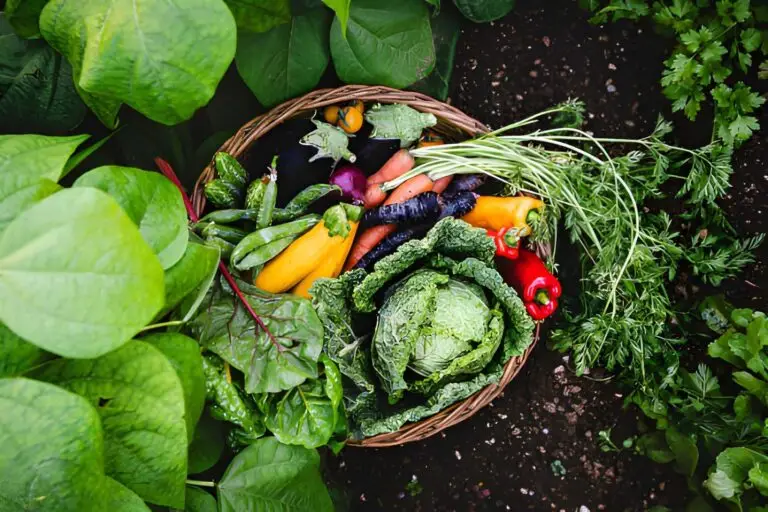
15 Easy Vegetables to Plant in June for a Productive Harvest

Vegetables to plant in June range from fast-growing beans and zucchini to heat-loving okra, sweet potatoes, peppers, and Southern peas. June can also be a useful month for succession sowing and starting crops that will mature in late summer or fall.
The right choices depend on your climate, local frost dates, summer temperatures, and the number of growing days remaining. Early June in Minnesota is very different from June in Georgia, Arizona, or coastal California. Instead of treating one calendar as universal, use this guide to choose crops that match your local conditions and the space available in your garden.
In Short
Good vegetables to plant in June include green beans, cucumbers, zucchini, sweet corn, okra, Southern peas, sweet potatoes, tomatoes, peppers, eggplant, pumpkins, winter squash, melons, Swiss chard, and carrots. Plant long-season crops early in June, use healthy transplants where appropriate, and check the crop’s days to maturity against your expected first fall frost.
Key Takeaways
- June is an excellent planting month in cool and northern climates but may already be a heat-management month in the Deep South and desert Southwest.
- Beans, cucumbers and zucchini are reliable choices because many varieties mature relatively quickly.
- Tomatoes, peppers and eggplant should usually be planted as established transplants rather than started from seed outdoors in June.
- Pumpkins, winter squash, melons and sweet potatoes need a sufficiently long frost-free season.
- Compare days to maturity with your first expected fall frost before planting a long-season crop.
Is June Too Late to Plant Vegetables?
June is not automatically too late to start a vegetable garden. In northern and high-elevation regions, the soil may only recently have become warm enough for tender crops. In central regions, June is often suitable for succession plantings. In warmer southern climates, the main concern shifts from cold soil to extreme heat, dry conditions, and whether a crop can set fruit during hot weather.
Use three checks before planting:
- Confirm that the crop tolerates your current soil and air temperatures.
- Find the variety’s estimated days to maturity on the seed packet or plant label.
- Count backward from your average first fall frost, adding time for slower growth, harvest and weather delays.
Days to maturity are estimates rather than guarantees. They may be counted from direct sowing for some crops and from transplanting for others. Cool weather, heat stress, poor soil, pests and inconsistent watering can all delay harvest.
A simple soil thermometer can help you avoid planting heat-loving seeds into soil that remains too cool for dependable germination.
How June Planting Changes by Region
Northern and Cool-Summer Climates
Early June may be the normal planting period for beans, cucumbers, squash, corn, pumpkins, tomatoes, peppers, eggplant, melons and sweet potatoes. Prioritize long-season crops first, especially winter squash, melons and sweet potatoes.
Fast crops such as bush beans, cucumbers and zucchini can often be planted later in the month. Late June can also mark the beginning of planning or sowing selected cool-season crops for fall.
Central and Transitional Climates
Early to mid-June can support many warm-season crops, but long-season varieties become increasingly risky as the month progresses. Choose faster-maturing cultivars and use established transplants for tomatoes, peppers and eggplant.
Succession sowings of beans, cucumbers, squash and corn can extend the harvest beyond the first planting. Check local pest calendars because later plantings may face greater insect and disease pressure.
Hot Southern and Humid Climates
June heat can make germination, transplant establishment and fruit set more difficult. Heat-loving crops such as okra, Southern peas and sweet potatoes are usually stronger choices than cool-season greens or root crops.
Tomatoes, peppers and eggplant may struggle to establish during extreme heat, especially when planted late in the month. Use locally recommended heat-tolerant varieties, transplant during a cooler period, mulch after the soil is warm and provide consistent irrigation.
Desert and Arid Climates
High daytime temperatures, low humidity and rapid moisture loss can make June a difficult establishment period. Local Cooperative Extension calendars are especially important because some desert regions have separate spring and late-summer planting windows.
A soaker hose or drip-irrigation kit can deliver water near the roots while limiting evaporation. Temporary 30–40% shade cloth may help young transplants in severe heat, but it should not block so much light that plants become weak.
Use local planting dates
These recommendations are broad North American guidance. Your local Cooperative Extension planting calendar, average frost dates, elevation, summer temperatures and cultivar information should take priority over a general national list.
15 Easy Vegetables to Plant in June
| Vegetable | How to plant in June | Typical harvest estimate | Main limitation |
|---|---|---|---|
| Green beans | Direct sow | About 50–65 days | Cold or waterlogged soil |
| Cucumbers | Direct sow or use young transplants | About 50–70 days | Heat, drought and beetle damage |
| Zucchini | Direct sow | About 45–60 days | Squash vine borers and mildew |
| Sweet corn | Direct sow in a block | About 60–100 days | Needs space and good pollination |
| Okra | Direct sow in warm soil | About 50–70 days | Performs poorly in cool conditions |
| Southern peas | Direct sow | About 60–90 days | Needs sustained warm weather |
| Sweet potatoes | Plant slips | About 90–120 days | Needs a long warm season |
| Tomatoes | Plant hardened transplants | Varies, often 60–85 days from transplant | Heat can reduce fruit set |
| Peppers | Plant hardened transplants | Often 60–90 days from transplant | Slow growth in cool soil |
| Eggplant | Plant hardened transplants | Often 65–85 days from transplant | Flea beetles and cool nights |
| Pumpkins | Direct sow | About 90–120 days | Requires space and time before frost |
| Winter squash | Direct sow | About 80–120 days | Long vines and long growing season |
| Melons | Direct sow or use young transplants | About 70–100 days | Needs warmth and adequate season length |
| Swiss chard | Direct sow | About 50–60 days for mature leaves | Germination can slow in extreme heat |
| Carrots | Direct sow | About 60–85 days | Hot, dry soil can prevent germination |
Harvest estimates vary by cultivar and growing conditions. Always use the seed packet or transplant label as the starting point for planning.
1. Green Beans
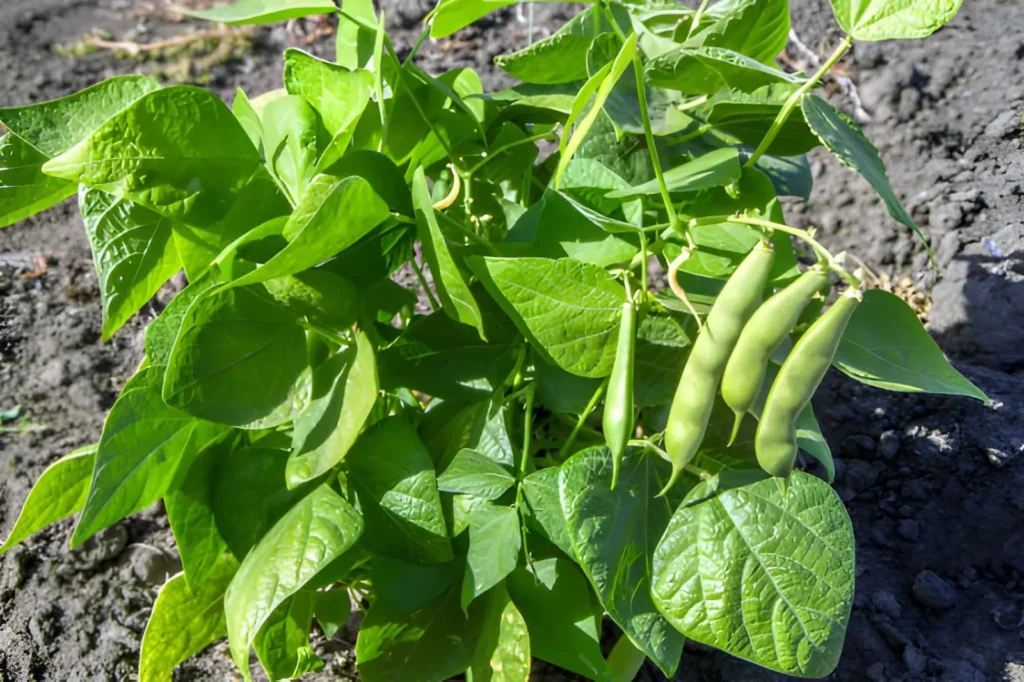
Green beans are one of the most dependable vegetables for a June planting. Bush varieties remain compact and tend to produce one concentrated crop. Pole beans grow vertically and can continue producing when harvested regularly.
Sow beans directly after frost danger has passed and the soil has warmed. Beans do not usually benefit from early indoor starting because their roots are easily disturbed.
For a longer harvest, sow a short row of bush beans every two or three weeks while enough frost-free time remains. Avoid handling wet plants because this can help spread some bean diseases.
2. Cucumbers
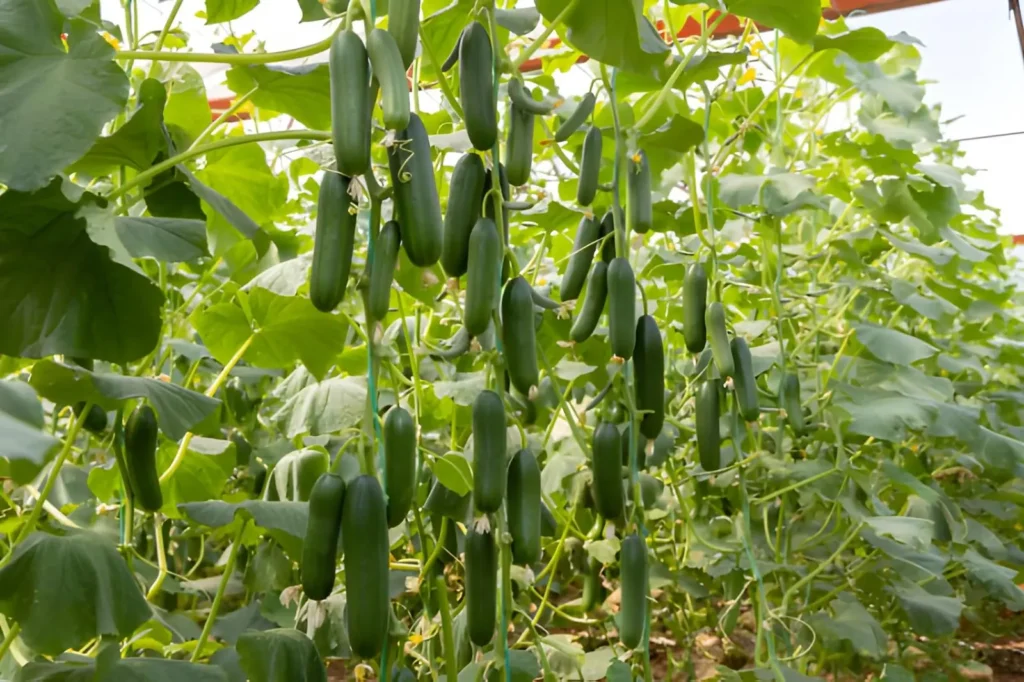
Cucumbers grow quickly in warm soil and can be direct-sown in June in many regions. Choose bush varieties for containers or limited space and vining varieties when you can provide a sturdy vegetable trellis.
Keep moisture consistent while plants flower and develop fruit. Irregular watering can reduce production and contribute to misshapen or bitter fruit. Harvest cucumbers frequently so oversized fruit does not remain on the vine.
In regions with cucumber beetles or early insect pressure, lightweight insect netting can protect young plants before flowering. Remove or open it when pollinators need access unless the variety is parthenocarpic and does not require pollination.
3. Zucchini
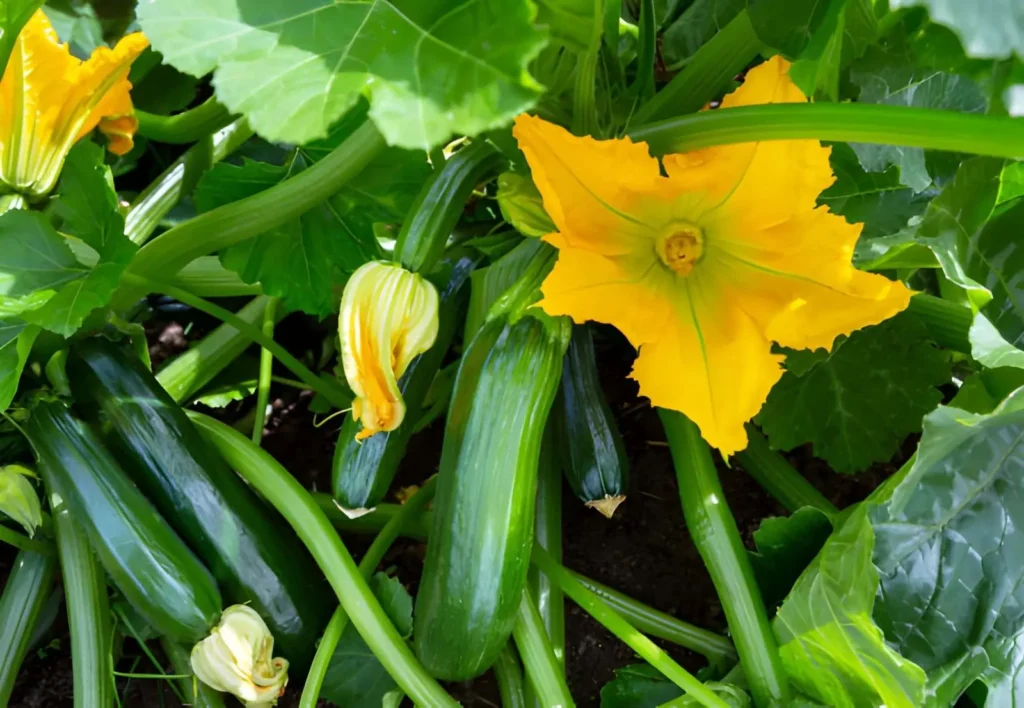
Zucchini is a fast-producing summer squash and a practical choice when the growing season is already underway. Direct-sow seeds in warm soil and give each plant enough room for mature leaves and airflow.
One or two healthy plants may supply enough fruit for a small household. Check them frequently once flowering begins because young zucchini can grow to an oversized size surprisingly quickly.
Monitor stems and leaf bases for squash vine borer damage where the pest is common. Good spacing also helps leaves dry more quickly, reducing conditions that favor powdery mildew.
4. Sweet Corn
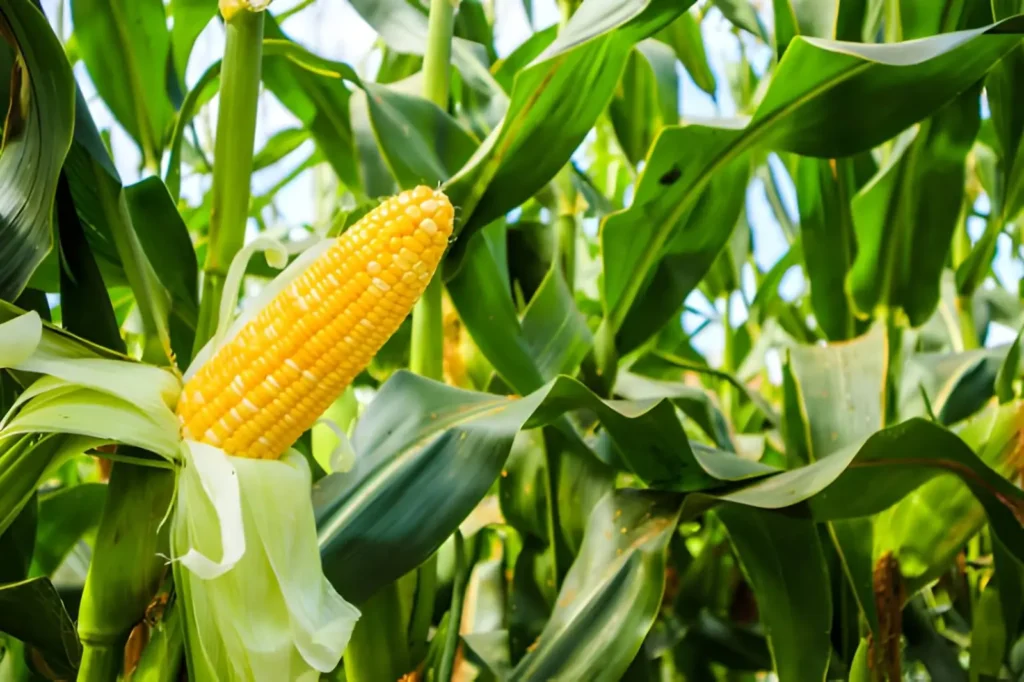
Many short- and midseason sweet corn varieties can be planted in June when enough warm weather remains. Corn is wind-pollinated, so plant it in a block of several short rows rather than one long, thin row.
Keep the soil moist during tasseling, silking and ear development. Corn is also a relatively heavy feeder, so base fertilizer decisions on a soil test rather than applying a large amount automatically.
If you plant more than one corn type, check the seed supplier’s isolation guidance. Cross-pollination between certain sweet corn types can reduce eating quality.
5. Okra
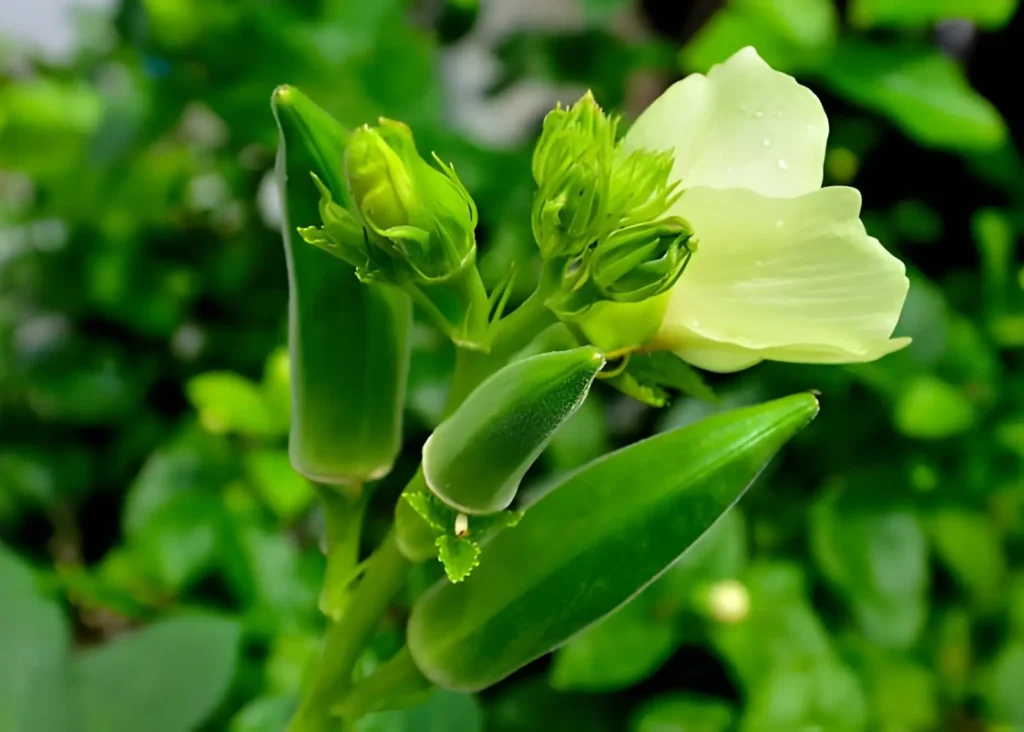
Okra thrives in hot conditions that stress many other vegetables. It is especially suitable for southern and long-season gardens, although fast-maturing varieties can grow farther north when planted after the soil becomes thoroughly warm.
Okra seedlings are sensitive to cold and may germinate poorly in cool soil. Once established, the plants become tall and productive. Position them where they will not shade shorter crops.
Harvest pods while they are young and tender. Pods can become fibrous quickly, so check mature plants every day or two during peak production.
6. Southern Peas
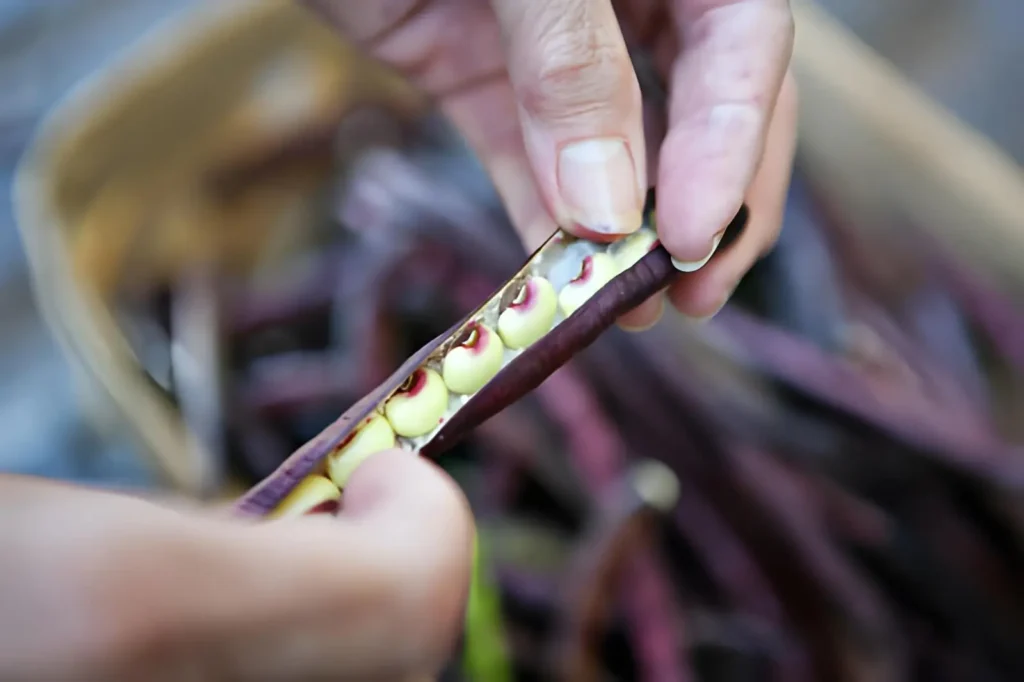
Southern peas—including cowpeas, black-eyed peas and cream peas—handle heat and relatively dry conditions better than ordinary garden peas. They are particularly useful in warm southern gardens where cool-season peas have finished.
Direct-sow them into warm soil. Bush varieties are easier to fit into small beds, while semi-vining types need more room. Harvest the young pods for snap peas when the variety permits, or allow the peas to develop for fresh-shell or dry use.
7. Sweet Potatoes
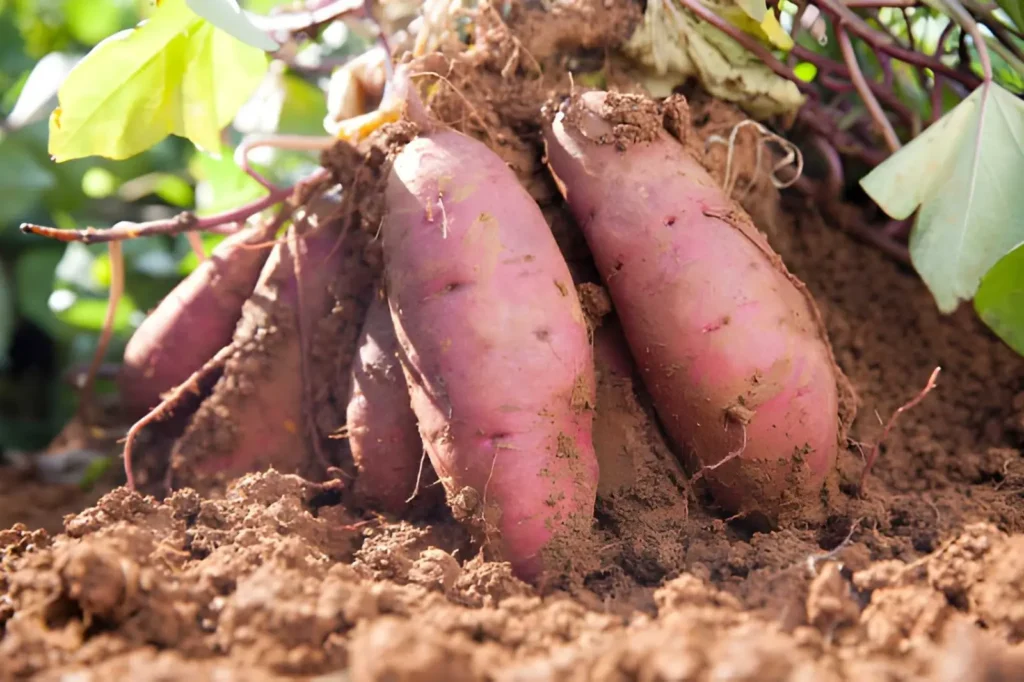
Sweet potatoes are planted from rooted shoots called slips rather than from ordinary seed potatoes. Plant them after the soil is warm and frost danger has passed.
The vines tolerate summer heat, but the crop needs a long frost-free period for the storage roots to size well. Gardeners in short-season climates should select an early variety and plant slips as early in June as local conditions allow.
Use loose, well-drained soil and avoid excessive nitrogen, which can encourage vigorous vines without a proportionate root harvest.
8. Tomatoes
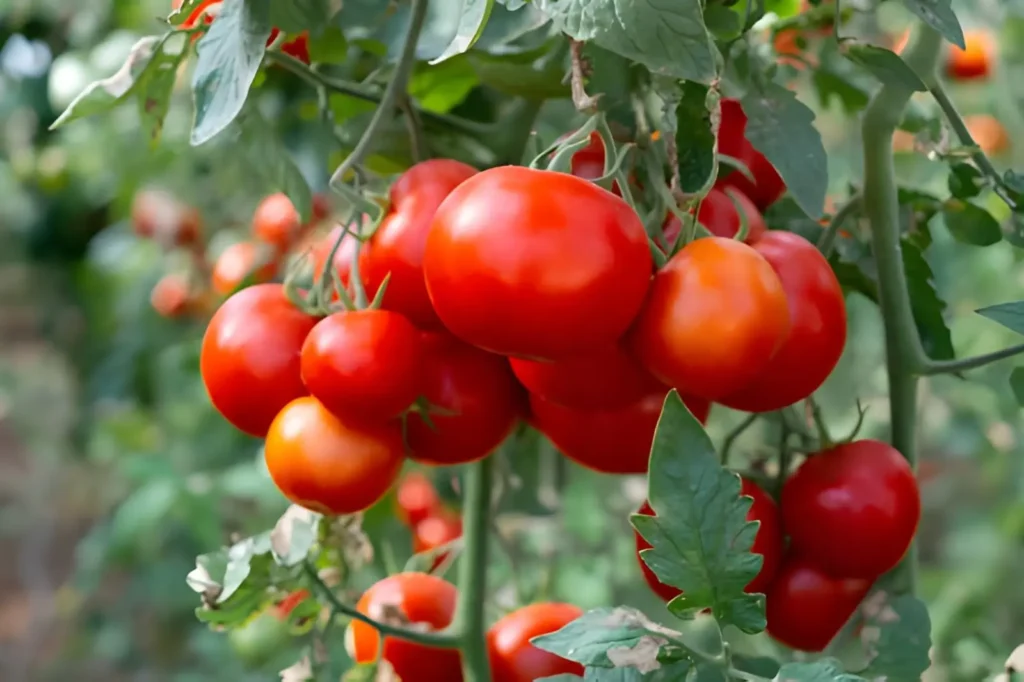
June is usually too late to start full-size tomato varieties from seed outdoors in climates with a limited season. Plant healthy, properly hardened transplants instead.
Choose compact or early-maturing varieties when planting late. Determinate tomatoes can be useful when you want a more concentrated harvest, while indeterminate tomatoes continue growing until frost, disease or severe weather ends the season.
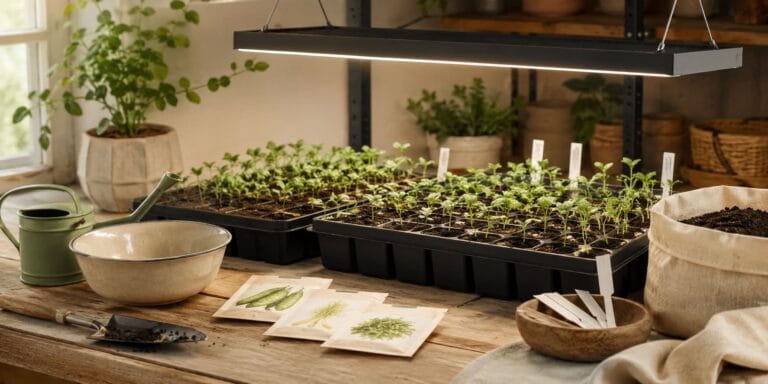
Transplants should be gradually acclimated to outdoor sun, wind and temperature changes. Follow the complete process for hardening off seedlings before planting greenhouse-grown plants into an exposed garden.
9. Peppers
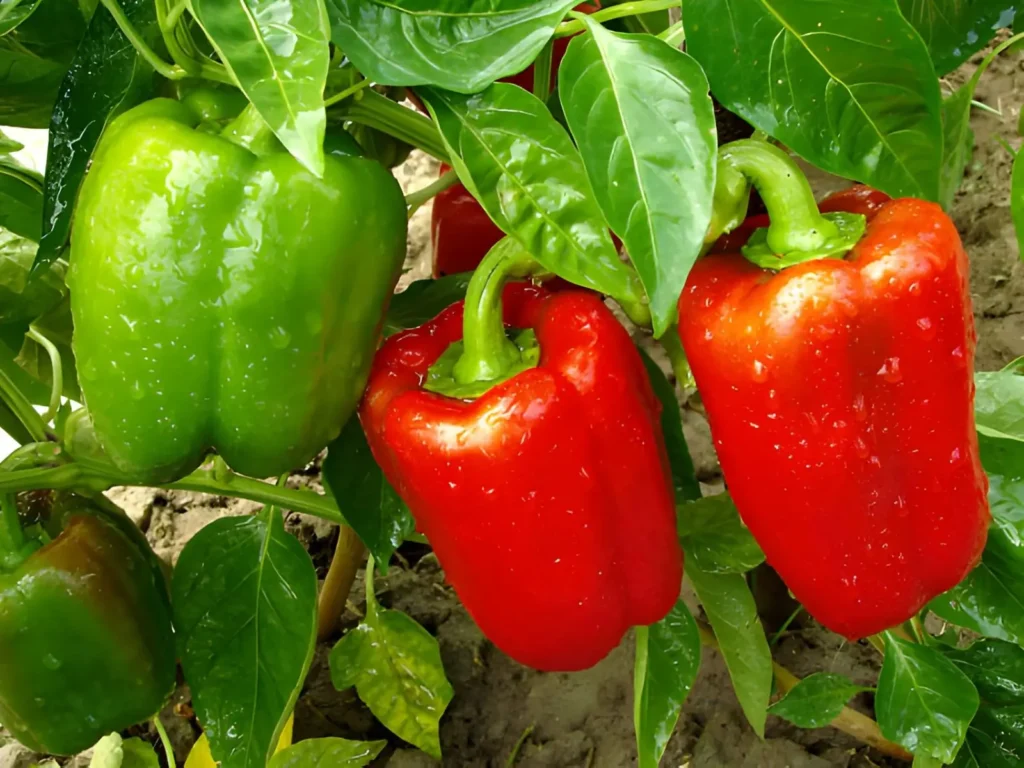
Peppers need warm soil and are commonly planted as transplants in June. They grow slowly from seed, so direct sowing in June is practical only in exceptionally long, warm seasons.
Keep the root zone evenly moist without leaving the soil waterlogged. Excessively high temperatures can cause flower drop, while cool nights can slow growth. A light temporary shade treatment may help newly planted peppers during extreme heat, but established plants still need strong light.
10. Eggplant
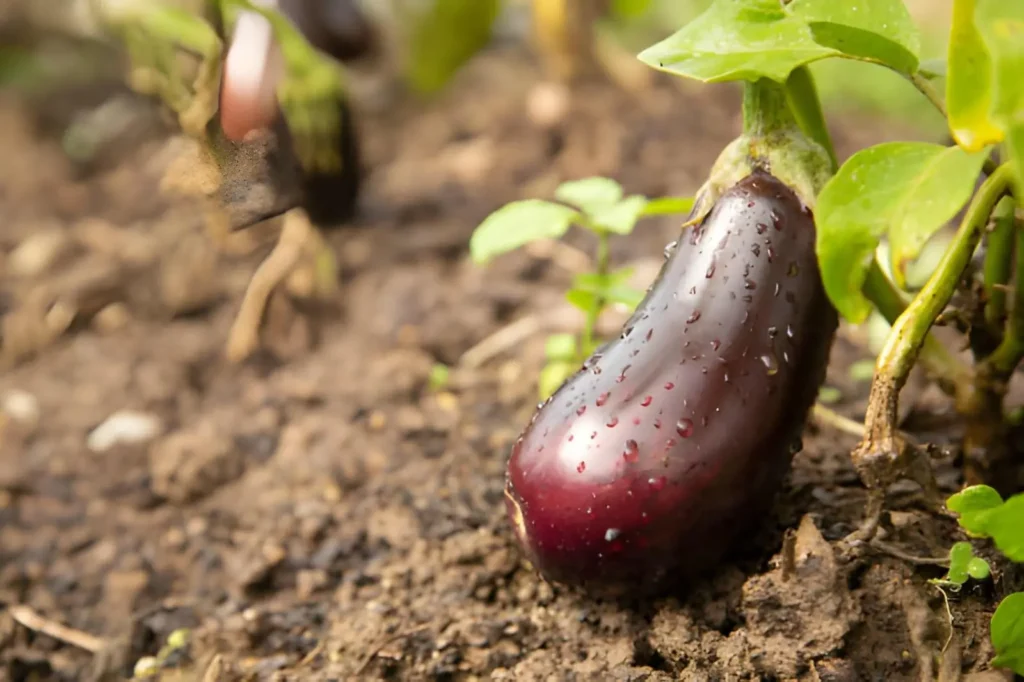
Eggplant is another heat-loving crop best planted as an established transplant. Compact varieties can perform well in large containers, while standard varieties need more garden space.
Protect young plants from flea beetles, which can cover leaves with small holes. Lightweight insect netting can provide early protection when it is secured at the edges and removed or adjusted before it restricts plant growth.
Harvest fruit while the skin remains glossy and the flesh is still firm. Dull skin and hard seeds usually indicate overmaturity.
11. Pumpkins
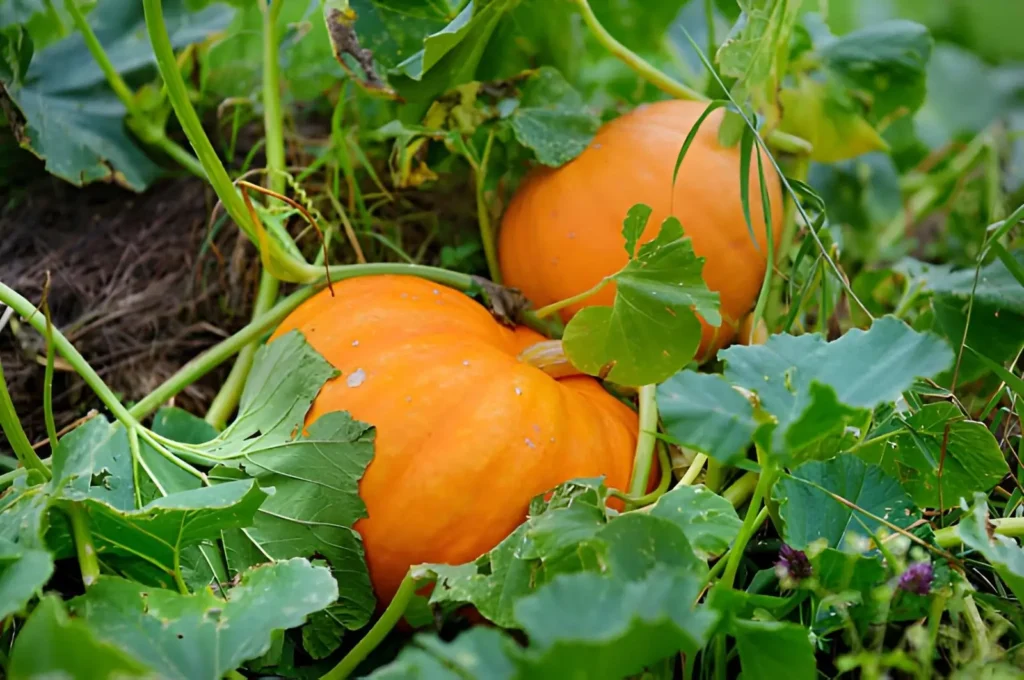
Pumpkins planted in June can mature before fall when you choose a variety suited to the remaining season. Miniature and small-fruited pumpkins generally mature faster and require less space than giant types.
Direct-sow pumpkins in warm soil and allow room for their vines. If you want pumpkins for a specific autumn date, count backward from that date using the variety’s maturity estimate and add a reasonable buffer for weather delays.
12. Winter Squash
Winter squash includes butternut, acorn, delicata, kabocha and other squash harvested when mature. Despite the name, it grows during warm weather and is stored for later use.
Plant long-season varieties early in June. In shorter seasons, choose faster-maturing bush, semi-bush or small-fruited varieties. Give vines space to spread or use a sufficiently strong support for smaller-fruited types.
13. Melons
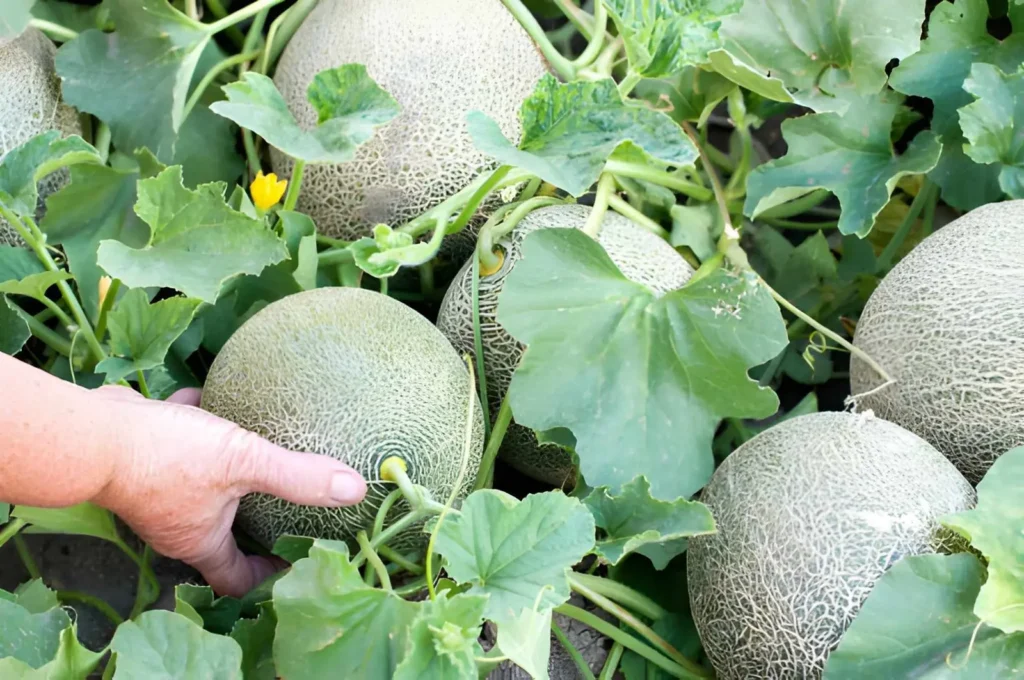
Muskmelons and watermelons need warm soil, full sun and a long enough season to ripen. They can be direct-sown in June in many regions, while northern gardeners may use young transplants that have not become root-bound.
Melons require consistent moisture during vine growth and fruit development. Reduce sudden swings between very dry and saturated soil. Avoid crowding the vines because restricted airflow can increase disease pressure.
14. Swiss Chard
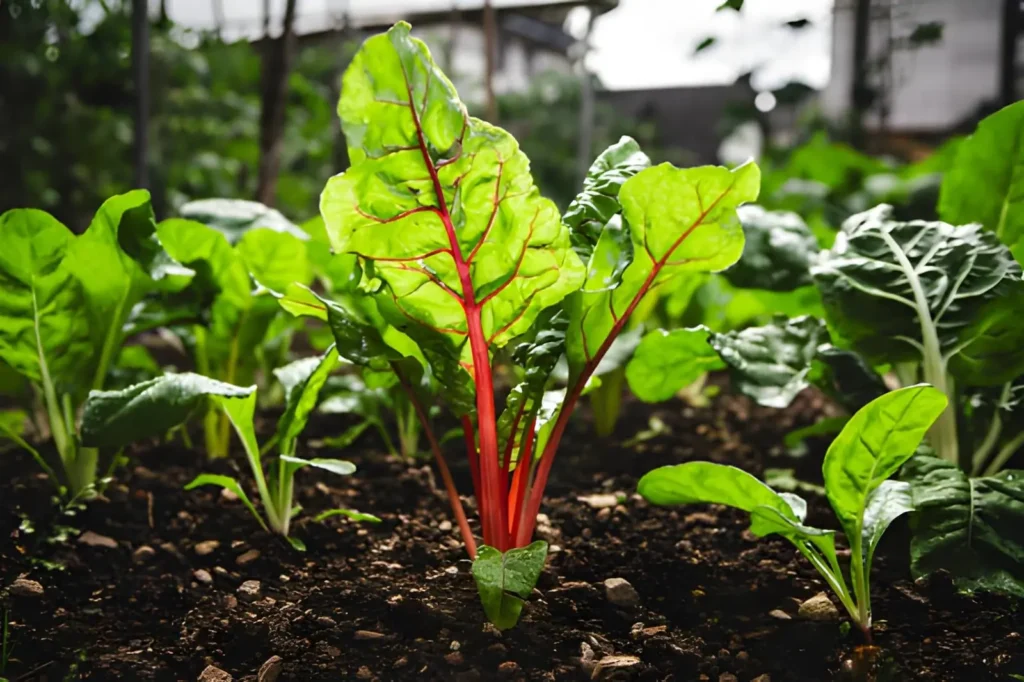
Swiss chard tolerates summer conditions better than many tender salad greens. Direct-sow it in June for baby leaves or mature stalks, provided the soil can be kept evenly moist during germination.
Harvest the outer leaves while leaving the center to continue growing. In very hot climates, afternoon shade and consistent irrigation can help maintain leaf quality.
15. Carrots
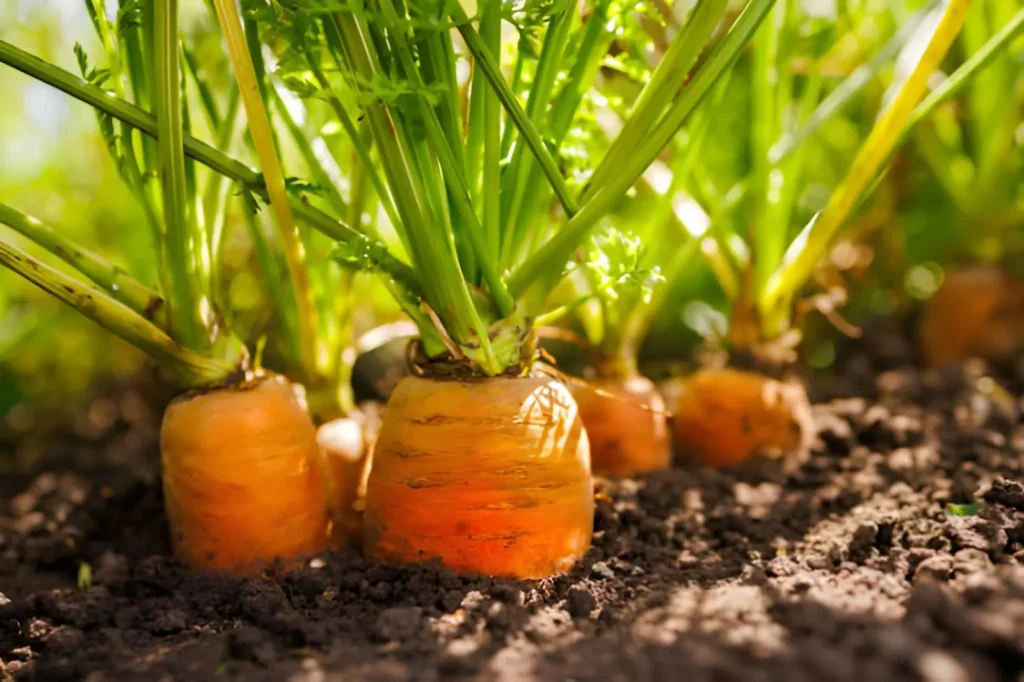
Carrots are a useful late-June planting for fall harvests in cooler and transitional climates. However, the small seeds germinate poorly when the soil surface becomes hot and dry.
Sow into loose, stone-free soil and keep the top layer consistently moist until seedlings emerge. A lightweight board, burlap layer or seed-starting fabric may help retain moisture, but it must be checked daily and removed as soon as germination begins.
In regions with extremely hot summers, delay carrots until the locally recommended late-summer or fall window.
How to Make a June Planting More Productive
Use Succession Planting
Succession planting means sowing smaller amounts at planned intervals rather than planting the entire crop at once. Bush beans, cucumbers, summer squash and some sweet corn varieties can work well in a succession plan.
Before sowing another batch, confirm that it can mature before frost or severe seasonal heat. Stop succession planting when the remaining season becomes too short.
Protect Soil Moisture
New seeds and transplants have shallow root systems and dry out faster than established plants. Water deeply enough to moisten the active root zone, then check the soil rather than following a rigid schedule.
Once the soil is warm and plants are established, add an appropriate organic mulch while leaving a small gap around stems. Mulch can reduce evaporation, moderate soil-temperature swings and suppress weeds.
Provide Temporary Heat Protection
Transplant during a cloudy period, in the evening or before several moderate days when possible. Temporary 30–40% shade cloth can reduce stress during extreme heat. Remove or adjust it once plants establish so they continue receiving enough light.
Plan for Pests Before They Arrive
Later plantings may face established populations of cucumber beetles, squash vine borers, flea beetles, aphids and other pests. Inspect plants regularly, identify the pest before treating and choose controls appropriate for the crop and growth stage.
Companion planting should support good spacing and garden diversity rather than replace pest monitoring. The guide to beginner companion planting explains where plant combinations may be useful and where common claims exceed the evidence.
Planting June Vegetables in Raised Beds
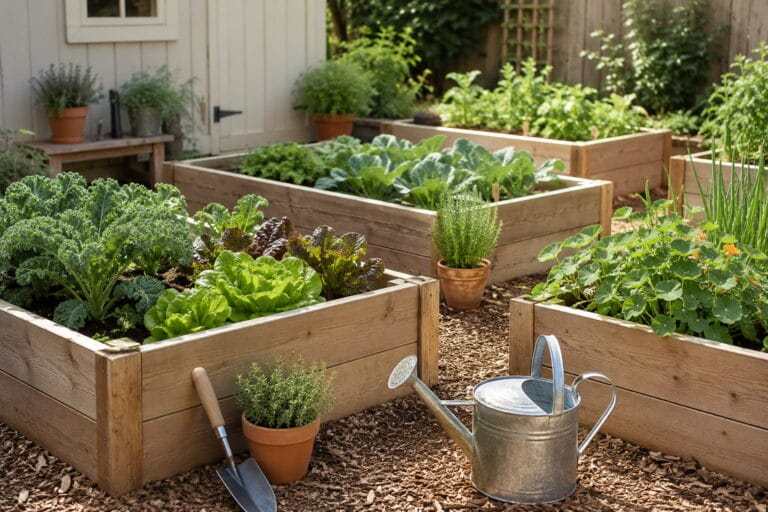
Raised beds warm quickly and are easy to organize, but they can also dry faster than in-ground soil. Check moisture regularly, especially around newly germinated seeds and recent transplants.
Place tall crops such as corn, okra, trellised cucumbers and pole beans where they will not shade shorter plants unnecessarily. Give pumpkins, squash, sweet potatoes and melons room to trail outside the bed without blocking paths.
The raised-bed gardening guide covers soil depth, bed width, access and crop planning. For seasonal care, use the guide to managing raised beds during summer.
Benefits
- Warm soil supports fast germination of many summer crops.
- Early spring crops can be replaced with beans, cucumbers, squash or fall vegetables.
- Succession planting can extend the harvest instead of producing everything at once.
- Heat-loving vegetables may establish faster than they would in cool spring soil.
Considerations
- Seeds and transplants can dry out rapidly in summer weather.
- Long-season crops may not mature before the first fall frost.
- Extreme heat can reduce germination and fruit set.
- Later plantings may encounter heavier pest and disease pressure.
Common June Planting Mistakes
Following a Planting Zone Without Checking Frost Dates
USDA hardiness zones describe average winter minimum temperatures. They do not provide a complete vegetable planting calendar. Use local frost dates, current soil conditions and Cooperative Extension guidance.
Choosing a Variety That Matures Too Late
A vegetable may be suitable for June while a particular long-season cultivar is not. Compare maturity estimates and select earlier varieties when the remaining season is limited.
Starting Tomatoes and Peppers From Seed Outdoors
These crops grow slowly from seed and may not produce before frost when sown outdoors in June. Use healthy transplants unless your climate provides an unusually long growing season.
Letting the Seedbed Dry Out
The soil surface can dry within hours during hot or windy weather. Check newly seeded beds frequently and use gentle irrigation that does not wash seeds away or create a hard crust.
Planting Without a Fall Plan
June is also a useful time to plan the next transition. Some beds planted with fast summer crops can later support carrots, brassicas, greens or other cool-season vegetables. The late-summer vegetable garden guide can help organize that change.
Myth
June is too late to start a vegetable garden
Reality
June is a normal planting month for many warm-season vegetables in northern climates and a useful succession-planting month elsewhere. Whether a crop can succeed depends on its temperature needs, days to maturity, planting method, local summer conditions and the time remaining before frost.
Frequently Asked Questions
What vegetables grow fastest when planted in June?
Bush beans, zucchini, summer squash and some cucumber varieties are among the faster warm-season choices. Exact harvest timing depends on the cultivar, weather, soil, water and pest pressure.
Can tomatoes be planted in June?
Yes, in many climates, but use healthy hardened transplants rather than starting long-season tomatoes from seed outdoors. Choose early or compact varieties when the remaining growing season is limited. Extreme heat may temporarily reduce fruit set.
Can carrots be planted in June?
Carrots can be planted in mid- or late June for a fall harvest in many cooler and transitional climates. Keep the seedbed consistently moist. In very hot regions, wait for the locally recommended late-summer or fall planting window.
What can you plant in June in a raised bed?
Beans, cucumbers, zucchini, peppers, compact tomatoes, eggplant, Swiss chard and carrots can fit well in raised beds. Large vines such as pumpkins, melons and winter squash need room to trail outside the bed.
Can you plant vegetables in late June?
Yes. Fast-maturing beans, cucumbers and summer squash may still succeed when enough warm weather remains. Late June is also a useful time to begin selected fall crops in cooler regions. Check the first fall frost and each variety’s maturity estimate.
How often should June-planted vegetables be watered?
Water according to soil moisture, root depth, temperature, rainfall and soil type rather than using one universal schedule. Newly planted seeds and transplants need more frequent checks because their shallow root zones dry quickly. Established plants generally benefit from deeper, less superficial irrigation.
Should you fertilize vegetables immediately after planting?
Base fertilizer decisions on a soil test and the crop’s needs. Excess fertilizer can damage young roots, encourage weak growth or contribute to nutrient runoff. Compost does not automatically provide every nutrient in the amount a crop requires.
Make June the Start of Your Next Harvest
June still offers plenty of opportunities for a productive vegetable garden. Beans, cucumbers and zucchini provide relatively fast harvests, while okra, Southern peas and sweet potatoes make good use of sustained summer heat. Transplanted tomatoes, peppers and eggplant can fill gaps when the season is long enough.
Start with the crops that match your current temperatures and remaining frost-free days. Plant long-season vegetables first, keep seedbeds evenly moist, and use succession planting only while enough growing time remains.
If you are deciding which crops are most manageable for your first garden, continue with these easy vegetables for beginner gardeners. Record what you plant and where so next season’s crop-rotation plan is easier to organize.
Sources and Further Reading
- University of Minnesota Extension: Planting the Vegetable Garden — regional planting periods for beans, corn, cucumbers, squash, tomatoes, peppers, eggplant, sweet potatoes and other crops.
- University of Maryland Extension: Vegetable Planting Calendar — planting and harvest windows for warm-season crops, succession sowings and fall vegetables.
- University of Georgia Cooperative Extension: Vegetable Garden Calendar — warm-climate guidance for okra, Southern peas, sweet potatoes, beans, corn, squash and other summer crops.
- University of Minnesota Extension: Planting Vegetables in Midsummer for Fall Harvest — planning late-June and midsummer crops around first-frost dates.
- University of Minnesota Extension: Gardening in Hot Weather — watering, heat stress and soil-moisture guidance for summer gardens.
- University of Maryland Extension: Planning a Vegetable Garden — beginner crop selection, transplants and garden-planning considerations.